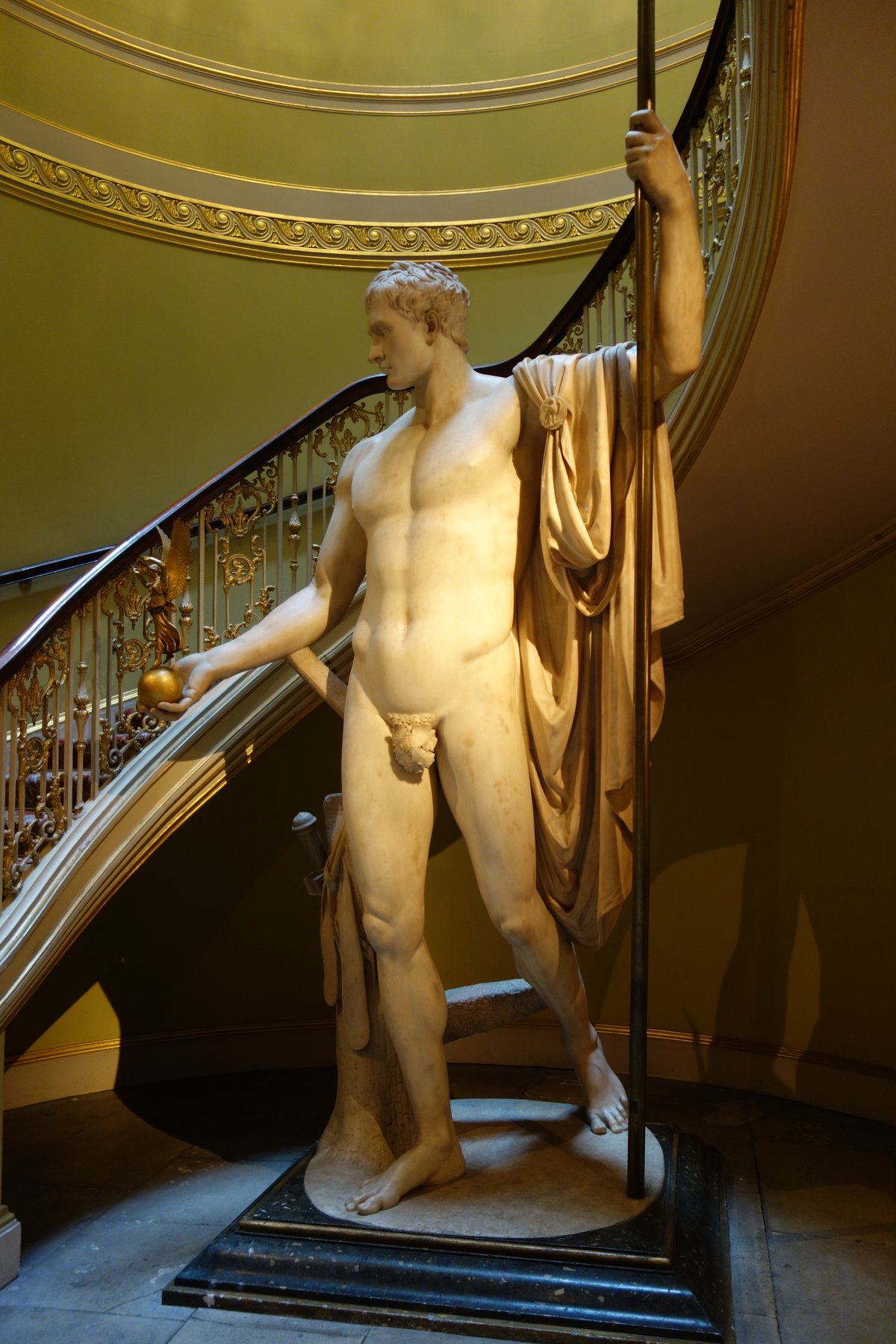
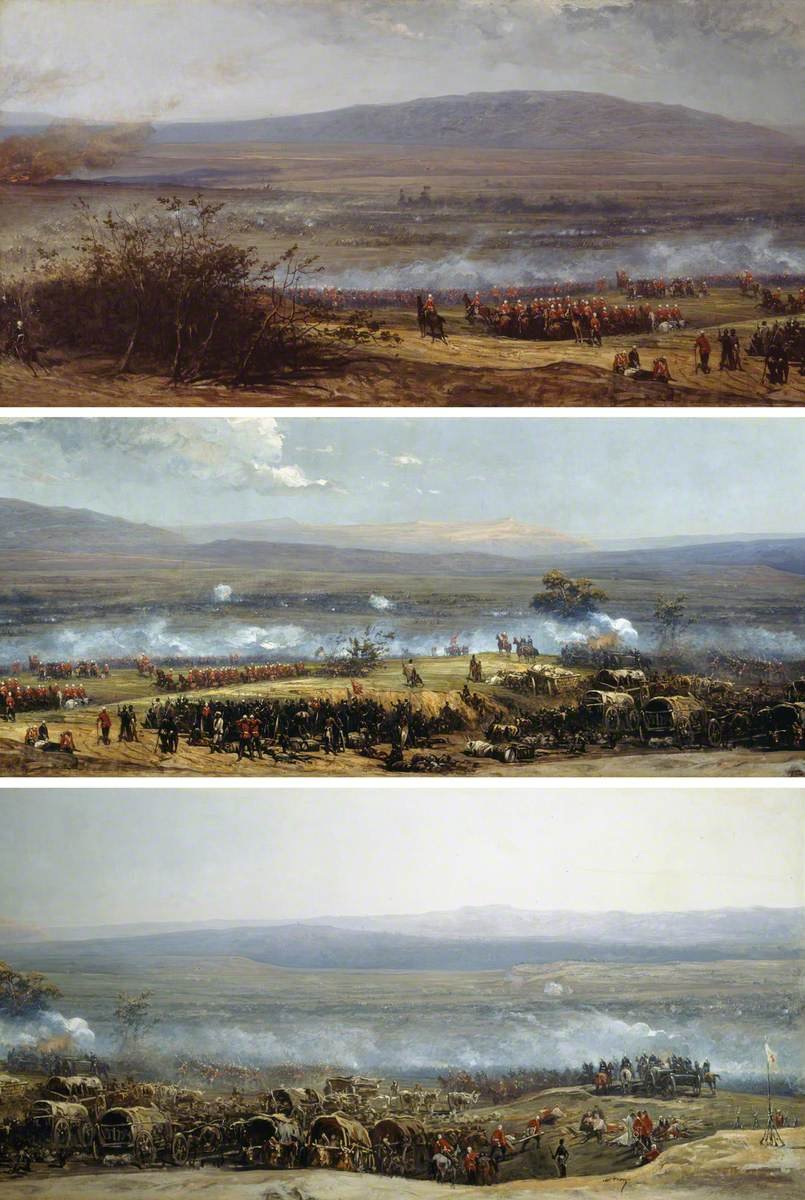
Introduction
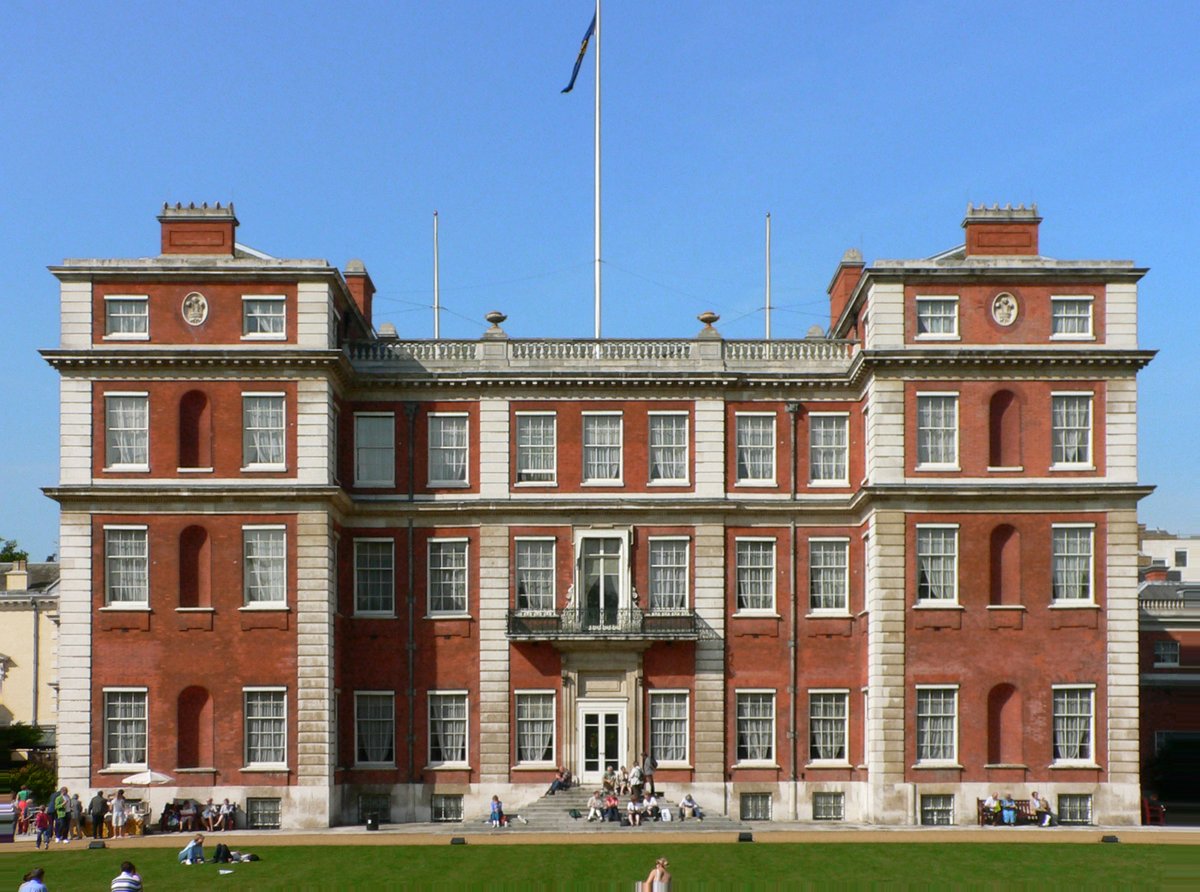
Mark Masons’ Hall, situated at 86 St James’s Street in London, is one of the city’s most distinguished historical landmarks. Renowned for its Victorian architecture and deep-rooted Masonic heritage, this Grade II listed building serves as the headquarters for the Grand Lodge of Mark Master Masons of England and Wales. Whether you are an enthusiast of architecture, history, or Freemasonry, Mark Masons’ Hall offers visitors a rare glimpse into the traditions and culture of British fraternal societies.
This comprehensive guide details the Hall’s origins, architectural features, cultural significance, and provides all the essential information on visiting hours, ticketing, accessibility, and top visitor tips. For those eager to discover a unique facet of London’s historical landscape, Mark Masons’ Hall is an essential stop.
Photo Gallery
Explore Mark Masons' Hall, London in Pictures
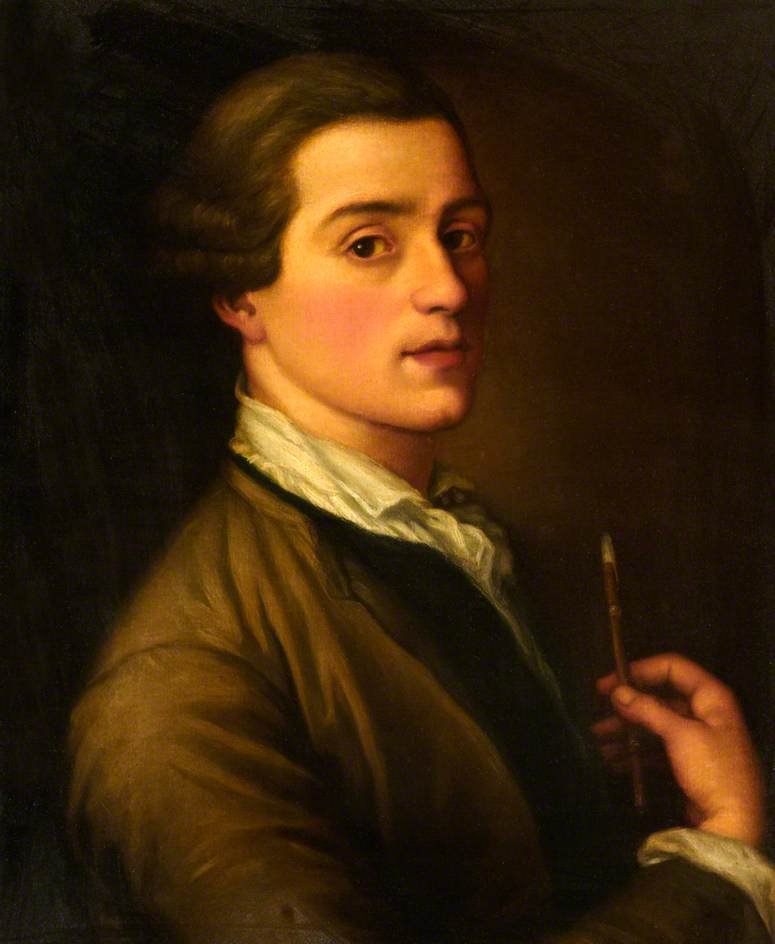
Portrait of Giovanni Battista Cipriani, an 18th-century Italian painter and decorator, known for his works in London, displayed at Mark Masons' Hall.
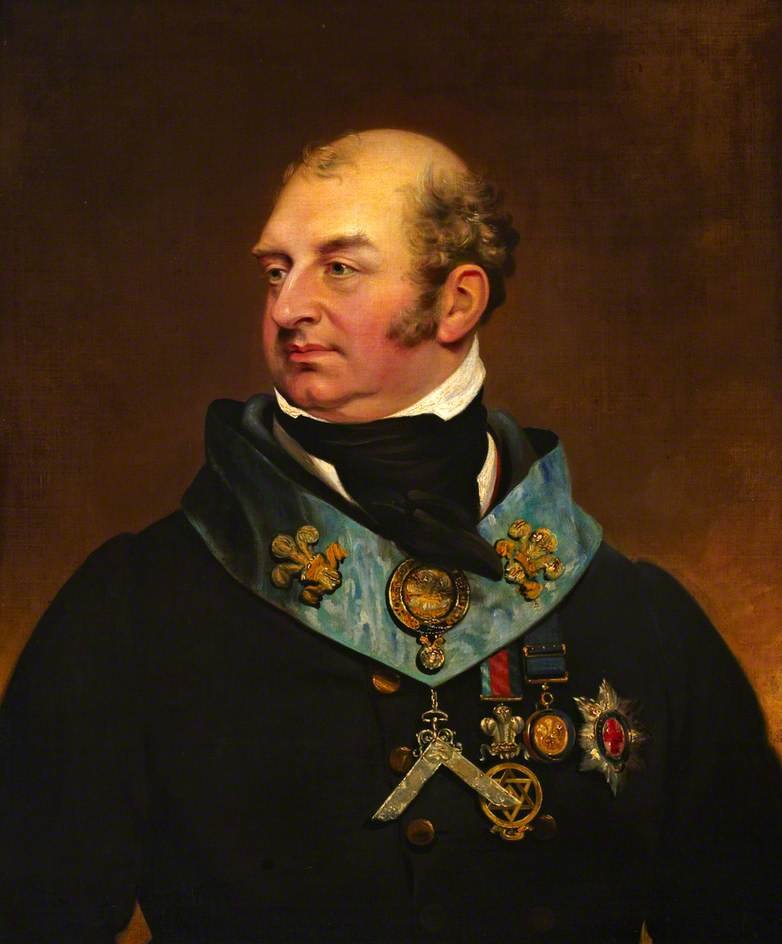
Historical portrait of Frederick, HRH The Duke of York and Albany, painted by James Lonsdale, showing him in formal 18th-century attire, displayed at Mark Masons' Hall, London.
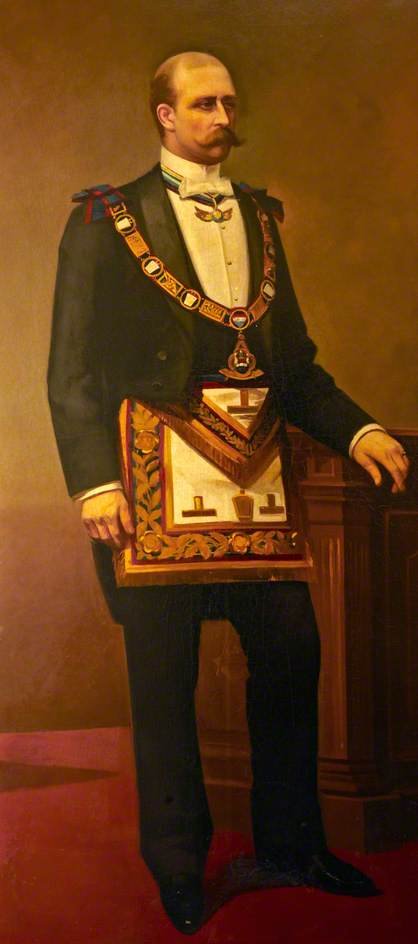
Historical portrait of the Duke of Connaught and Strathearn, attributed to Jean Marius Rogier, displayed at Mark Masons' Hall in London.

A classic portrait of Earl Amherst during his tenure as Viscount Holmesdale and Grand Master between 1863 and 1866, housed at Mark Masons' Hall, London.
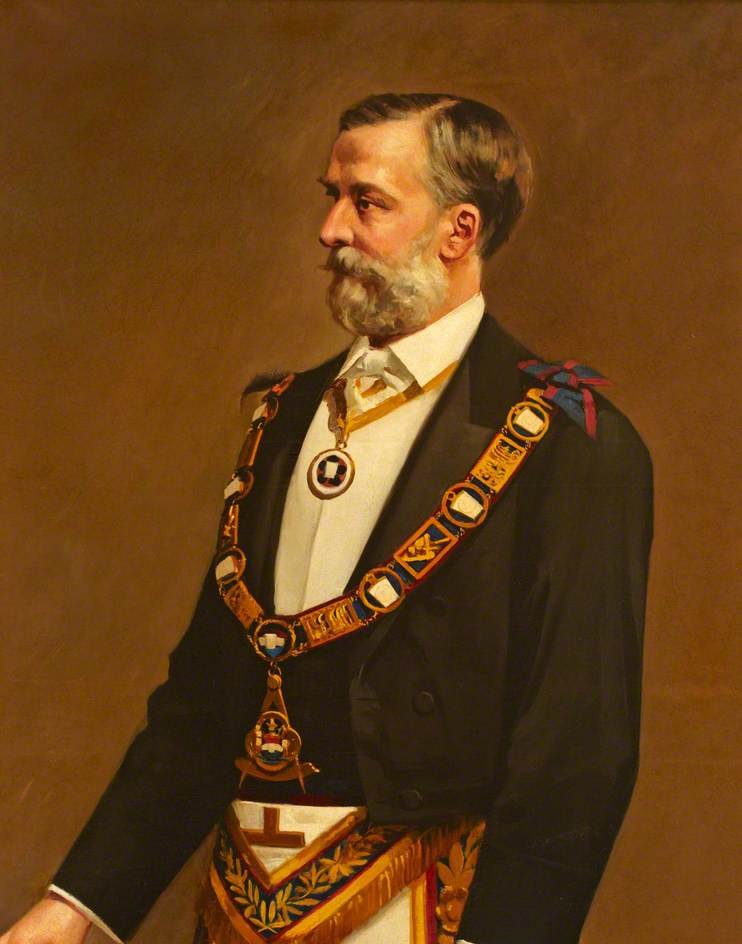
Black and white portrait of Jean Marius Rogier, titled Earl Egerton of Tatton, who served as Pro Grand Master from 1887 to 1890, displayed at Mark Masons' Hall in London
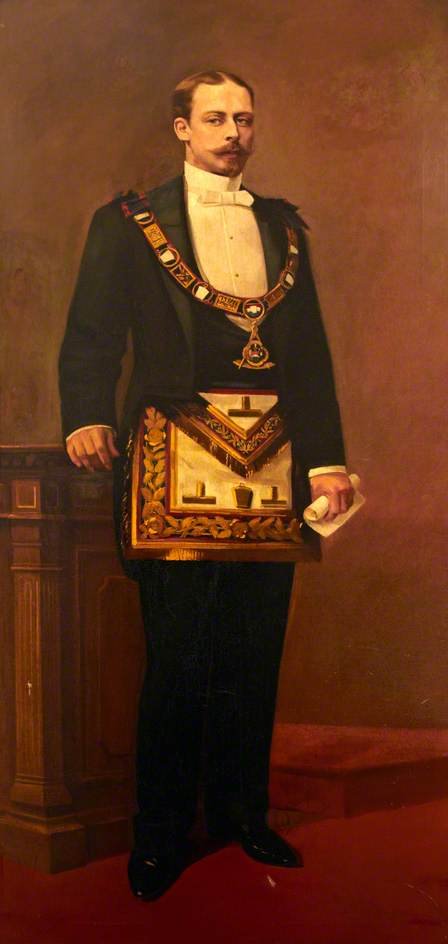
Vintage portrait of HRH Prince Leopold, Duke of Albany, painted mid-19th century, displayed at Mark Masons' Hall, London.
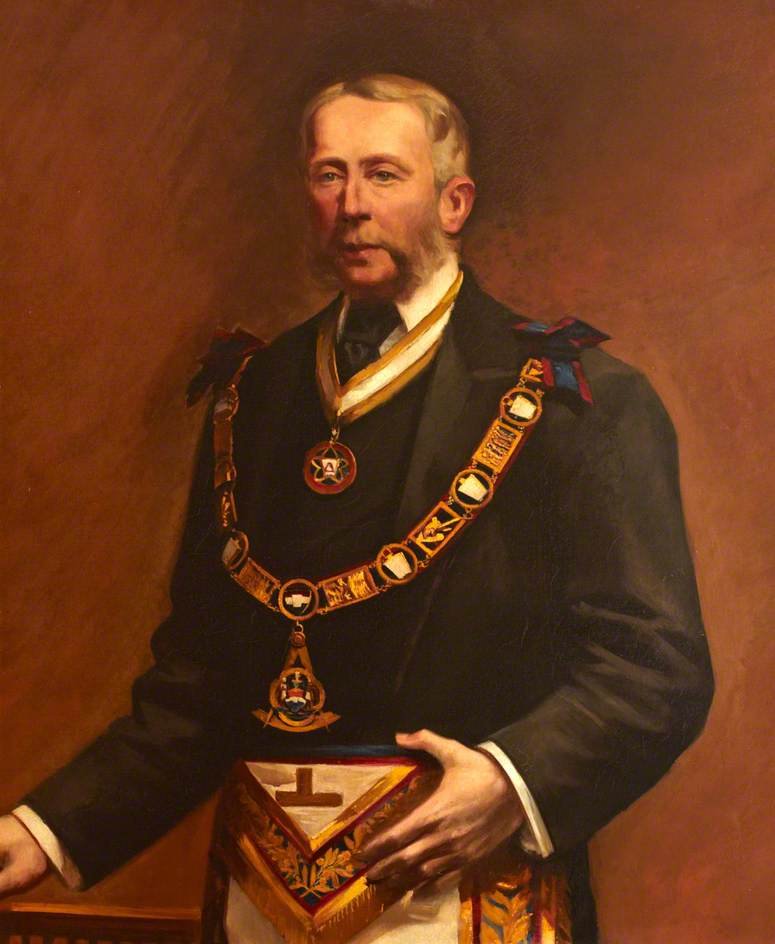
Historical portrait of the Right Honourable W. W. B. Beach, Member of Parliament and Grand Master from 1866 to 1869, attributed to Jean Marius Rogier (1851-1928). The image is displayed at Mark Masons' Hall, London.
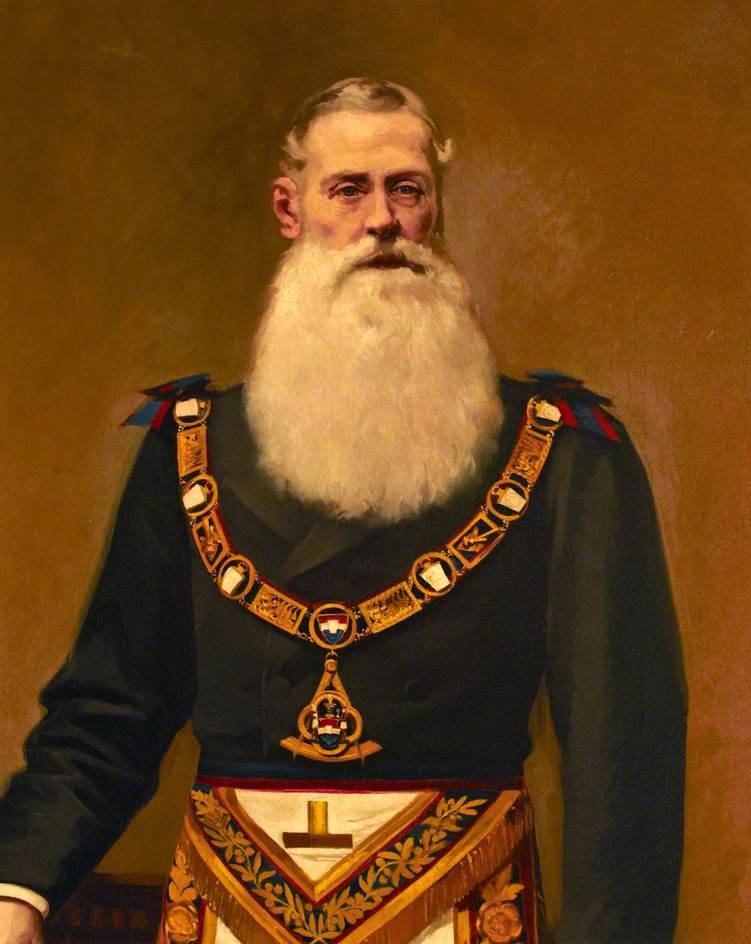
A historical portrait of The Earl of Lathom, who served as the Grand Master from 1878 to 1881, displayed at Mark Masons' Hall in London.

Portrait painting of The Marquess of Hertford, who served as Pro Grand Master from 1890 to 1893, attributed to artist Jean Marius Rogier, displayed in Mark Masons' Hall, London.
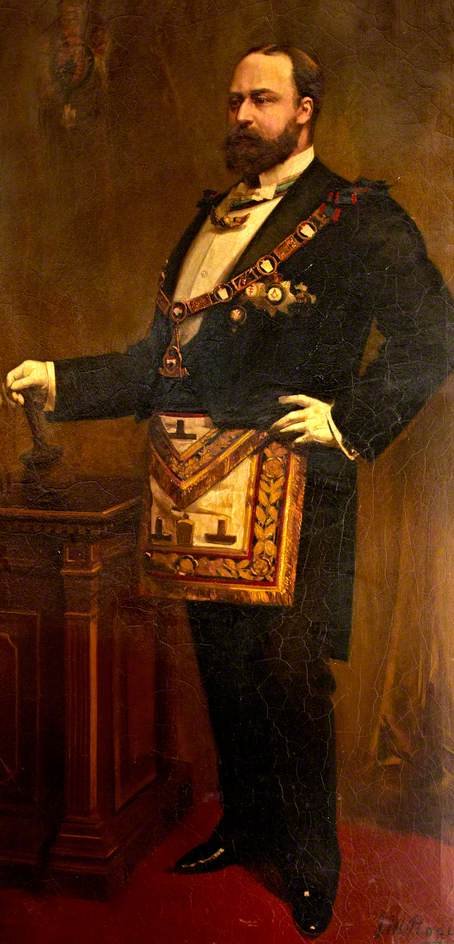
A detailed portrait of Edward VII (1841–1910) in a ceremonial uniform photographed by Jean Marius Rogier (1851–1928) at Mark Masons' Hall, London.
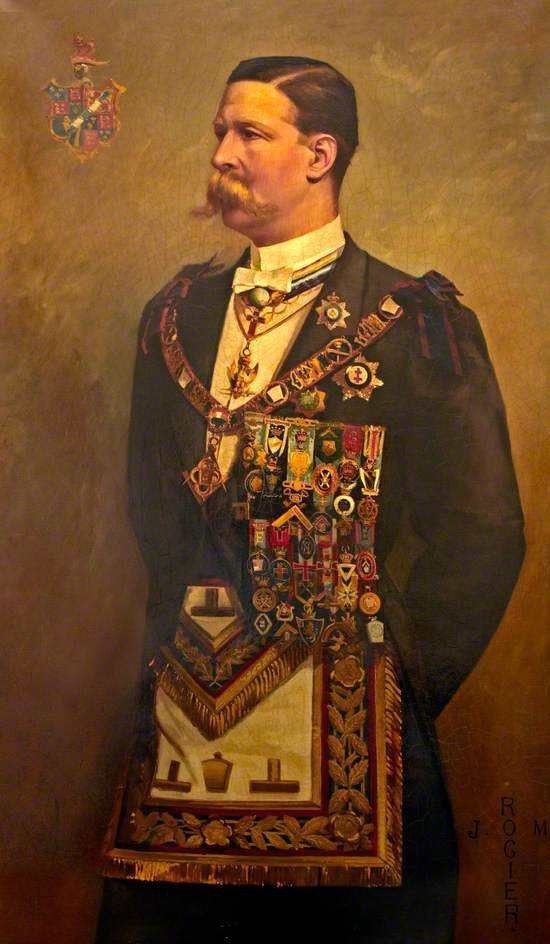
Historical portrait of Jean Marius Rogier, known as The Earl of Euston, displayed at Mark Masons' Hall in London, showcasing 19th to early 20th-century attire and style.
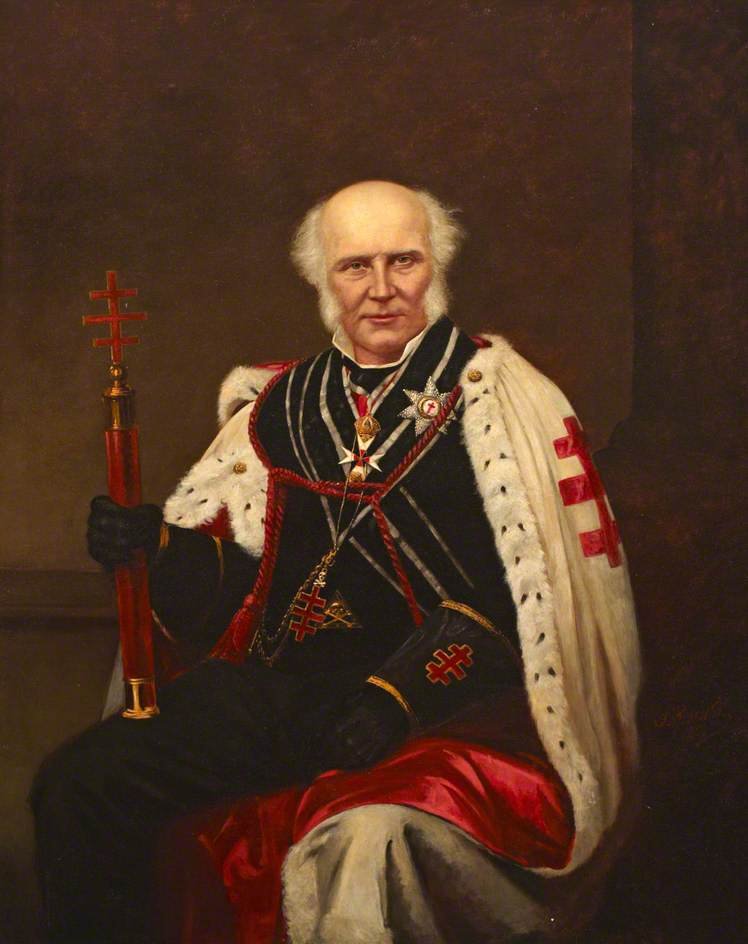
Historical portrait of William Stuart, who served as the Grand Master of the Knights Templar from 1861 to 1872, located at Mark Masons' Hall, London.
Origins and Early Development
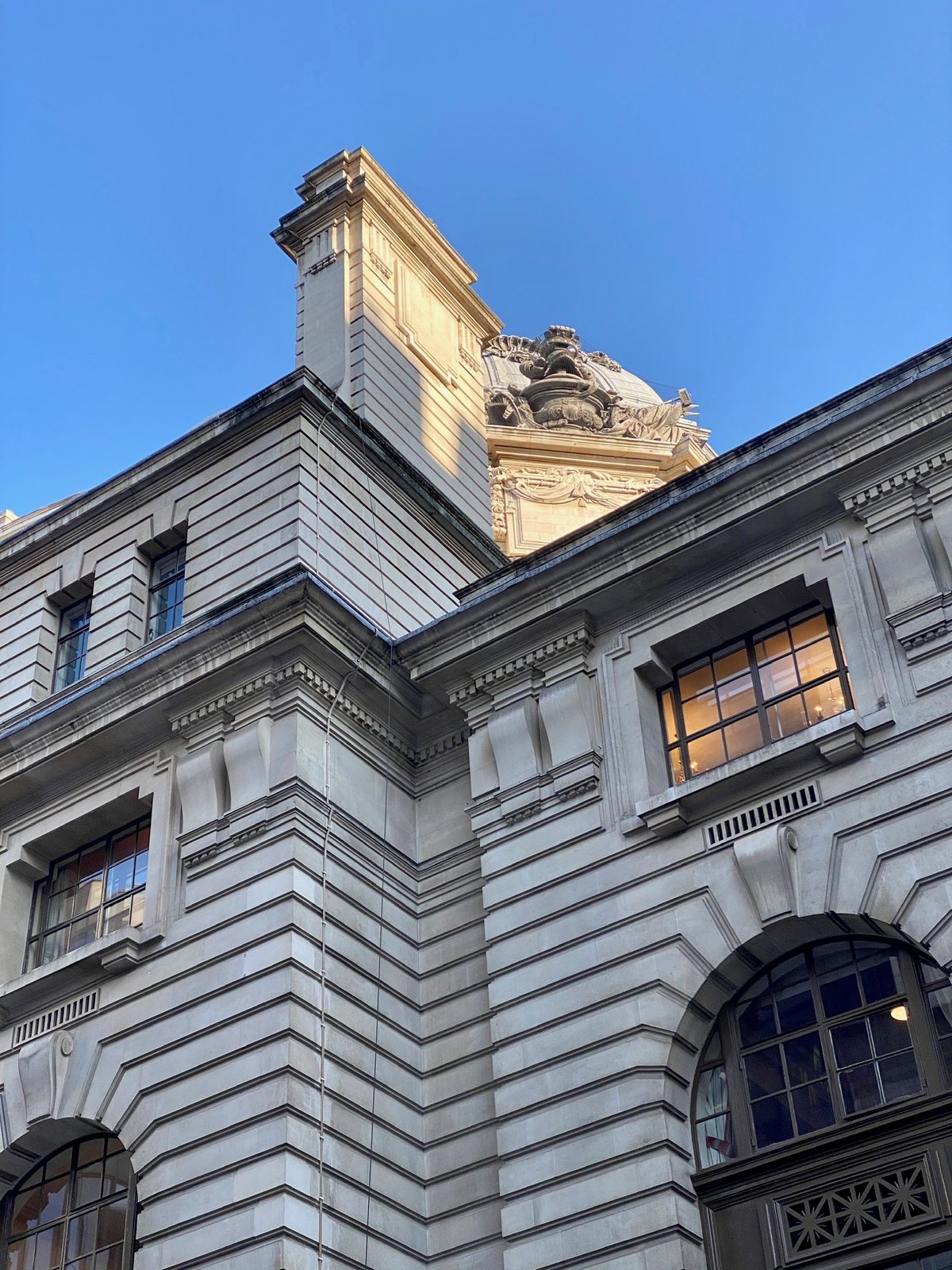
Constructed between 1862 and 1865, Mark Masons’ Hall was originally designed by Sir James Thomas Knowles. Its striking High Victorian Italianate façade, with ornate foliage and robust stonework, stands as a testament to the grandeur of the era. The building began life as a gentlemen’s club, hosting several prestigious clubs including the Civil Service Club, Thatched House Club, Union Club, and Constitutional Club before its acquisition by the Masons (The Square Magazine; London Masons).
Masonic Acquisition and Transformation
In 1977, the Grand Lodge of Mark Master Masons acquired a 99-year lease on the property. Extensive renovations followed, transforming the club into the headquarters for more than 100 Mark Lodges and several other Masonic Orders. The Hall was officially opened as a Masonic center in 1979, with seven temples dedicated the following year to various provinces and international supporters (Mark Masons’ Hall; 4357.co.uk).
Architectural Highlights
Mark Masons’ Hall comprises seven levels, each featuring distinct architectural details:
- Entrance Hall: A panelled foyer welcomes visitors, leading to a grand stone staircase with ornate cast iron balustrades.
- Temples and Boardrooms: The ground floor hosts two Masonic Temples and a Board Room, with additional temples and meeting rooms on upper floors.
- Dining Facilities: The first-floor Carvery Restaurant overlooks St James’s Street and serves traditional British fare.
- Historic Rooms: Highlights include the Grand Temple, known for its stained glass and intricate woodwork, and the Egypt Room, adorned with Egyptological motifs.
- Masonic Collections: The Hall houses regalia, historical documents, and artifacts that chronicle the evolution of Freemasonry in England (4357.co.uk; Historic England).
Role in Freemasonry
Mark Masons’ Hall is the operational and ceremonial heart of the Grand Lodge of Mark Master Masons of England and Wales, also administering the Royal Ark Mariner degree and several other Masonic Orders. It accommodates hundreds of lodges and serves as a hub for Masonic ceremonies, social gatherings, and charitable activities (Wikipedia; Mark Masons’ Hall).
Visitor Information
Visiting Hours and Entry
- Public Access: The Hall is primarily a working Masonic venue and is not open for general walk-in visits.
- Open Days: Public access is granted during annual special events such as Open House London (typically in September) and other scheduled open days.
- Carvery Restaurant: Open to the public for lunch (12:00–13:30) by advance reservation, subject to private event closures.
- Guided Tours: Available during open days or by appointment for groups; booking in advance is essential. Guided tours cover the Hall’s history, architecture, and Masonic symbolism (Mark Masons’ Hall; Mark Master Masons).
Tickets and Booking
- Open Days: Most public events and open days are free, but some may require advance registration or tickets.
- Private Visits: Group tours and private event bookings are available by prior arrangement only.
- Dining Reservations: Required for the Carvery Restaurant via phone or email (86 Hospitality).
Dress Code and Visitor Etiquette
- Attire: Smart dress is required; jackets and ties for men, smart attire for women. No jeans, t-shirts, or trainers.
- Conduct: Photography is restricted; always ask for permission. Respect ongoing ceremonies and meetings.
- Security: Be prepared for security checks and avoid bringing large bags.
Accessibility
- Wheelchair Access: The Hall is equipped with lifts to most floors; however, some historic areas may have limited accessibility. Visitors with mobility needs should contact the Hall in advance to discuss arrangements.
- Facilities: Cloakrooms, restrooms, and a bar/lounge are available. The Shop @86 offers Masonic regalia and souvenirs (Mark Masons’ Hall).
Location and Getting There
- Address: 86 St James’s Street, London SW1A 1PL
- Transport: Nearest Underground stations are Green Park and Piccadilly Circus. Several bus routes and black cabs serve the area. Limited parking is available; public transport is recommended (Location Map).
Events, Exhibitions, and Community Impact
Key Events
- Annual Festivals: The Hall hosts major Masonic ceremonies and festivals, such as the Grand Conclave and Mark Grand Festival (Mark Province of London).
- Charity Events: Mark Masons’ Hall is a center for Masonic charity work, supporting initiatives through organizations like the Mark Benevolent Fund (Mark Benevolent Fund).
Exhibitions and Collections
- Permanent Collections: Display of regalia, artifacts, and documents tracing the history and symbolism of Freemasonry.
- Temporary Exhibitions: Themed exhibitions on Masonic history, charity, and architectural heritage are occasionally hosted (Esoteric Freemasons).
Frequently Asked Questions (FAQ)
Q: When is Mark Masons’ Hall open to the public?
A: Mainly during open days such as Open House London and by appointment for tours or dining. Check the official website for current schedules.
Q: Do I need tickets to visit?
A: Yes, tickets or reservations are required for tours, events, and dining. Walk-in entry is not permitted.
Q: Is Mark Masons’ Hall wheelchair accessible?
A: Most areas are accessible by lift, but contact the Hall in advance for specific needs.
Q: Can I take photos inside?
A: Photography is generally restricted; always obtain permission before taking photos.
Q: Is the Carvery Restaurant open to non-Masons?
A: Yes, with advance reservation and adherence to the Hall’s dress code.
Visitor Tips and Nearby Attractions
- Combine Your Visit: Explore nearby landmarks such as Buckingham Palace, St James’s Palace, Trafalgar Square, and the Royal Academy of Arts.
- Plan Ahead: Always check for closures or private events and book in advance.
- Dress Smartly: The Hall maintains a formal atmosphere in keeping with its traditions.
- Explore More: Visit the Museum of Freemasonry for broader context.
Listen to the full story in the app
Your Personal Curator, in Your Pocket.
Audio guides for 1,100+ cities across 96 countries. History, stories, and local insight — offline ready.
Audiala App
Available on iOS & Android
Join 50k+ Curators
Sources
- verified
- verified
- verified
- verified
- verified
- verified
- verified
- verified
- verified
- verified
- verified
- verified
Last reviewed: