Plan and listen to Marble Arch with Audiala.
Audio guide in your pocket, itinerary in your browser. Built for the way you actually visit.
Introduction
Marble Arch is one of London’s most distinguished monuments, celebrated for its neoclassical design, royal origins, and evolving role within the city’s urban landscape. Erected in the 1820s as a ceremonial gateway to Buckingham Palace, the arch was designed by John Nash—one of Britain’s most influential architects—inspired by ancient and European triumphal arches. Today, Marble Arch stands at the bustling junction of Oxford Street, Park Lane, and Edgware Road, adjacent to Hyde Park’s Speakers’ Corner, accessible to all and rich with historical and cultural significance. This guide provides a comprehensive look at Marble Arch’s history, architecture, visiting hours, accessibility, nearby attractions, and practical tips for planning your visit (Discover Walks; A View on Cities; Come to London; Discover Britain).

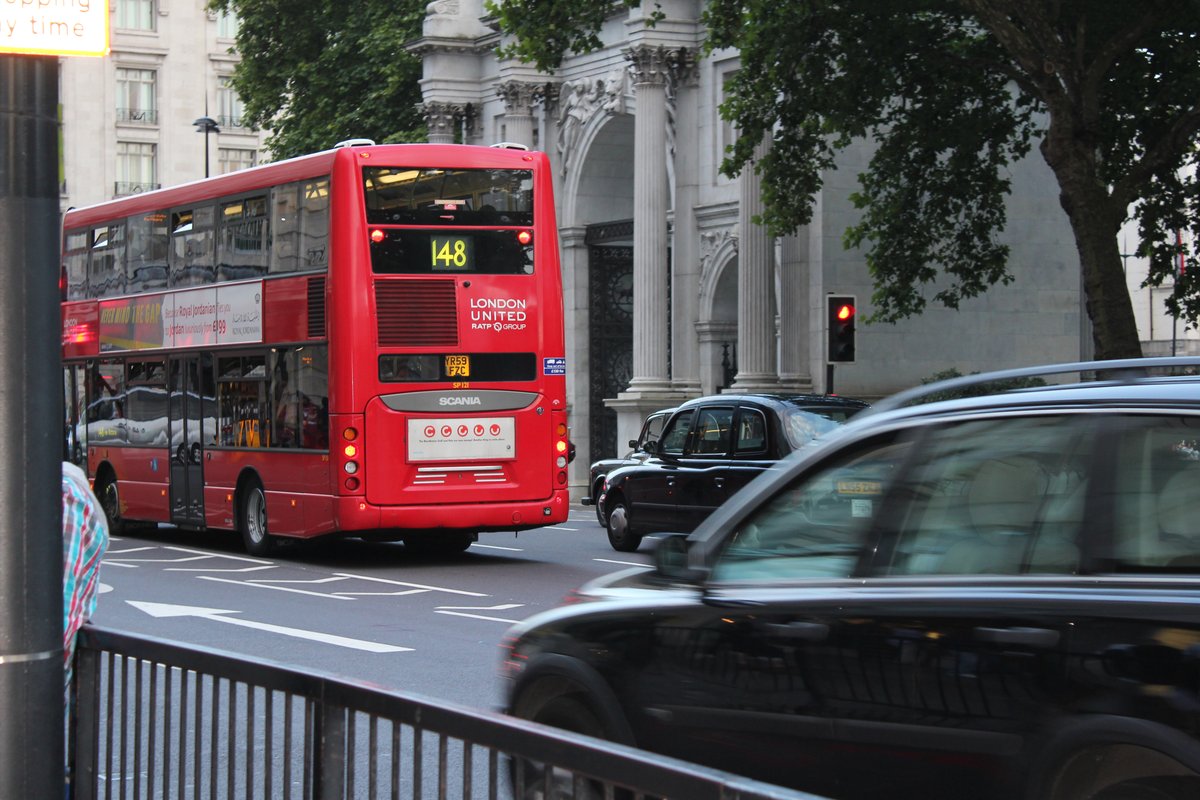
Origins and Early History
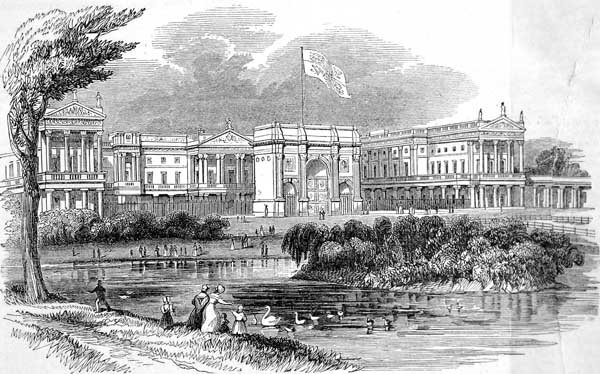
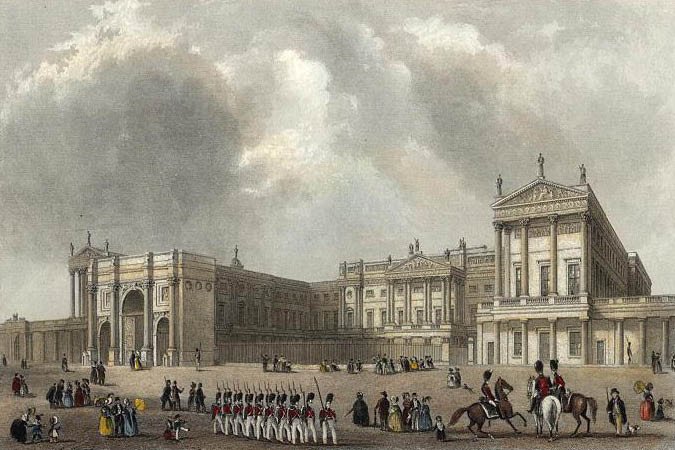
Commissioned in the 1820s by King George IV, Marble Arch was conceived as a grand entrance to Buckingham Palace, symbolizing royal prestige and British imperial ambition. John Nash’s design drew inspiration from the Arch of Constantine in Rome and the Arc de Triomphe in Paris, aiming to evoke classical grandeur. Construction began in 1827 using white Carrara marble from Italy. However, the project faced setbacks after the king’s death, leading to a simplified design under architect Edward Blore. The arch was completed in 1833, measuring about 18.3 meters wide, 9.1 meters deep, and 14 meters high (Discover Walks; Come to London).
Architectural Significance
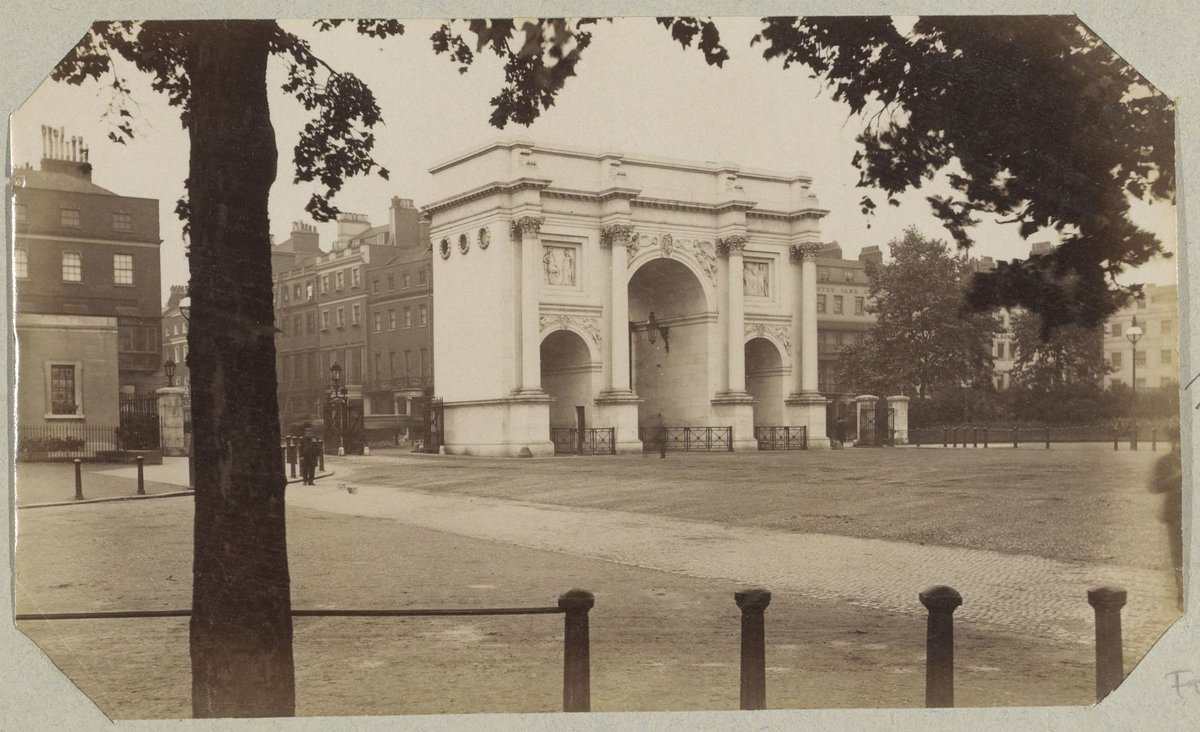
Marble Arch exemplifies the neoclassical movement with its harmonious proportions, three arched bays (a large central arch flanked by two smaller ones), and elegant Corinthian columns. Although many of Nash’s planned sculptural decorations were omitted, the structure retains refined classical details, including sculpted relief panels representing England, Scotland, and Ireland. The marble cladding over a brick core creates a luminous, monumental presence (A View on Cities; London Guided Walks; Art Facts).
Relocation and Historical Context
Originally positioned as the ceremonial threshold to Buckingham Palace, Marble Arch was moved in 1851 to its current location at Cumberland Gate, near Hyde Park. The relocation, overseen by Thomas Cubitt, was prompted by the palace’s expansion for Queen Victoria’s growing family. The new site was historically significant as the former Tyburn gallows, a place of public executions from the 12th to 18th centuries (Discover Britain; Britain Express). Contrary to common myth, the move was not due to the arch’s dimensions, as royal coaches—including for Queen Elizabeth II’s coronation—could pass through it.
Notable Events and Evolving Functions
After its relocation, Marble Arch transitioned from a royal gateway to a public monument. From 1851 to around 1967, it housed a small police station within its internal rooms (Discover Walks). Its proximity to Speakers’ Corner established it as a focal point for public gatherings and free speech. The area’s transformation in the 1960s, with the widening of Park Lane, left the arch on a traffic island, yet it remains a popular meeting point and photo spot. The addition of the Angel of Peace statue in 1912 and the nearby “Still Water” horse head sculpture by Nic Fiddian-Green in 2011 have further enhanced its cultural resonance (Come to London; Discover Walks).
Visiting Hours, Tickets, and Accessibility
Marble Arch is an outdoor monument and can be visited at any time, free of charge. There are no entrance fees or tickets required. The best time to visit is during daylight for optimal viewing and photography.
- Accessibility: The monument is wheelchair accessible, with paved pathways. Visitors should use marked pedestrian crossings due to heavy nearby traffic.
- Getting There:
- Tube: Marble Arch Underground Station (Central Line) is directly adjacent.
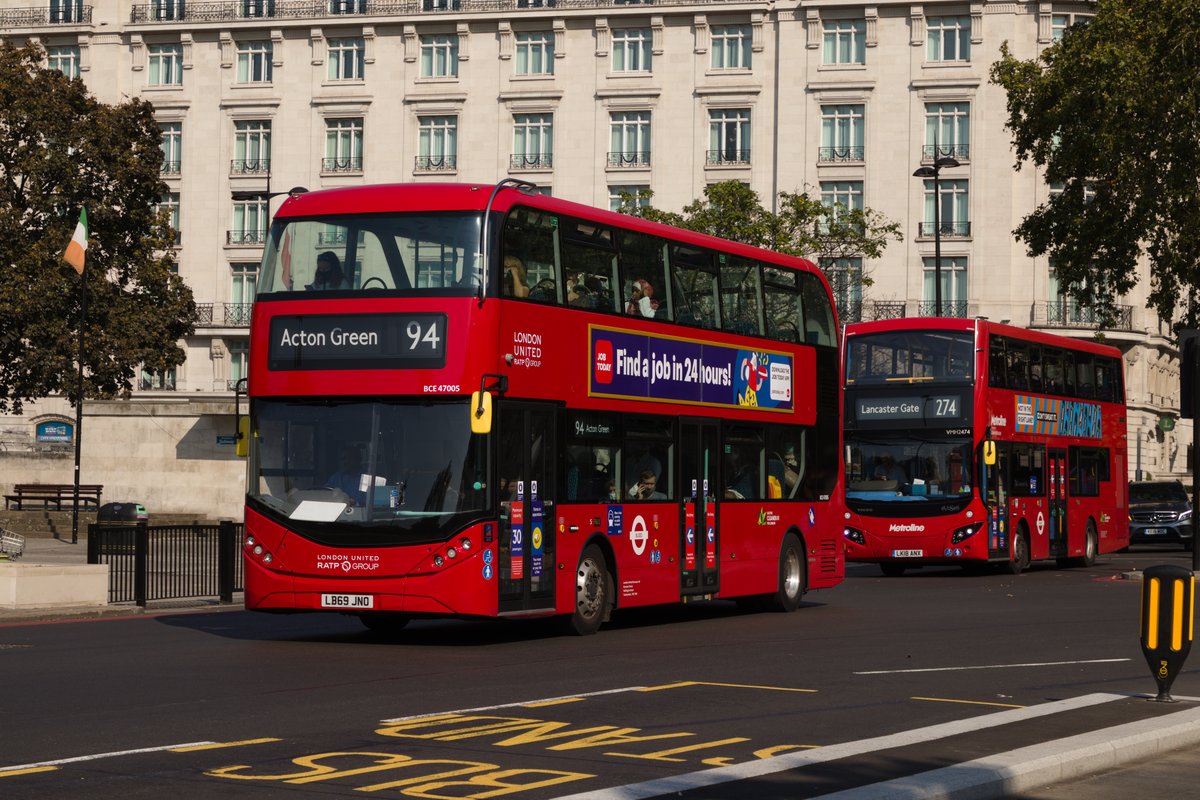
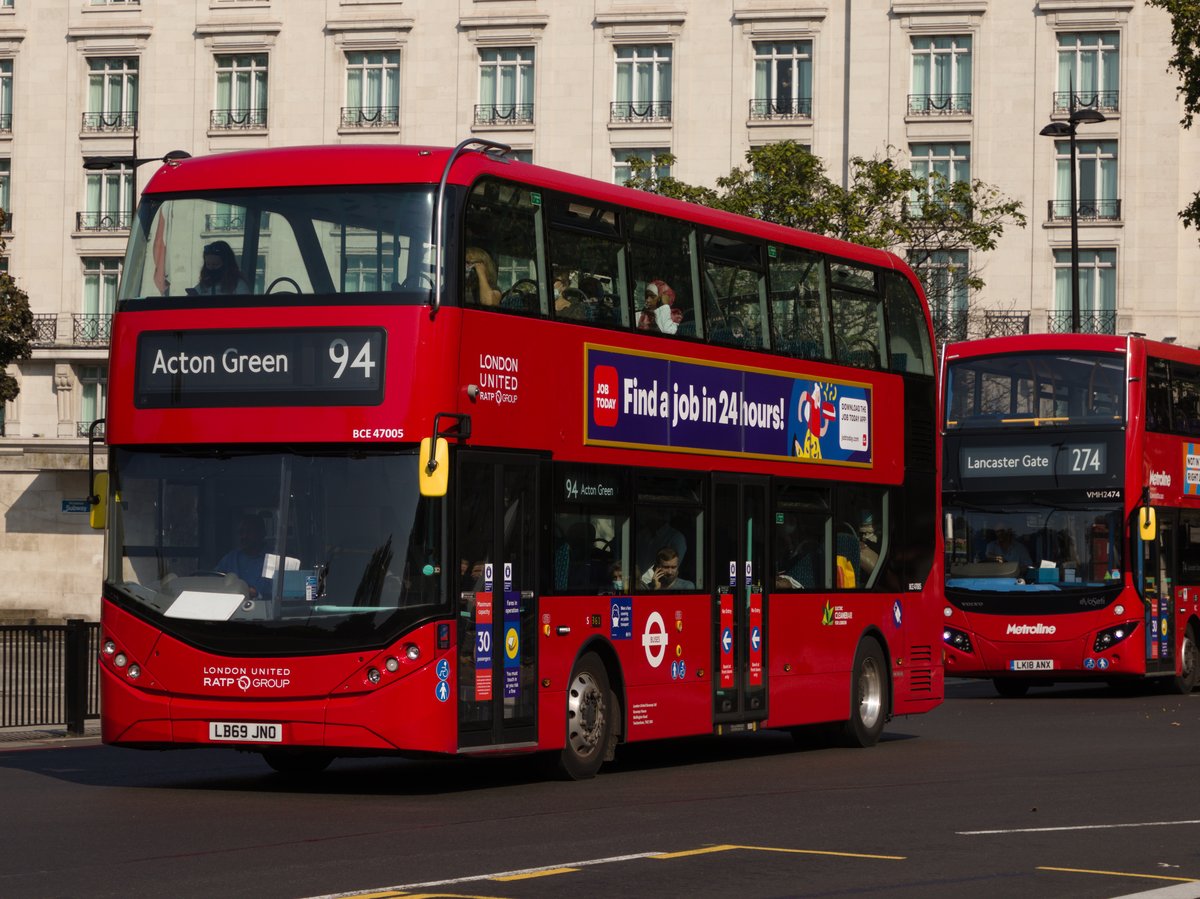
- Buses: Numerous routes serve the area, including 2, 6, 7, 13, 18, 30, 74, and 82.
- Car: Limited parking nearby; public transport is recommended (Go City).
Nearby Attractions and Travel Tips
Marble Arch’s central location makes it an excellent starting point for exploring London:
- Hyde Park: Expansive green space next to the arch, ideal for relaxation and recreation.
- Speakers’ Corner: Renowned for free speech and public debate, a short stroll away.
- Oxford Street: London’s premier shopping destination.
- Frameless Immersive Art Experience: A multi-sensory art attraction nearby, featuring masterpieces by artists such as Van Gogh and Monet. Tickets and timed entry required (Frameless).
Tips for Visitors:
- For the best photos, visit at sunrise or sunset.
- Use pedestrian crossings and be mindful of busy roads.
- Consider joining a London walking tour that includes Marble Arch.
Civic and Cultural Significance
Marble Arch is more than a monument; it’s a symbol of London’s adaptability and layered history. Its evolution from a royal ceremonial gateway to a public landmark reflects the city’s broader social and urban transformation. The arch’s location at a crossroads of major districts and its association with sites like Tyburn and Speakers’ Corner make it a touchstone for civic memory and public life (Plaza Estates; TravelStay).
Modern Role and Preservation
As a Grade I listed structure, Marble Arch is protected for its architectural and historical importance. Ongoing regeneration projects aim to improve the public realm and enhance pedestrian access, ensuring the arch remains a vibrant part of London’s landscape. Informational panels at the site provide visitors with historical context and artistic details (Come to London; Discover Britain).
Frequently Asked Questions (FAQs)
Q: What are Marble Arch visiting hours?
A: Marble Arch is accessible 24/7 as an open-air monument.
Q: Do I need tickets to visit Marble Arch?
A: No tickets or entrance fees are required.
Q: How do I get to Marble Arch?
A: Use Marble Arch Underground Station (Central Line) or nearby bus routes.
Q: Is the site wheelchair accessible?
A: Yes, but use care when crossing roads.
Q: Are guided tours available?
A: Marble Arch is included in many London walking tours.
Q: What are the best nearby attractions?
A: Hyde Park, Speakers’ Corner, Oxford Street, and Frameless Immersive Art Experience.
Tickets & tours.
These are guided options from our partners — same price as booking direct.
Prices are indicative — final pricing and availability are confirmed at checkout. Audiala may earn a commission from bookings made through these links.
Listen to the full story in the app
The whole Marble Arch,
told well.
Audio guides for 1,100+ cities across 96 countries. History, stories, and local insight — offline ready.
Verified, and shown.
Researched and written by the Audiala editorial team from historical records, architectural archives, and local expertise.
Researched from Wikidata, Wikipedia & official sources · fact-checked · How we make our guides →