Plan and listen to Kew Bridge with Audiala.
Audio guide in your pocket, itinerary in your browser. Built for the way you actually visit.
Introduction
Kew Bridge, located in West London, is more than just a functional crossing over the River Thames; it is a historical and cultural landmark with a rich heritage dating back to the 18th century. Originally constructed in 1759 to replace a ferry service that had been in operation since the early 17th century, Kew Bridge has undergone multiple reconstructions, each reflecting the architectural and engineering advancements of its time. The current bridge, designed by Sir John Wolfe-Barry, who also designed the iconic Tower Bridge, was inaugurated in 1903 and stands as a testament to Edwardian engineering and design.
This comprehensive guide aims to provide visitors with in-depth insights into the bridge's historical significance, architectural marvels, and cultural impact, as well as practical tips for making the most of their visit. Whether you are a history enthusiast, an architecture aficionado, or simply looking for a scenic spot to enjoy in London, Kew Bridge offers something for everyone. From its strategic role during World War II to its proximity to the Royal Botanic Gardens, Kew, a UNESCO World Heritage Site, the bridge is a focal point in the urban landscape of West London. For more detailed historical information, you can visit the Historic England website and the Royal Botanic Gardens, Kew website.

History of Kew Bridge
Early Conception and Construction
The first bridge at the Kew Bridge site was constructed in 1759, designed by John Barnard. This wooden bridge replaced a ferry service that had been operating since the early 17th century. The initial bridge was a toll bridge, with tolls collected to fund its maintenance and operation.
The Second Kew Bridge
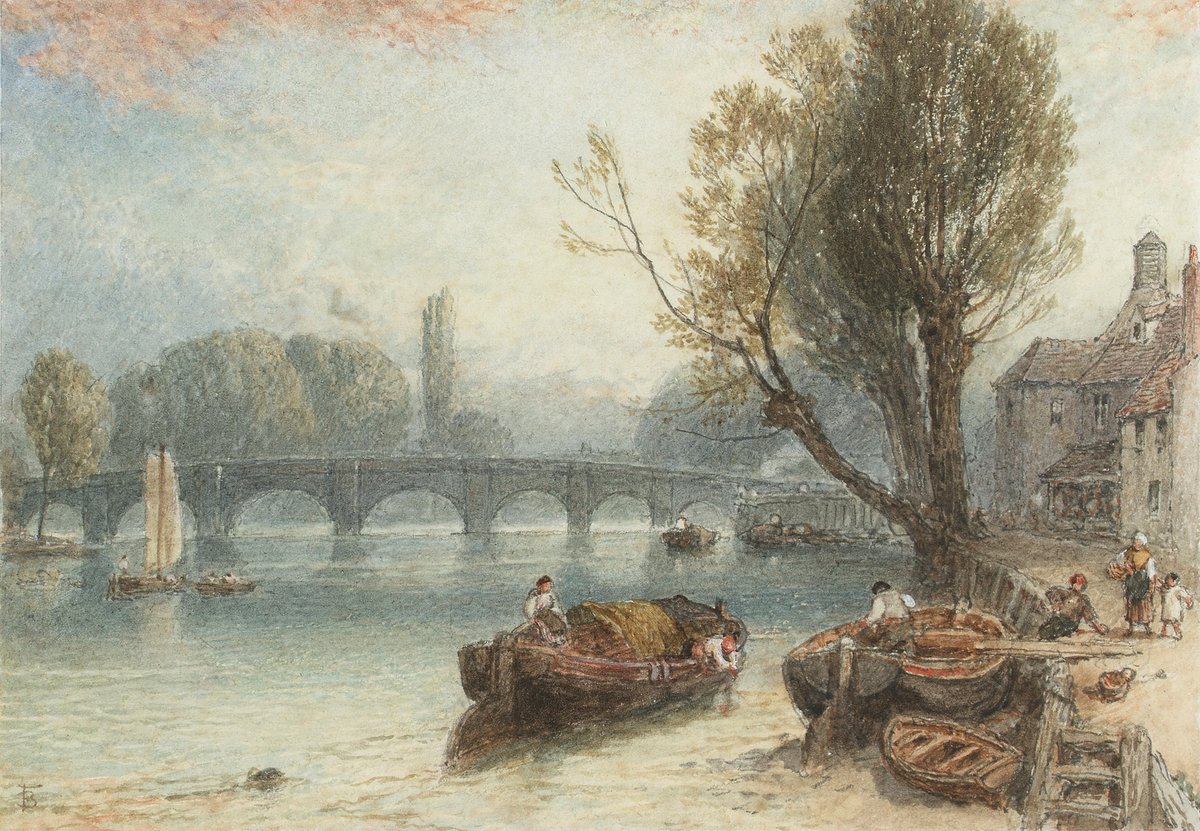
By the early 19th century, the original wooden bridge had deteriorated significantly. In response, a new stone bridge was commissioned. The second Kew Bridge, designed by James Paine, opened in 1789. This bridge was constructed using Portland stone and featured seven arches. It served as a toll bridge until 1873 when it was purchased by the Metropolitan Board of Works and made toll-free.
The Current Kew Bridge
The current Kew Bridge, the third iteration, was designed by Sir John Wolfe-Barry and opened in 1903. Wolfe-Barry is also known for his work on the iconic Tower Bridge in London. The new bridge was constructed using granite and Portland stone, featuring three arches.
Architectural Significance
The current Kew Bridge is an example of Edwardian engineering and architecture. Its design reflects the transition from Victorian to Edwardian styles, characterized by a blend of functionality and aesthetic appeal. The bridge's three arches are supported by robust piers, and the parapets are adorned with decorative stonework.
Historical Events and Developments
During World War II, Kew Bridge was a strategic point and was targeted during the Blitz. Despite the bombings, the bridge sustained only minor damage and continued to serve as a vital crossing point over the Thames. In the post-war period, the bridge underwent several maintenance and reinforcement projects.
Cultural and Social Impact
Kew Bridge connects the districts of Kew and Brentford, facilitating the movement of people and goods. Its proximity to the Royal Botanic Gardens, Kew, adds to its cultural significance. The bridge offers picturesque views of the Thames and the gardens.
Preservation and Conservation Efforts
Kew Bridge is a Grade II listed structure, recognizing its historical and architectural importance. Preservation efforts have included regular inspections, maintenance work, and restoration projects to address wear and tear.
Modern Usage and Developments
Today, Kew Bridge continues to serve as a vital transportation link in West London. It accommodates a significant volume of vehicular traffic, including buses and bicycles. The bridge is also an important pedestrian route.
Future Prospects
Ongoing and future projects aim to enhance its capacity and functionality while preserving its historical and architectural integrity. These projects include potential upgrades to pedestrian and cycling facilities, improved traffic management systems, and continued conservation efforts.
Visitor Information
- Visiting Hours: Open 24/7
- Tickets: Free access
- Accessibility: Wheelchair accessible
- Nearby Attractions: Royal Botanic Gardens, Kew; Brentford Fountain Leisure Centre
Visitor Tips
- Timing: The best time to visit Kew Bridge is during the spring and summer months when the weather is pleasant.
- Transportation: Kew Bridge is easily accessible by public transport. The Kew Bridge railway station is nearby, providing direct connections to central London.
- Nearby Attractions: Visitors can explore nearby attractions, including the Royal Botanic Gardens and the Kew Bridge Steam Museum.
- Walking and Cycling: The area around Kew Bridge is ideal for walking and cycling.
- Photography: Kew Bridge is a popular spot for photography, particularly during sunrise and sunset.
Dining Options
- The Express Tavern: Located near Kew Bridge Station, this historic pub offers traditional British dishes and real ales. More information
- The Cricketers: Situated near Kew Green, this charming pub serves classic British fare. More details
- Ma Cuisine: Offers French bistro-style cuisine near Kew Gardens Station. More information
Accommodation
- Premier Inn London Kew Bridge: Budget-friendly hotel near Kew Bridge Station. More information
- The Coach & Horses Hotel: Historic hotel near Kew Green. More details
- Kew Gardens Hotel: Boutique hotel near Kew Gardens Station. More information
Practical Tips
- Weather: London weather can be unpredictable, so check the forecast and dress accordingly.
- Footwear: Comfortable walking shoes are essential.
- Tickets: For attractions like the Royal Botanic Gardens, consider purchasing tickets online in advance.
FAQ
What are the visiting hours for Kew Bridge?
- Kew Bridge is accessible 24 hours a day, 7 days a week.
Is Kew Bridge accessible for disabled visitors?
- Yes, Kew Bridge is wheelchair accessible.
What are the nearby attractions?
- Nearby attractions include the Royal Botanic Gardens, Kew Bridge Steam Museum, and the historic village of Kew.
Listen to the full story in the app
The whole Kew Bridge,
told well.
Audio guides for 1,100+ cities across 96 countries. History, stories, and local insight — offline ready.
Verified, and shown.
Researched and written by the Audiala editorial team from historical records, architectural archives, and local expertise.
Researched from Wikidata, Wikipedia & official sources · fact-checked · How we make our guides →