Introduction
Trafalgar Square, at the heart of London, is a celebrated hub of British history and culture, adorned with monuments that narrate the city’s regal past. Among these, the equestrian statue of George IV stands as a striking tribute to a controversial yet influential monarch. Sculpted by Sir Francis Chantrey and unveiled in 1844, this bronze statue captures King George IV in the style of a Roman emperor, symbolizing ideals of leadership and artistic ambition. Originally intended for Marble Arch, its eventual relocation to Trafalgar Square placed it within a dynamic urban landscape—an intersection of royal commemoration, military memory, and public discourse on art and heritage.
This guide provides detailed insights into the statue’s history, artistic significance, visiting logistics, accessibility, nearby attractions, and practical tips to help you make the most of your visit. Whether you are a history enthusiast, art lover, or casual traveler, the George IV statue offers a lens through which to explore the vibrant cultural fabric of Regency-era London and its enduring architectural legacy. For further in-depth historical context, consult resources such as Historic England, Strawberry Tours, and pagesofhistory.org.
Photo Gallery
Explore George Iv of the United Kingdom in Pictures
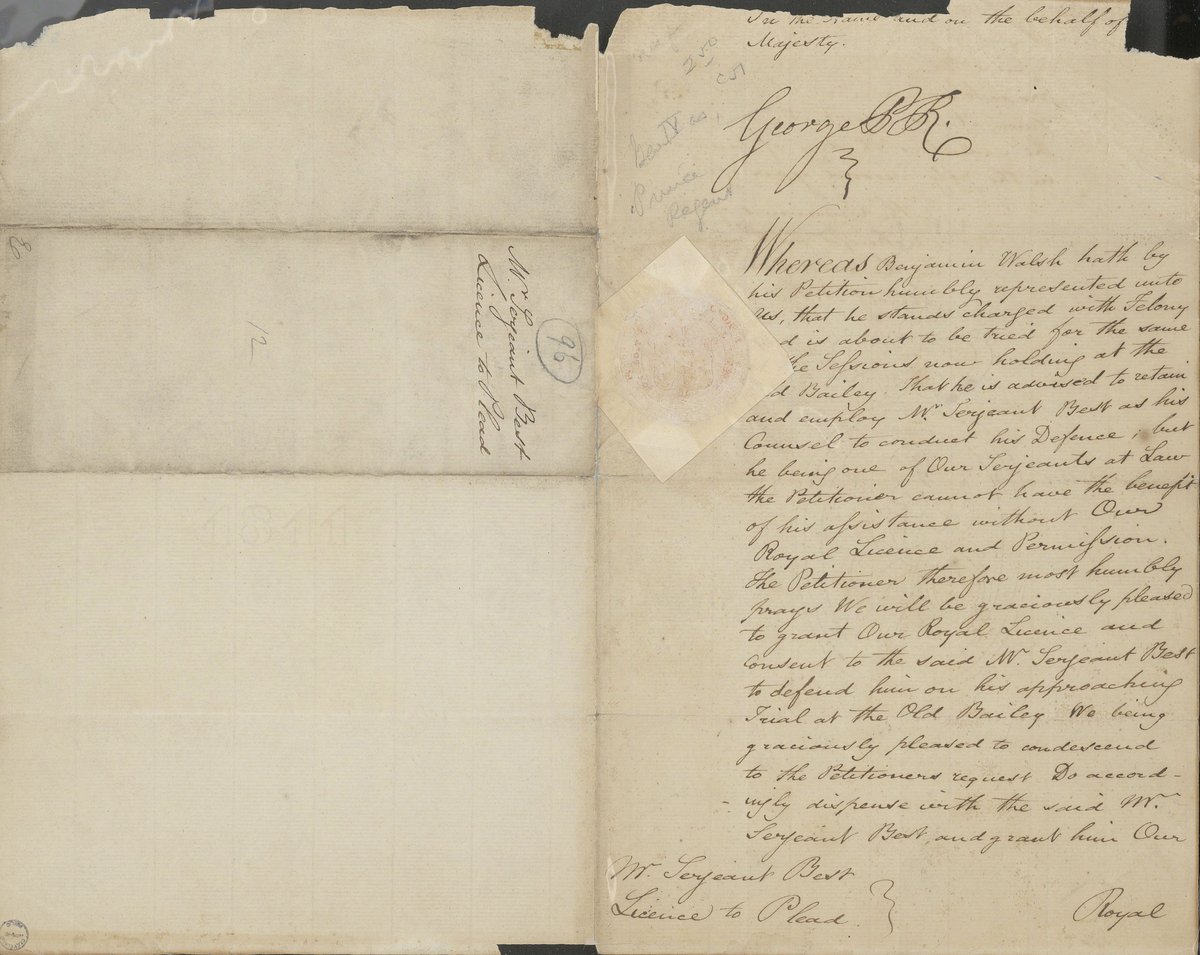
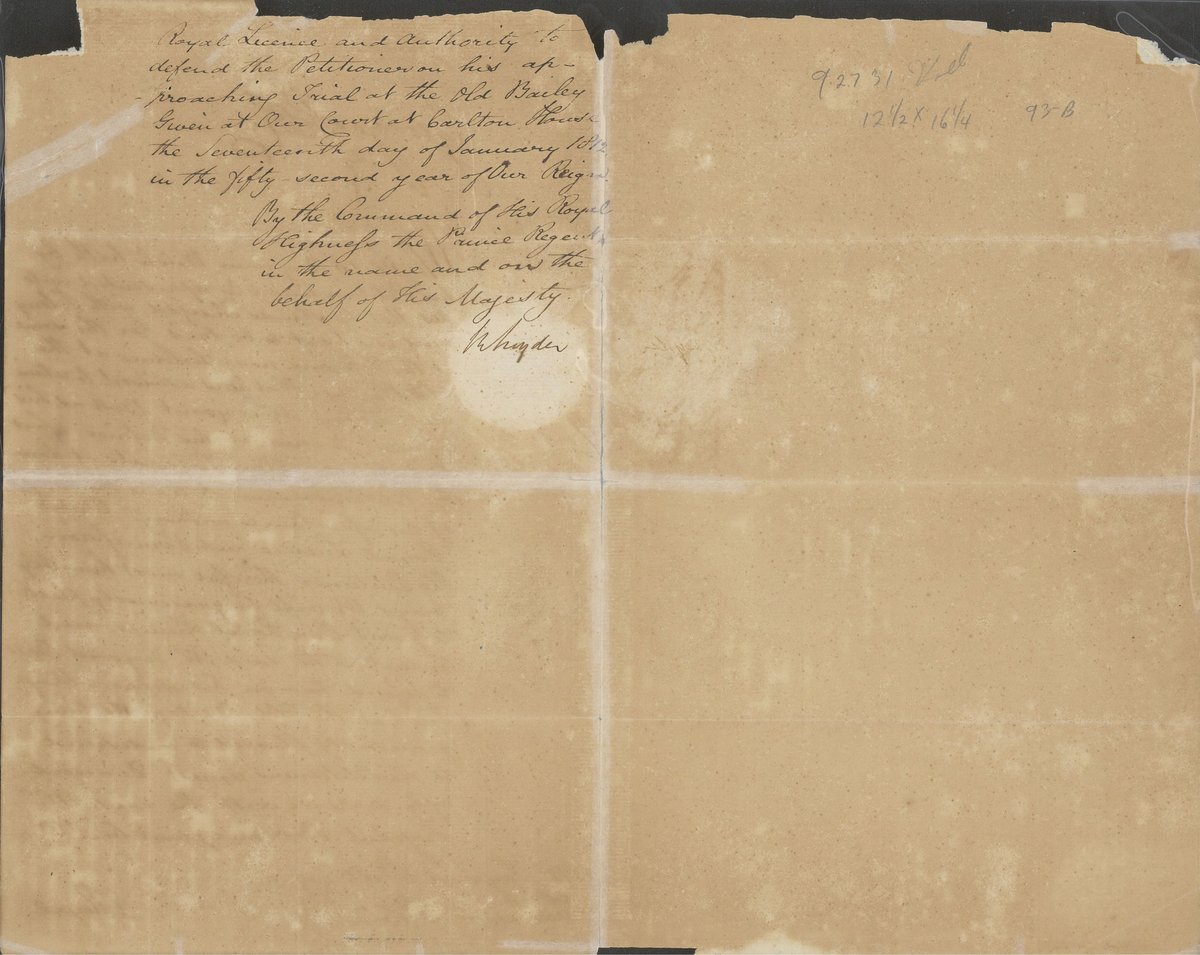
Historical autograph of George IV King of Great Britain from the Autograph Collection featuring signatures and documents related to world-renowned historical figures
A historical portrait of George IV, King of Great Britain from 1762-1830, part of a collection of historical records featuring documents, correspondence, and signatures of renowned historical figures.
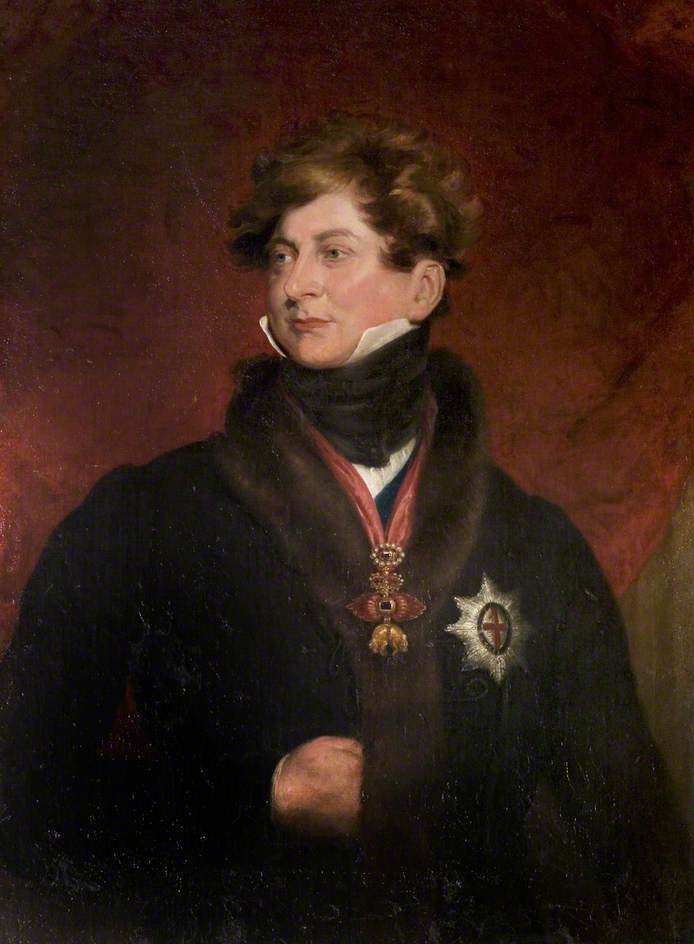
A historic portrait painting of George IV, created by artist Thomas Lawrence, showcasing a regal and detailed depiction of the king.
Discover the George IV Statue in Trafalgar Square: History and Visitor Information
Historical Background
George IV (1762–1830), the eldest son of King George III, served as Prince Regent before ascending to the throne in 1820. His reign was marked by opulence, a passion for the arts, and ambitious urban transformation projects. Working closely with architect John Nash, George IV oversaw the development of iconic London sites such as Regent Street, Regent’s Park, and the modernization of Buckingham Palace. His tastes, though sometimes criticized, left a lasting imprint on the city’s skyline.
The equestrian statue of George IV, crafted by Sir Francis Chantrey, was initially designed for Marble Arch. Financial constraints and changing plans led to its installation on the northeast plinth of Trafalgar Square in 1844. Depicting the king in Roman dress astride a calm horse, the statue reflects the era’s fascination with classical antiquity and the projection of royal authority through art (Historic England).
Artistic and Symbolic Significance
Sir Francis Chantrey’s sculpture stands out for its neoclassical style: George IV is portrayed bareheaded, crowned with a laurel wreath, and dressed in a toga—symbols of wisdom, victory, and imperial dignity. The equestrian motif, popular in European royal iconography, evokes leadership and valor, even though George IV was not a noted military figure. The statue’s artistic choices embody both Regency extravagance and aspirations toward timeless grandeur (Strawberry Tours).
The Statue’s Urban Context in Trafalgar Square
Trafalgar Square, finalized in the 19th century by John Nash and Sir Charles Barry, is a vibrant public space linking major London streets and landmarks. The George IV statue is positioned on the northeast plinth, sharing the square with statues of military leaders and the central Nelson’s Column (PlanetWare). The fourth plinth is reserved for rotating contemporary art, contrasting the square’s permanent monuments and sparking ongoing dialogue about public art and memory (Medium).
Visiting the George IV Statue: Practical Information
Location and Accessibility
- Address: Northeast plinth, Trafalgar Square, City of Westminster, London.
- Nearest Underground Stations: Charing Cross (Northern and Bakerloo lines), Leicester Square (Northern and Piccadilly lines).
- Bus Routes: Multiple lines serve Trafalgar Square for easy citywide access.
- Wheelchair Accessibility: The square features ramps and smooth pavements, though some surfaces may be uneven (ChooseWhere).
Visiting Hours and Entry
- Open Access: Trafalgar Square is a public space, accessible 24/7.
- Tickets: No tickets or entry fees are required to visit the George IV statue or the square.
Best Times to Visit
- For Fewer Crowds: Early mornings or late evenings offer peaceful surroundings and better photography conditions.
- During Events: Trafalgar Square hosts major celebrations and cultural festivals, which can enhance your visit but may also increase crowding.
Amenities and Nearby Attractions
- Restrooms: Available on the west side of the square (10:00 a.m. – 6:00 p.m., 20p charge, contactless payment).
- Cafés and Refreshments: Try the Café on the Square or the crypt café at St Martin-in-the-Fields.
- Nearby Highlights: The National Gallery, Covent Garden, West End theatres, St Martin-in-the-Fields church, Buckingham Palace, and the Houses of Parliament are all within walking distance (ChooseWhere).
Photography and Visitor Etiquette
- Photography: Permitted throughout the square. The best angles are from the National Gallery side with fountains and Nelson’s Column in the background.
- Rules: Climbing plinths or feeding pigeons is prohibited to preserve the site (Strawberry Tours).
Safety and Accessibility
- General Safety: Trafalgar Square is considered safe, but visitors should remain vigilant, especially during crowded events.
- Wheelchair Access: Ramps and step-free routes are provided; some areas may be restricted during events (London.gov.uk).
George IV’s Artistic Legacy and Related Sites
Architectural Innovation and Urban Transformation
George IV’s reign coincided with a transformation of London’s urban landscape, led by architect John Nash:
- Regent Street: Designed as a grand thoroughfare, setting new urban planning standards (pagesofhistory.org).
- Regent’s Park: Integrated elegant townhouses and green spaces for urban living.
- Royal Pavilion, Brighton: An eclectic palace reflecting George IV’s fascination with exotic styles.
Artistic Patronage and Influence
George IV supported leading artists such as Sir Thomas Lawrence and Benjamin West. Landscape painting flourished with figures like John Constable and J.M.W. Turner. His royal collection, now part of the Royal Collection, is a testament to his eclectic and discerning tastes (pagesofhistory.org).
The King’s Cross Statue: Symbolism and Reception
King’s Cross was named after a now-lost statue of George IV, unveiled in 1835 and removed in 1842 after public ridicule. Its short-lived presence highlights the complexities of George IV’s posthumous reputation (londonremembers.com).
Visitor Information: Planning Your Visit to Legacy Sites
- Regent Street & Regent’s Park: Open year-round; accessible by public transport; walking tours available.
- Royal Pavilion, Brighton: Open daily; tickets around £15 for adults; advance booking recommended; partially accessible; accessible via train from London Victoria.
- King’s Cross: The area is accessible via King’s Cross/St Pancras stations; guided tours cover the neighborhood’s history.
Events and Contemporary Cultural Context
Trafalgar Square is a site of continuous activity, hosting street performers, musicians, political demonstrations, and annual events such as New Year’s Eve and the Christmas tree lighting. The square is a focal point for debates about public memory and representation, with the Fourth Plinth dedicated to rotating contemporary art that sparks ongoing dialogue about Britain’s history and identity (English Heritage).
Essential Tips for a Memorable Visit
- Arrive early or late for fewer crowds and better photos.
- Use public transport for convenience; parking is limited and expensive.
- Check event calendars for possible access restrictions.
- Take advantage of nearby attractions such as the National Gallery and St Martin-in-the-Fields.
- Bring a camera; the statue and square offer superb photo opportunities.
- Stay aware of personal belongings during busy events.
Frequently Asked Questions (FAQ)
Q: Are there tickets required to visit the George IV statue?
A: No. The statue is publicly accessible at all times.
Q: What are the best visiting hours?
A: Early morning or late evening for a quieter experience.
Q: Is the statue wheelchair accessible?
A: Yes, with step-free access and ramps throughout the square.
Q: Can I take photographs?
A: Yes. Photography is encouraged, but climbing on monuments is not allowed.
Q: Are guided tours available?
A: Yes. Several walking tours include Trafalgar Square and its monuments.
Visuals and Media
 Alt text: Equestrian statue of George IV in Trafalgar Square, London.
Explore Trafalgar Square with this virtual map
Visitor Experience
The George IV statue often plays a supporting role to Nelson’s Column and the dynamic Fourth Plinth, but it remains a significant marker of London’s Regency era. Its presence invites reflection on the city’s artistic and architectural evolution, the legacy of monarchy, and the ongoing dialogue between tradition and modernity in public spaces.
Listen to the full story in the app
Your Personal Curator, in Your Pocket.
Audio guides for 1,100+ cities across 96 countries. History, stories, and local insight — offline ready.
Audiala App
Available on iOS & Android
Join 50k+ Curators
Sources
- verified
- verified
- verified
- verified
- verified
- verified
- verified
- verified
Last reviewed: