Introduction
Exploring the legacy of King George III through London’s historic sites offers a fascinating journey into a transformative era of British history. As the first British-born monarch of the House of Hanover, George III reigned from 1760 to 1820—a period marked by the American Revolutionary War, the formation of the United Kingdom, and the dawn of the Industrial Revolution. Today, London preserves this royal heritage through iconic landmarks such as Buckingham Palace, Kew Palace, Windsor Castle, and the King’s Observatory. Each site reflects unique facets of George III’s personal life, his patronage of the arts and sciences, and the political challenges he faced.
This guide provides detailed visitor information, including opening hours, ticket prices, accessibility tips, and travel advice. Whether you’re marveling at the neoclassical architecture of Buckingham Palace, strolling through the serene gardens at Kew, or viewing the statue of George III at the Guildhall, you’ll gain a richer understanding of the monarch’s complex legacy—including his contributions to culture, science, and public works, as well as his well-documented mental health struggles.
Additionally, the guide highlights nearby attractions, such as the Royal Academy of Arts and St James’s Palace, and offers practical advice for planning your itinerary. For an enhanced experience, consider using resources such as the Audiala app, interactive maps, and guided tours. Immerse yourself in the world of George III and discover the enduring impact of his reign on London’s landscape. (Royal Collection Trust, Historic Royal Palaces, Britannica)
Photo Gallery
Explore George Iii of Great Britain in Pictures
A historic view of Elizabeth Castle located in Jersey, showcasing the stone fortress under cloudy skies
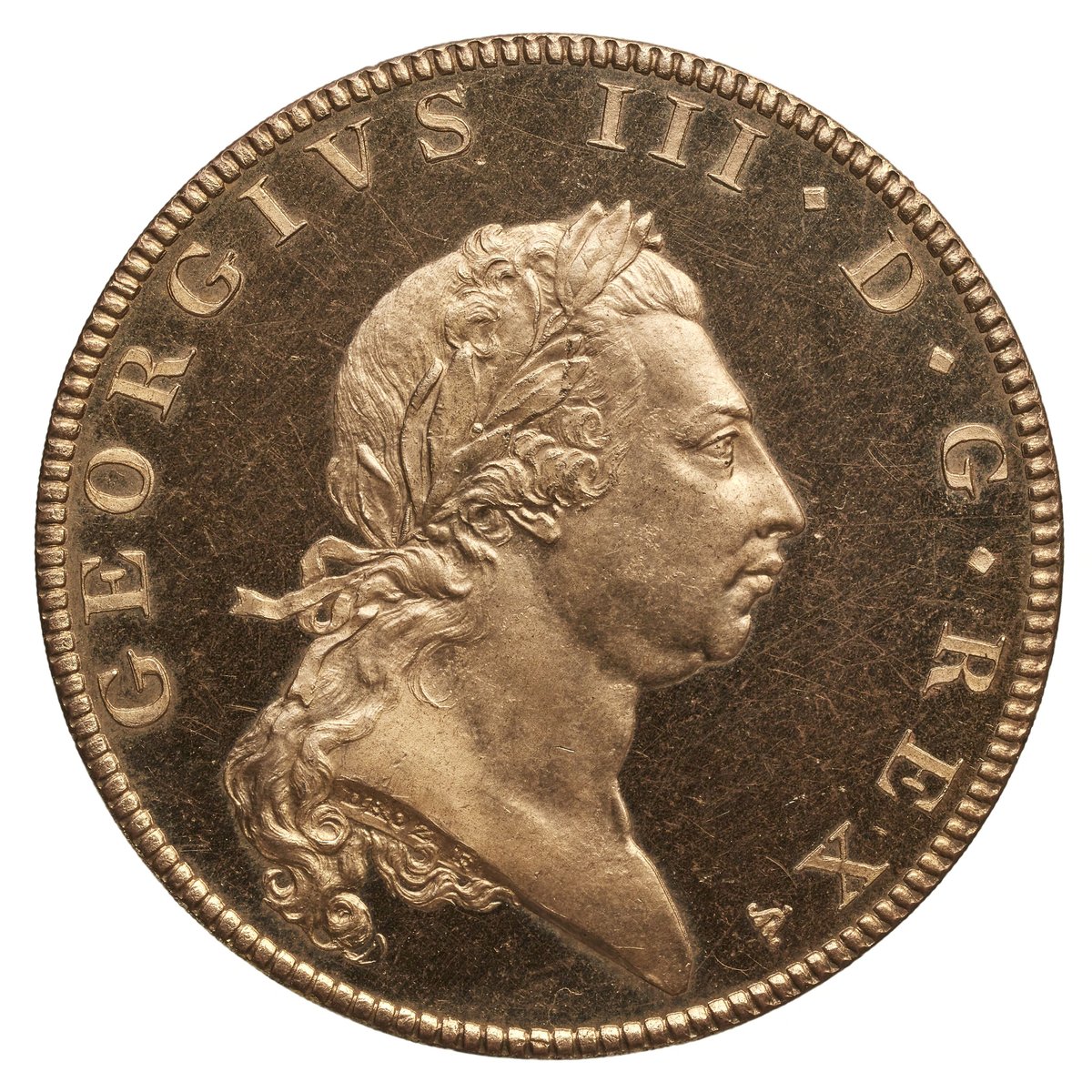
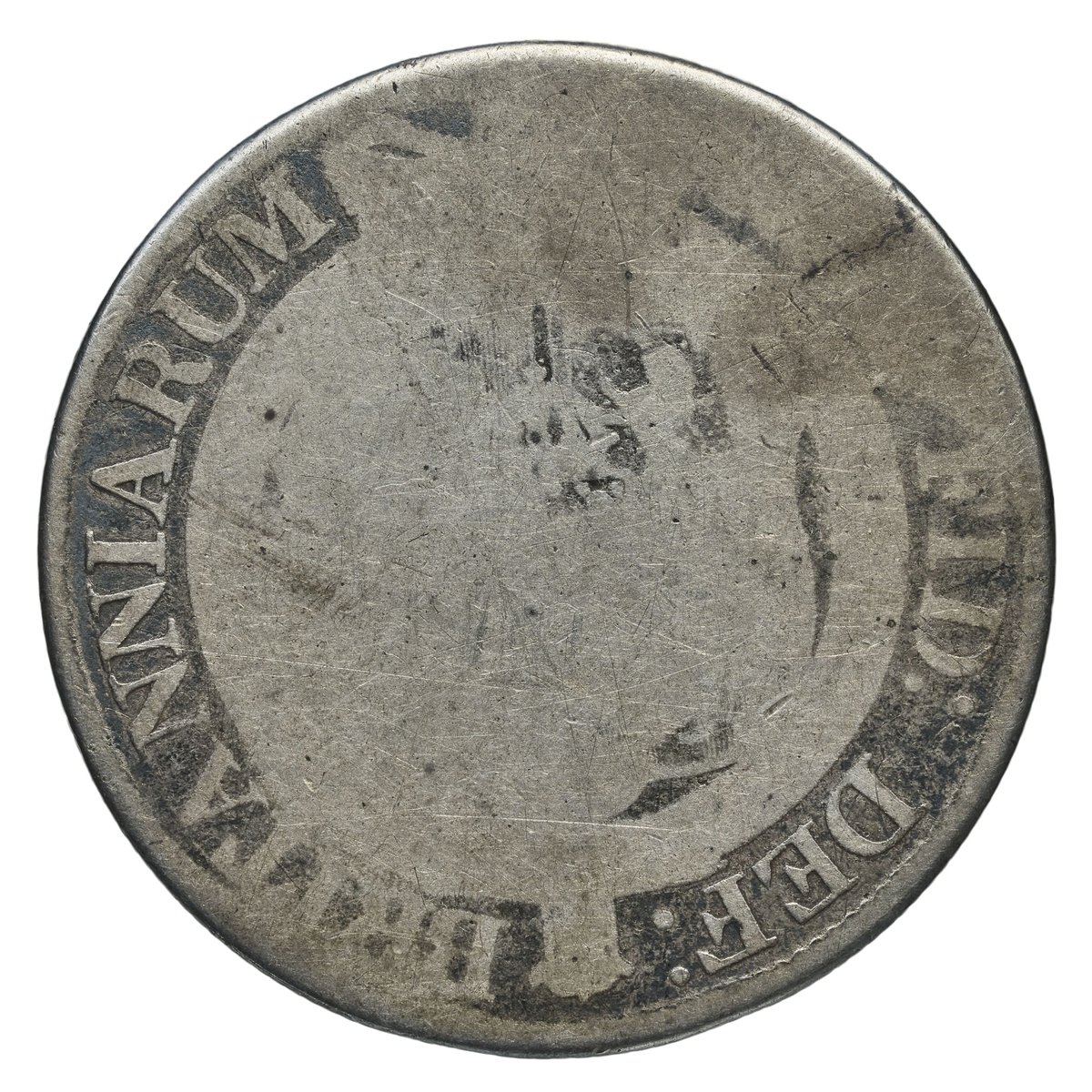
High-resolution image of a British Penny coin dated 1790 featuring King George III, from Great Britain, with Latin inscriptions. Part of the MonnAng documentary collection.
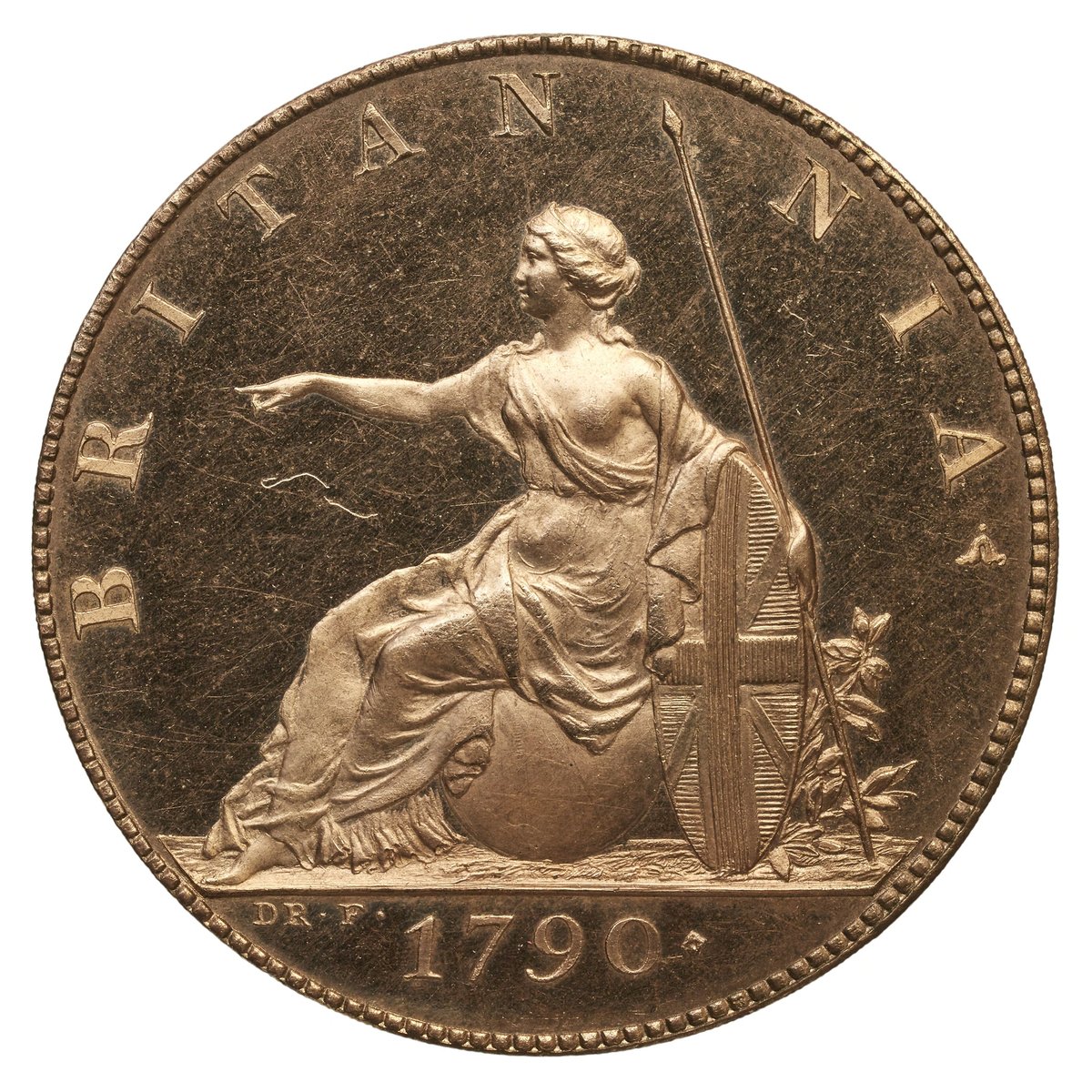
Detailed image of a 1790 British penny coin from Great Britain showcasing King George III, annotated in Latin, part of the MonnAng documentary collection.
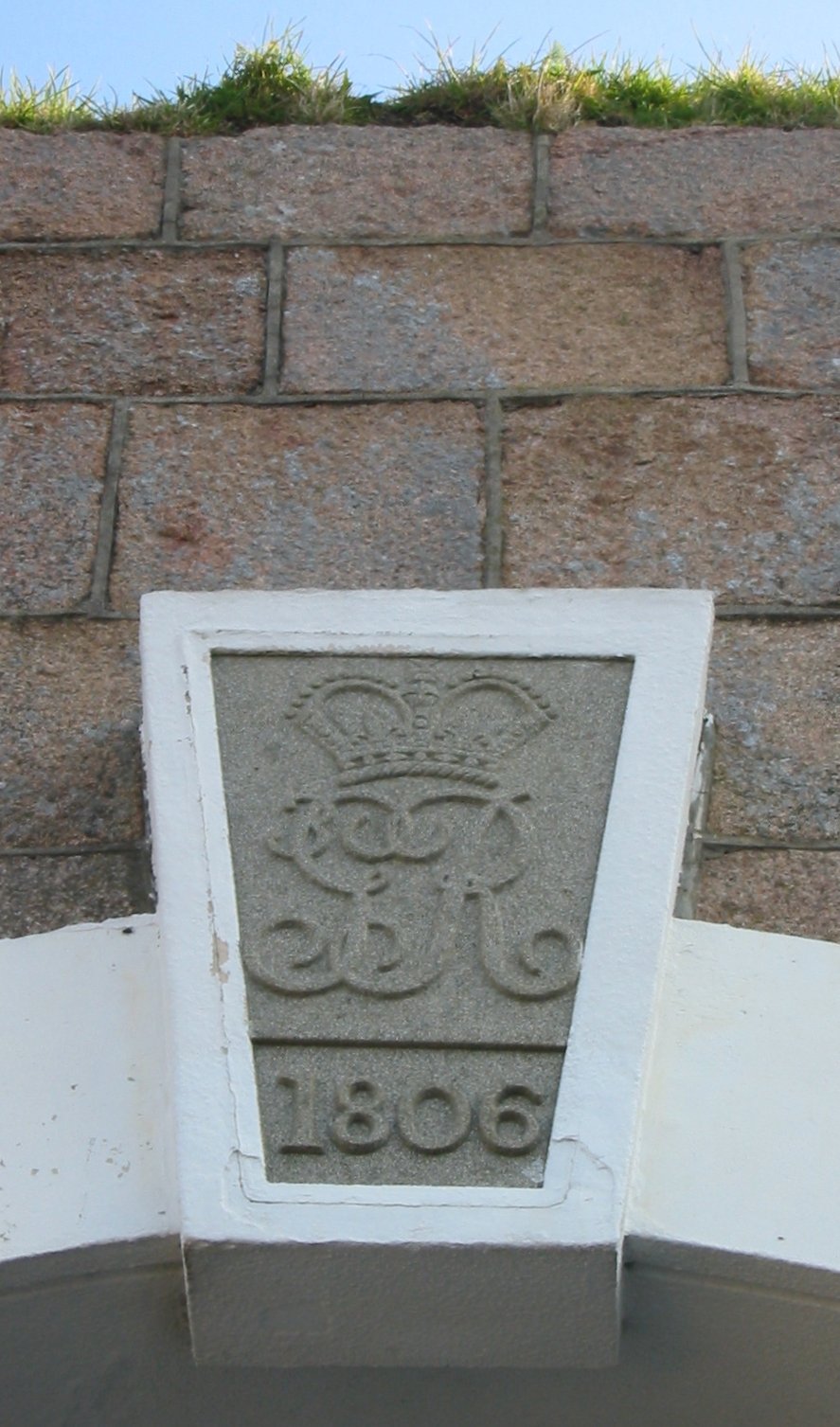
Historical illustration of Fort Régent located in Saint Hélyi, Jersey, dating back to 1806 during the era of King George III.
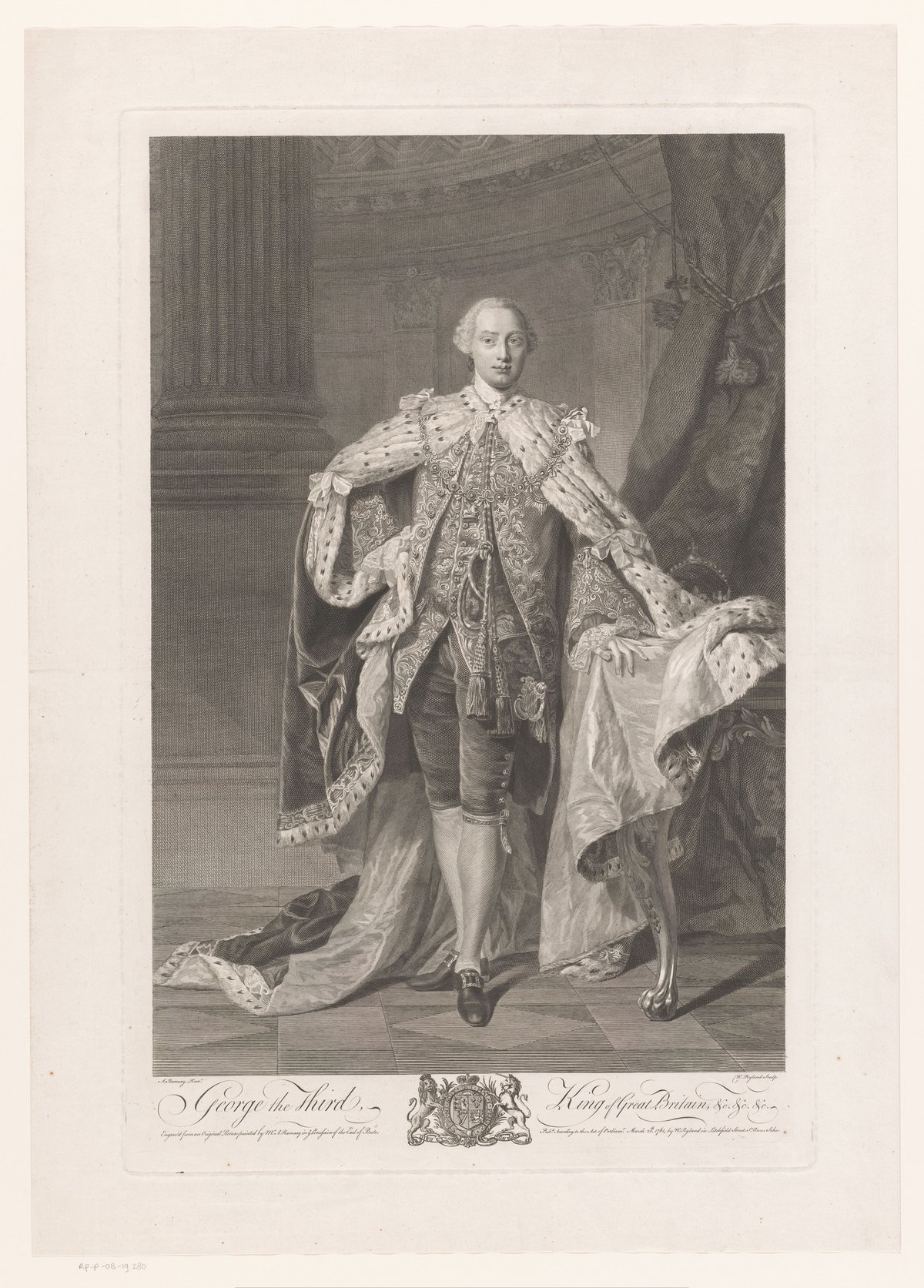
Historical etching portrait of King George III of the United Kingdom, crafted by printmaker William Wynne Ryland after the painting by Allan Ramsay. Created in London, March 1761. Showcases historical figure in detailed paper etching.
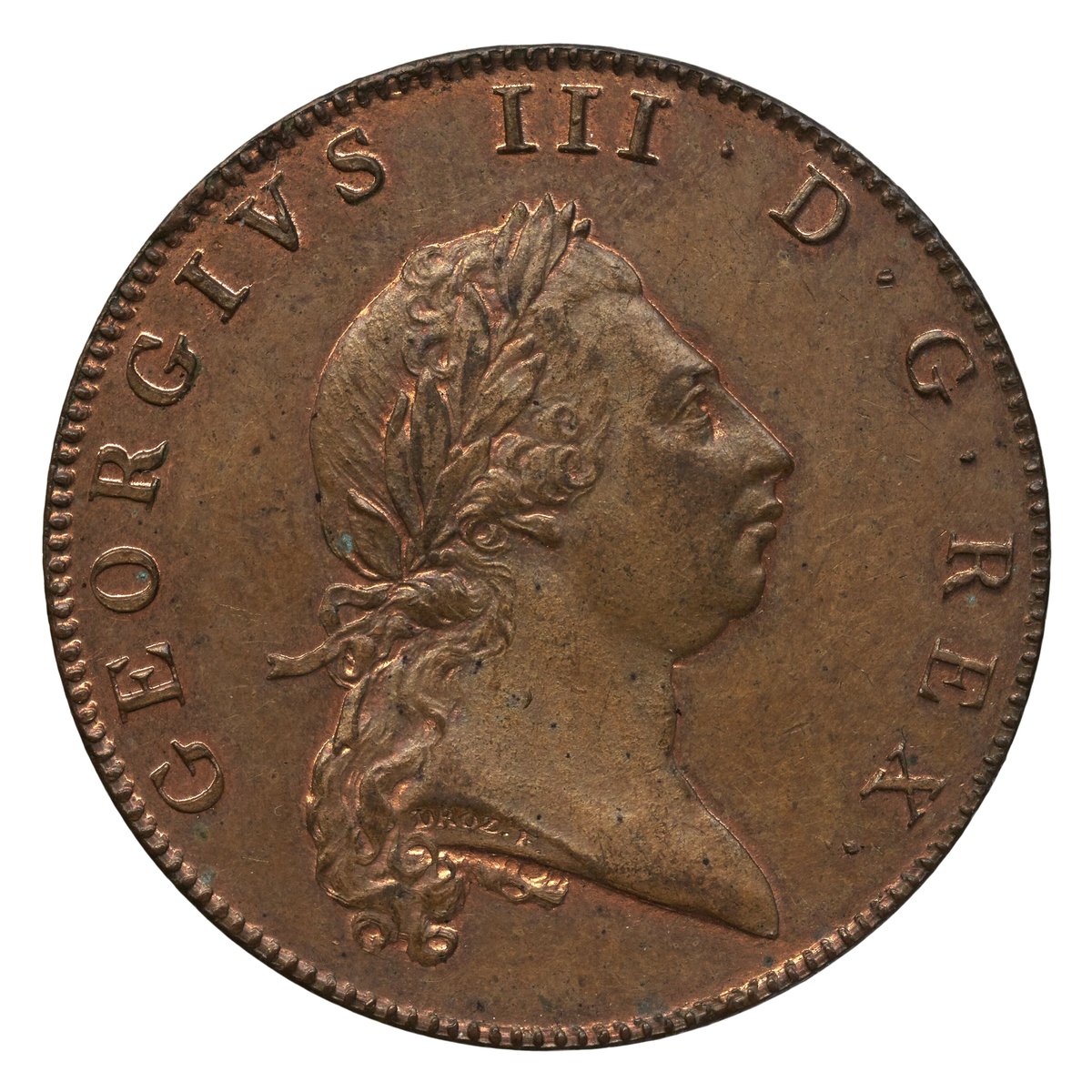
Close-up image of a 1793 George III 1 penny coin from Bermuda, historical currency showing detailed design and inscriptions.
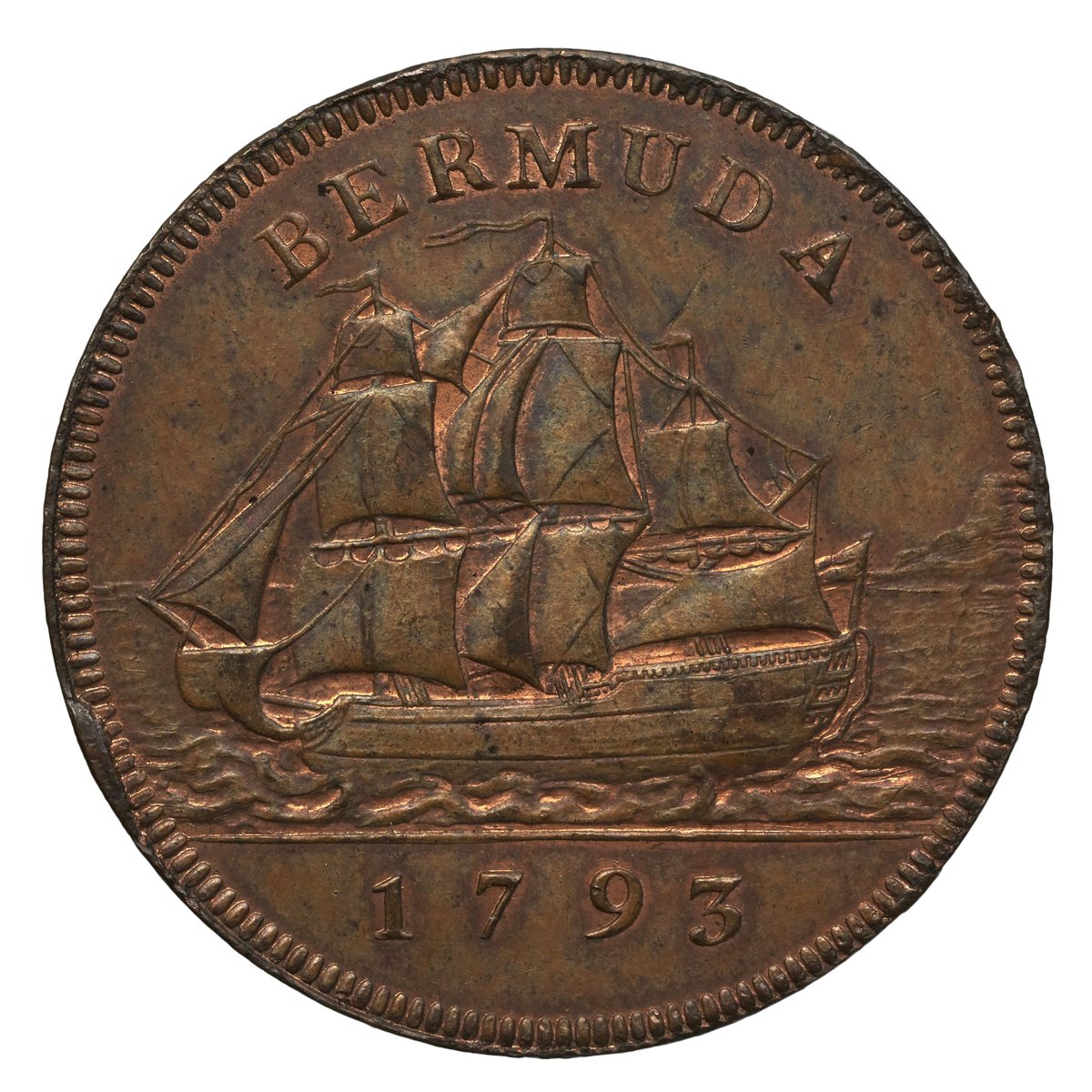
Image of a 1793 George III one penny coin from Bermuda, part of the MonnAm documentary collection.
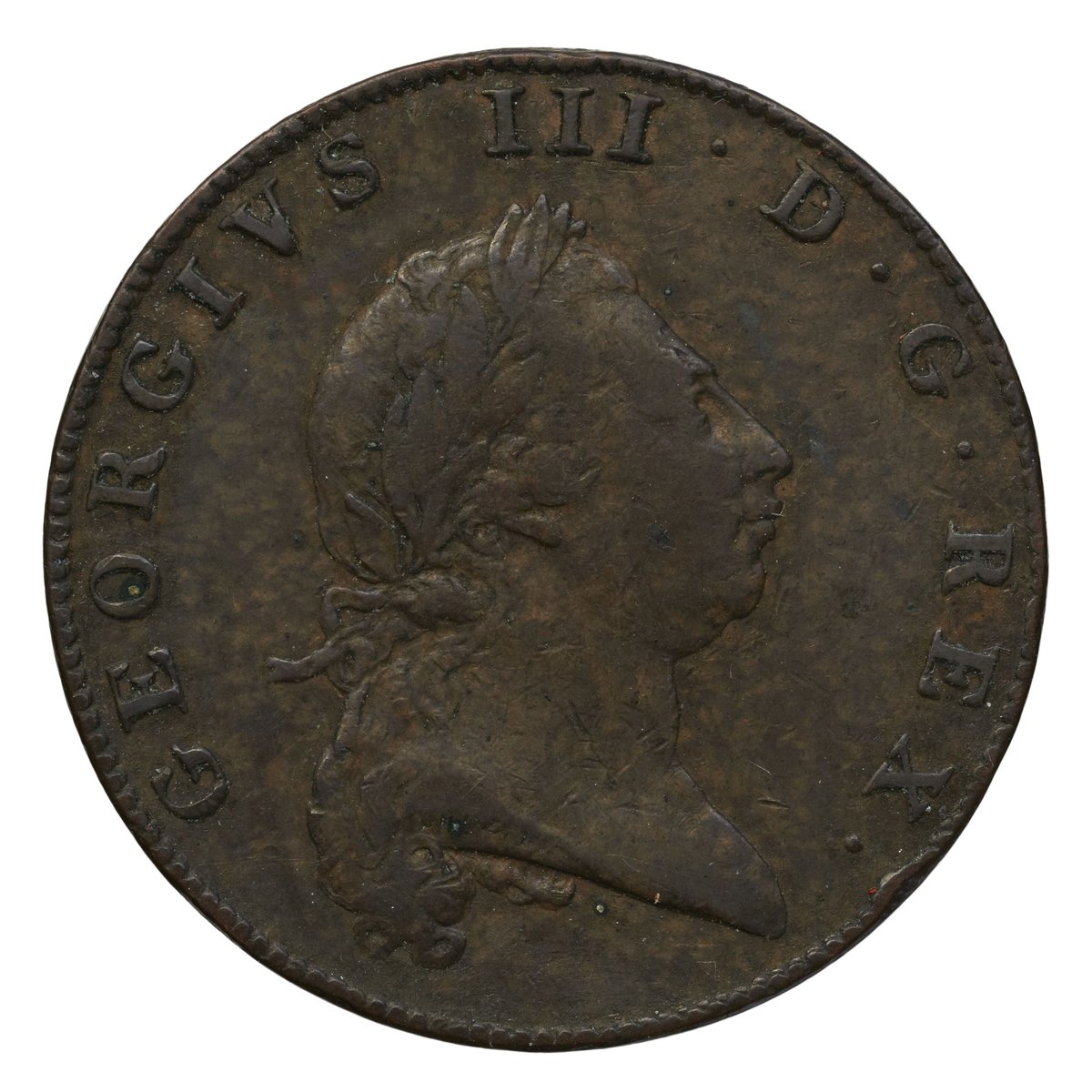
Close-up image of a 1793 Bermuda George III 1 Penny coin from the MonnAm collection
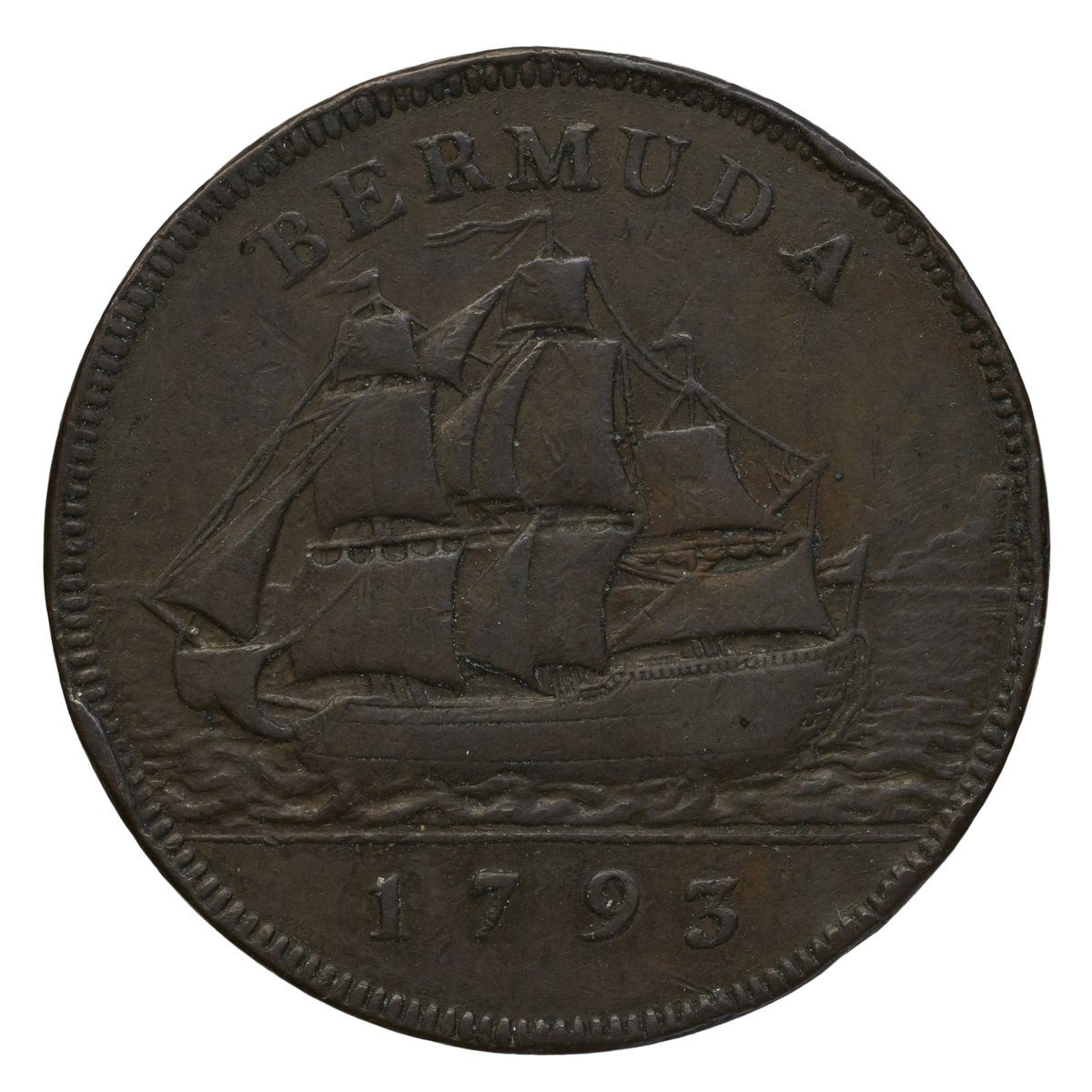
Close-up image of a 1793 George III Bermuda 1 Penny coin showcasing its historical details and design.
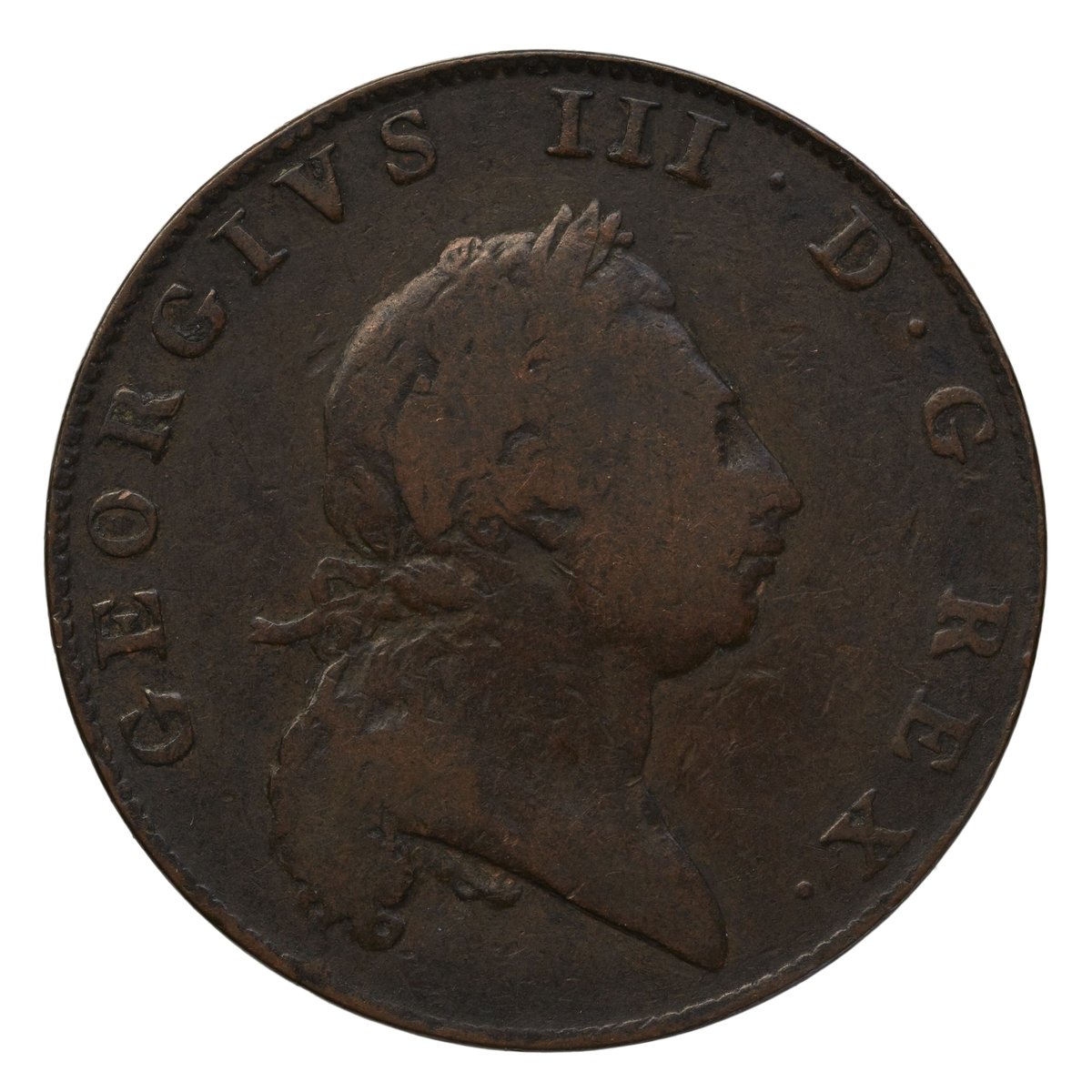
Close-up image of a 1793 Bermuda George III 1 Penny coin showcasing the historical currency from the late 18th century.
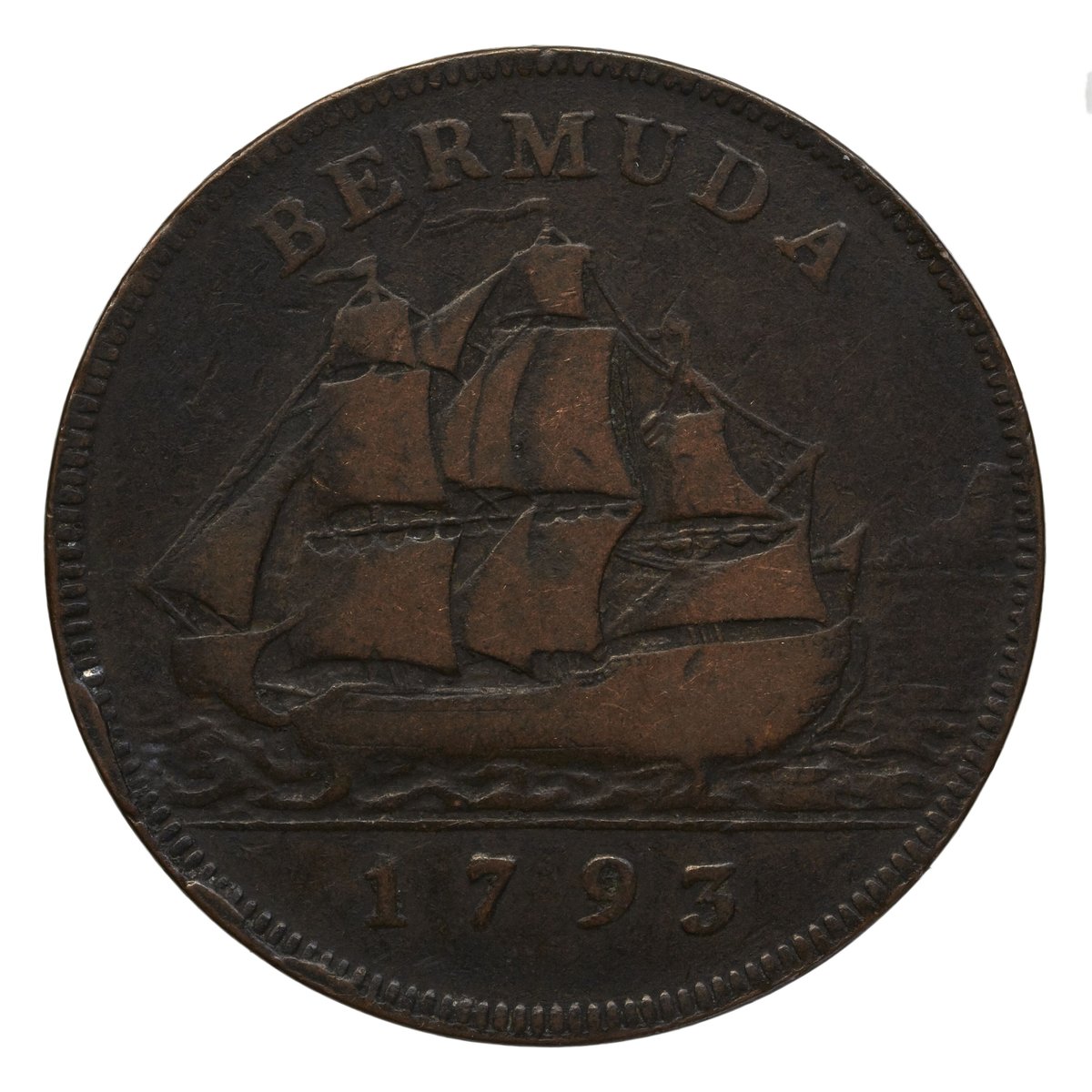
Close-up image of a 1793 George III one penny coin from Bermuda, detailed and historical artefact
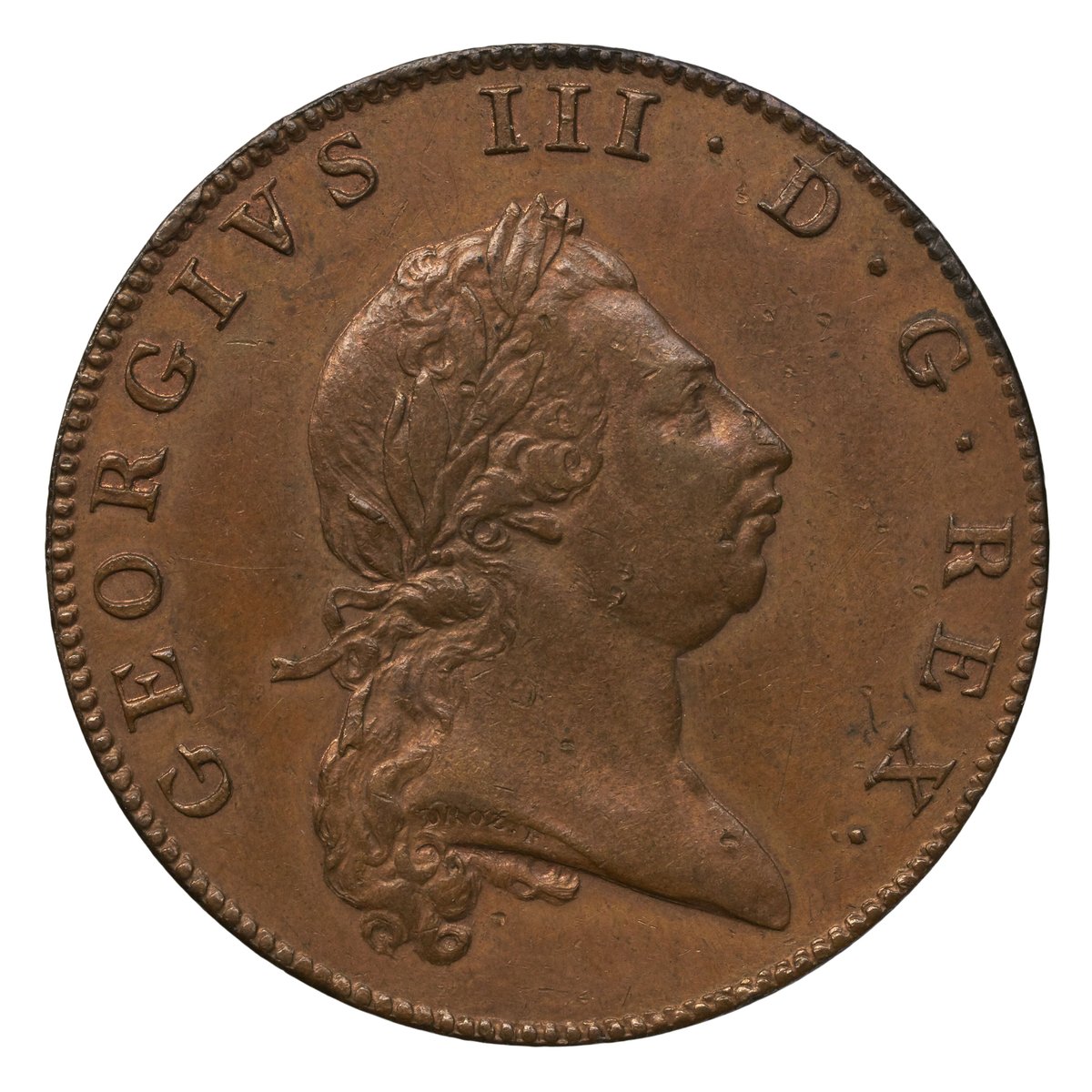
Close-up image of a 1793 Bermuda George III 1 Penny coin, part of the MonnAm documentary collection.
George III: Early Life and Accession
George III was born on June 4, 1738, at Norfolk House in St James’s Square, London. Unlike his predecessors, he was the first Hanoverian monarch born and educated in Britain and spoke English as his first language. He ascended the throne in 1760 at age 22, following the death of his grandfather, George II, and was crowned at Westminster Abbey. His reign became the longest of any British king at that time, lasting nearly 60 years. (Britannica)
Key Historical Events of George III’s Reign
The American Revolutionary War
George III’s reign is inextricably linked with the American Revolutionary War (1775–1783). His government’s imposition of taxes and regulations on the American colonies led to unrest and eventual revolution. Despite his resolve to maintain British sovereignty, the entry of France and other European powers into the conflict resulted in Britain recognizing American independence in 1783. This loss forced Britain to reconsider its approach to colonial governance, influencing military and administrative reforms. (Have Fun With History, Britannica)
The Formation of the United Kingdom
The Act of Union in 1801 merged Great Britain and Ireland, making George III the first monarch of the United Kingdom of Great Britain and Ireland. This political realignment paved the way for further expansion and centralization of royal authority.
The Industrial Revolution and Empire Expansion
George III’s reign witnessed the rise of the Industrial Revolution, transforming British society through technological innovation and urbanization. The British Empire expanded significantly during this era, particularly in India, the Caribbean, and Africa, establishing Britain as a dominant global power. (British History Hub)
Must-Visit George III Sites in London
Buckingham Palace
Overview:
Originally Buckingham House, it was acquired by George III in 1761 as a private residence for Queen Charlotte. The house was expanded and remodeled, laying the groundwork for its later transformation into the monarch’s official London residence. (Royal Collection Trust)
Visiting Hours:
The State Rooms are open to the public from July to September, 9:30 AM to 7:30 PM.
Tickets:
Adult tickets start at £30. Discounts available for seniors, children, and families. Advance booking is recommended.
Accessibility:
Fully accessible with ramps and elevators.
Highlights:
- Changing of the Guard (free, outside the palace)
- The Queen’s Gallery (art exhibitions from the Royal Collection)
- The Royal Mews (historic carriages and stables)
Kew Palace
Overview:
Located within the Royal Botanic Gardens, Kew Palace was a favored retreat for George III and his family. The palace is renowned for its intimate scale and the insight it provides into royal domestic life during the Georgian era. (Historic Royal Palaces)
Visiting Hours:
Open seasonally, typically from spring through autumn, 10 AM to 5:30 PM. Check the official website for current hours.
Tickets:
Admission to Kew Palace is included with Kew Gardens entry (from £15–£20).
Accessibility:
The ground floor is wheelchair accessible; upper floors are not.
Highlights:
- George III’s Apartments and Royal Kitchens
- Queen Charlotte’s Cottage
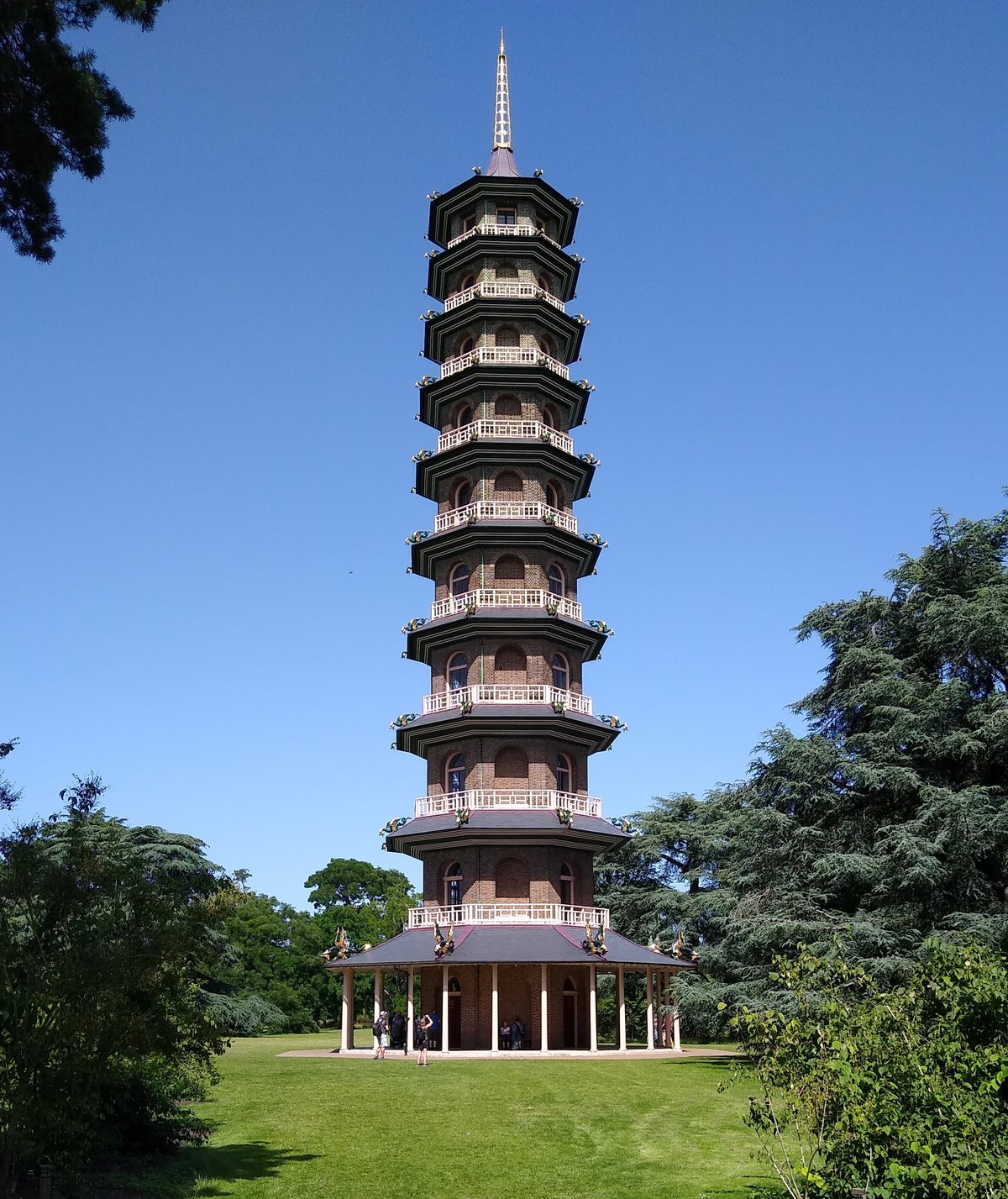
- The Great Pagoda
Windsor Castle
Overview:
Although located outside London in Windsor, this castle was the primary royal residence during the latter part of George III’s life. He spent his final years here.
Visiting Hours:
10 AM to 5:15 PM (last admission 4 PM).
Tickets:
Adult tickets from £27.
Accessibility:
Accessible with adapted tours. (Royal Collection Trust)
King’s Observatory, Richmond
Overview:
Commissioned by George III in 1769 for astronomical observations, this site reflects his passion for science and innovation. Public access is limited; check for special events and tours.
Guildhall Statue of George III
Overview:
A prominent statue of George III stands in the Guildhall’s Common Council Room, surrounded by historic architecture. The Guildhall is an important civic building in the City of London and provides a unique venue for viewing royal memorials. (Victorian London)
Visiting Hours:
Monday to Friday, 9:00 AM to 5:00 PM; check for special events or exhibitions.
Tickets:
Entry is generally free; some exhibitions may require tickets.
Accessibility:
Wheelchair accessible.
Guided Tours:
Available through the City of London’s visitor services.
Visitor Information and Travel Tips
- Best Time to Visit: Late spring through early autumn for full access and pleasant weather.
- Transport: London Underground and buses provide easy access to most sites. For Buckingham Palace, use Green Park Station; for Kew Palace, use Kew Gardens Station.
- Photography: Not permitted inside palace interiors; allowed in gardens and exteriors.
- Guided Tours: Offered at most major sites; book in advance for specialist tours.
Nearby Royal Attractions
- Royal Academy of Arts: Founded by George III in 1768, home to major art exhibitions (Royal Academy of Arts).
- St James’s Palace: Historic royal residence, not generally open to the public but viewable from the exterior (Love and London).
- Westminster Abbey: Coronation site of George III and other monarchs (Away to the City).
- The British Museum: Expanded during George III’s reign, featuring the Enlightenment Gallery (Secret London).
George III’s Patronage: Arts, Science & Public Works
George III was a notable patron of the arts and sciences, founding the Royal Academy of Arts and supporting the Royal Society. His interest in agriculture and innovation—earning him the nickname “Farmer George”—helped transform Kew Gardens into a leading center for botanical research. He was also instrumental in the passage of the Slave Trade Act of 1807, which abolished the transatlantic slave trade in the British Empire. (Have Fun With History, British History Hub)
George III’s Mental Health and the Regency Era
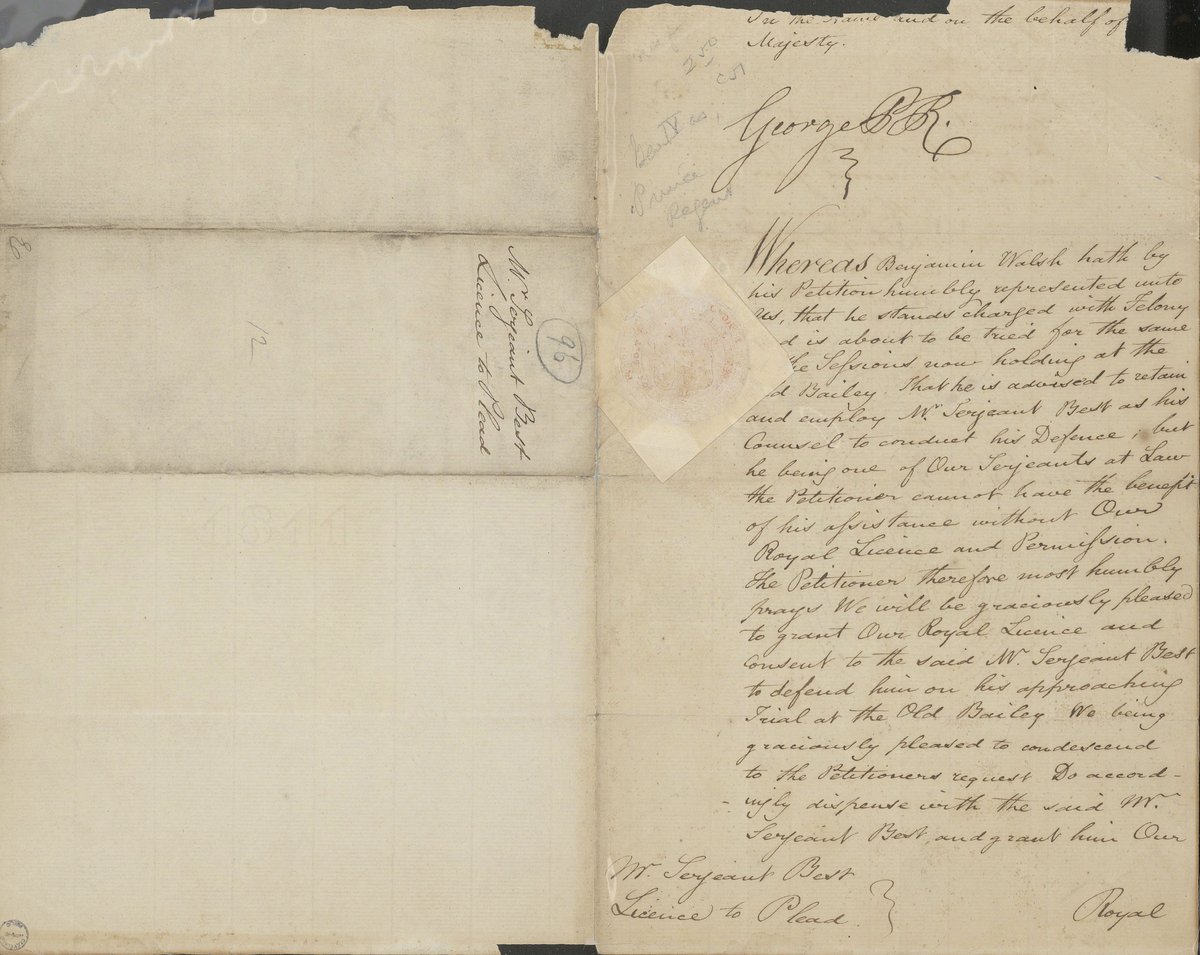
Later in life, George III suffered from recurring mental illness, leading to the Regency Act of 1811, under which his son, the future George IV, acted as regent. Despite his health challenges, George III remained a symbol of national stability during the Napoleonic Wars and the Regency Era. (Britannica)
Frequently Asked Questions (FAQs)
Q: What are the visiting hours for Buckingham Palace?
A: The State Rooms are open to the public from July to September, usually 9:30 AM to 7:30 PM. Check the official website for up-to-date hours.
Q: Are tickets required for Kew Palace?
A: Yes, access to Kew Palace is included with a Kew Gardens ticket. Advance online booking is recommended (Historic Royal Palaces).
Q: Is the Guildhall statue of George III open to the public?
A: Yes, the Guildhall is open on weekdays, with free entry. Some exhibitions may require tickets (Victorian London).
Q: Can I visit the interiors of St James’s Palace?
A: No, St James’s Palace is not generally open to the public, but its exterior can be viewed from Marlborough Road and Pall Mall.
Q: Are guided tours available at these sites?
A: Yes, guided and specialist tours are offered at most major sites, including Buckingham Palace, Windsor Castle, and Kew Gardens.
Listen to the full story in the app
Your Personal Curator, in Your Pocket.
Audio guides for 1,100+ cities across 96 countries. History, stories, and local insight — offline ready.
Audiala App
Available on iOS & Android
Join 50k+ Curators
Sources
- verified
- verified
- verified
- verified
- verified
- verified
- verified
- verified
- verified
- verified
- verified
- verified
- verified
- verified
Last reviewed: