Introduction
The Florence Nightingale Museum, located in the historic grounds of St Thomas’ Hospital on London’s South Bank, pays tribute to Florence Nightingale, the founder of modern nursing and a revolutionary figure in healthcare and statistics. Known globally as "The Lady with the Lamp" for her compassionate work during the Crimean War, Nightingale’s influence shaped nursing education, hospital design, and public health reforms that endure to this day.
This detailed guide covers everything you need to plan your visit: opening hours, ticketing, accessibility, exhibit highlights, travel tips, and connections to other London historical sites. Whether you're a healthcare professional, history enthusiast, family, or traveler, the Florence Nightingale Museum provides a rich, immersive experience honoring a remarkable legacy.
For the latest information, visit the Florence Nightingale Museum official website.
Photo Gallery
Explore Florence Nightingale Museum in Pictures
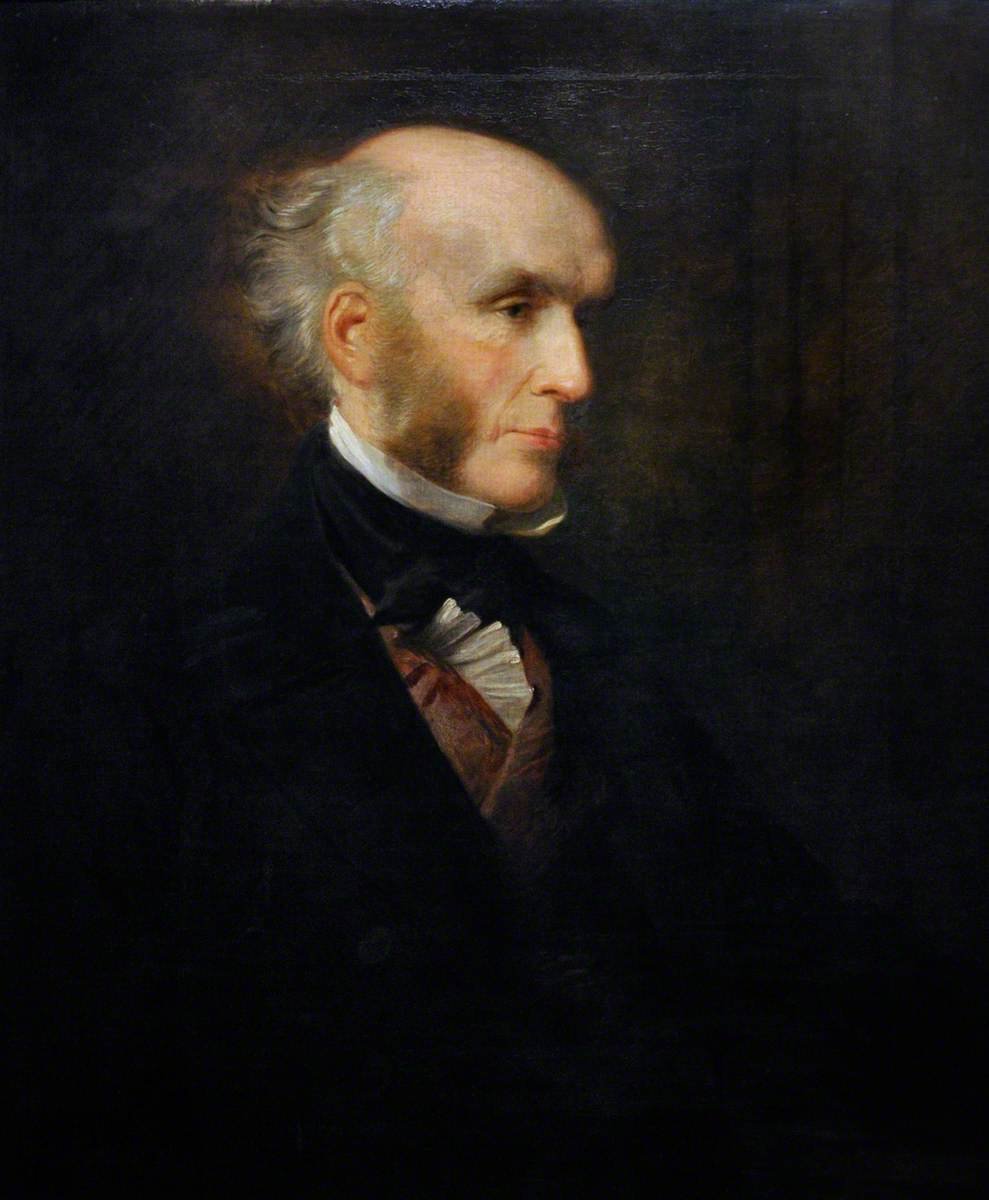
Historical 19th-century portrait painting of The Right Honourable Sir Harry Verney of Steeple Claydon, a British baronet, Member of Parliament, Deputy Lieutenant, and Captain in the First Grenadier Guards, painted by Frederick Richard Say.
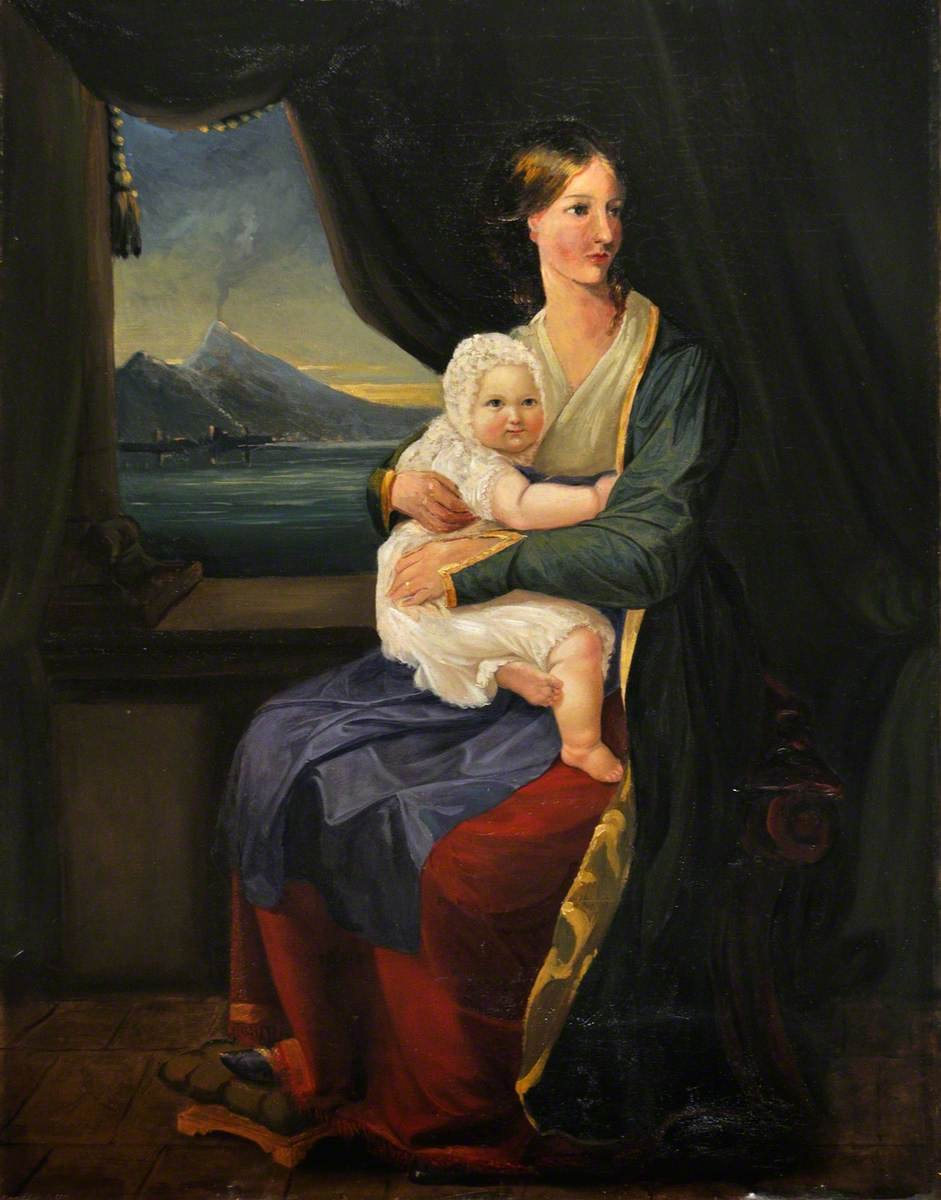
An 18th-century portrait by an unknown artist depicting Mrs W. E. Nightingale with her elder daughter Parthenope, painted in Naples, highlighting historical family portraiture.
Museum Location and Setting
The Florence Nightingale Museum sits within St Thomas’ Hospital, directly across the River Thames from the Houses of Parliament. This meaningful location marks the site of Nightingale’s pioneering nurse training school, established in 1860, and places the museum at the heart of London’s vibrant South Bank.
Address:
2 Lambeth Palace Road, London SE1 7EW, United Kingdom
Getting There:
- Nearest Underground Stations: Westminster (Jubilee, District, Circle lines) and Waterloo (Northern, Jubilee, Bakerloo, Waterloo & City lines) – both within a 10-minute walk.
- Bus Routes: Several lines, including 3, 77, and 211, stop nearby.
- Parking: Limited street parking is available; public transport is strongly recommended.
Historical Significance and Nightingale’s Legacy
Florence Nightingale (1820–1910) transformed the field of nursing and set new standards for hospital care, education, and public health. Her experience in the Crimean War demonstrated how sanitation, data-driven practices, and professional training could dramatically reduce mortality rates. Nightingale’s statistical innovations, including her pioneering coxcomb charts, highlighted preventable causes of death and influenced hospital design and policy worldwide (RCN Magazine).
The museum contextualizes Nightingale’s achievements, exploring her upbringing, her break from societal norms, her foundational work at St Thomas’, and her enduring global impact. Broader narratives include the professionalization of nursing and the continued relevance of her principles during modern health crises (Slow Travel UK; The Past).
Key Exhibits and Thematic Galleries
The museum’s thoughtfully curated exhibits span three main zones, each presenting a different phase of Nightingale’s life and work (Slow Travel UK; The Past):
1. Early Life and Education
- Artifacts from Nightingale’s privileged upbringing: books, coins, shells, and her childhood writing slate.
- Interpretive panels on Victorian expectations and barriers faced by women.
2. The Crimean War
- Immersive galleries with Istanbul-inspired tiles and field hospital displays.
- Nightingale’s original Turkish lantern (fanoos), nurse uniform, medicine chest, and dispatch case.
- Letters, battlefield illustrations, and evidence of her reforms that dropped hospital mortality rates.
3. Legacy and Global Influence
- Items from her later years: black dress, gold cross pendant, preserved pet owl Athena, a rare phonograph recording of her voice, and personal correspondence.
- Her certificate as the first female fellow of the Royal Statistical Society and examples of her statistical diagrams.
- The bicentenary exhibition, featuring a £10 note with her image, commemorative Barbie, Japanese manga, and a recipe from Queen Victoria’s chef.
Additional Highlights
- Recognition of other nursing pioneers, such as Edith Cavell and Mary Seacole.
- Interactive zones: audio tours via stethoscopes, hands-on activities for children, recreated hospital wards, and sensory displays with period scents.
Visiting Hours and Ticket Information
-
Opening Hours:
Wednesday to Sunday, 10:00 AM – 5:00 PM (last admission 4:30 PM). Closed Mondays and public holidays. Opening times may vary—check the official website for updates. -
Ticket Prices (2025):
- Adults: £12
- Children (5–16 years): £6
- Students & Seniors: £9
- Family ticket (2 adults + 2 children): £30
- Children under 5: Free
-
Booking:
Purchase tickets online in advance (official ticketing page) or at the entrance (subject to availability). Group discounts and guided tours are available by arrangement.
Accessibility and Visitor Amenities
The museum is committed to accessibility:
- Step-free entry, lifts, and ramps.
- Accessible toilets and seating areas.
- Audio guides, tactile exhibits, and large-print materials.
- Trained staff available to assist visitors with special requirements.
- Assistance dogs are welcome.
For further details, see the museum’s accessibility page.
Travel Tips and Nearby Attractions
Plan your journey:
- Allow extra time for hospital security checks at the entrance.
- Wear comfortable shoes; the South Bank is ideal for walking.
Nearby London Historical Sites:
- Houses of Parliament
- Westminster Abbey
- The London Eye
- Southbank Centre
- Imperial War Museum
Combine your museum visit with these landmarks for a full day of cultural exploration (GetGIS).
Special Events and Guided Tours
- Special Exhibitions:
The museum regularly hosts themed exhibitions, talks, and hands-on workshops on Nightingale’s legacy and contemporary healthcare topics. - Guided Tours:
Available on select days; check the What’s On page for details and schedules.
Frequently Asked Questions (FAQs)
Q: What are the Florence Nightingale Museum's opening hours?
A: Wednesday to Sunday, 10:00 AM to 5:00 PM (last admission 4:30 PM), closed Mondays and public holidays.
Q: How do I buy tickets?
A: Book online in advance or purchase at the entrance, subject to availability.
Q: Is the museum accessible for wheelchair users?
A: Yes, full wheelchair access is provided.
Q: Are guided tours available?
A: Yes, on select days—check the events page for current offerings.
Q: Is photography allowed?
A: Non-flash photography is permitted in most areas; check signage for restrictions.
Listen to the full story in the app
Your Personal Curator, in Your Pocket.
Audio guides for 1,100+ cities across 96 countries. History, stories, and local insight — offline ready.
Audiala App
Available on iOS & Android
Join 50k+ Curators
Sources
- verified
- verified
- verified
- verified
- verified
Last reviewed: