Introduction
Euston Square Tube Station stands as a pivotal landmark within London’s Underground network, bridging the city’s historic past with ongoing urban transformation. Opened in 1863 as Gower Street on the world’s first underground railway, it has evolved into a modern interchange, serving the Circle, Hammersmith & City, and Metropolitan lines. Its strategic location in Bloomsbury makes it an ideal starting point for exploring London’s academic, cultural, and historical treasures (Britain All Over, Wikipedia).
This guide offers a comprehensive overview of Euston Square’s history, architectural evolution, visitor information, accessibility, and nearby attractions, as well as essential travel tips for making the most of your visit.
Photo Gallery
Explore Euston Square Tube Station in Pictures
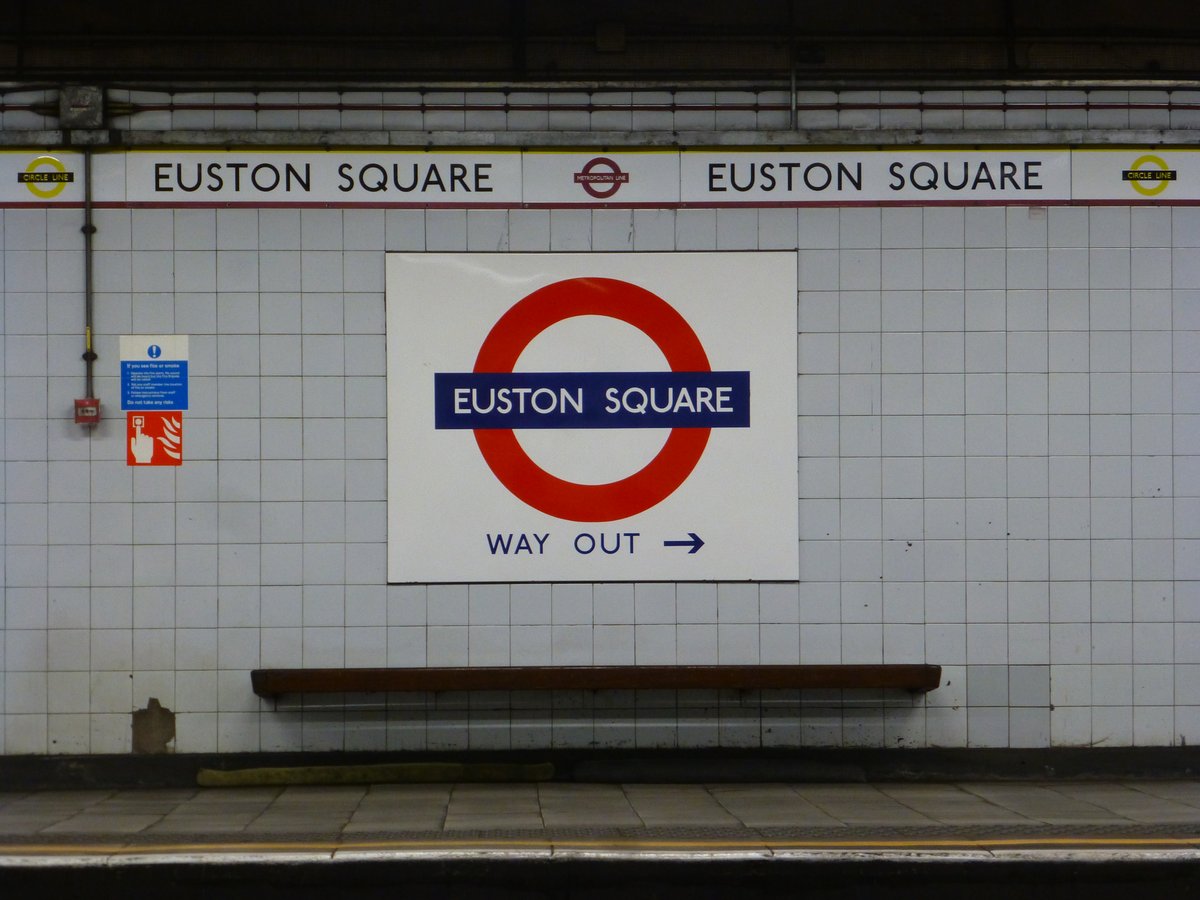
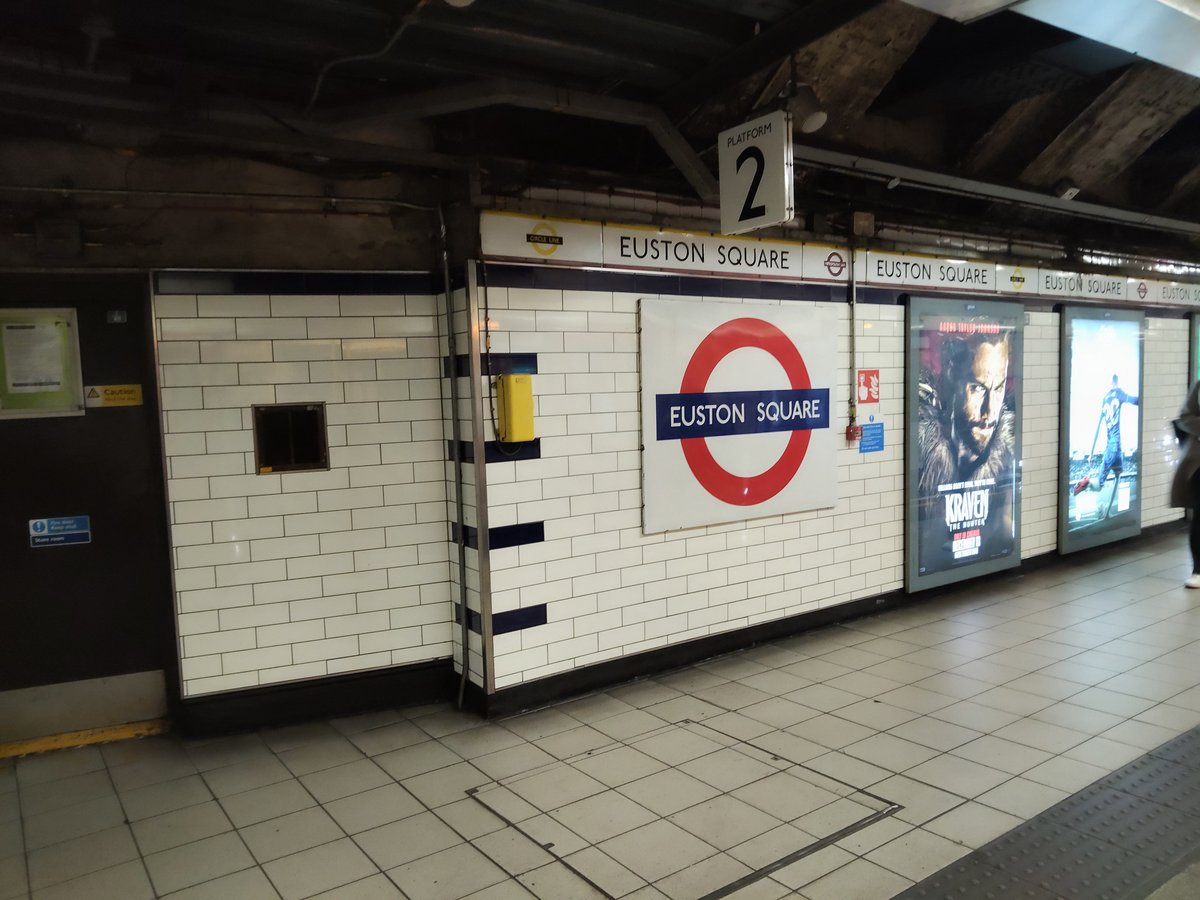
Historic grey platform wall tiling and a station frieze depicting Metropolitan and Circle Lines at Euston Square London Underground station, showing original design before retile and line split.
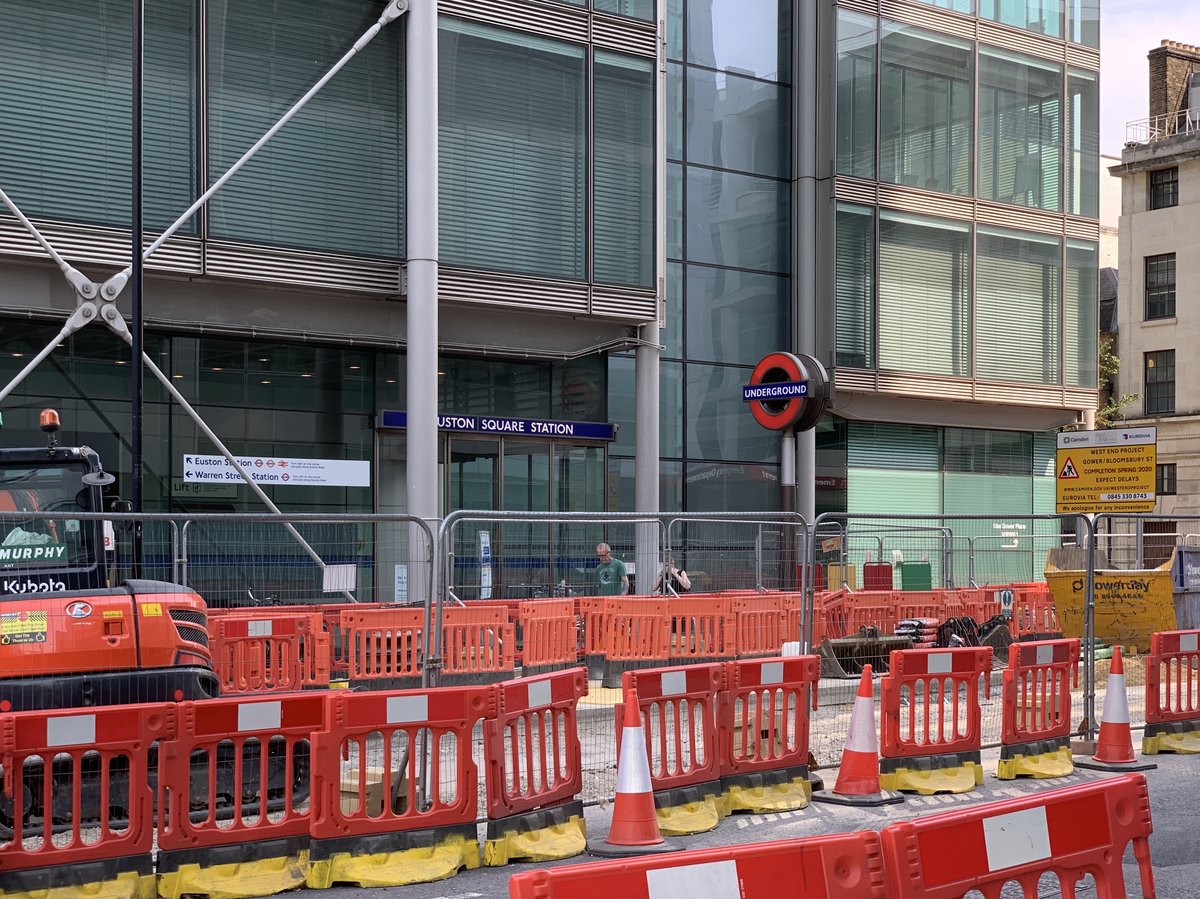
Photo showing the entrance to Euston Square tube station taken in August 2020 during a Circle Line Tube Walk
Modern entrance of Euston Square tube station featuring clean architectural lines and prominent tube signage
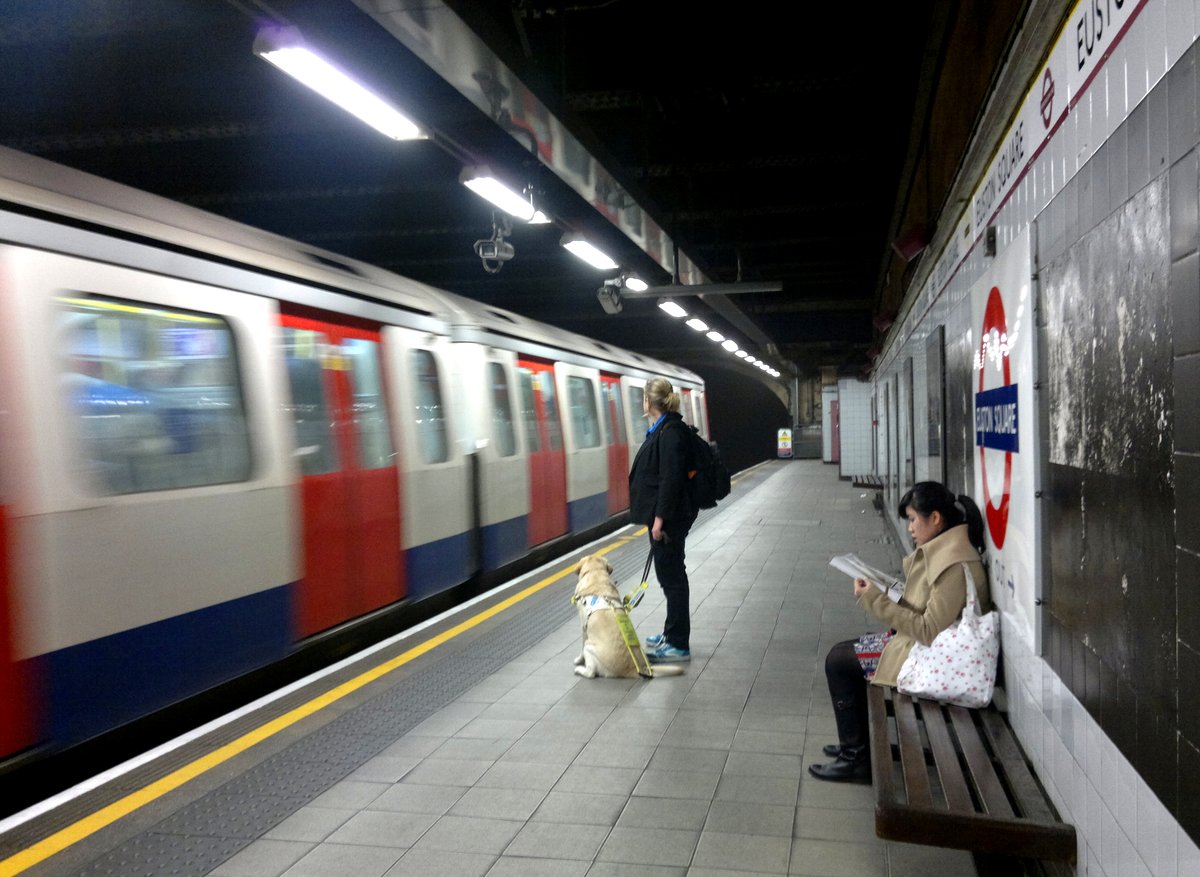
Guide dog user traveling on the London Underground at Euston Square station on 16 November 2012
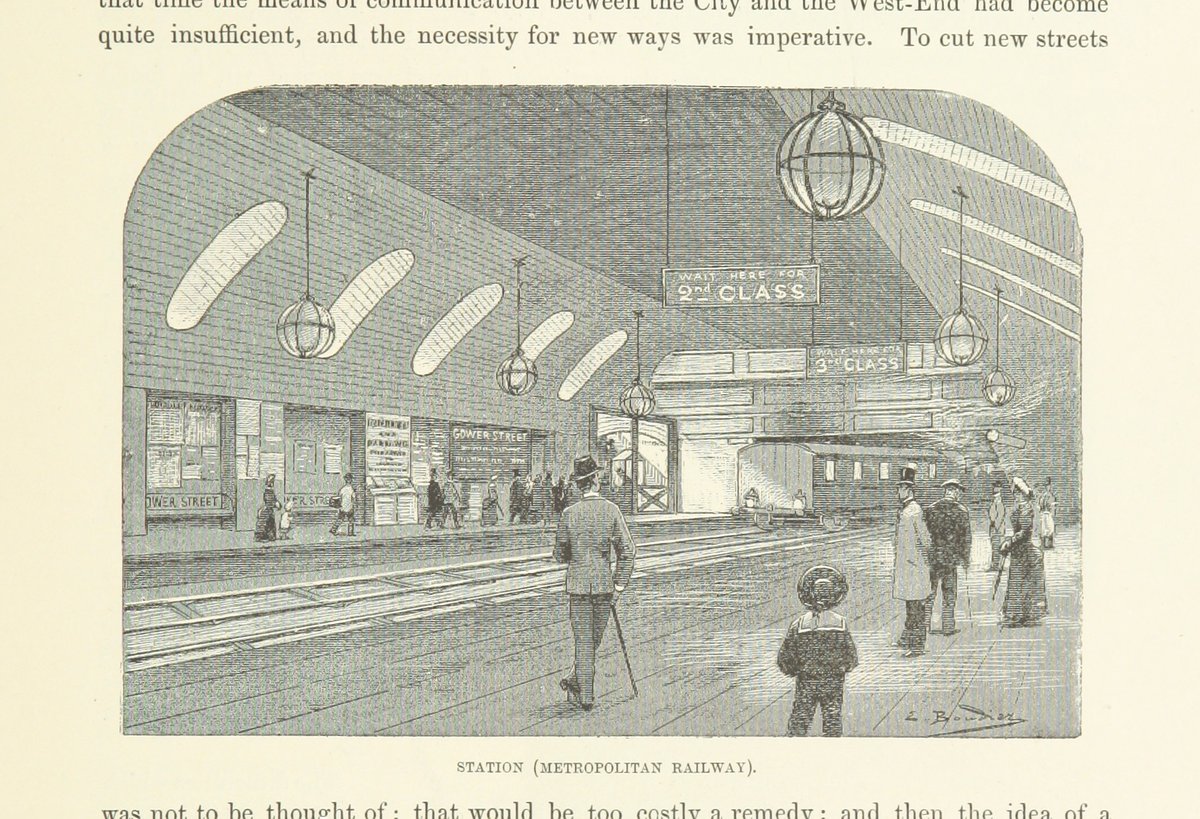
Detailed black and white lithograph showing London and its surrounding suburbs, from a vintage 19th-century picturesque survey book translated by Henry Frith, featuring old architecture and cityscape.
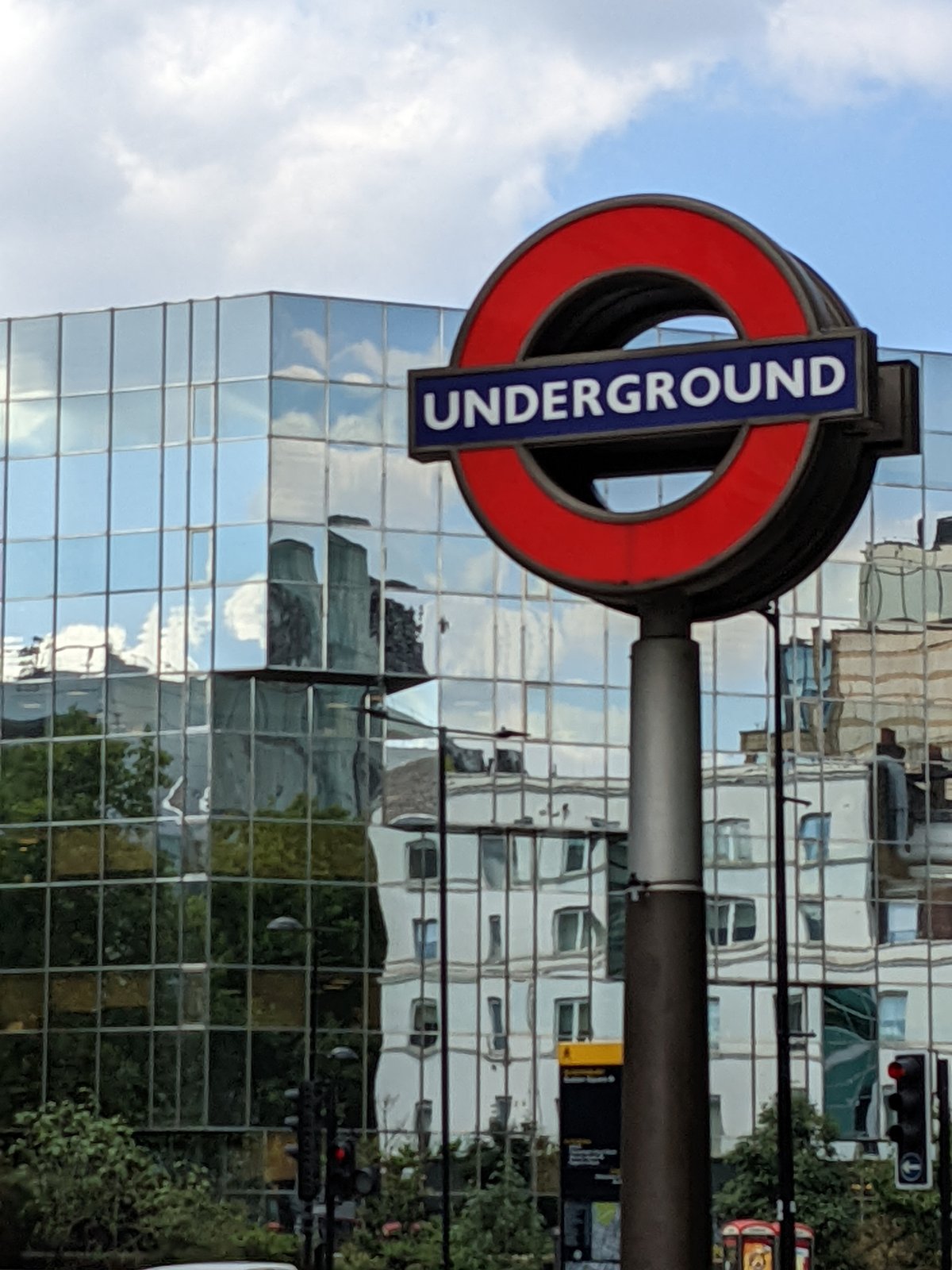
Close-up image of the iconic London Underground roundel displayed at Euston Square tube station, representing London's public transportation system
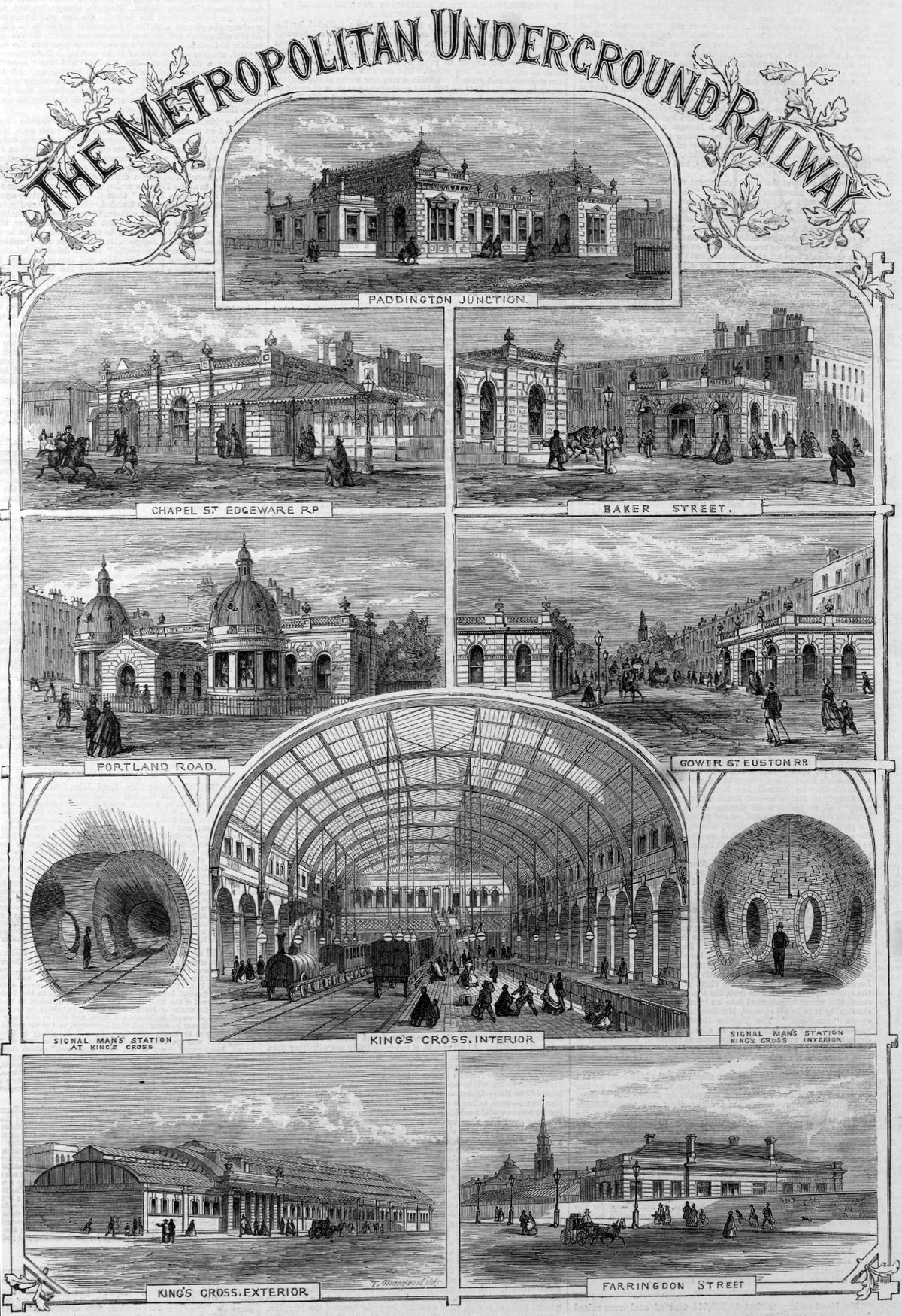
View of the Metropolitan Underground Railway station showing passengers, stairs, and architectural details.
Origins and Early Development
Euston Square began its life as Gower Street station, opening on January 10, 1863, as part of the Metropolitan Railway—the world’s inaugural underground line. Its establishment was instrumental in serving the rapidly expanding Bloomsbury district, home to academic institutions such as University College London (UCL). Early facilities were basic, with platforms just below street level and accessed by stairs, while steam locomotives made journeys smoky and noisy (Britain All Over).
Integration and Renaming
In 1909, Gower Street was renamed Euston Square to highlight its proximity to Euston mainline station and the surrounding area (Britain All Over). This change reflected its growing importance within an expanding network, linking key lines and providing vital east-west connectivity across Central London.
Architectural Evolution
Victorian Beginnings & Early 20th Century
The original station featured simple stone-effect stucco pavilions, typical of Victorian functionalism. Major upgrades began in the early 1900s, with platforms reconstructed in concrete for improved fire safety.
1929–1931 Modernization
Architect C.W. Clark led a significant redesign, unifying ticket offices above the tracks and replacing the arch tunnel roof with modern steel supports (Wikipedia). This modernization facilitated higher passenger flows and aligned with the era’s utilitarian approach.
Postwar and Contemporary Developments
Mid-20th-century redevelopment replaced surface buildings with modern structures. In 2006, the south entrance was integrated into the Wellcome Trust building, featuring a new pedestrian subway under Euston Road. Step-free access was introduced to the westbound platform in 2011, and ongoing High Speed 2 (HS2) redevelopment promises even greater accessibility and connectivity (Ian Visits, Railway Technology).
Visiting Hours and Ticketing
- Hours: Euston Square operates daily, typically from 5:00 AM to midnight. Confirm current schedules on the TfL website.
- Tickets: Use Oyster cards, contactless payment, or paper tickets. Fares are zone-based; there are no special Euston Square tickets (Everything Zany).
- Peak times: Weekdays 6:30–9:30 AM and 4:00–7:00 PM; off-peak fares apply at other times (Londondrum).
Accessibility and Travel Tips
- Step-free access: Lifts provide step-free access to the westbound platform. The eastbound platform remains accessible only by stairs (Show Me The Journey).
- Facilities: Ticket machines accept Oyster, contactless, and Travelcards. Public Wi-Fi and ample cycle parking are available.
- Transfers: A short walk (under 10 minutes) connects Euston Square with Euston mainline station for further national and Underground services.
- Travel tip: Visit mid-morning or early afternoon to avoid peak crowds.
- Security: The station is monitored by CCTV and staffed during operating hours. Remain vigilant during busy periods (TfL Euston Square).
Nearby Attractions and Local Highlights
- Wellcome Collection: Free museum and library exploring health and human experience, directly adjacent to the station (Wellcome Collection).
- British Library: One of the world’s largest libraries, a 10-minute walk away.
- Bloomsbury: Literary heartland with garden squares, independent bookshops, and historic pubs.
- University College London (UCL): Main campus nearby.
- Drummond Street: Celebrated for South Asian cuisine.
- Regent’s Park: Royal park with gardens, a lake, and London Zoo, about 15 minutes away.
- Camden Market: Diverse street food and shopping, easily reached by Tube.
Ongoing Redevelopment and Future Plans
Euston Square is a focal point for major urban regeneration tied to the HS2 high-speed rail project. Upcoming enhancements include:
- A new Underground ticket hall and direct pedestrian link to Euston Station, enabling seamless, step-free interchanges (HS2 Euston Brochure, Grimshaw Global).
- Improved public spaces, green areas, and over 2,000 cycle parking spaces.
- Community gardens and better pedestrian connections to Bloomsbury, Camden, and Drummond Street.
Discussions continue about reconstructing the historic Euston Arch, demolished in the 1960s, as part of the redevelopment (MyLondon).
Frequently Asked Questions (FAQ)
Q: What are the opening hours of Euston Square Tube Station?
A: Approximately 5:00 AM to midnight daily, but check TfL for exact times.
Q: How do I buy tickets?
A: Use Oyster, contactless, or paper tickets purchased at machines or online.
Q: Is the station step-free?
A: Step-free access is available to the westbound platform only; eastbound is stairs-only.
Q: Are there toilets?
A: No toilets at Euston Square; use facilities at Euston mainline station.
Q: What nearby attractions are there?
A: Wellcome Collection, British Library, Bloomsbury, Drummond Street, Regent’s Park, and Camden Market.
Q: Are there official guided tours?
A: No regular guided tours of the station, but the London Transport Museum offers "Hidden London" tours of nearby disused tunnels (London Transport Museum).
Discover More
Euston Square Tube Station is more than a transit node—it is a gateway to London’s storied past and vibrant present. Its rich history, evolving architecture, and proximity to cultural landmarks make it an essential stop for both visitors and locals. As the station prepares for a new chapter with HS2 integration, enhanced accessibility, and revitalized public spaces, it will continue to play a central role in London’s transport and cultural landscape.
Plan your visit today:
- Use Oyster or contactless for the best fares.
- Check current opening hours on the TfL website.
- Explore nearby attractions such as the Wellcome Collection and British Library.
- For the latest updates, download the Audiala app and follow us on social media.
Listen to the full story in the app
Your Personal Curator, in Your Pocket.
Audio guides for 1,100+ cities across 96 countries. History, stories, and local insight — offline ready.
Audiala App
Available on iOS & Android
Join 50k+ Curators
Sources
- verified
- verified
- verified
- verified
- verified
- verified
- verified
- verified
Last reviewed: