Introduction
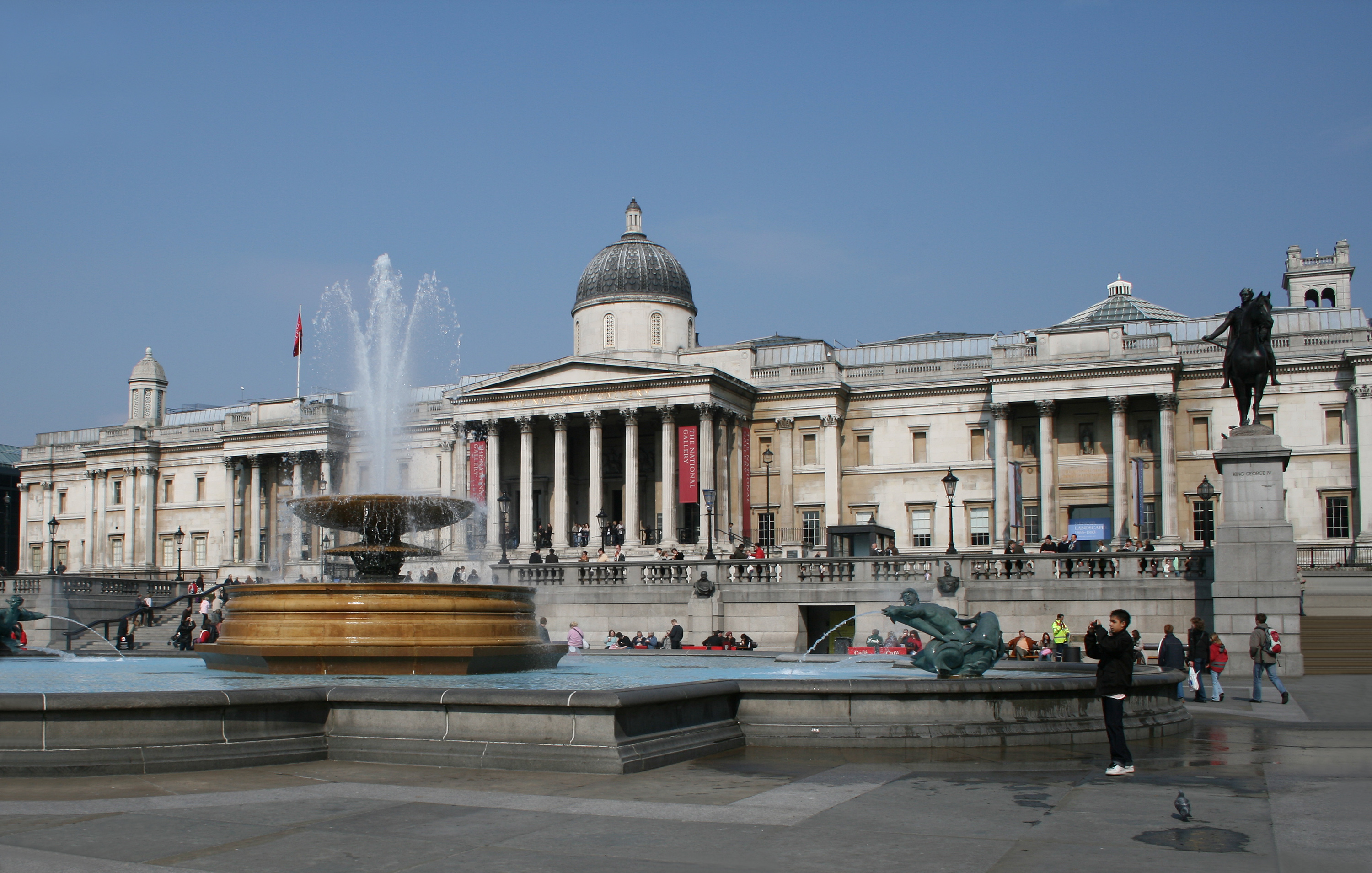
The Equestrian Statue of George IV stands as an enduring symbol of London’s royal heritage and neoclassical artistry. Located on the northeast plinth of Trafalgar Square, this monument not only commemorates the Regency monarch but also enriches the area’s historical and cultural landscape. Whether you are a history enthusiast, art lover, or casual visitor, this detailed guide covers the statue’s history, artistic significance, visitor information, accessibility, and nearby attractions, ensuring a meaningful and well-informed visit (ianvisits.co.uk, Kiddle, Historic England).
Origins and Commissioning of the Statue
Commissioned in 1828, the Equestrian Statue of George IV was sculpted by Sir Francis Chantrey, a prominent British artist known for his refined neoclassical works. Originally intended to be placed atop the Marble Arch—a grand entrance to Buckingham Palace designed by John Nash—the statue was stored due to changes in royal architectural plans and budget constraints. It was eventually installed in Trafalgar Square in 1843, two years after the king’s death (ianvisits.co.uk, Kiddle).
Trafalgar Square and the Statue’s Placement
Trafalgar Square was envisioned as a civic centerpiece in central London, designed by architect John Nash and completed in the early 1840s (londonxlondon.com). The square features four plinths for statues of significant national figures, with the Equestrian Statue of George IV occupying the first completed northeast plinth. Its installation brought a royal presence to the square even before the completion of Nelson’s Column, reflecting the city’s desire to honor its leaders and cultural icons.
Artistic Features and Symbolism
The statue depicts King George IV in Roman dress, bareheaded and riding bareback—an artistic choice grounded in the neoclassical fascination with antiquity and imperial imagery (Kiddle). Sir Francis Chantrey’s craftsmanship is evident in the statue’s anatomical detail, particularly the graceful Arabian features of the horse and the dignified yet relaxed posture of the king. The king holds a baton in his right hand, symbolizing authority, while the horse stands at rest, all four hooves on the ground. This compositional choice emphasizes refinement and royal command over military might (Victorian London).
The statue, cast in bronze and mounted on a granite plinth, stands approximately 5.5 meters (18 feet) high (London Remembers).
Cultural Significance and Public Perception
Royal Patronage and Legacy
Unlike most public monuments of its time, the Equestrian Statue of George IV was funded by the king himself. This act of royal patronage underscores George IV’s ambition to shape his public image and legacy. Known for his extravagant tastes and contributions to the arts—such as the commissioning of Regent Street and the Royal Pavilion in Brighton—the king’s statue is a testament to the Regency era’s opulent cultural vision (Kiddle).
Evolving Attitudes
Public reception of the statue has shifted over time. While initially overshadowed by the more celebrated Nelson’s Column, the statue has remained a subject of debate regarding the appropriateness of commemorating George IV so prominently. Modern critics have questioned his legacy, though others defend the monument as an important link to London’s urban and artistic development (Kiddle).
Role in Contemporary Public Art
The statue’s presence predates many of the square’s other monuments and has helped set the tone for Trafalgar Square as a living space for both traditional and contemporary art. The Fourth Plinth, originally left empty due to budget constraints, now hosts rotating contemporary artworks, inviting ongoing public engagement with the square’s history and meaning (Google Arts & Culture).
Visiting Information
Hours, Admission, and Accessibility
- Hours: Trafalgar Square is open 24 hours a day, seven days a week. There are no restrictions on viewing the statue.
- Admission: Free; no tickets required.
- Accessibility: The square and statue are fully wheelchair accessible, with level paths and ramps available (AccessAble).
How to Get There
- Nearest Underground: Charing Cross Station (Northern and Bakerloo lines) – 3-minute walk. Leicester Square Station (Northern and Piccadilly lines) – 8-minute walk.
- Buses: Multiple routes serve Trafalgar Square and the surrounding area.
- On Foot: The square is within walking distance of Covent Garden, Leicester Square, and the West End theatre district.
Travel Tips and Best Times to Visit
- Best times: Early mornings or weekday afternoons for fewer crowds; evenings for illuminated views.
- Photography: Permitted; the statue is especially photogenic with the National Gallery or Nelson’s Column in the background.
- Etiquette: Climbing on the plinth is prohibited. Security and CCTV are present for safety (Metropolitan Police).
Guided Tours and Events
Many walking tours of central London include the statue as a point of interest. Special events and public art installations frequently take place in Trafalgar Square, occasionally involving the statue, as seen in the 2012 "Hatwalk" project (Free Tours by Foot).
Nearby Attractions
- National Gallery: Free entry to an outstanding collection of European art (National Gallery).
- Nelson’s Column: Iconic centerpiece of Trafalgar Square.
- St Martin-in-the-Fields: Historic church with concerts and café.
- Covent Garden: Shopping, dining, and vibrant street performances.
- Regent Street: Vision of urban development shaped by George IV.
Conservation and Legacy
The Equestrian Statue of George IV is a Grade II listed monument and is regularly maintained by the City of Westminster to protect it from weathering and pollution (Historic England). Conservation efforts ensure the statue continues to serve as a link between London’s Regency past and its modern, dynamic public life.
Essential Visitor Information
- Location: Northeast plinth, Trafalgar Square, London WC2N 5DN, United Kingdom
- Nearest Underground: Charing Cross (Bakerloo and Northern lines)
- Open: 24 hours, year-round
- Admission: Free
- Accessibility: Fully accessible; accessible toilets nearby
- Photography: Permitted; drone use requires special permission
Frequently Asked Questions (FAQ)
What are the visiting hours for the Equestrian Statue of George IV?
Trafalgar Square is open 24/7; the statue can be visited at any time.
Is there an admission fee?
No, the statue is in a public square and is free to view.
Are guided tours available?
Yes, various guided walking tours include the statue in their itineraries.
Is the site accessible for people with mobility needs?
Yes, the square and statue area are fully accessible.
Can I take photographs?
Yes, photography is allowed, but climbing the statue or plinth is not permitted.
Summary and Final Tips
The Equestrian Statue of George IV remains a highlight of Trafalgar Square, embodying the neoclassical aesthetics and royal ambitions of early 19th-century Britain. Its unique artistic features, historical context, and prominent location make it an essential stop for anyone interested in London’s heritage. With free, all-day access and proximity to major attractions like the National Gallery and Covent Garden, the statue offers a rewarding experience amid the city’s vibrant public life. For deeper engagement, consider joining a guided tour or using resources like the Audiala app for historical insights and travel tips (londonxlondon.com, Free Tours by Foot, Visit London).
Listen to the full story in the app
Your Personal Curator, in Your Pocket.
Audio guides for 1,100+ cities across 96 countries. History, stories, and local insight — offline ready.
Audiala App
Available on iOS & Android
Join 50k+ Curators
Sources
- verified
- verified
- verified
- verified
- verified
- verified
- verified
Last reviewed:


