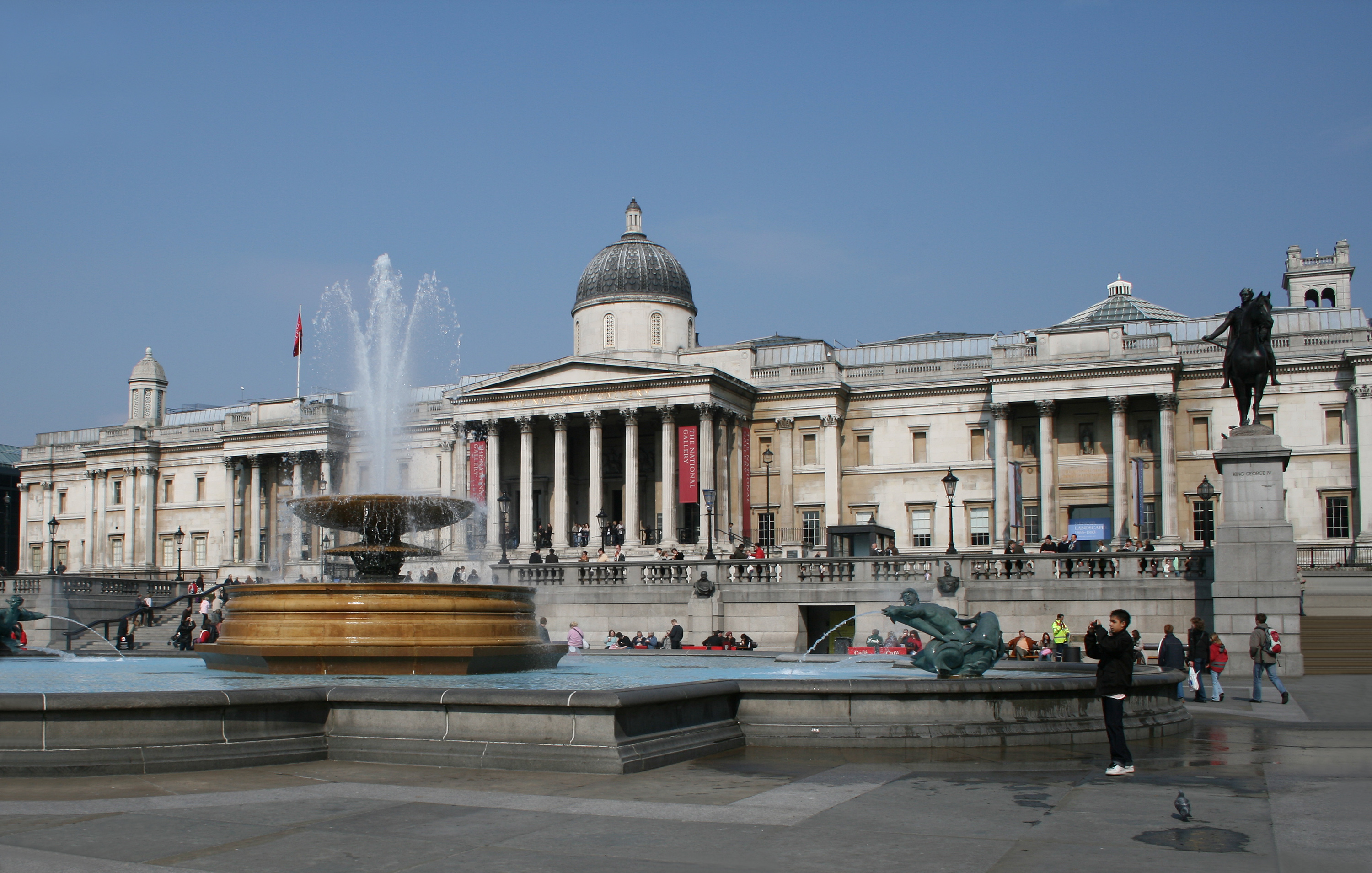
Introduction: London’s Oldest Equestrian Monument
Standing at the historic heart of London, the Equestrian Statue of Charles I at Charing Cross is both a masterwork of bronze sculpture and a powerful symbol of British monarchy, resilience, and urban continuity. Commissioned in the early 1630s by Sir Richard Weston and sculpted by French artist Hubert Le Sueur, this statue is the city’s oldest surviving equestrian monument. Its placement at Charing Cross—the official center of London, from which all city distances are measured—anchors it not only in geography but also in the nation’s history.
Surviving the turbulence of the English Civil War, the statue was hidden by metalsmith John Rivet to prevent its destruction. It was later restored and installed at its current site in 1675, facing Whitehall and the Banqueting House, where Charles I was executed. Today, the monument is accessible 24/7 and free to all. Its proximity to Trafalgar Square, the National Gallery, and Whitehall makes it a popular destination for visitors interested in history, art, and the evolving story of London.
Why Visit the Equestrian Statue of Charles I?
The Equestrian Statue of Charles I is a must-see for history buffs, art enthusiasts, and curious travelers. As the oldest bronze equestrian statue in London, it occupies a symbolic crossroads of monarchy, revolution, and restoration. Its artistic excellence and pivotal location offer a unique lens through which to view 17th-century England and the enduring legacies of the monarchy.
History and Commissioning
Commissioned in 1630 by Sir Richard Weston, the statue was created for his garden in Roehampton, Surrey, by the renowned French sculptor Hubert Le Sueur. Completed in 1633, it reflects Charles I’s admiration for continental European art and his assertion of royal authority. The statue’s design draws inspiration from the Roman statue of Marcus Aurelius, blending Renaissance style with English regal symbolism (English Civil War blog; Wikipedia).
Artistic Features and Symbolism
Le Sueur’s statue is England’s first major Renaissance-style equestrian monument. Charles I is depicted mounted, in armor (without a helmet), holding a baton of command. The calm, authoritative pose and harmonious composition emphasize the king’s divine right to rule and embody regal dignity. The horse’s raised foreleg and forward motion convey controlled power, while the mask-like face of the king projects authority and resolve.
Survival During the English Civil War
The English Civil War saw the destruction of many royal monuments. In 1649, Parliament ordered the statue’s destruction. However, metalsmith John Rivet hid it and deceived authorities with fake brass fragments. He even profited by selling brass-handled cutlery, claiming it was made from the statue. Thanks to his ingenuity, the statue survived until the Restoration (Kiddle; EquestrianStatue.org).
Restoration and Re-Erection
With the monarchy restored in 1660, Charles II reclaimed the statue. In 1675, it was placed at Charing Cross atop a Portland stone pedestal designed by Joshua Marshall, possibly influenced by Christopher Wren. The statue’s orientation—facing Whitehall and the Banqueting House—serves as a poignant reminder of Charles I’s execution and the monarchy’s turbulent history (Wikipedia).
Charing Cross: Historical and Geographical Significance
Charing Cross originally marked the site of the Eleanor Cross, erected in 1291 by Edward I for Queen Eleanor of Castile. Though the medieval cross was destroyed in the 17th century, the site remains London’s official geographic center (Historic UK). Since the 19th century, all road distances from London have been measured from this very spot (Transport for London).
Visitor Information: Hours, Tickets, and Accessibility
Location and Getting There
- Address: Charing Cross, London WC2N 5DN, at the southern end of Trafalgar Square, where Whitehall, The Strand, and Cockspur Street converge.
- Nearest Underground: Charing Cross (Bakerloo and Northern lines) and Embankment (Circle, District, Bakerloo, Northern lines).
- National Rail: Charing Cross mainline station is adjacent.
- Bus: Multiple routes serve Trafalgar Square and Whitehall.
Opening Hours and Admission
- Hours: The statue is outdoors and accessible 24/7, year-round.
- Tickets: No tickets or fees are required.
Accessibility
- The statue sits on a traffic island surrounded by busy roads, with protective fencing.
- Designated pedestrian crossings and ramps provide access.
- Wheelchair users can view the statue from adjacent pavements; the immediate pedestal area is raised and not directly accessible.
Guided Tours and Events
- Many historic walking tours of Westminster and central London include the statue. Check with local tour operators or online platforms for schedules.
- Annual commemorations, particularly on the anniversary of Charles I’s execution (last Sunday in January), feature wreath-laying and historical reenactments (Kiddle).
Nearby Attractions and Travel Tips
- Trafalgar Square: Just steps away, featuring Nelson’s Column and the Fourth Plinth.
- National Gallery: Offers world-class art exhibitions.
- Banqueting House: Historical site of Charles I’s execution.
- Whitehall: Home to key government buildings and Downing Street.
- Covent Garden and the Strand: Vibrant areas for shopping and dining.
- Photography: Early morning or late afternoon offers the best light.
Conservation and Restoration
The statue has survived centuries of pollution, vandalism, and war. Notably, it was removed during World War II for protection and underwent cleaning and restoration throughout the 20th century. English Heritage and the City of Westminster continue to monitor and maintain the monument, ensuring its preservation for future generations (Kiddle; EquestrianStatue.org).
Frequently Asked Questions (FAQs)
Q: Is there a fee or ticket required to visit the statue?
A: No, the statue is outdoors and free to visit at any time.
Q: Is the statue wheelchair accessible?
A: The surrounding area is accessible, though direct access to the pedestal is limited.
Q: Are guided tours available?
A: Yes, many walking tours of London include the statue.
Q: Are there annual events at the statue?
A: Yes, especially the wreath-laying commemoration in January.
Q: Can I take photos?
A: Absolutely—photography is encouraged.
Listen to the full story in the app
Your Personal Curator, in Your Pocket.
Audio guides for 1,100+ cities across 96 countries. History, stories, and local insight — offline ready.
Audiala App
Available on iOS & Android
Join 50k+ Curators
Sources
- verified
- verified
- verified
- verified
- verified
Last reviewed: