Introduction
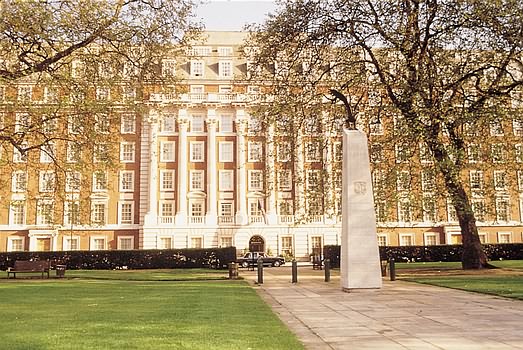
Clarence House, nestled in the ceremonial heart of London next to St James’s Palace, stands as an enduring symbol of British royal heritage and architectural refinement. Serving as an official royal residence for nearly two centuries, Clarence House provides visitors with a rare, intimate insight into the personal lives and evolving tastes of the monarchy. Commissioned by the Duke of Clarence (later King William IV) and designed by Regency architect John Nash, the house is celebrated for its classical proportions, elegant stucco façade, and a uniquely comfortable atmosphere that distinguishes it from grander royal palaces (Royal Collection Trust; House Beautiful).
Over the years, Clarence House has been home to prominent royal figures, including Queen Elizabeth The Queen Mother, Princess Margaret, and most recently, King Charles III and Queen Camilla. The interiors are a carefully preserved tapestry of regal legacy, personal memorabilia, and exquisite art, offering a compelling experience for visitors interested in British history, architecture, and the arts (Google Arts & Culture; Vanity Fair).
This comprehensive guide details Clarence House’s history, architectural evolution, collections, visiting hours, ticketing, accessibility, and travel tips, ensuring a well-informed and memorable visit.
Origins and Architectural Design
Clarence House is one of London’s last remaining aristocratic townhouses. Built between 1825 and 1827 for the Duke of Clarence (later King William IV) and his wife Adelaide, the house was designed by John Nash, renowned for his Regency-era neoclassicism (House Beautiful; Royal Collection Trust). Nash’s design prioritized elegant simplicity, featuring a blocky, white stucco façade, clean lines, and restrained ornamentation—creating a residence that was both stately and comfortable.
Significant modifications were made over time. In the 1870s, architect C.B. Waller added a Doric-style portico, now serving as the main entrance (Google Arts & Culture). The house’s orientation toward its gardens blurs the divide between interior and exterior, contributing to its welcoming ambiance.
Royal Occupancy and Historical Evolution
Early Residents and Adaptations
Initially, Clarence House served as the Duke of Clarence’s principal London residence. Following his accession as King William IV, he continued to favor the house over more formal palaces. Subsequent royal residents, such as the Duchess of Kent (Queen Victoria’s mother), made notable adaptations, including enlarging the Morning Room’s window in 1841 (Royal Collection Trust).
20th Century: The Queen Mother’s Era
Queen Elizabeth The Queen Mother moved into Clarence House in 1953, shaping its character for nearly 50 years. She personalized the principal rooms with her art, furniture, and heirlooms, creating a space renowned for both regal hospitality and familial warmth (Royal.uk; House Beautiful).
The Prince of Wales and Modern Stewardship
After the Queen Mother’s death in 2002, the house was refurbished for Charles, then Prince of Wales, and Camilla, Duchess of Cornwall. The updates incorporated new colors, textiles, and artworks from both the Royal Collection and personal holdings, but preserved the home’s cherished atmosphere (Royal.uk; Vanity Fair). Today, Clarence House continues as a private home and a venue for royal receptions, official events, and family celebrations.
Notable Rooms and Artistic Heritage
Principal Rooms
Visitors on guided tours explore five main ground-floor rooms, each with distinct historical and decorative significance:
- Lancaster Room: Once the Equerry’s Room, now an art-filled waiting area.
- Morning Room: Originally a breakfast room and later the Duke of Edinburgh’s study; the setting for Prince William and Kate Middleton’s 2010 engagement interview.
- Library: Favored by the Queen Mother for intimate dinners.
- Dining Room: Features early 20th-century gilding and ceiling decoration.
- Garden Room: Created from Princess Margaret’s former rooms, now used for receptions and displaying personal royal memorabilia (Royal Collection Trust; House Beautiful).
Artistic Collections
Clarence House is home to a significant collection of art and antiques, much of it curated by the Queen Mother and later enhanced by King Charles III. Highlights include:
- Chinese porcelain originally made for the Royal Pavilion at Brighton.
- Tompion clock crafted for William III.
- Paintings by Landseer, Bogdani, and Augustus John.
- Decorative objects from leading 18th-century cabinetmakers and plush Aubusson carpets (Google Arts & Culture; World of Interiors).
These treasures, alongside personal photographs and family memorabilia, create an environment that is both sumptuous and personal.
Gardens and Memorials
The gardens of Clarence House, redesigned in 2004–05 by the Prince of Wales, are a tranquil counterpoint to the house’s interiors. Features include formal plantings, herbaceous borders, and a memorial area dedicated to Queen Elizabeth The Queen Mother. The gardens exemplify King Charles III’s passion for traditional, sustainable English gardening (Google Arts & Culture).
Visiting Hours, Tickets, and Tours
Visiting Hours
Clarence House is open to the public exclusively during the summer, typically in August. Opening hours are generally 10:00 AM to 5:00 PM, with the last admission at 4:15 PM. As of June 2025, the house is closed for renovation until further notice. Always consult the Royal Collection Trust website for current details.
Ticketing Information
Tickets must be purchased online in advance due to limited availability and high demand. Prices vary by age and eligibility for concessions. Booking early is strongly recommended.
Guided Tours
All public visits are structured as guided tours, lasting 45 minutes to an hour. Expert guides provide historical context and share anecdotes about royal life, art, and the evolution of Clarence House. Audio guides may also be available.
Accessibility and Facilities
Clarence House is committed to accessibility. The tour route is wheelchair accessible, and assistance is available upon request. Assistance dogs are permitted. Visitors with specific needs should contact the Royal Collection Trust ahead of their visit.
There is a small gift shop on-site. No dining facilities are available, so guests should plan meals before or after their visit.
Travel Tips and Nearby Attractions
Location: The Mall, adjacent to St James’s Palace, SW1A 1BA.
Public Transport:
- Nearest Underground stations: Green Park and St James’s Park (10-minute walk).
- Multiple bus routes serve the area.
Nearby Attractions:
- Buckingham Palace
- St James’s Palace
- Westminster Abbey
- The Mall and Green Park
Clarence House is also along the Changing of the Guard route, allowing visitors to combine their tour with this celebrated royal ceremony.
Frequently Asked Questions (FAQs)
Q: When is Clarence House open?
A: Typically open only in August, but currently closed for renovations. Check the Royal Collection Trust website for updates.
Q: How do I purchase tickets?
A: Tickets are available online in advance via the Royal Collection Trust website.
Q: Is Clarence House wheelchair accessible?
A: Yes, most areas are accessible, but some historical features may pose challenges. Contact the venue for assistance.
Q: Can I take photographs inside?
A: Photography is not permitted inside Clarence House, but is allowed in the gardens and exterior.
Q: Are there cafes or restaurants on-site?
A: No, there are no dining facilities within Clarence House.
Visuals and Media Suggestions
-
Clarence House exterior on The Mall

-
Lancaster Room interior with period furnishings

-
Gardens at Clarence House reflecting King Charles III’s sustainable gardening

-
Map showing Clarence House and nearby London historical sites
(Add a map illustration with alt text: "Map showing Clarence House and nearby London historical sites")
All images courtesy of the Royal Collection Trust.
Listen to the full story in the app
Your Personal Curator, in Your Pocket.
Audio guides for 1,100+ cities across 96 countries. History, stories, and local insight — offline ready.
Audiala App
Available on iOS & Android
Join 50k+ Curators
Sources
- verified
- verified
- verified
- verified
- verified
- verified
- verified
- verified
- verified
Last reviewed: