Introduction
Located at the heart of Whitehall, the Cabinet Office is a cornerstone of British governance and a landmark steeped in centuries of architectural and political history. Established in 1916 to support the Prime Minister and Cabinet, the Cabinet Office has evolved into the UK government's administrative nerve centre. Although the building itself is not open to the public due to security and operational requirements, its neoclassical and Georgian facades, Tudor-era remnants, and proximity to iconic sites like Downing Street and the Churchill War Rooms make it a must-see for visitors interested in British history and politics. This guide provides a comprehensive overview of the Cabinet Office, including historical context, architectural details, practical visitor information, and nearby attractions.
Origins and Early Development
The Cabinet Office, situated at 70 Whitehall, emerged in December 1916 from the secretariat of the Committee of Imperial Defence. Its creation under Sir Maurice Hankey as the first Cabinet Secretary marked a new era in British government administration. The site itself, once part of the grand Palace of Whitehall (1530–1698), preserves rare Tudor elements such as Henry VIII’s 1530 tennis courts, a unique historical feature still visible within the complex.
Architectural Evolution
The Whitehall Frontage and Treasury Buildings
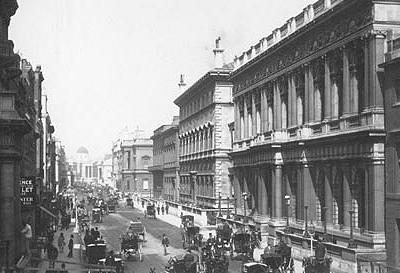
The Cabinet Office comprises multiple interconnected structures. The Whitehall frontage was designed by Sir John Soane and completed by Sir Charles Barry between 1845 and 1847 as the Treasury Buildings. This section epitomizes restrained neoclassical architecture, with symmetrical Portland stone facades and classical detailing that project governmental authority.
Dorset House and William Kent’s Treasury
To the west, Dorset House (c. 1700) links the Whitehall facade with William Kent’s Treasury (1733–36), facing Horse Guards Parade. Kent’s design, built atop the former Cockpit, is notable for its early Georgian civic architecture and minimal exterior ornamentation.
Restoration and Modernization
Major restoration in the 1960s revealed and repaired numerous Tudor-era remains. More recently, renovations from 2010–2016 modernized office interiors, introduced open-plan layouts, and upgraded facilities for the Cabinet Office’s growing staff, all while preserving historical features.
Political Significance
Central Role in British Governance
As a ministerial department, the Cabinet Office supports the Prime Minister, coordinates government objectives, and manages crucial units for Cabinet functioning. Its strategic location near Downing Street and other government buildings solidifies its role at the heart of UK governance.
Cabinet Office Briefing Rooms (COBR)
The Cabinet Office Briefing Rooms (COBR), or “COBRA,” are secured spaces for crisis management. Here, ministers and officials coordinate responses to national emergencies, from terrorist incidents to public health crises.
The Cabinet War Rooms
Beneath Whitehall, adjacent to the Cabinet Office, are the historic Cabinet War Rooms, established in 1938 as the Central War Rooms. Used by Winston Churchill and his Cabinet during WWII, the War Rooms are now preserved as the Churchill War Rooms museum, offering visitors a vivid glimpse into wartime leadership (Imperial War Museums Churchill War Rooms).
Visiting the Cabinet Office and Churchill War Rooms
Visiting Hours and Tickets
- Cabinet Office: Not open to the public; no visiting hours or tours available.
- Churchill War Rooms: Open daily, 9:30 AM–6:00 PM (last admission 5:00 PM). Advance online booking is recommended, especially during peak seasons. Adult tickets are approximately £25, with concessions for children, seniors, and families (Churchill War Rooms).
Accessibility and Facilities
The Churchill War Rooms are fully wheelchair accessible, with ramps, lifts, audio guides in multiple languages, a café, and a gift shop.
How to Get There
- Underground: Nearest stations are Westminster (Circle, District, and Jubilee lines) and Charing Cross (Bakerloo and Northern lines).
- Bus: Multiple routes serve Whitehall and Parliament Street.
- River Bus: Westminster Pier is nearby for Thames river transport.
- Note: Public parking is limited; public transport is recommended.
Nearby Attractions
- Horse Guards Parade: Historic parade ground for state ceremonies.
- 10 Downing Street: The Prime Minister’s residence, visible from the gates.
- Palace of Westminster and Big Ben: Seat of the UK Parliament.
- Westminster Abbey: World Heritage Site and venue for royal occasions.
- Trafalgar Square: Iconic public square nearby.
Notable Events and Historical Associations
The Palace of Whitehall and Tudor Heritage
The Cabinet Office stands on the site of the Palace of Whitehall, once Europe’s largest royal palace, destroyed by fire in 1698. Surviving features like the Tudor tennis courts and the Cockpit reflect the area’s deep royal and political legacy.
Horse Guards Parade
Once a tiltyard for royal tournaments, Horse Guards Parade later housed the British Army’s headquarters and now hosts the annual Trooping the Colour and other state ceremonies.
Architectural and Cultural Legacy
The Cabinet Office’s blend of neoclassical, Georgian, and Tudor elements exemplifies London’s architectural layering. As the administrative centre for pivotal government decisions, it is a living symbol of British statecraft, having witnessed generations of political and military leadership.
Frequently Asked Questions (FAQs)
Q: Can I tour the Cabinet Office?
A: No; the Cabinet Office is not open for public tours.
Q: How do I buy tickets for the Churchill War Rooms?
A: Purchase online via the Imperial War Museums website; on-site tickets are also available but subject to availability.
Q: Is the Churchill War Rooms museum accessible?
A: Yes, it is fully wheelchair accessible.
Q: What are the best times to visit?
A: Weekday mornings and late afternoons are less crowded; book in advance during busy periods.
Q: Is photography allowed?
A: Photography (without flash) is allowed in the Churchill War Rooms. Video recording may be restricted.
Visuals and Media
- Image 1: Exterior view of the Cabinet Office’s Whitehall frontage (Alt: "Whitehall frontage of the Cabinet Office in London").
- Image 2: Interior of the Churchill War Rooms with preserved WWII-era equipment (Alt: "Interior of the Churchill War Rooms with WWII artifacts").
- Image 3: Remnants of Henry VIII’s Tudor tennis courts (Alt: "Tudor-era tennis courts remains at the Cabinet Office site").
Plan Your Visit
- Address: 70 Whitehall, London SW1A 2AS
- Public Access: No entry to the Cabinet Office; exterior viewing only.
- Nearest Tube Stations: Westminster, Charing Cross, St. James’s Park.
- Accessibility: Step-free access in the area; Churchill War Rooms are wheelchair accessible.
- Tickets: Only required for Churchill War Rooms and guided walking tours.
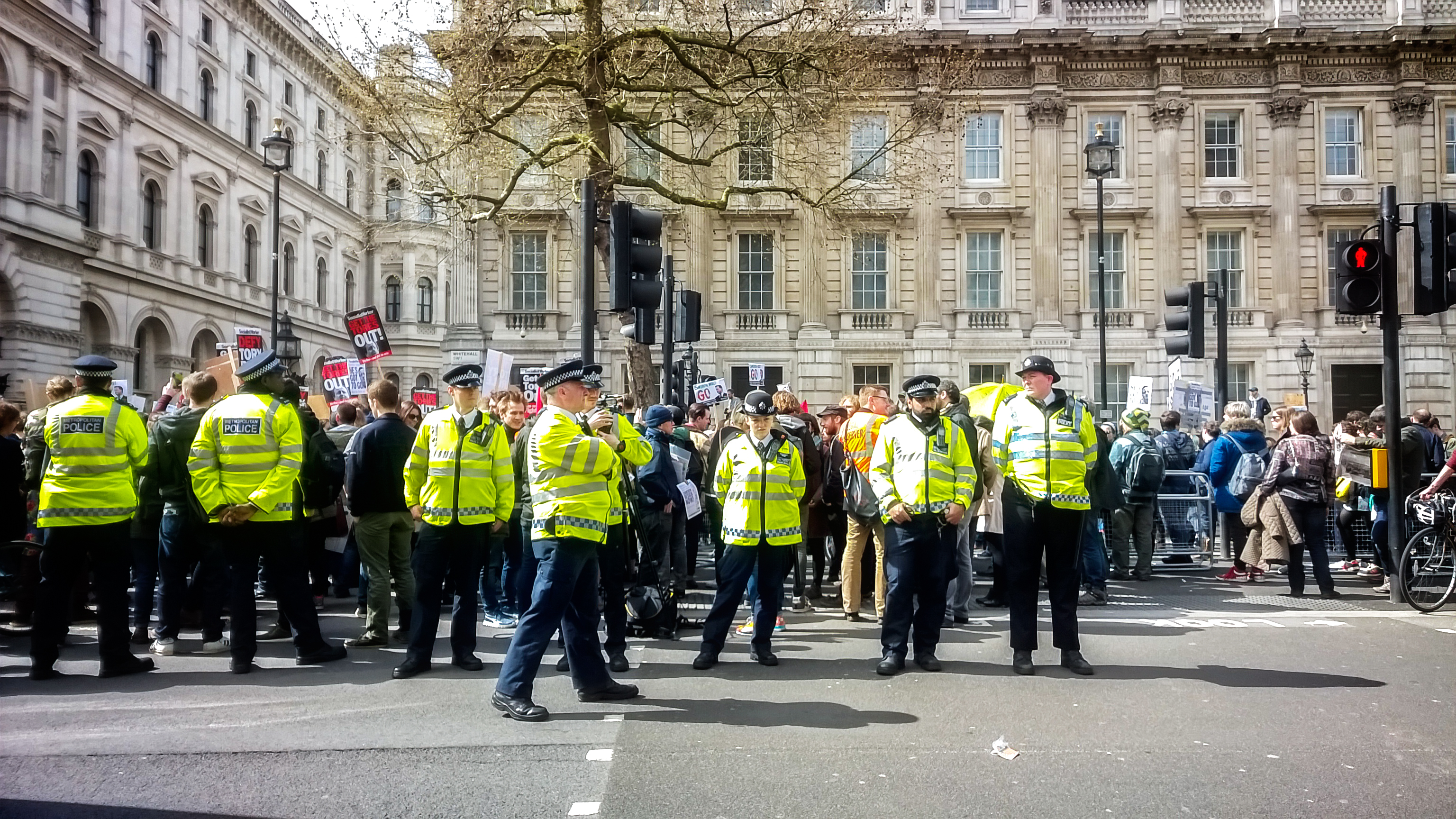
- Security: Expect a high police presence and follow all posted guidance.
- Best Nearby Attractions: Churchill War Rooms, Horse Guards Parade, Downing Street, Palace of Westminster, Westminster Abbey.
Summary and Final Tips
The Cabinet Office stands as a living testament to Britain's political history and architectural evolution. Though it is not open to the public, its commanding presence, historical layers, and nearby landmarks offer rich opportunities for exploration and learning. Enhance your visit by booking tickets for the Churchill War Rooms, joining a guided walking tour, and using accessible public transport. For the latest updates, travel tips, and interactive experiences, consult official resources and the Audiala app.
For further details, official updates, and ticket bookings, visit:
Listen to the full story in the app
Your Personal Curator, in Your Pocket.
Audio guides for 1,100+ cities across 96 countries. History, stories, and local insight — offline ready.
Audiala App
Available on iOS & Android
Join 50k+ Curators
Sources
- verified
- verified
- verified
- verified
- verified
Last reviewed: