Plan and listen to Battle Of Britain Monument with Audiala.
Audio guide in your pocket, itinerary in your browser. Built for the way you actually visit.
Introduction
Victoria Embankment stands as one of London's most captivating historical landmarks, seamlessly blending the city's rich past with its vibrant present. Strategically located along the north bank of the River Thames, this iconic stretch of land offers visitors a unique glimpse into Victorian engineering prowess and modern urban charm. Originally proposed in the 17th century by Sir Christopher Wren, the embankment's construction did not commence until the mid-19th century. The primary motivation behind this ambitious project was to modernize London's sewerage system and alleviate traffic congestion (source). Spearheaded by the Metropolitan Board of Works and civil engineer Thomas Brassey, the first section of the embankment was completed in 1854 (source). However, it was Sir Joseph Bazalgette who truly brought the vision to life, designing and executing an infrastructure that has served London for over a century (source). Visitors to Victoria Embankment today can enjoy a myriad of attractions, from the serene Victoria Embankment Gardens to the historic Cleopatra's Needle. The embankment also holds cultural significance, housing numerous memorials and statues that commemorate key events and figures in British history. Its integration with London's transport system, including the London Underground and river services, makes it an easily accessible destination for tourists and locals alike. Whether you're interested in its historical background, architectural marvels, or simply a leisurely stroll along the River Thames, Victoria Embankment promises a memorable experience for all.
History of Victoria Embankment
Early Proposals and Initial Construction
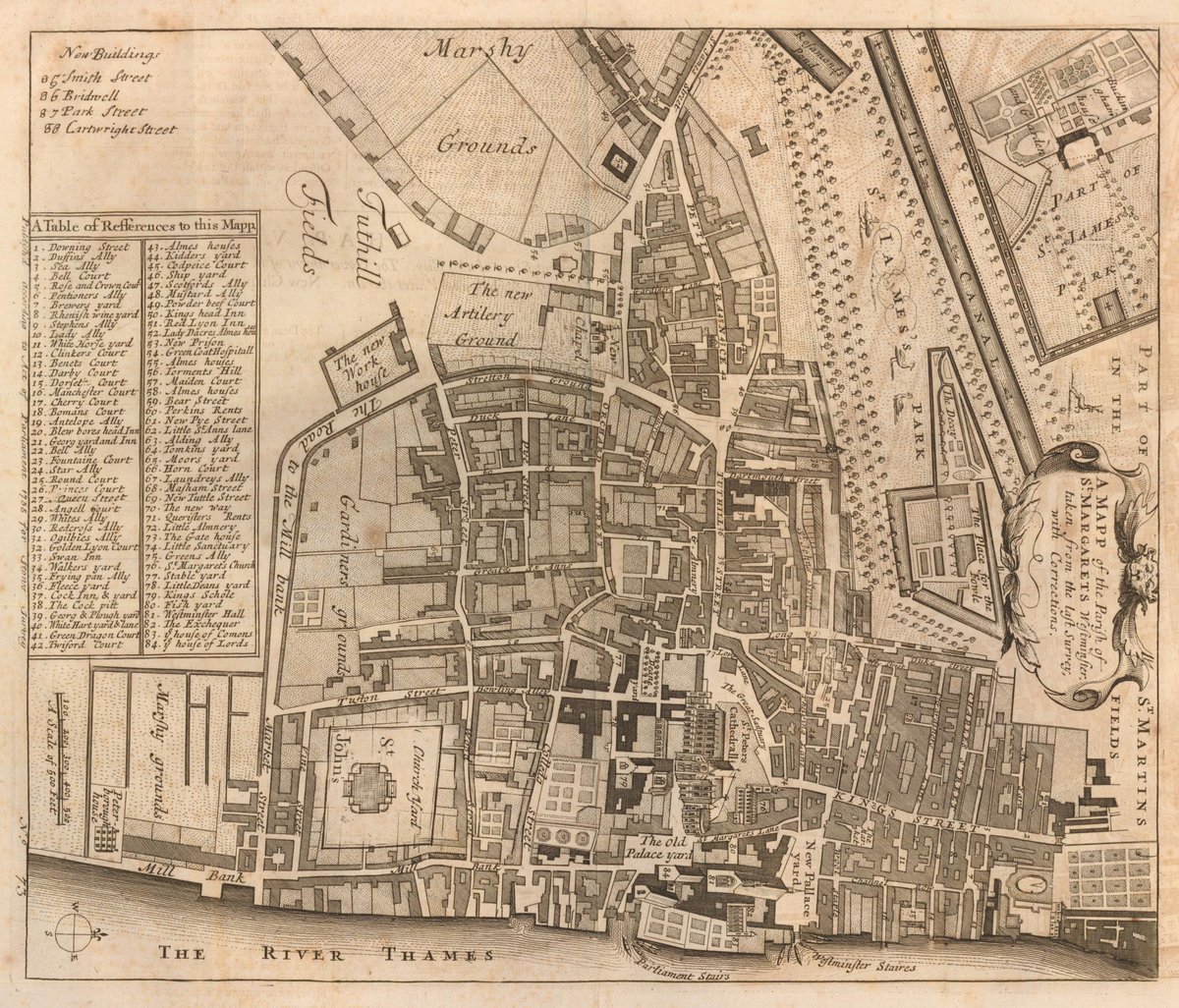
The concept of embanking the River Thames dates back to the 17th century. One of the earliest proposals was made by Sir Christopher Wren in the 1660s. However, it wasn't until the mid-19th century that significant progress was made. The impetus for the construction of the Thames Embankment was two-fold: to provide the growing city of London with a modern sewerage system and to help relieve the congestion of traffic on The Strand and Fleet Street (source).
The Metropolitan Board of Works and Thomas Brassey
The construction of the Thames Embankment began in earnest in 1854, under the direction of the Metropolitan Board of Works, which operated from 1855 to 1889. Thomas Brassey, a prominent civil engineer, played a crucial role in the initial phases of the project. The first section to be completed was the Chelsea Embankment, which stretched between Millbank and the Royal Hospital Chelsea on the North Bank (source).
Sir Joseph Bazalgette's Vision
Sir Joseph Bazalgette, the chief engineer of the Metropolitan Board of Works, was instrumental in the design and execution of the Victoria Embankment. His foresight and engineering prowess provided London with a sewage system that has served the city well for over a century. The Victoria Embankment was constructed on reclaimed marshy land adjacent to the River Thames, narrowing the river and reclaiming approximately 89,000 square meters (22 acres) of land (source).
Construction Challenges and Innovations
The construction of the Victoria Embankment was both costly and challenging. The project required an estimated £1.26 million, with an additional half million pounds to purchase adjacent property. One of the significant challenges was the tidal nature of the River Thames, which necessitated the use of cofferdams to keep water out of the construction area. This new type of tool had to be fully tested, adding to the cost and time required to complete the project (source).
Lighting Innovations
The Victoria Embankment was the first roadway in London to be permanently lit by electricity in 1878. The lighting was provided by twenty Yablochkov Candles, a type of electric carbon arc lamp, powered by a Gramme AC Generator. Eventually, fifty lamps were set up, but the system proved too costly, and lighting was returned to gas operation in 1884 until electricity became more competitive in price (source).
Integration with London's Infrastructure
Beneath the roadway of the Victoria Embankment, a Cut-and-Cover Tunnel was built to allow the passage of the District Railway, part of the London Underground system. This tunnel later included trains of the Circle Line and also housed part of the sewer system. The embankments were faced with granite brought from Lamorna Cove in Cornwall, transported through the English Channel and up the Thames on barges (source).
Reconstruction and Modern Developments
Since its completion, regions of the Thames Embankment have undergone reconstruction due to bomb damage during the Second World War and flooding in 1928. Despite these challenges, the embankment has remained a vital part of London's infrastructure and a popular destination for both locals and tourists. The embankment's design has allowed it to withstand the test of time, continuing to serve its original purposes while adapting to modern demands (source).
Visiting Victoria Embankment
Visiting Hours and Tickets
Victoria Embankment is accessible to the public 24 hours a day, seven days a week. There are no entry fees, making it an ideal destination for a leisurely stroll or a scenic view of the River Thames.
Travel Tips and Accessibility
The Victoria Embankment is well-served by public transportation, including nearby Underground stations such as Embankment and Westminster. It is also accessible by several bus routes. The embankment is wheelchair accessible and offers several benches and rest areas for visitors.
Nearby Attractions
While visiting Victoria Embankment, you can explore nearby attractions such as the Houses of Parliament, the London Eye, and the Southbank Centre. The area is also home to several parks and gardens, including Embankment Gardens, which offer a peaceful retreat from the bustling city.
Special Events and Guided Tours
Victoria Embankment often hosts special events, including festivals, parades, and public gatherings. Guided tours are available and provide a deep dive into the history and significance of the embankment. Be sure to check local listings for upcoming events and tour schedules.
Cultural and Historical Significance
The Victoria Embankment holds immense cultural and historical significance. A walk along the Thames Embankment offers a glorious spectacle, showcasing many of London's great sights, including areas of greenery, monuments, and architecturally interesting buildings. The embankment also provides an opportunity to watch the activities on the River Thames, making it a vibrant and dynamic part of the city. The embankment's historical significance is further highlighted by landmarks such as the York (Buckingham) Watergate, which once marked the level of the River Thames but is now present in Embankment Gardens due to land reclamation (source).
Commemorations and Plaques
In 2010, a plaque was placed in Lambeth to commemorate the Cholera epidemic of 1848-49 and the work of Dr. John Snow, who recorded his observations in his book, "On the Mode of Communication of Cholera," published in 1855. This plaque serves as a reminder of the historical challenges faced by the city and the advancements made in public health and infrastructure (source).
FAQ
Q: What are the visiting hours for Victoria Embankment?
A: Victoria Embankment is open 24/7 and is free to the public.
Q: Are there guided tours available?
A: Yes, guided tours are available and provide detailed insights into the history and significance of the embankment.
Q: What nearby attractions can I visit?
A: Nearby attractions include the Houses of Parliament, the London Eye, and the Southbank Centre.
Q: Is Victoria Embankment accessible for wheelchair users?
A: Yes, the embankment is wheelchair accessible and offers several benches and rest areas for visitors.
Q: Are there any special events held at Victoria Embankment?
A: Yes, the embankment often hosts festivals, parades, and public gatherings. Check local listings for upcoming events.
Listen to the full story in the app
The whole Battle Of Britain Monument,
told well.
Audio guides for 1,100+ cities across 96 countries. History, stories, and local insight — offline ready.

Verified, and shown.
Researched and written by the Audiala editorial team from historical records, architectural archives, and local expertise.
Researched from Wikidata, Wikipedia & official sources · fact-checked · How we make our guides →