Plan and listen to Battersea Park with Audiala.
Audio guide in your pocket, itinerary in your browser. Built for the way you actually visit.
Introduction
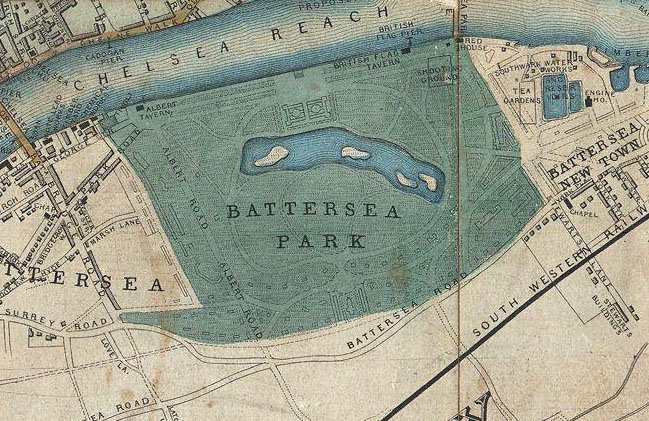
Battersea Park, an iconic 200-acre green space on the south bank of the River Thames, is a living testament to London’s Victorian heritage, urban evolution, and community spirit. Established in the mid-19th century as a public oasis for a rapidly growing city, the park today welcomes millions of visitors annually who come to experience its blend of landscaped gardens, family attractions, cultural landmarks, and recreational amenities. This comprehensive guide details Battersea Park’s history, cultural and ecological importance, visiting hours, ticket information, accessibility, travel tips, and top attractions (Britain Express; Wandsworth Council).

From Marshland to Victorian Oasis
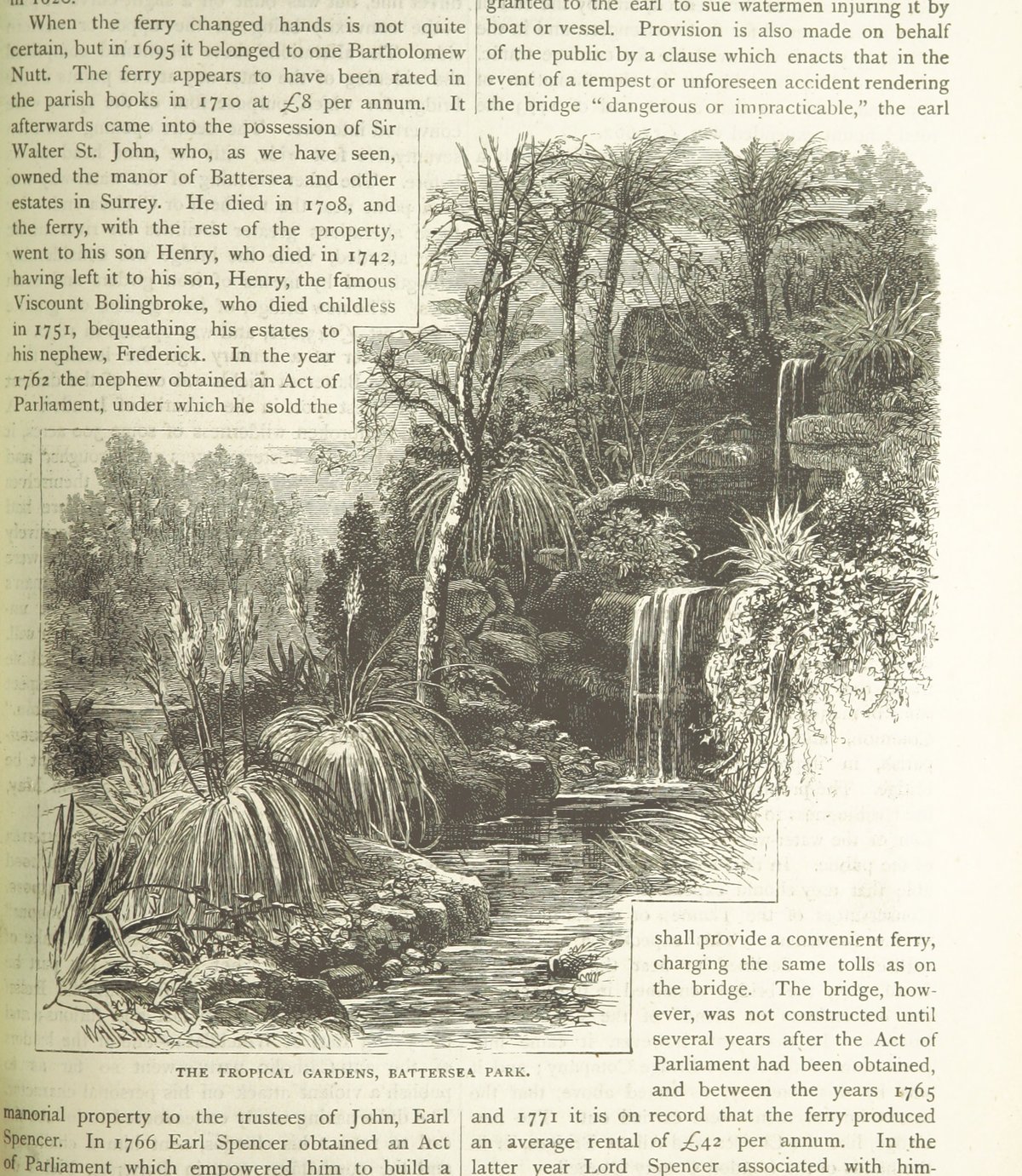
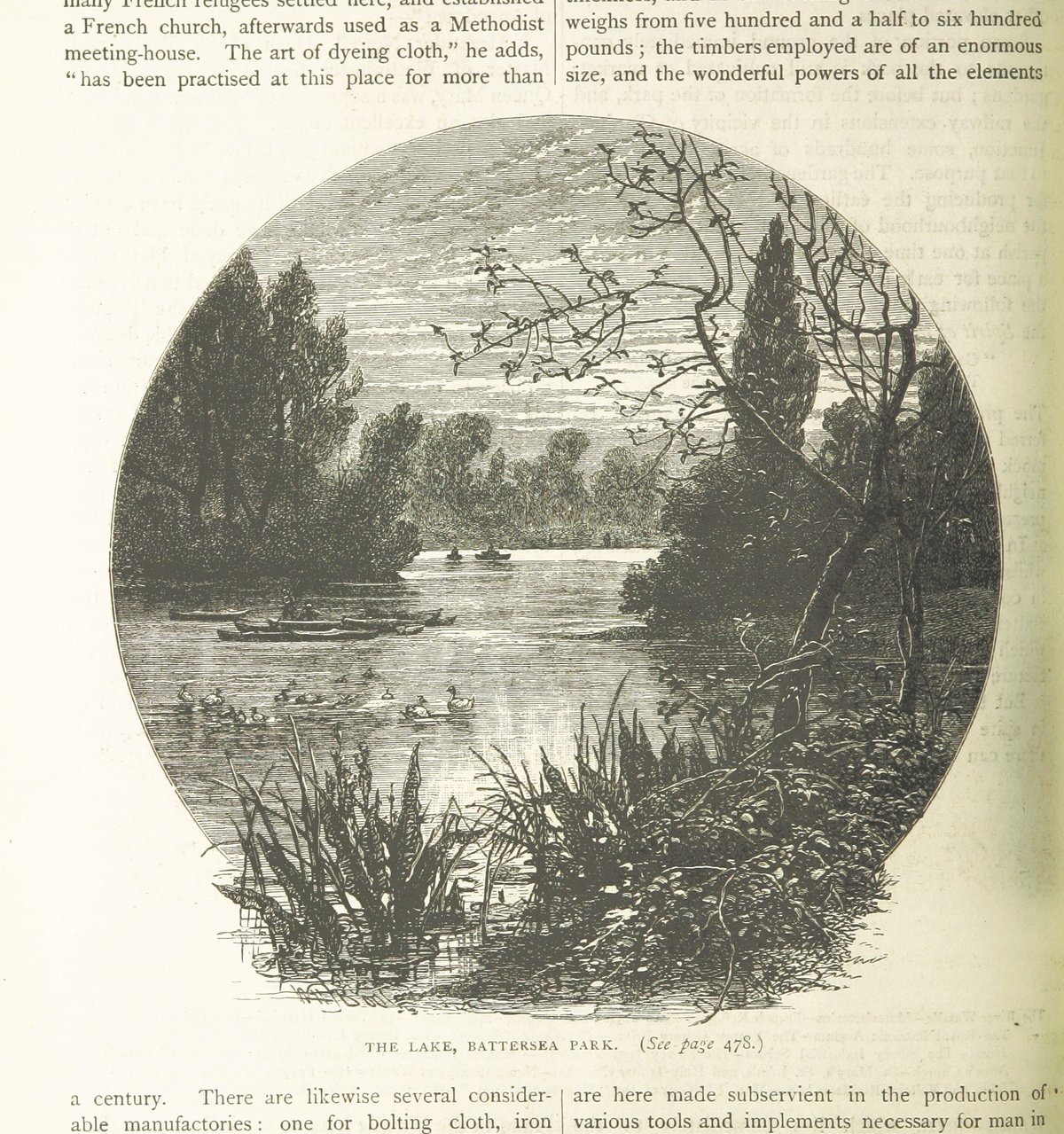
Originally notorious as Battersea Fields—a marshy area known for duels, taverns, and gypsy encampments—the land was transformed in the 1840s and 1850s through a concerted effort by social reformers and city planners. An Act of Parliament in 1846 authorized the creation of a park, with work completed by 1858 under the direction of designer James Pennethorne and parks superintendent John Gibson. The park’s formal avenues, ornamental lake, and groundbreaking sub-tropical gardens reflected Victorian ideals about public health, leisure, and the civilizing power of nature (Britain Express; Wandsworth Council).
A Hub for Social and Sporting Innovation
From its earliest days, Battersea Park was intended as an inclusive public space for all classes. It hosted promenades, boating, and sporting events, including the first football match ever played under Football Association rules in 1864 (Easy Hiker). The park also gained fame for its sub-tropical gardens—the first in Britain—and for hosting the Festival Gardens during the 1951 Festival of Britain, when it became a post-war symbol of hope and regeneration.
Restoration and Community Role
Over the decades, the park has adapted to changing needs, serving as allotments during WWII, and undergoing extensive restoration in the 21st century. Today, its blend of Victorian landscaping and contemporary facilities ensures it remains a vibrant community hub, hosting art exhibitions, concerts, charity events, and seasonal festivals (The Best London).
Environmental & Cultural Value
Battersea Park is a vital ecological asset for London, recognized as a Grade II* Registered Historic Park and Garden. Its habitats support mature trees, rare and subtropical plant species, and diverse birdlife (Britain Express; Battersea Power Station Positive Energy Report). The park’s design and management emphasize sustainability, biodiversity, and urban wellbeing, making it a model for balancing heritage with modern environmental stewardship.
Visiting Information
Opening Hours
- Park Gates: Open daily from 5:00 a.m. to midnight (in summer; dusk in winter—check official website for seasonal changes)
- Attractions: Individual attractions (e.g., Children’s Zoo, Pump House Gallery, boating lake) have their own operating hours (see below)
Entry & Tickets
- General Entry: Free to all visitors
- Paid Attractions: Some attractions require tickets (see below for details)
Getting There
- Underground: Battersea Power Station (Northern Line), 10–15 min walk
- National Rail: Battersea Park or Queenstown Road stations, 5–10 min walk
- Bus: Routes 44, 137, 156, 344, 452
- Bicycle: Cycle racks and Santander Cycles docking nearby
- Car: Limited pay-and-display parking at main gates (Albert, Rosery, Chelsea). Public transport recommended.
Accessibility
- Paths: Mostly paved, suitable for wheelchairs and strollers
- Facilities: Accessible toilets, step-free café and gallery entrances, assistance dogs welcome
- Parking: Designated accessible spaces near main entrances
For detailed accessibility info, see the official Wandsworth Council page.
Top Attractions in Battersea Park
| Attraction | Description | Hours/Tickets |
|---|---|---|
| Peace Pagoda | Buddhist stupa, riverside, symbol of peace | Dawn–dusk, free (London City Calling) |
| Old English Garden | Traditional English floral garden, supported by Thrive charity | 7am–dusk, free |
| Boating Lake | Rowing boats & pedalos for hire | Easter–Sept, £8 adult/£4 child (London City Calling) |
| Children’s Zoo | Family-friendly zoo, mammals, reptiles, birds | 10am–5pm, £9.50 adult/£7.50 child (London City Calling) |
| Putt in the Park | Outdoor mini-golf & café | 10am–8pm summer, £10 adult/£8 child (London City Calling) |
| Go Ape | Treetop adventure course (ziplines, rope bridges) | Seasonal, booking required (Travel and Squeak) |
| Bandstand | Historic Victorian event venue, weddings | Park hours, free |
| Pump House Gallery | Contemporary art in Grade II listed building | Wed–Sun 11am–5pm, free (London City Calling) |
| Millennium Arena | Athletics track, tennis courts, gym, football pitches | Tennis from £11.60/hr |
| Bike Hire | Recumbents and standard bikes (London Recumbents) | 9am–dusk, prices vary (London City Calling) |
| Riverside Promenade | Thames views, Albert Bridge, scenic walks | Park hours, free |
| Winter Garden | Year-round botanical interest | Park hours, free |
| Seasonal Events | Fireworks, festivals, concerts, dog show | Varies, see event guides (All Events In London) |
| Battersea Power Station | Shopping, dining, cultural venues next door | Varies, check Power Station site |
Facilities & Amenities
- Restrooms: Located at main entrances and attractions
- Cafés: Pear Tree Café (by lake), Pavilion Café, kiosks
- Playgrounds: Adventure and toddler play areas
- Picnic Areas: Expansive lawns and shaded spots
- Sports: Tennis, football, athletics track, cycling
- Events: Regular guided walks, workshops, open-air concerts, and community festivals
Practical Tips for Visitors
- Best Times: Early mornings and weekdays are quieter; weekends/events are busy
- Weather: Come prepared for rain or shine; London weather is changeable
- Safety: Park is considered safe; supervise children near water, keep valuables secure
- Dogs: Welcome, but leashed in certain areas; dog waste bins provided
- Photography: Permitted for personal use; commercial shoots require permission
- Sustainability: Use recycling bins, avoid feeding wildlife, respect park etiquette
Visual Highlights & Interactive Features
- Photo Spots: Ornamental lake at sunset, Peace Pagoda, Victorian gardens, riverside promenade
- Interactive Map: Official Battersea Park map
- Virtual Tours: Example tour
- Images:


Frequently Asked Questions (FAQs)
Q: What are Battersea Park’s opening hours?
A: Daily from 5:00 a.m. to midnight (dusk in winter).
Q: Is park entry free?
A: Yes; some attractions charge admission.
Q: Are dogs allowed?
A: Yes, on leads in certain areas.
Q: Is the park wheelchair accessible?
A: Yes, with accessible toilets and paths.
Q: Where can I park?
A: Limited pay-and-display at main gates; public transport is best.
Q: Do I need tickets for attractions?
A: Most of the park is free; tickets required for zoo, boating, Go Ape, mini-golf, and some events.
Q: What’s the best way to get there?
A: Public transport—Tube, rail, or bus—is recommended.
Visitor Recommendations
- Plan ahead by checking opening hours for specific attractions.
- Book tickets for popular paid attractions (Children’s Zoo, Go Ape) in advance, especially during holidays.
- Download the Audiala app for audio tours, event notifications, and insider tips.
- Stay updated via the official Battersea Park website and local event guides.
- Respect the environment by recycling and not feeding wildlife.
Listen to the full story in the app
The whole Battersea Park,
told well.
Audio guides for 1,100+ cities across 96 countries. History, stories, and local insight — offline ready.
Verified, and shown.
Researched and written by the Audiala editorial team from historical records, architectural archives, and local expertise.
Researched from Wikidata, Wikipedia & official sources · fact-checked · How we make our guides →