Introduction: The Athenaeum Club’s Legacy in London
Nestled in the heart of St James’s, the Athenaeum Club remains one of London’s most renowned private members’ institutions, celebrated for its intellectual heritage, cultural influence, and neoclassical grandeur. Established in 1824 by John Wilson Croker and Sir Humphry Davy, the club was envisioned as a meritocratic haven for leading figures in literature, science, the arts, and public service. Its distinguished membership has included luminaries such as Charles Darwin, Michael Faraday, and Charles Dickens, earning the Athenaeum the moniker “the club of the mind” (Athenaeum Club History; Humanists UK).
Set within a Grade I listed neoclassical building designed by Decimus Burton and completed in 1830, the Athenaeum’s architectural features—including its Doric portico, gilded statue of Athena, and Parthenon-inspired frieze—reflect its dedication to wisdom and enlightenment (Furniture History Society; Wikipedia). The club houses an extensive private library, exquisite interiors, and historical artifacts, underscoring its scientific and cultural legacy.
As a private club, public access is restricted; however, this guide provides a comprehensive overview of the Athenaeum’s history, membership, visiting protocols, and cultural significance, along with practical tips for those seeking to engage with its storied heritage.
Photo Gallery
Explore Athenaeum Club in Pictures
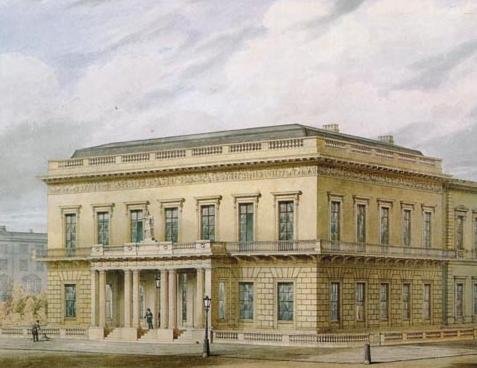
Anonymous drawing of the Athenaeum Club in London from the 1830s, showcasing historic architecture
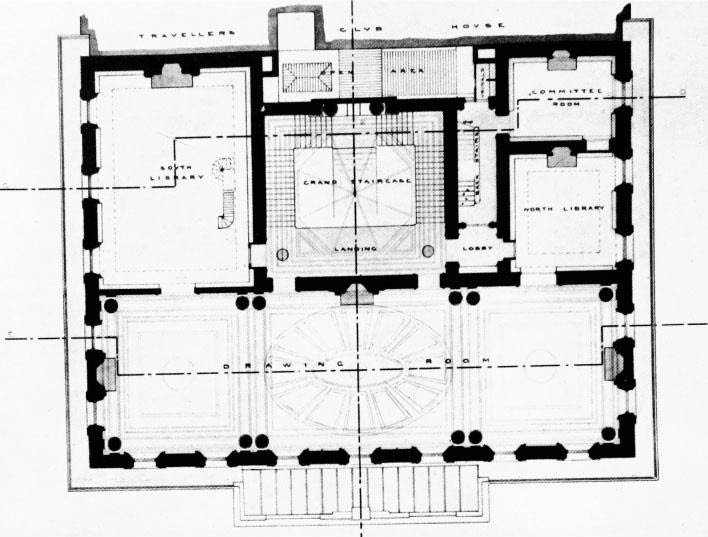
Detailed 1882 architectural drawing depicting the 1st floor layout of the Athenaeum with intricate design elements and floor plan illustration
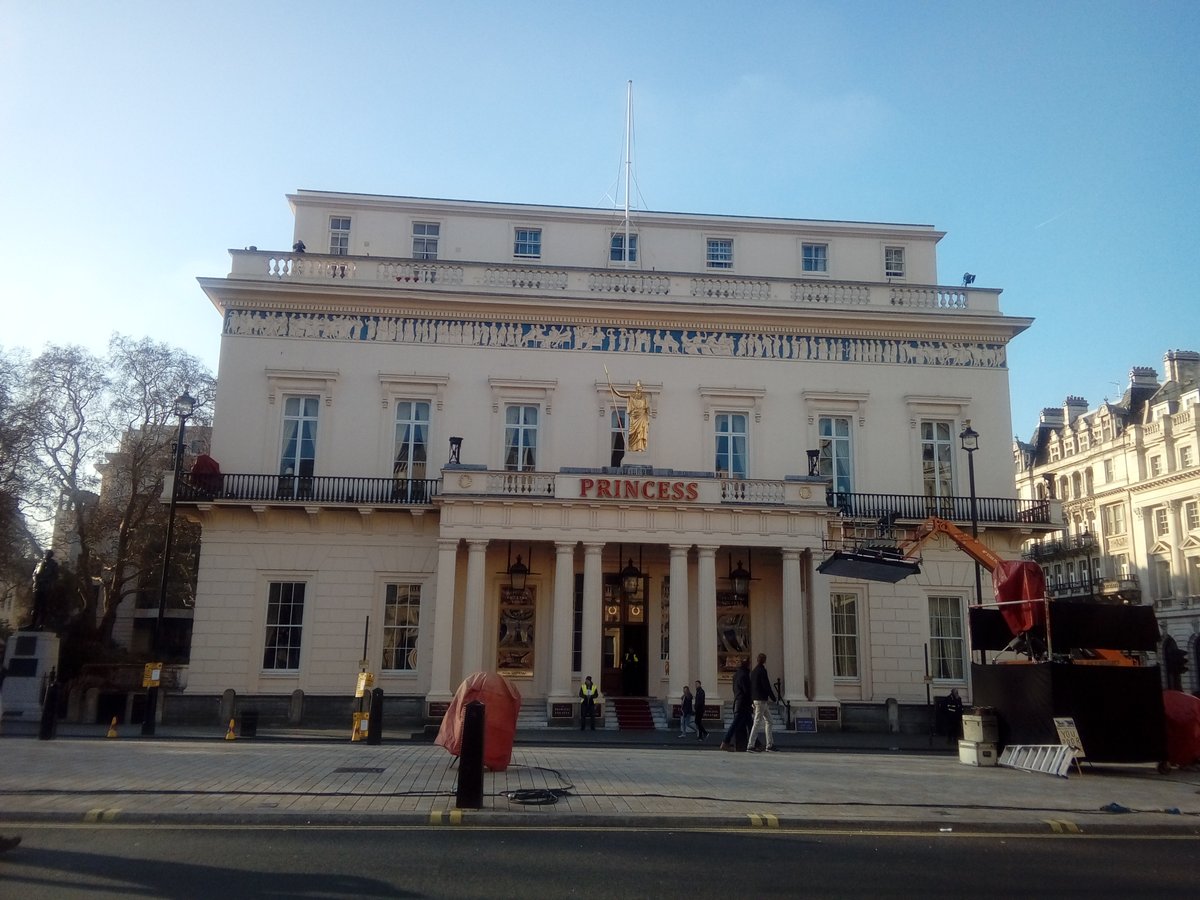
The Athenaeum Club building serving as Princess Theatre during the filming of The Crown, with visible film crew and equipment outside.
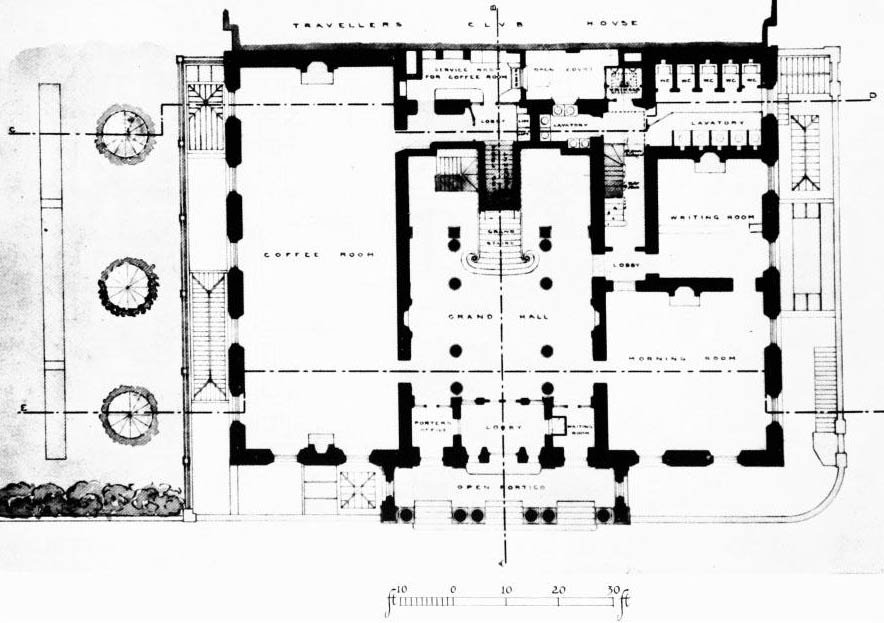
Detailed architectural drawing of the Athenaeum ground floor, created in 1882, showcasing the floor layout and design features of the historic building.
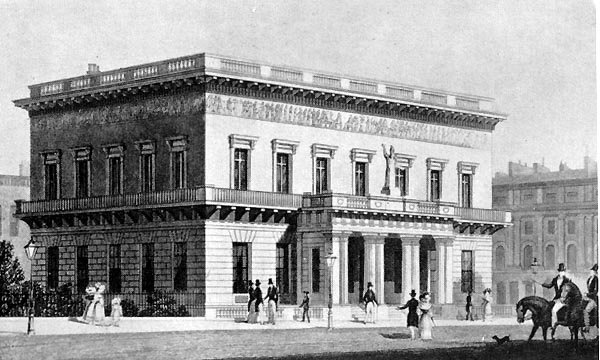
Engraved depiction of the Athenaeum Club in London from 1830, created by James Tingle based on a study by Thomas Hosmer Shepherd, showcasing historic architecture and street view.
Historical Background and Architectural Significance
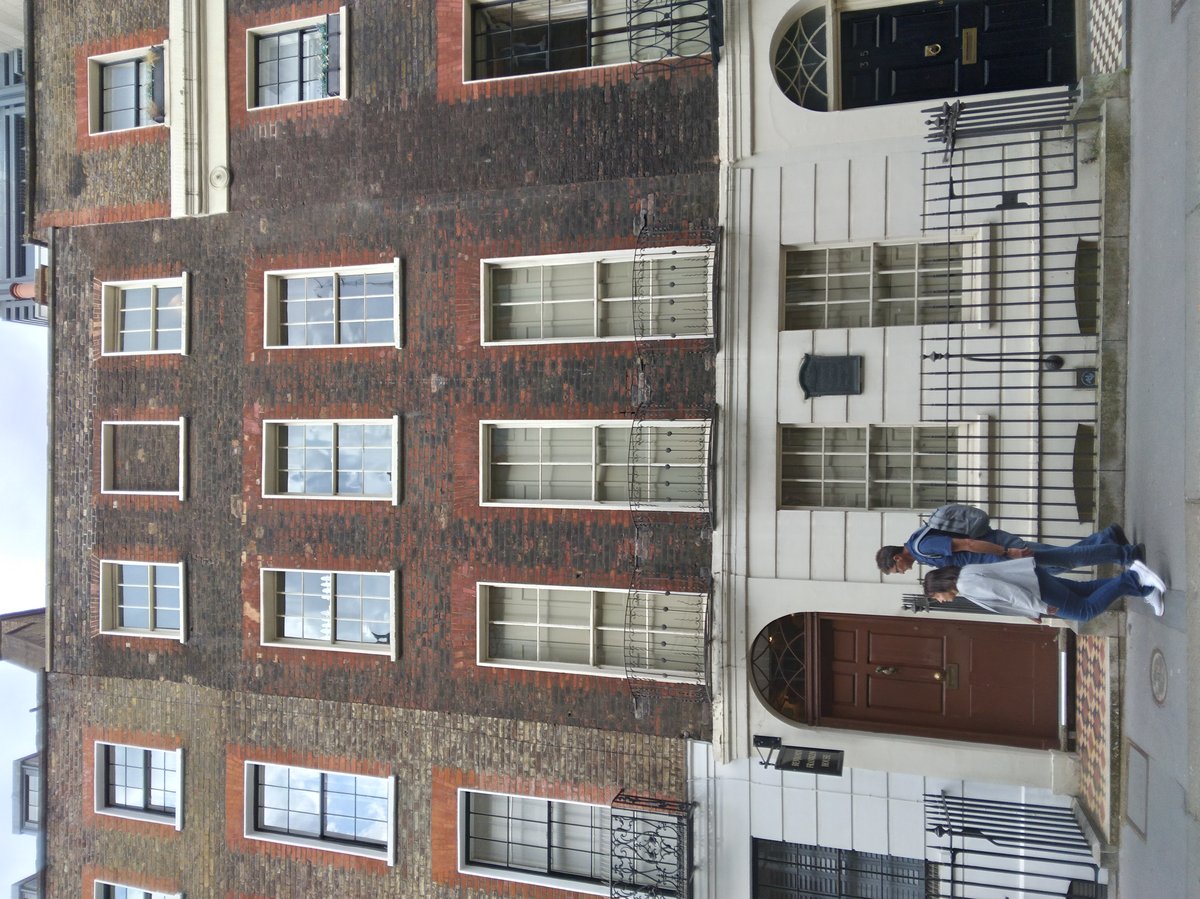
Founded as a gathering place for London’s intellectual elite, the Athenaeum diverged from the era’s typical gentlemen’s clubs by promoting merit and intellectual achievement over social or political status (Athenaeum Club History). The club’s Grade I listed home at 107 Pall Mall is defined by its grand Doric portico and the gilded statue of Athena, symbolizing wisdom atop the entrance. The Parthenon-inspired frieze further reinforces the club’s classical roots (Furniture History Society).
The interiors reflect Regency elegance, featuring ornate ceilings, marble fireplaces, and a celebrated library of over 70,000 volumes. Notably, Michael Faraday’s iron-tyred wheelchair is displayed on the main landing—a tribute to the club’s scientific legacy (Evening Standard).
Visiting Hours, Tickets, and Public Access
Visiting Hours
The Athenaeum Club does not maintain regular public visiting hours. Access is typically limited to members and their guests during standard club operating hours, which span weekdays from morning into late evening. Specific times are not publicly advertised due to the club’s exclusivity.
Ticketing and Public Access
- General Public: There are no standard tickets or entry for the general public.
- Special Events: Occasional public tours may be offered during heritage open days or through partnerships with organizations like the Furniture History Society (Furniture History Society). These are rare and should be monitored via official channels.
- Guests: Non-members may visit only as invited guests of current members, with prior notification to the club.
Accessibility
While the historic nature of the building presents some challenges, the Athenaeum has made efforts to improve accessibility. Step-free access and lifts are available, though some areas may pose difficulties. Visitors with specific needs should contact the club in advance to arrange assistance.
Membership Structure and Access Protocols
Membership Criteria and Process
Membership is exclusive and highly selective. Prospective members must be nominated and seconded by existing members and undergo a thorough vetting process. The club historically limited membership to leading figures across diverse fields, with both Proprietors (full members with voting rights) and Associate Members (Athenaeum Club History).
Fees and Financial Commitments
While the Athenaeum does not publicly disclose its fees, comparable London clubs set joining fees around £2,000 and annual subscriptions at approximately £1,500 (Business Insider).
Dress Code and Etiquette
The club enforces a strict dress code: men must wear a collared shirt and jacket (ties are optional before 7 pm), while women are expected to dress with equivalent formality. Service uniforms and traditional costumes are permitted; denim and sportswear are not, barring medical exceptions (Athenaeum Club Contact). Mobile phones may only be used in designated areas.
Facilities and Amenities
- Dining Rooms: Formal and informal spaces serving British and European cuisine.
- Library: Over 70,000 volumes, including rare editions and manuscripts.
- Drawing Rooms and Lounges: Elegant, art-filled settings for socializing or meetings.
- Private Meeting Rooms: Modern conferencing amenities within historic surroundings.
- Accommodation: Limited guest bedrooms for members and their guests.
Events, Tours, and Social Life
The Athenaeum maintains an active social calendar, with lectures, debates, cultural evenings, and seasonal celebrations. Some events occasionally invite guests or prospective members, though these are not routinely open to the public. Heritage society tours provide rare opportunities for non-members to experience the club’s atmosphere.
Nearby Attractions and Planning Your Visit
Situated at 107 Pall Mall, the Athenaeum is within walking distance of several key London landmarks:
- The Royal Academy of Arts
- St James’s Palace
- Trafalgar Square
- Green Park
The club is easily accessible via Green Park and Piccadilly Circus Underground stations. Due to limited parking, public transport is recommended.
Intellectual and Social Influence
Throughout its history, the Athenaeum has played a pivotal role in shaping British intellectual and cultural life, hosting debates and events that have influenced scientific, artistic, and literary progress (Humanists UK). Groups such as the Rainbow Circle and Romney Street Group have met here, reinforcing the club’s reputation as a center for discourse and innovation.
Inclusivity and Evolution
Originally male-only, the Athenaeum admitted women members in 2001, reflecting broader societal changes. In 2018, Jane Barker became the club’s first female chairman. Today, the Athenaeum’s nearly 2,000 members represent a broad spectrum of professions, including literature, the arts, science, law, and technology (Athenaeum Club).
Visitor Etiquette and Tips
- Dress Code: Adhere strictly to formal attire.
- Photography: Generally prohibited inside to preserve privacy.
- Conduct: Maintain discretion and civility at all times.
- Access: Only attend as a guest of a member or on a sanctioned tour.
- Planning: Explore nearby landmarks to enrich your visit.
Frequently Asked Questions (FAQ)
Can the public visit the Athenaeum Club?
No, except by invitation or during rare heritage society tours.
What are the visiting hours?
There are no public hours; access is limited to members and their guests.
Is the club accessible?
Efforts have been made to improve accessibility, but some historic features may still pose challenges. Contact the club for arrangements.
What is the dress code?
Formal attire is mandatory; see above for details.
Is photography allowed?
Not inside the club, except by permission during special events.
Listen to the full story in the app
Your Personal Curator, in Your Pocket.
Audio guides for 1,100+ cities across 96 countries. History, stories, and local insight — offline ready.
Audiala App
Available on iOS & Android
Join 50k+ Curators
Sources
- verified
- verified
- verified
- verified
- verified
- verified
- verified
- verified
Last reviewed: