Plan and listen to Alexandra Palace with Audiala.
Audio guide in your pocket, itinerary in your browser. Built for the way you actually visit.
Introduction
Alexandra Palace, affectionately known as 'Ally Pally,' is a historic entertainment venue located in North London. Since its opening in 1873, this iconic site has been a hub for cultural, recreational, and educational activities. Named in honor of Princess Alexandra of Denmark, Alexandra Palace was initially conceived as a public center for recreation, education, and entertainment. Over the years, it has played a significant role in various historical and cultural events, including the launch of the world's first regular high-definition television service by the BBC in 1936. The palace has survived two devastating fires, in 1873 and 1980, and has undergone extensive restoration efforts to preserve its architectural and cultural heritage. Today, Alexandra Palace continues to attract visitors from around the world, offering a diverse range of events, exhibitions, and activities. This comprehensive guide aims to provide essential information for anyone planning to visit Alexandra Palace, including its history, visitor tips, and nearby attractions. (source)

History of Alexandra Palace
Origins and Construction
The idea for Alexandra Palace was first proposed in 1858, and construction began in 1865. The palace was named in honor of Princess Alexandra of Denmark. The initial design featured a grand hall, a concert hall, a theater, and extensive grounds. The palace opened to the public on May 24, 1873, but just 16 days later, a devastating fire broke out, destroying much of the building. The palace was quickly rebuilt and reopened in 1875.
Early Years and Development
In its early years, Alexandra Palace served as a hub for various cultural and recreational activities. It hosted concerts, exhibitions, and sporting events, attracting visitors from all over London. One of the most significant events in the palace's early history was the Great Exhibition of 1873, which showcased the latest advancements in science, technology, and the arts.
Role in Broadcasting History
Alexandra Palace holds a special place in the history of broadcasting. In 1935, the British Broadcasting Corporation (BBC) chose the palace as the site for its first regular public television service. On November 2, 1936, the world's first regular high-definition television service was launched from Alexandra Palace.
Decline and Restoration
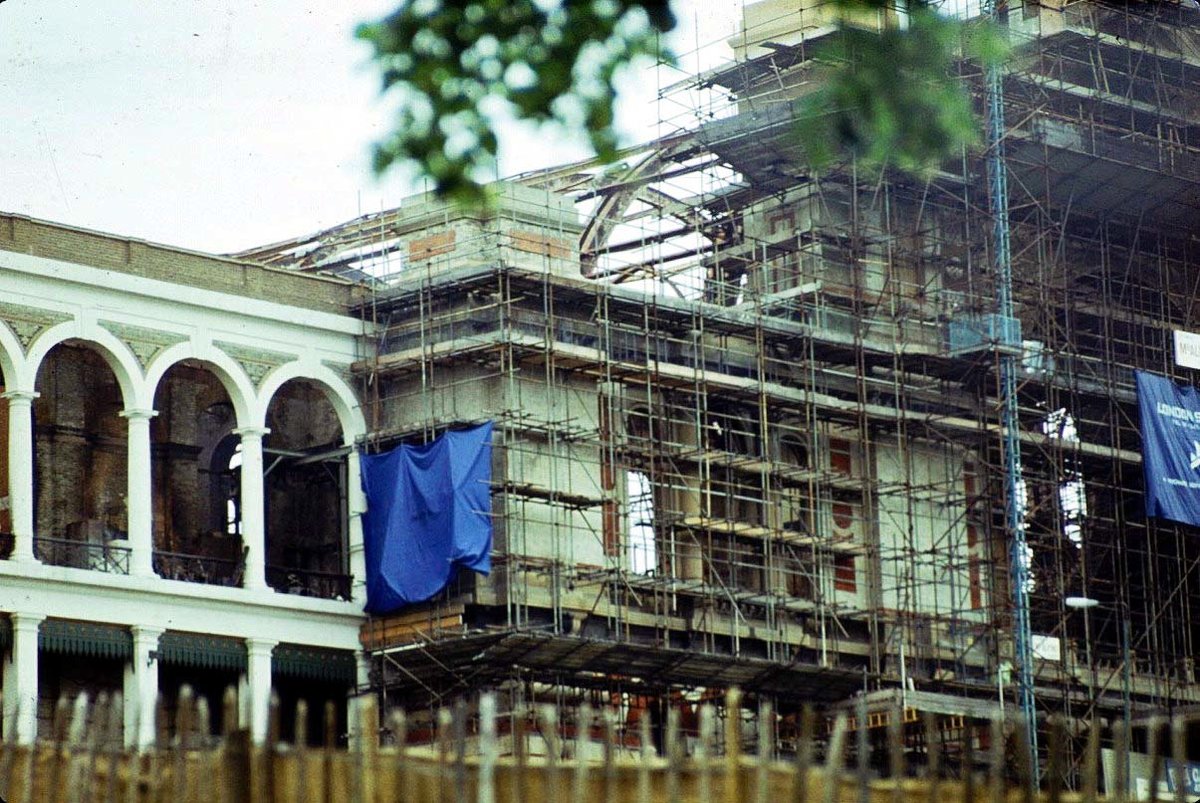
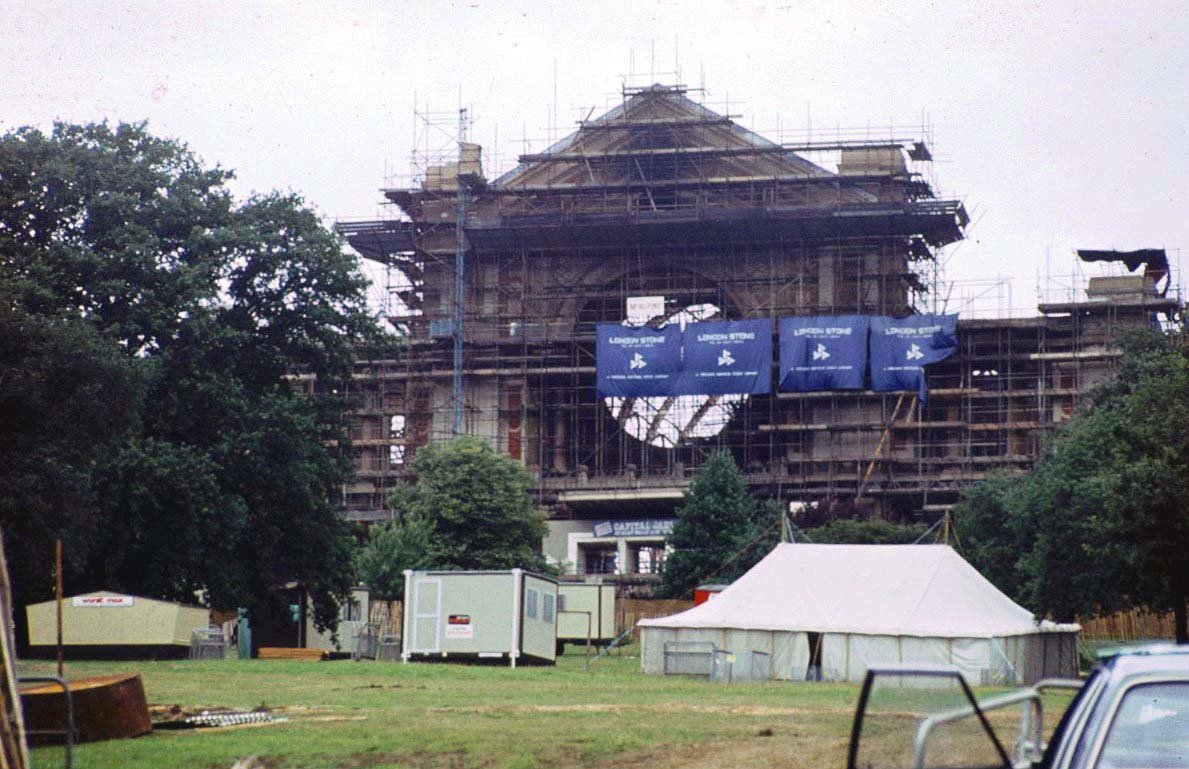
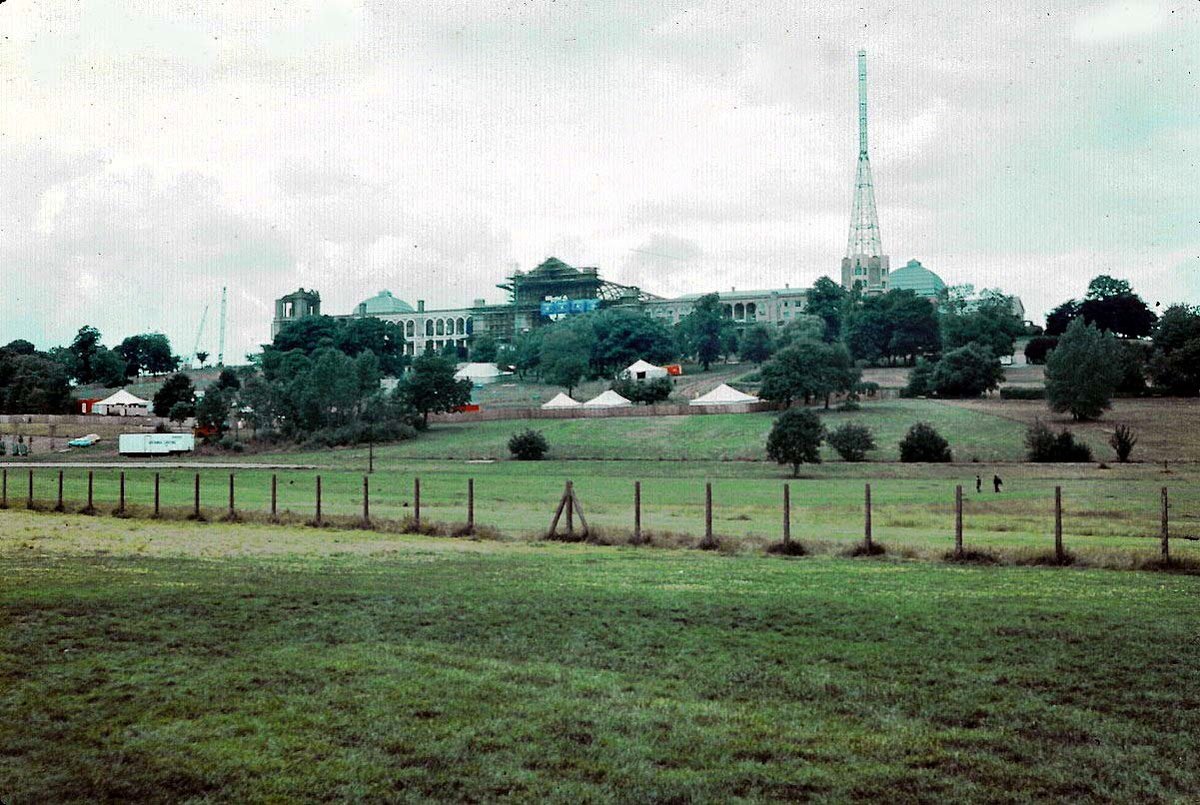
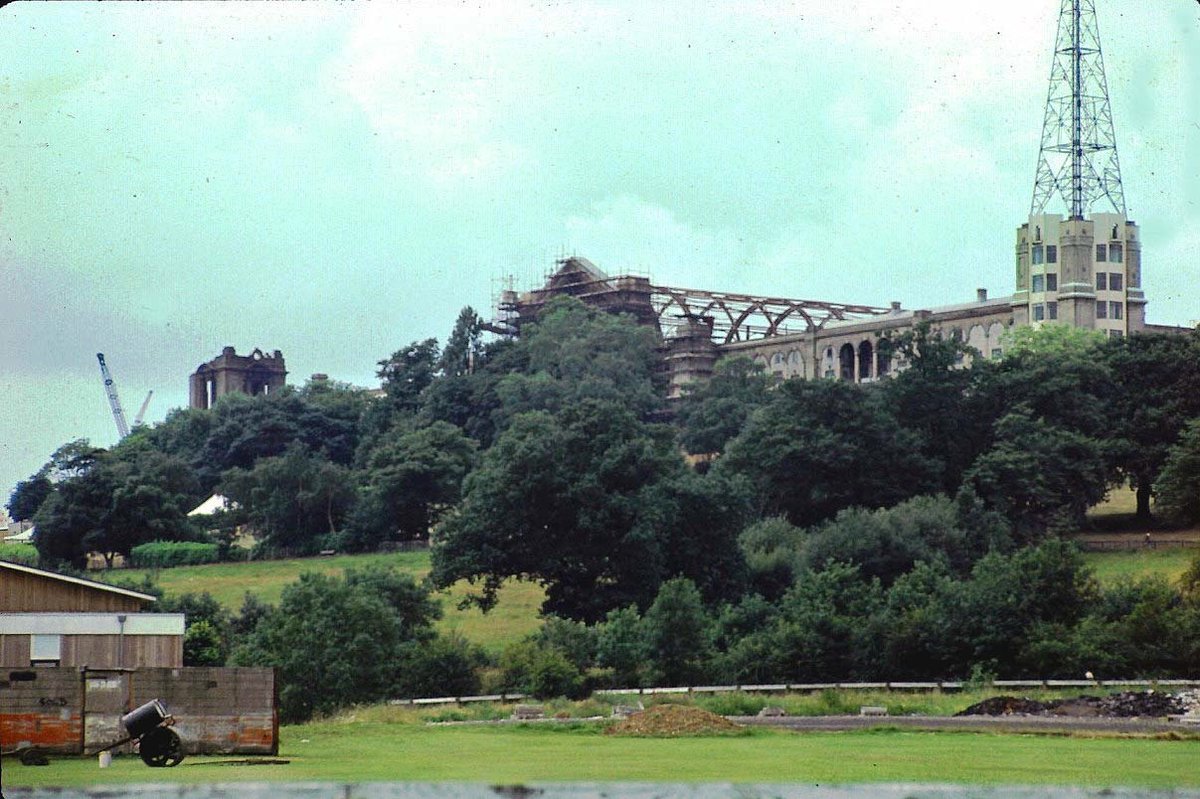
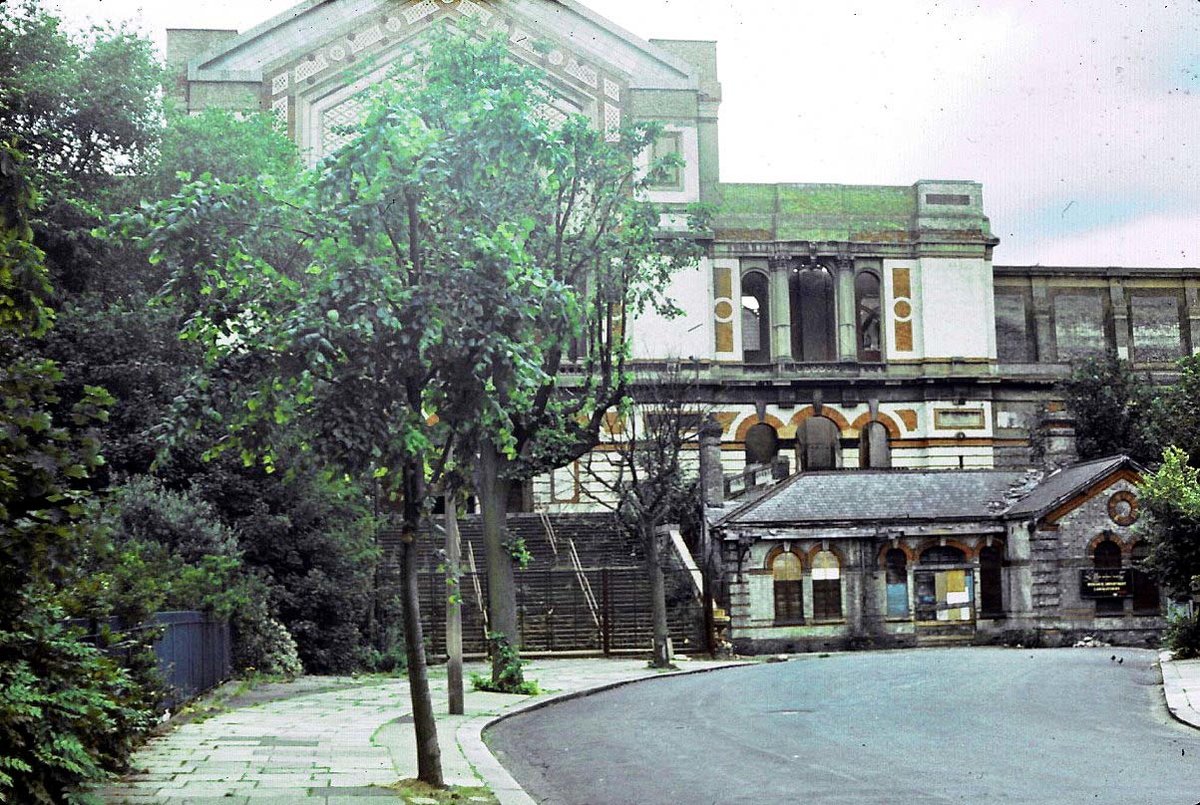
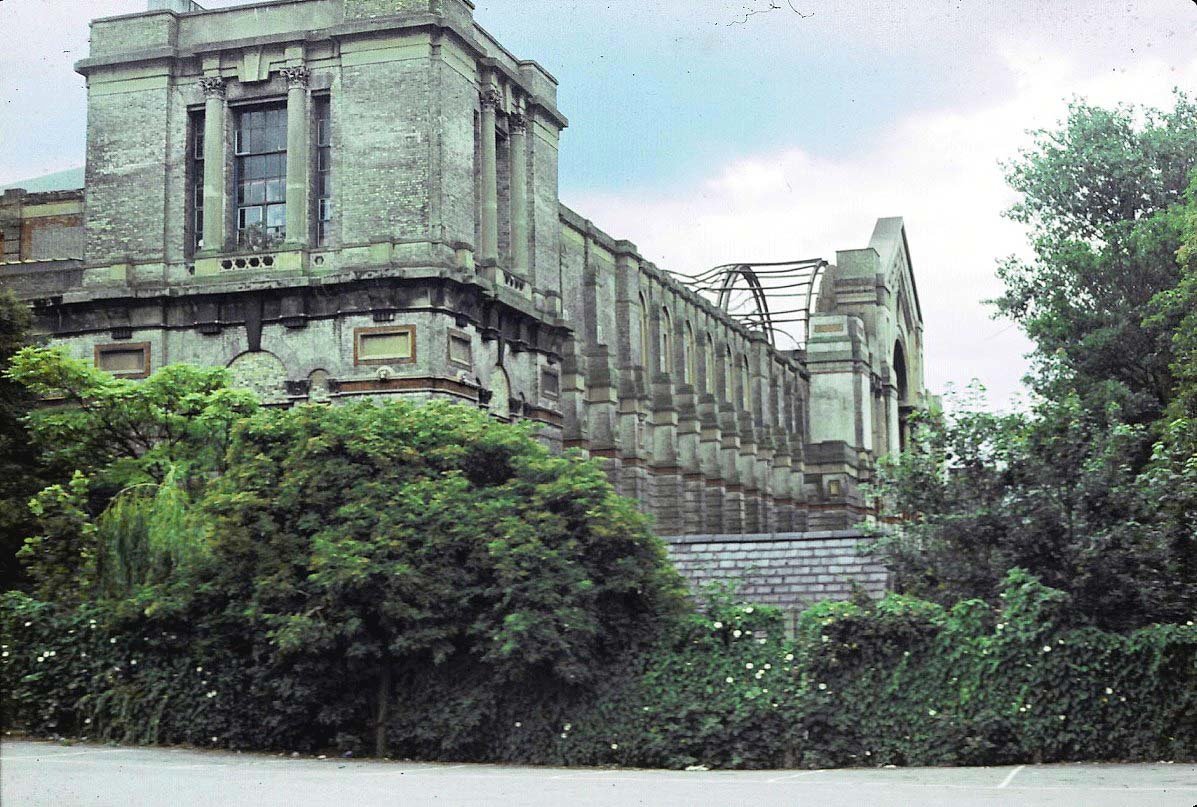
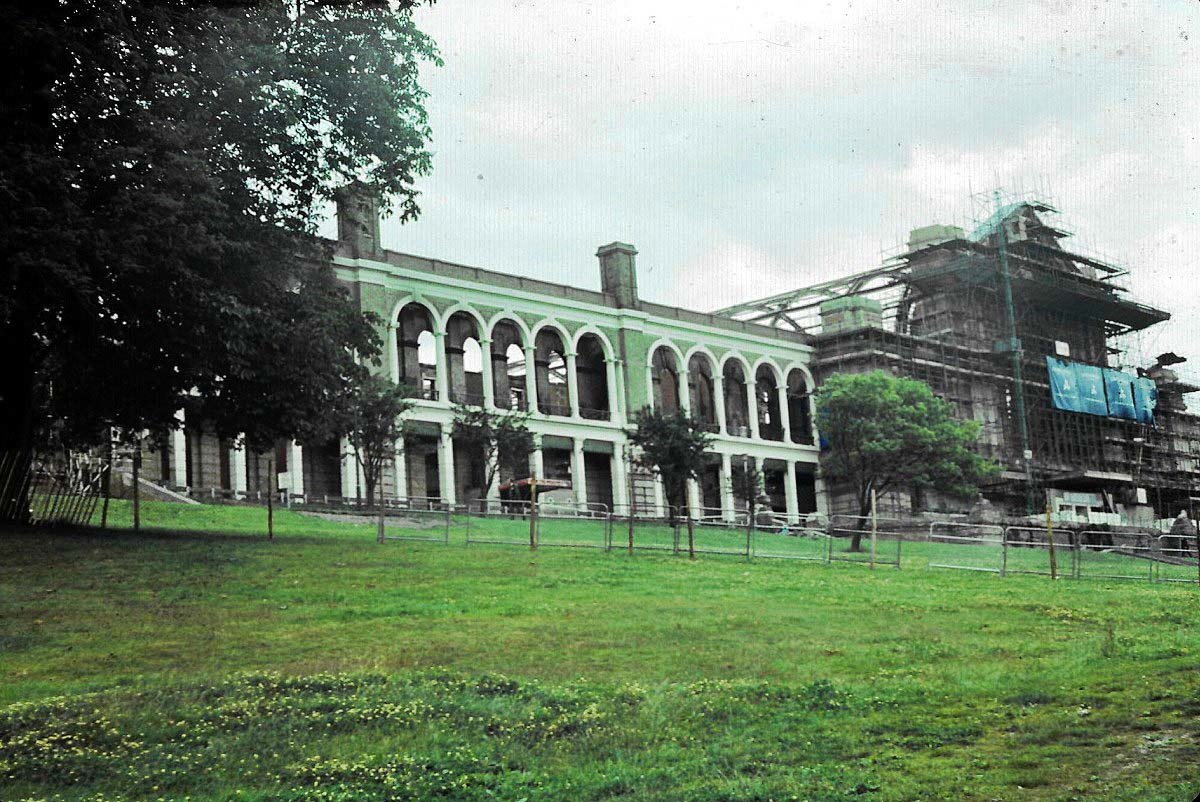
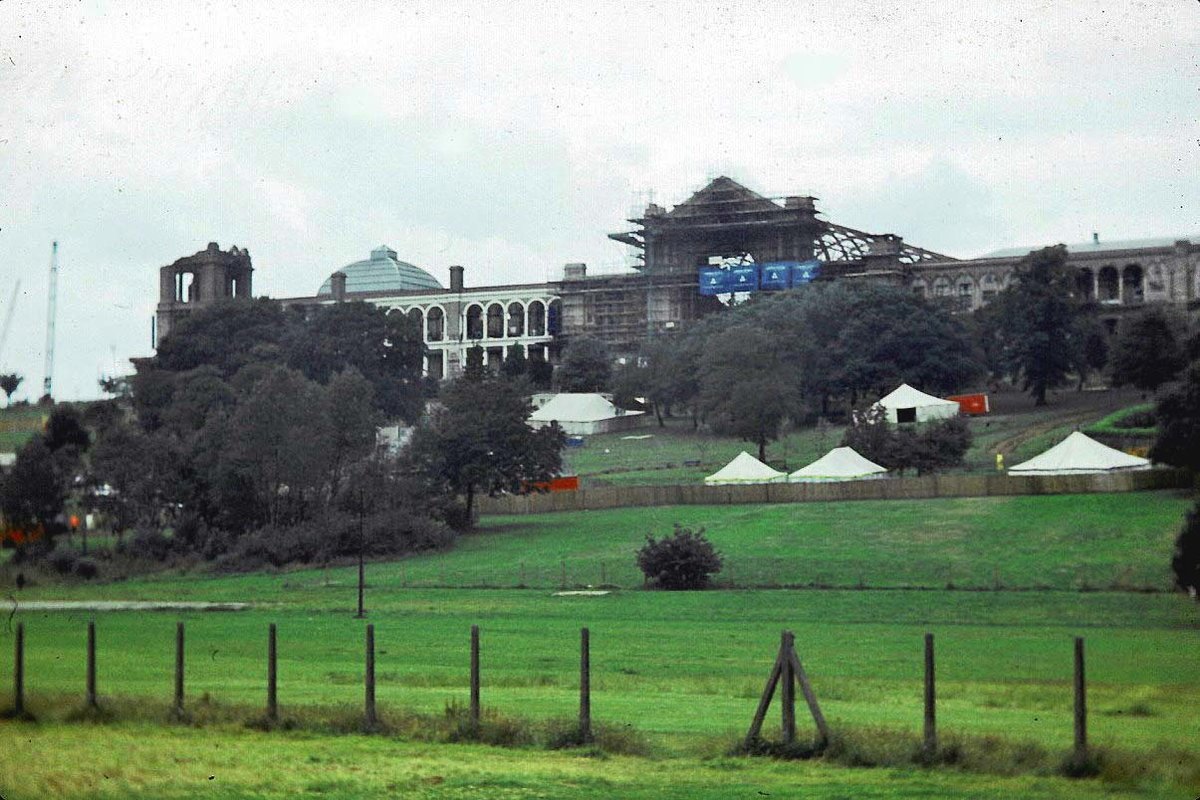
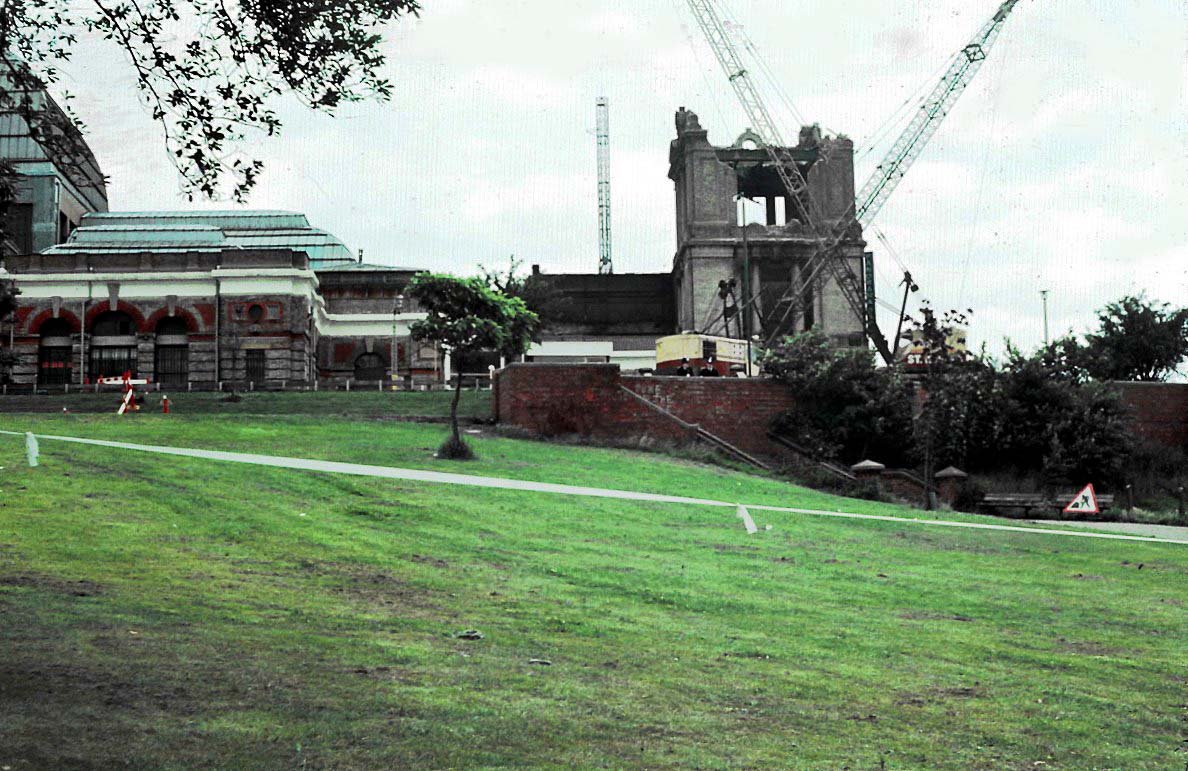
By the mid-20th century, Alexandra Palace had fallen into disrepair. Financial difficulties were compounded by another major fire in 1980. However, a dedicated group of local residents and preservationists rallied to save Alexandra Palace. In 1985, the Alexandra Palace and Park Trust was established to oversee the restoration and management of the site.
Modern Era and Cultural Significance
Today, Alexandra Palace has been restored and continues to serve as a vibrant cultural and entertainment venue. The palace hosts a wide range of events, including concerts, exhibitions, conferences, and sporting events. The annual fireworks display, held every November, is one of the most popular events. The palace is also home to the Alexandra Palace Theatre, which has been meticulously restored and now hosts a variety of theatrical performances.
Visitor Information
Visiting Hours and Tickets
Alexandra Palace is open throughout the year, but visiting hours may vary depending on the events scheduled. It is advisable to check the official Alexandra Palace website for the most up-to-date information on visiting hours and ticket prices.
Travel Tips
Alexandra Palace is easily accessible by public transport. The nearest train station is Alexandra Palace Station, which is a short walk from the venue. Alternatively, you can take the London Underground to Wood Green Station and then catch a shuttle bus to the palace. Parking is also available on-site for those traveling by car.
Nearby Attractions
While visiting Alexandra Palace, you might also want to explore nearby attractions such as:
- Alexandra Park: A beautiful park offering stunning views of London, perfect for a leisurely stroll or a picnic.
- Highgate Wood: A historic woodland area ideal for nature walks and outdoor activities.
- Hornsey Historical Society: A local history museum offering insights into the history of the surrounding area.
Accessibility
Alexandra Palace is committed to providing an accessible environment for all visitors. The venue offers step-free access, accessible toilets, and designated parking spaces for visitors with disabilities. For more detailed information, visit the accessibility section on the official website.
Notable Events and Exhibitions
Over the years, Alexandra Palace has hosted numerous notable events and exhibitions, including:
- The Great Exhibition of 1873: This landmark event showcased the latest advancements in science, technology, and the arts.
- The 1936 Launch of BBC Television: The world's first regular high-definition television service was launched from Alexandra Palace.
- The 1967 International Broadcasting Convention: This major industry event brought together broadcasters and media professionals from around the world.
- The 2012 Olympic Games: During the London 2012 Olympic Games, Alexandra Palace served as a hospitality center for athletes and officials.
Preservation and Future Plans
The Alexandra Palace and Park Trust continues to work on preserving and enhancing the site for future generations. Recent restoration projects have focused on improving accessibility, upgrading facilities, and preserving the palace's historic features. The trust also aims to expand the range of events and activities offered at the palace.
In 2017, a major restoration project was completed, which included the reopening of the East Court and the restoration of the Victorian Theatre. Looking ahead, the trust has ambitious plans for further development and enhancement of the site.
FAQ
Q: What are the visiting hours for Alexandra Palace?
A: Visiting hours vary depending on the events scheduled. It is best to check the official website for the most up-to-date information.
Q: How can I purchase tickets for events at Alexandra Palace?
A: Tickets can be purchased online through the official Alexandra Palace website or at the venue's box office.
Q: Is Alexandra Palace accessible for visitors with disabilities?
A: Yes, Alexandra Palace offers step-free access, accessible toilets, and designated parking spaces for visitors with disabilities.
Q: What are some nearby attractions to Alexandra Palace?
A: Nearby attractions include Alexandra Park, Highgate Wood, and the Hornsey Historical Society.
Listen to the full story in the app
The whole Alexandra Palace,
told well.
Audio guides for 1,100+ cities across 96 countries. History, stories, and local insight — offline ready.
Verified, and shown.
Researched and written by the Audiala editorial team from historical records, architectural archives, and local expertise.
Researched from Wikidata, Wikipedia & official sources · fact-checked · How we make our guides →