Plan and listen to Albert Memorial with Audiala.
Audio guide in your pocket, itinerary in your browser. Built for the way you actually visit.
Introduction
Kensington Gardens, nestled in the heart of London, is a historic and cultural gem that offers a serene retreat from the bustling city. Originally part of Hyde Park, the gardens have evolved over centuries to become a distinct and cherished green space. With its rich history, architectural marvels, and cultural significance, Kensington Gardens provides a unique blend of historical and contemporary experiences for visitors. From the majestic Kensington Palace to the enchanting Peter Pan statue, the gardens are home to numerous attractions that cater to diverse interests. This comprehensive guide will delve into the history, key attractions, visiting information, and tips for making the most of your visit to Kensington Gardens. Whether you're a history enthusiast, an art lover, or simply looking for a peaceful escape, Kensington Gardens has something for everyone (Royal Parks).

Exploring Kensington Gardens - History, Visiting Hours, and Tips
History of Kensington Gardens
Origins and Early Development
Kensington Gardens, originally part of Hyde Park, has a rich history dating back to the early 17th century. The land was acquired by King Henry VIII in 1536 for hunting purposes. However, it wasn't until 1689, when King William III and Queen Mary II ascended to the throne, that the area began to take shape as we know it today. The royal couple purchased Nottingham House, which was subsequently transformed into Kensington Palace. The gardens surrounding the palace were designed to provide a serene and private retreat for the monarchs (Royal Parks).
18th Century Transformations
The early 18th century saw significant changes under the direction of Queen Caroline, the wife of King George II. In 1728, she commissioned Charles Bridgeman, a renowned landscape architect, to redesign the gardens. Bridgeman's vision included the creation of the Round Pond, the Broad Walk, and the Serpentine, a large artificial lake that now separates Kensington Gardens from Hyde Park (Historic Royal Palaces).
Victorian Era Enhancements
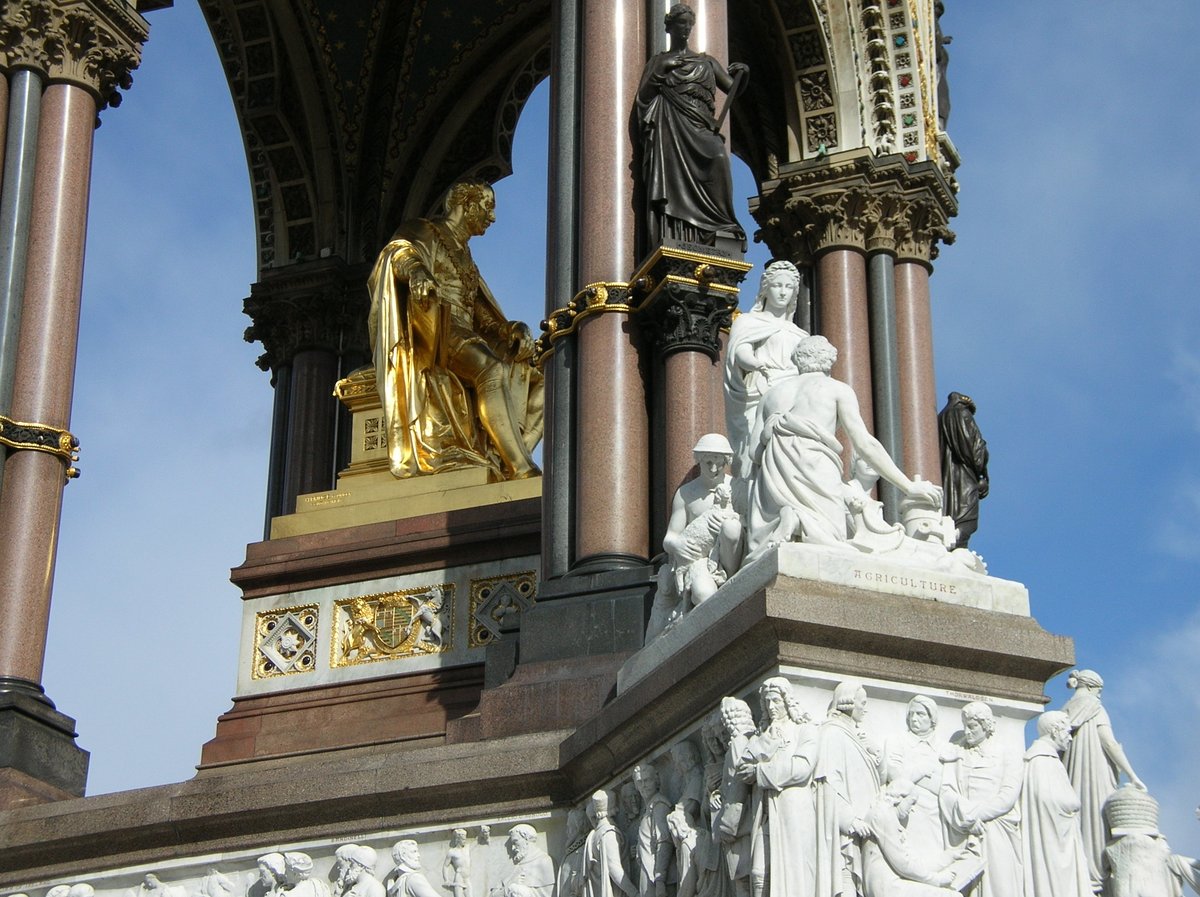
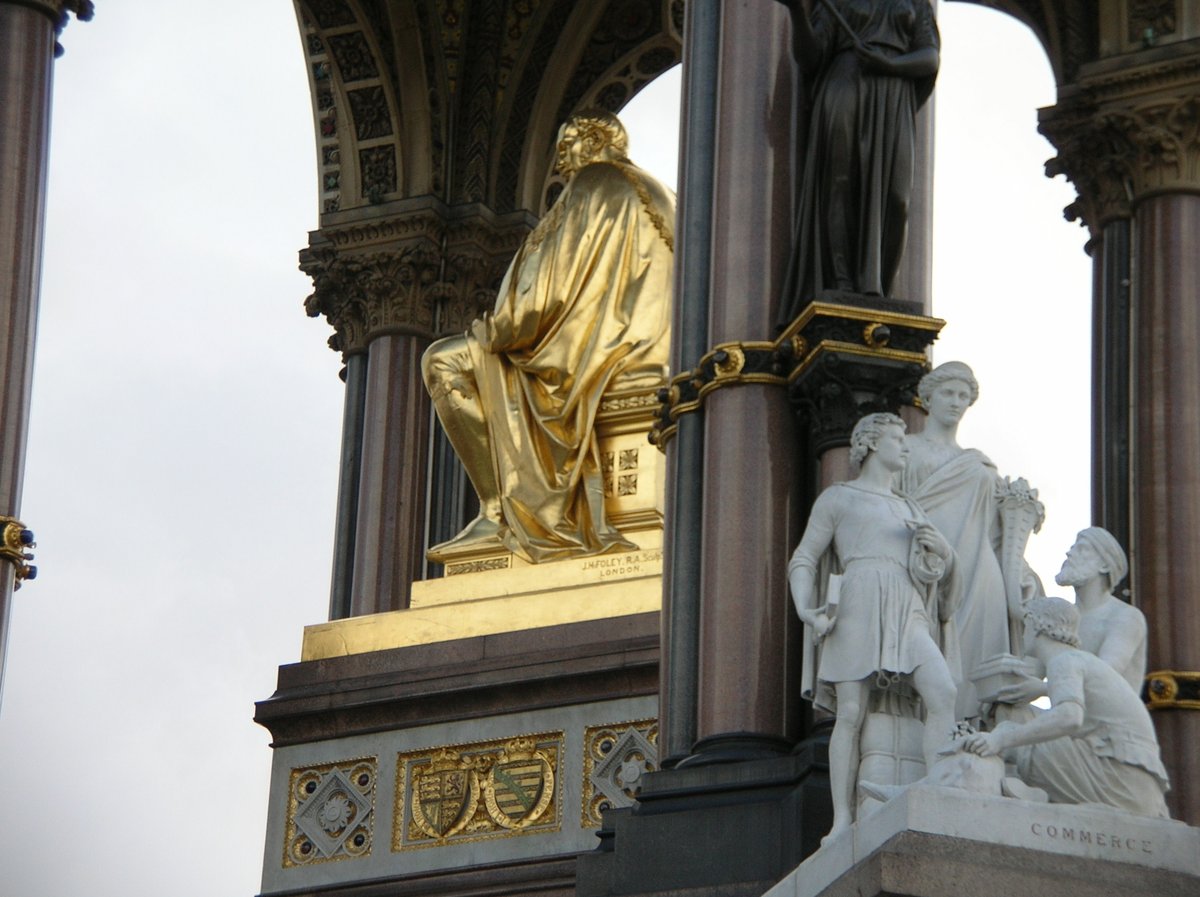
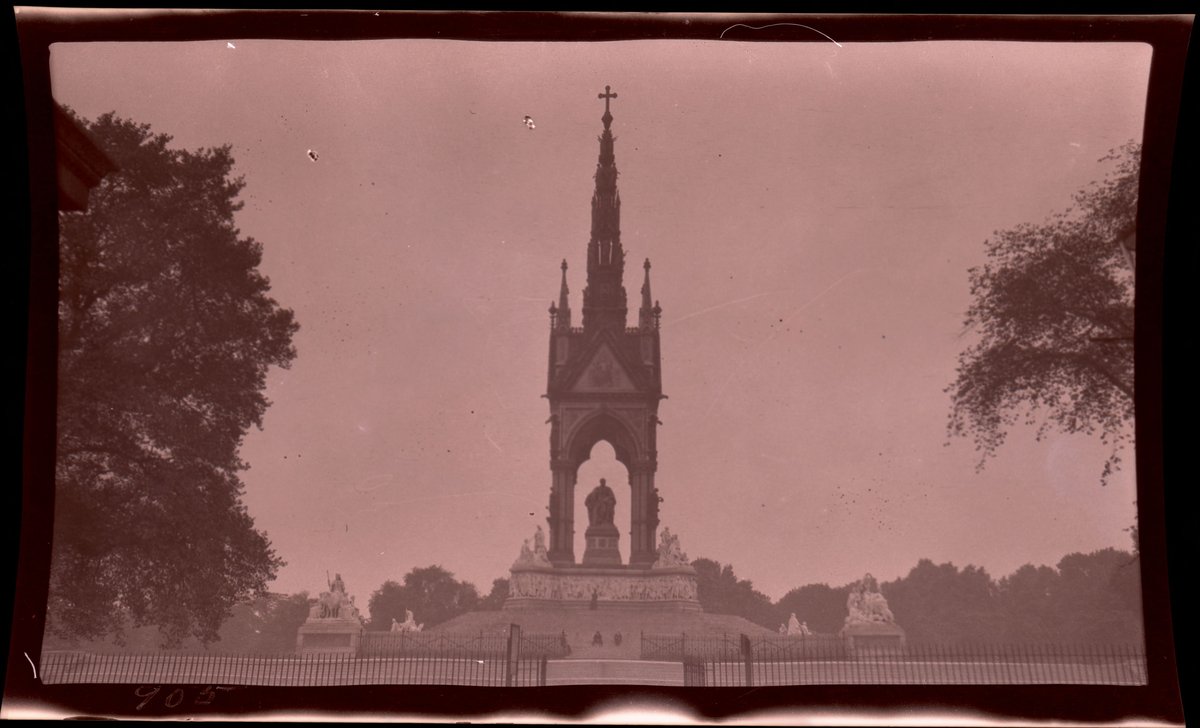
The Victorian era brought further enhancements to Kensington Gardens. Queen Victoria, who was born at Kensington Palace in 1819, had a deep connection to the gardens. During her reign, the gardens were opened to the public, and several monuments and statues were erected. One of the most notable additions was the Albert Memorial, unveiled in 1872 in memory of her husband, Prince Albert. Designed by Sir George Gilbert Scott, the memorial is a striking example of Gothic Revival architecture (Victoria and Albert Museum).
20th Century Developments
The 20th century saw Kensington Gardens evolve into a space that balanced historical preservation with modern amenities. During World War II, parts of the gardens were used for growing vegetables as part of the "Dig for Victory" campaign. Post-war, the gardens underwent restoration and continued to serve as a public park. In 1960, the Serpentine Gallery was established, further cementing the gardens' role as a cultural hub (Serpentine Galleries).
Recent Additions and Conservation Efforts
In recent years, Kensington Gardens has seen the addition of contemporary art installations and ongoing conservation efforts. The Diana, Princess of Wales Memorial Playground, opened in 2000, is a tribute to the late princess and a popular attraction for families. The Italian Gardens, a gift from Prince Albert to Queen Victoria, have also been meticulously restored, showcasing the gardens' blend of historical and modern elements (Royal Parks).
Architectural Highlights
Kensington Gardens is home to several architectural marvels that reflect its storied past. Kensington Palace itself is a prime example of Jacobean architecture, with later additions by Sir Christopher Wren. The Orangery, built in 1704, served as a greenhouse and a venue for royal entertainments. Today, it functions as a café and event space, offering visitors a glimpse into the opulent lifestyle of the past (Historic Royal Palaces).
Cultural Significance
Kensington Gardens holds a special place in British cultural history. It has been the setting for numerous literary works, including J.M. Barrie's "Peter Pan." The Peter Pan statue, erected in 1912, remains a beloved landmark. The gardens have also inspired artists and poets, serving as a muse for works that capture the essence of London's green spaces (Royal Parks).
Visitor Information
Visiting Hours and Tickets
Kensington Gardens is open daily from 6:00 AM to dusk. There is no entry fee to explore the gardens, making it an accessible destination for all visitors. However, some attractions within the gardens, such as Kensington Palace, may have specific visiting hours and ticket prices. It is advised to check the official Royal Parks website for the most current information.
Accessibility
The gardens are mostly wheelchair accessible, with paved paths and ramps available at key locations. Accessible restrooms are also available. For detailed accessibility information, visitors can refer to the Royal Parks accessibility guide.
Travel Tips and Nearby Attractions
Kensington Gardens is conveniently located near several other notable attractions. Visitors can explore the adjacent Hyde Park, visit the Victoria and Albert Museum, or take a short walk to the Natural History Museum. For those looking to extend their day out, the nearby Notting Hill area offers a variety of shops, cafés, and the famous Portobello Road Market.
FAQ
What are the opening hours of Kensington Gardens?
Kensington Gardens is open daily from 6:00 AM to dusk.
Is there a fee to enter Kensington Gardens?
There is no entry fee to explore Kensington Gardens. However, certain attractions within the gardens may have specific ticket prices.
Are Kensington Gardens wheelchair accessible?
Yes, the gardens are mostly wheelchair accessible, with paved paths and ramps available at key locations.
Tickets & tours.
These are guided options from our partners — same price as booking direct.
Prices are indicative — final pricing and availability are confirmed at checkout. Audiala may earn a commission from bookings made through these links.
Listen to the full story in the app
The whole Albert Memorial,
told well.
Audio guides for 1,100+ cities across 96 countries. History, stories, and local insight — offline ready.
Verified, and shown.
Researched and written by the Audiala editorial team from historical records, architectural archives, and local expertise.
Kensington Gardens
The Gardens
The Albert Memorial
Serpentine Galleries
Kensington Gardens
Researched from Wikidata, Wikipedia & official sources · fact-checked · How we make our guides →