Plan and listen to Admiralty Arch with Audiala.
Audio guide in your pocket, itinerary in your browser. Built for the way you actually visit.
Introduction
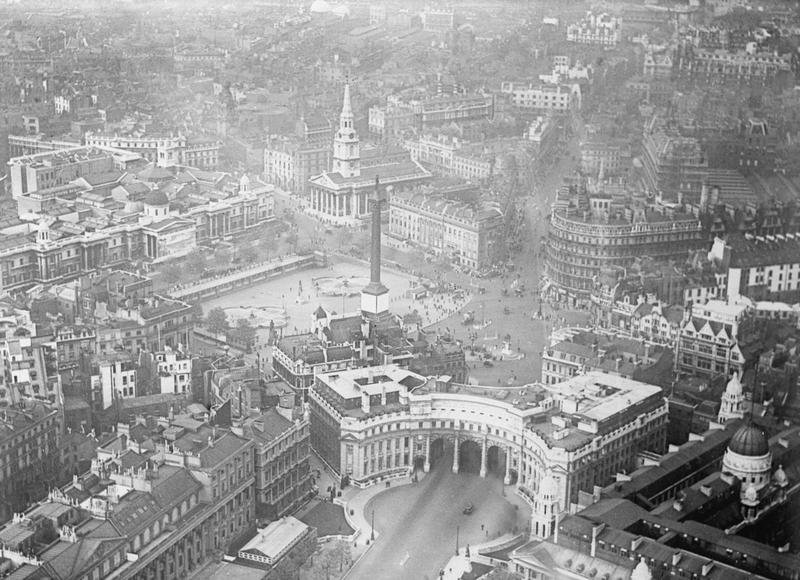
Admiralty Arch is a quintessential landmark in London, known for its blend of historical significance and architectural grandeur. Commissioned by King Edward VII in memory of his mother, Queen Victoria, the arch was completed in 1912 and designed by Sir Aston Webb, who also worked on the façade of Buckingham Palace (source). Strategically located at the end of The Mall, it serves as a ceremonial gateway from Trafalgar Square to Buckingham Palace, making it a focal point for numerous royal processions and state occasions. This comprehensive guide provides all necessary information for potential visitors, from the arch's rich historical background and architectural features to practical details like visiting hours, ticket information, and travel tips. Whether you are a history buff, an architecture enthusiast, or a curious traveler, this guide will help you make the most of your visit to Admiralty Arch.

Early Conception and Construction
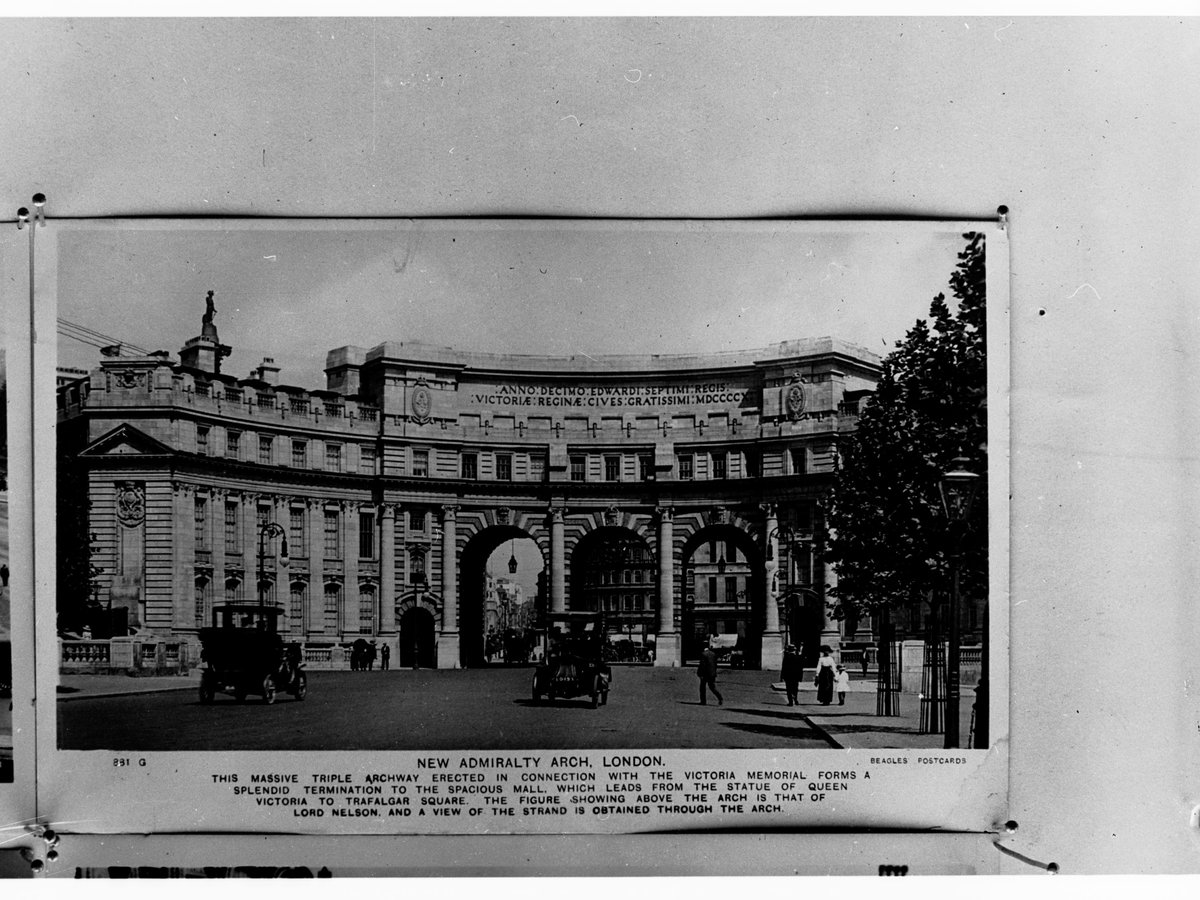
Admiralty Arch was commissioned by King Edward VII in memory of his mother, Queen Victoria. The structure, designed by Sir Aston Webb, also responsible for the façade of Buckingham Palace, was constructed between 1905 and 1912. The arch was part of a grander scheme to establish a ceremonial route from Trafalgar Square to Buckingham Palace, enhancing the British monarchy's grandeur.
Architectural Design and Features
Admiralty Arch is a quintessential example of Edwardian Baroque architecture, characterized by its grandiose and elaborate style. The structure comprises five arches, with the central arch reserved for ceremonial use. The two outer arches are for vehicular traffic, while the two inner arches are for pedestrians. The arch is adorned with numerous sculptures and inscriptions, including a Latin inscription that translates to, "In the tenth year of King Edward VII, to Queen Victoria, from most grateful citizens, 1910."
The arch also features a statue of Queen Victoria, sculpted by Sir Thomas Brock, prominently above the central arch. The intricate detailing and craftsmanship of the arch reflect the architectural prowess of the early 20th century.
Historical Significance
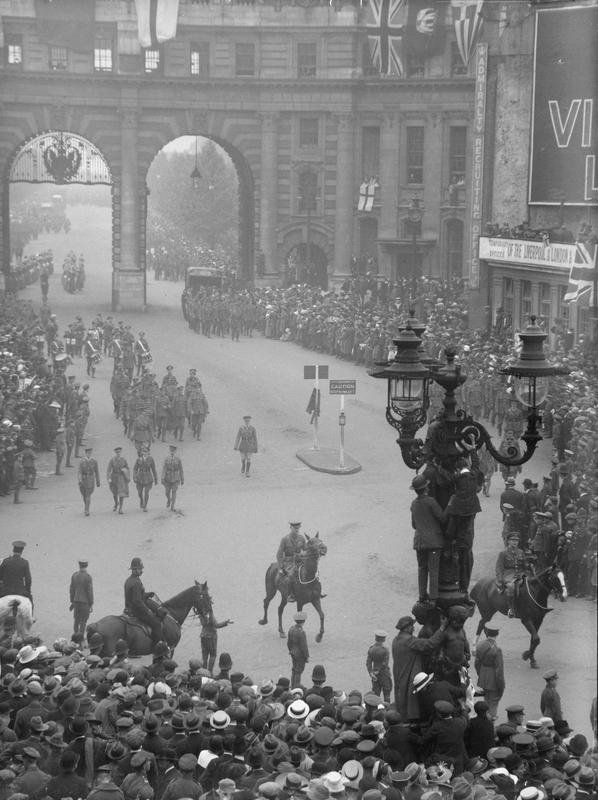
Admiralty Arch has played a significant role in British history, serving as a ceremonial gateway for royal processions and state occasions. It has witnessed numerous historical events, including coronations, state funerals, and national celebrations. The arch is also a symbol of the British Empire's grandeur and the nation’s architectural heritage. During World War II, Admiralty Arch was used as a strategic location for military operations, housing the offices of the Royal Navy.
Visitor Information
Admiralty Arch Visiting Hours
Admiralty Arch is open to visitors from 9 AM to 6 PM daily.
Ticket Prices
Entry to Admiralty Arch is free. However, guided tours may have associated costs.
Accessibility
Admiralty Arch is accessible to visitors with disabilities, with ramps and accessible pathways available.
Modern-Day Usage and Renovations
In recent years, Admiralty Arch has undergone significant renovations to preserve its historical and architectural integrity. In 2012, the arch was leased to a private developer for 99 years, with plans to convert it into a luxury hotel and private residences. The renovation project aims to restore the arch to its former glory while adapting it for modern use.
Cultural Impact and Legacy
Admiralty Arch has left an indelible mark on British culture and history. It has been featured in numerous films, television shows, and literary works, cementing its status as an iconic symbol of London. The arch’s grandeur and historical significance continue to attract tourists from around the world, making it a must-visit destination for those exploring the city’s rich heritage.
Nearby Attractions
After visiting Admiralty Arch, you can explore nearby sites such as:
- Trafalgar Square: A bustling public square with historical monuments and fountains.
- Buckingham Palace: The official residence of the British monarch.
- The National Gallery: Home to a vast collection of Western European paintings.
Notable Events and Anecdotes
One notable event is the annual New Year’s Day Parade, which passes through the arch, attracting thousands of spectators. The arch has also been the site of various protests and demonstrations, reflecting its role as a focal point for public expression and civic engagement.
An interesting anecdote about Admiralty Arch is the presence of a small nose sculpture on one of its arches. The nose, believed to be a tribute to the Duke of Wellington, has become a quirky and lesser-known attraction for visitors. The origin of the nose remains a mystery, adding to the arch’s intrigue and charm.
Preservation Efforts and Future Prospects
Preserving Admiralty Arch’s historical and architectural significance is a priority for both the government and private developers. The renovation project aims to strike a balance between modernizing the structure and preserving its historical features. Efforts are being made to ensure that the arch remains accessible to the public while adapting it for contemporary use.
The future prospects for Admiralty Arch are promising, with plans to transform it into a luxury hotel and cultural hub. The project aims to enhance the arch’s appeal as a tourist destination while preserving its historical legacy. The arch’s transformation is expected to attract more visitors and contribute to the city’s cultural and economic growth.
FAQ
- What are the visiting hours for Admiralty Arch? Admiralty Arch is open to visitors from 9 AM to 6 PM daily.
- Is there an entry fee for Admiralty Arch? Entry to Admiralty Arch is free. However, guided tours may have associated costs.
- Is Admiralty Arch accessible for visitors with disabilities? Yes, Admiralty Arch is accessible to visitors with disabilities. There are ramps and accessible pathways.
- Are there any notable events associated with Admiralty Arch? Admiralty Arch hosts the annual New Year’s Day Parade and has been the site of various protests and demonstrations.
Listen to the full story in the app
The whole Admiralty Arch,
told well.
Audio guides for 1,100+ cities across 96 countries. History, stories, and local insight — offline ready.
Verified, and shown.
Researched and written by the Audiala editorial team from historical records, architectural archives, and local expertise.
Researched from Wikidata, Wikipedia & official sources · fact-checked · How we make our guides →