Introduction
The first time you step onto a quiet stretch of the Thames Path near Rotherhithe at dusk, the city surprises you: the air smells of river mud and distant diesel, gulls wheel overhead, and the skyline beyond Tower Bridge looks almost too cinematic to be real. London, United Kingdom, refuses to sit still; it is a place where a 900-year-old fortress still guards the Crown Jewels while a Brutalist rooftop garden serves flat whites 22 floors above the same streets once walked by Romans.
This is a city of deliberate clusters rather than isolated sights. You can spend a morning inside the hushed stone chambers of Westminster Abbey listening to the echo of 1,000 years of coronations, then cross the river and stand on the viewing terrace of Tate Modern watching the light shift across the Shard at 310 metres. The same ticket that gets you into the Tower of London also buys you the story of ravens, treason, and the world’s most secure collection of royal regalia.
What keeps pulling curious travellers back is the layered texture: the salt-beef beigels handed through a hatch on Brick Lane at 3 a.m., the sudden green hush of Postman’s Park with its memorial to ordinary heroes, the way a single day can move from the incense-heavy Arab Hall of Leighton House to the open-air echoes of Shakespeare’s Globe. London does not merely display its past; it lets you walk through it, eat inside it, and leave with the quiet understanding that every pavement slab has several stories stacked beneath your shoes.
$100 British Street Food Challenge!! London’s Borough Market!!
More Best Ever Food Review ShowPlaces to Visit
The Most Interesting Places in London
Palace of Westminster
The Palace of Westminster stands as one of London's most iconic and historically significant landmarks, embodying centuries of British political heritage,…
British Museum
The British Museum Reading Room in London is more than just a repository of books; it's a historical and architectural icon that has mesmerized scholars and…
Royal Observatory
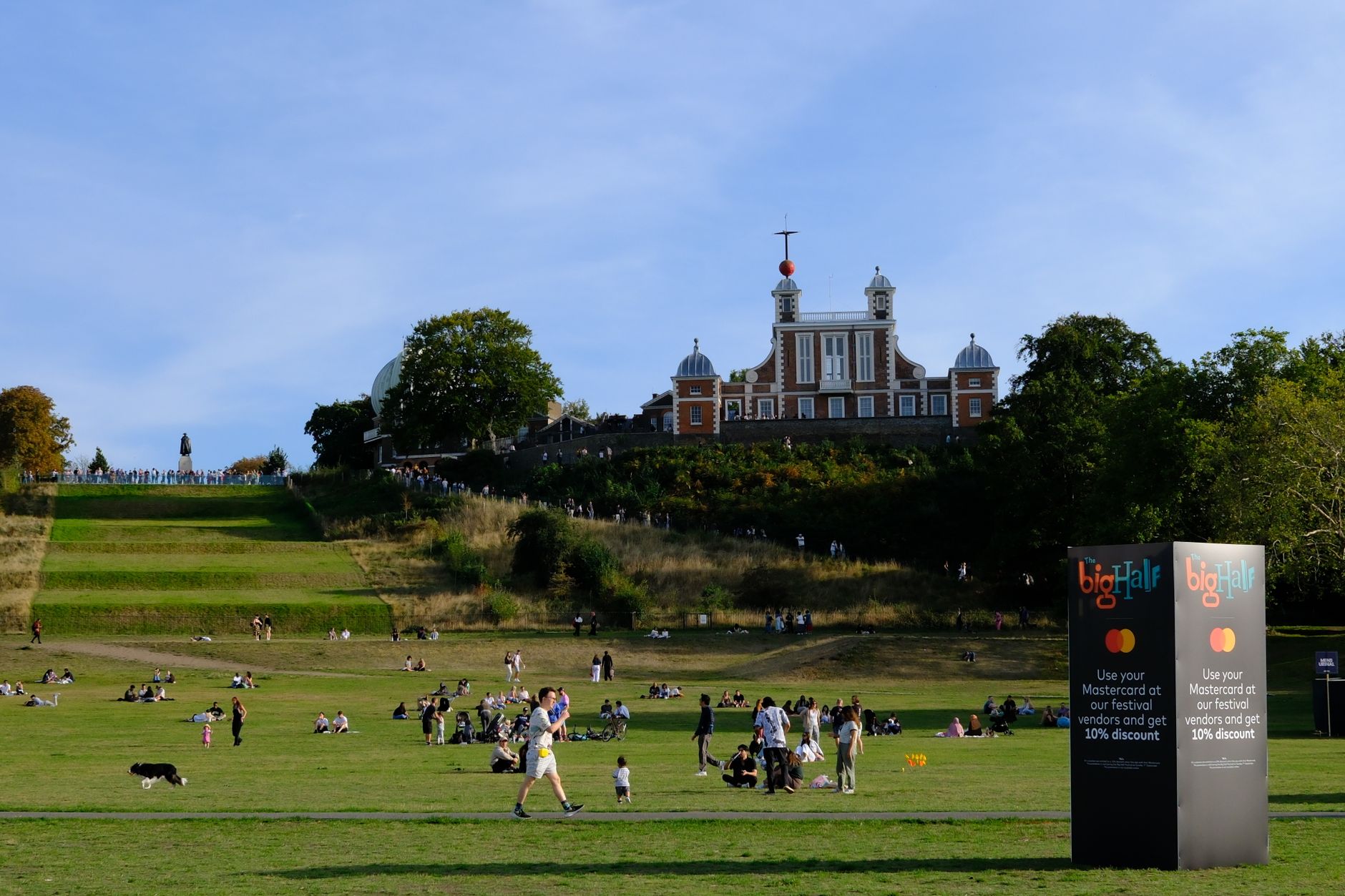
Built in 1675 for just £520, this hilltop observatory set the time for the entire world — and still drops a red ball at 1pm every single day.
Buckingham Palace
Buckingham Palace stands as one of London’s most celebrated landmarks, offering visitors a unique portal into British history, monarchy, and culture.
National Gallery
Situated prominently in London’s Trafalgar Square, the National Gallery stands as an iconic cultural institution renowned for its unparalleled collection of…
National Portrait Gallery
The National Portrait Gallery in London stands as a premier destination for anyone interested in British history, art, and culture.
Tower of London
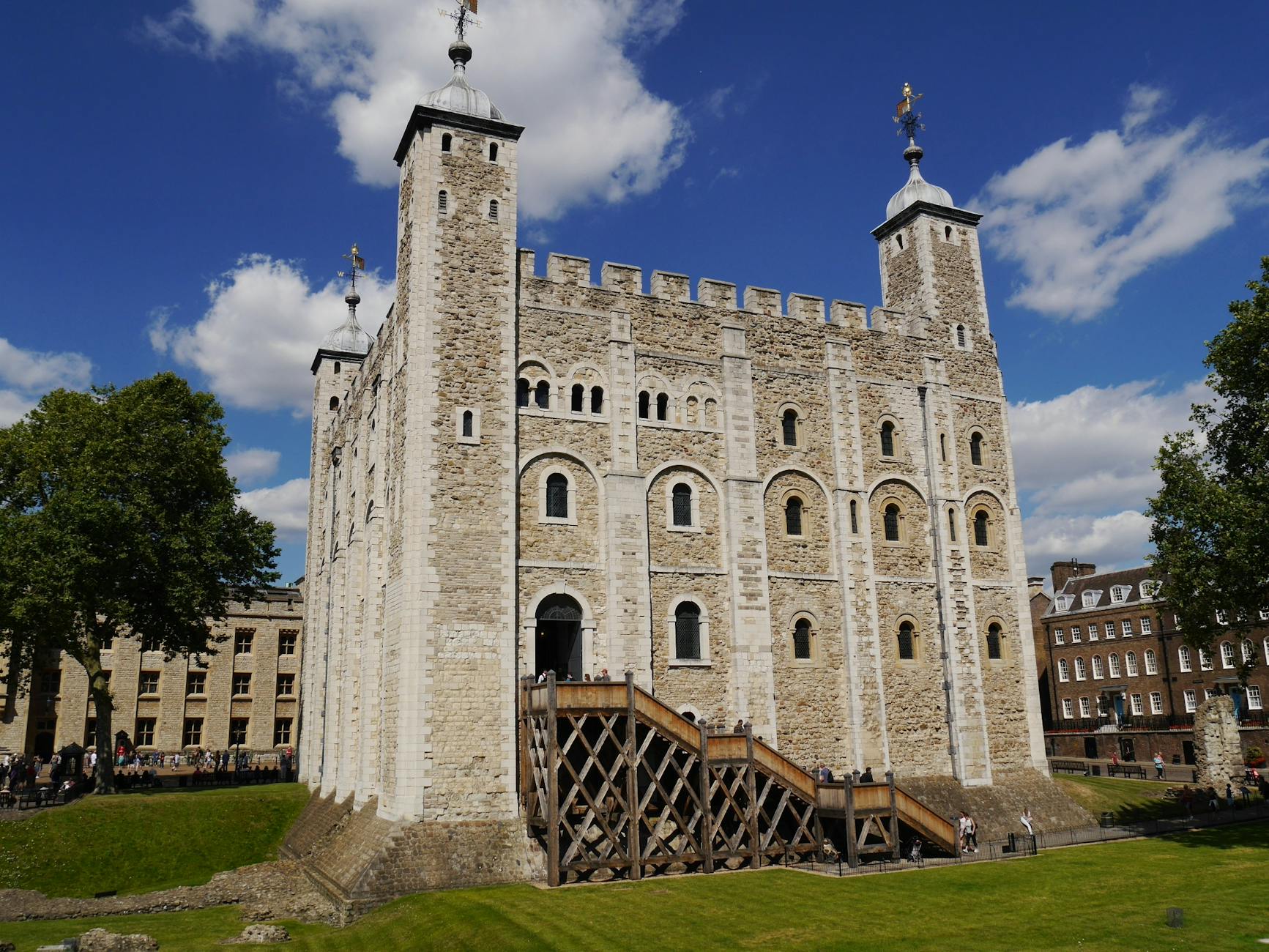
Only 12 executions ever took place inside the Tower walls. Most happened outside, in public. Nearly everything you think you know is wrong.
Royal Opera House
Nestled in the vibrant heart of Covent Garden, the Royal Opera House (ROH) stands as a beacon of London's rich cultural heritage and performing arts excellence.
Hyde Park
Hyde Park, located in the heart of London, stands as one of the city’s most iconic and historically rich green spaces, offering visitors an unparalleled blend…
Trafalgar Square
Trafalgar Square stands as one of London’s most emblematic landmarks, steeped in rich history and pulsating with vibrant cultural life.
St James'S Palace
Situated in the heart of London, St James’s Palace is a remarkable testament to nearly five centuries of British royal history and architectural heritage.
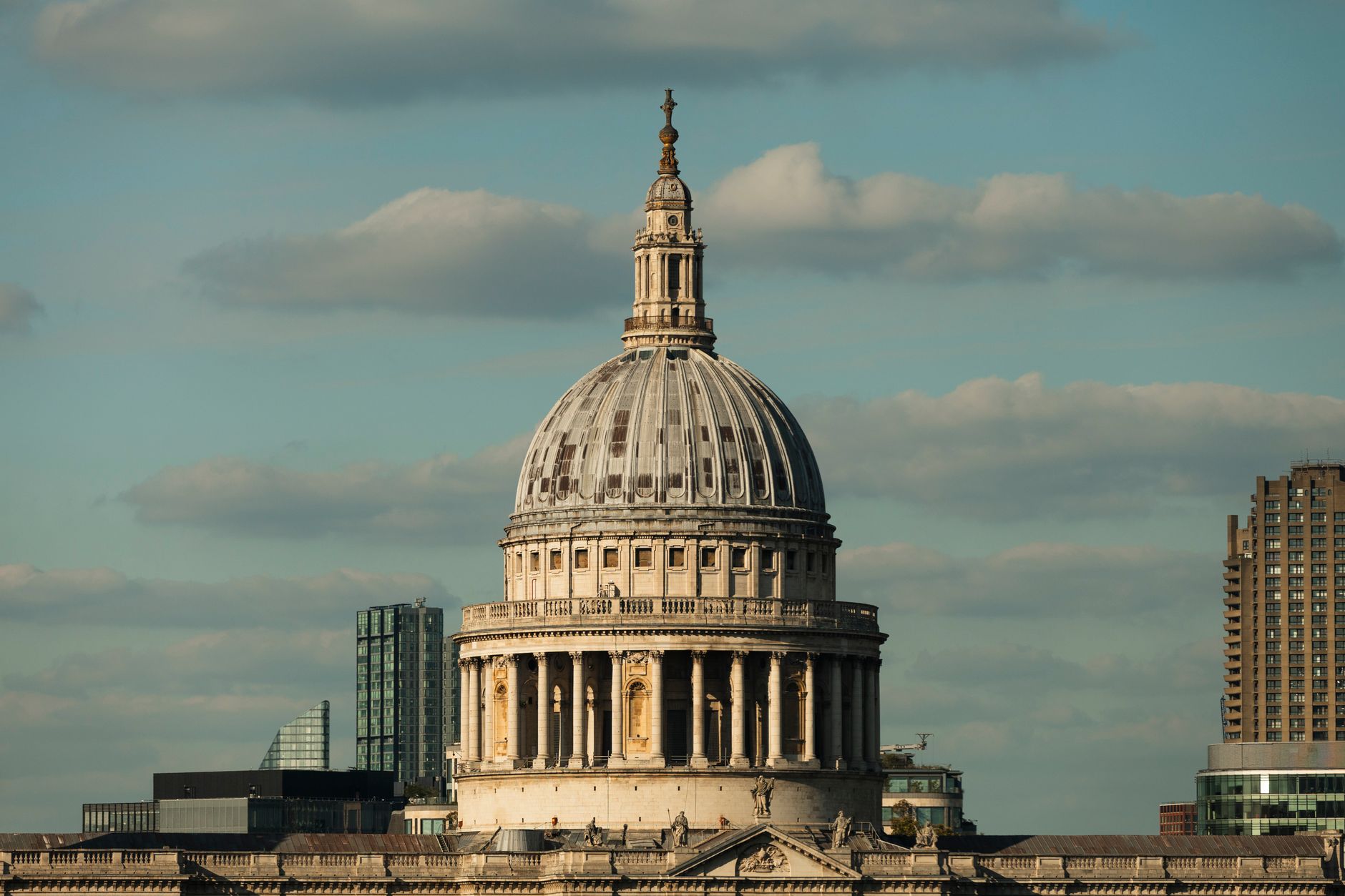
St Pauls Cathedral
St Paul's dome is built from three hidden shells — including a secret brick cone no visitor ever sees. Standing since 1708, it outlasted the Blitz by inches.
What Makes This City Special
Layered History
A single walk can carry you from a Roman amphitheatre discovered in 1988 beneath Guildhall to the 11th-century White Tower and the 1930s Art Deco of Eltham Palace. The city wears its centuries without apology; the echoes under St Paul’s dome feel as real as the brutalist concrete of the Barbican.
Free Museums
The British Museum, National Gallery, V&A, Tate Modern and Natural History Museum ask for nothing at the door. This isn’t marketing — it’s policy — and it quietly changes how you move through the city, letting you linger in the Elgin Marbles or sit with a Turner sunset without calculating the cost.
Unexpected Green
Richmond Park’s 40-acre Isabella Plantation explodes with colour in spring, while the protected viewpoints of Primrose Hill and Parliament Hill deliver skyline views framed by ancient trees. London is far greener than its grey reputation suggests, especially once you leave the central ceremonial parks.
Theatre Capital
From the open-air Shakespeare’s Globe, where groundlings stand exactly as they did in 1599, to the velvet intimacy of Wilton’s Music Hall — the oldest grand music hall in the world — London still treats live performance as essential, not ornamental.
Historical Timeline
From Muddy Trading Post to Capital of the World
Two thousand years of fire, plague, conquest and reinvention on the banks of the Thames
Romans Found Londinium
Emperor Claudius’s invading army crossed the Thames and established a trading settlement on the north bank. Within a decade Londinium had become a bustling port of 10,000 people, its warehouses heavy with olive oil, wine and British slaves. The city’s position at the lowest bridgeable point on the river sealed its fate as Britain’s commercial heart.
Boudica Burns Londinium
Queen Boudica of the Iceni stormed through the young city, setting fire to every building. The wooden settlement was reduced to a layer of bright red ash still visible to archaeologists today. The Romans rebuilt immediately, determined that this strategic river crossing would not be abandoned.
The London Wall Rises
Roman engineers constructed a massive stone wall almost three kilometres long using 85,000 tons of ragstone. Standing six metres high, it enclosed the city for the next 1,500 years and defined the boundary of the City of London long after the legions had gone.
First St Paul’s Cathedral
King Æthelberht founded a wooden cathedral dedicated to St Paul on Ludgate Hill, with Mellitus as its first bishop. Christianity gained its first permanent foothold in the ruined city. The church would be destroyed and rebuilt many times, yet the hill has never been without a cathedral since.
Alfred the Great Refortifies London
Alfred recaptured the city from Viking control and turned it into a defended English burh. He moved the settlement back inside the old Roman walls, ending the era of Lundenwic further west. The decision secured London’s future as England’s political and economic centre.
William the Conqueror Crowned
On Christmas Day, William was crowned in the newly completed Westminster Abbey. The coronation fixed Westminster, rather than the City, as the ceremonial seat of English power. The two halves of London — commercial City and royal Westminster — would define the capital’s strange geography for the next millennium.
White Tower Construction Begins
William ordered the huge stone keep that still dominates the Tower of London. Built to overawe the restless citizens, its whitewashed walls could be seen for miles. It became palace, prison, treasury and symbol of royal power over the city.
Henry III Rebuilds Westminster Abbey
Henry began the Gothic transformation of Edward the Confessor’s church. The soaring new abbey, consecrated in 1269, became the coronation church and royal mausoleum. Its honey-coloured stone still carries the weight of every subsequent English monarch’s legitimacy.
The Black Death Strikes
The plague arrived by ship and killed more than half of London’s 80,000 inhabitants within four years. Bodies were piled in mass graves beyond the walls. The sudden labour shortage would later fuel the Peasants’ Revolt and accelerate the end of feudalism.
Peasants’ Revolt Reaches London
Thousands of rebels under Wat Tyler flooded into the city, opened the prisons, burned tax records and stormed the Tower. The fourteen-year-old Richard II met them at Smithfield. Tyler was killed and the revolt crushed, but the memory of a city briefly belonging to its poorest citizens never quite disappeared.
Henry VIII Breaks with Rome
Henry’s decision to place himself at the head of the English Church transformed London’s religious landscape. Monasteries were dissolved, their stones carted away to build new palaces. The city’s churches changed hands, rites and doctrines almost overnight.
Shakespeare’s Globe Opens
The Lord Chamberlain’s Men raised their polygonal playhouse on Bankside. Here, in the rough crowd of Southwark, Shakespeare’s greatest works were first performed under open skies. The theatre made the muddy suburb famous across Europe.
The Great Plague
One hundred thousand Londoners — roughly one in four — died as the plague returned with terrifying force. Houses were marked with red crosses, dead-carts rumbled through the streets at night. Samuel Pepys watched the pits being filled from his window in Seething Lane.
The Great Fire of London
A baker’s oven in Pudding Lane started a blaze that consumed 13,200 houses and 89 churches in four days. The medieval city was wiped away in a roaring furnace. Londoners stood on the fields of Islington and watched their city burn.
Christopher Wren Rebuilds the City
Wren was given the almost impossible task of rebuilding fifty-two churches and a new St Paul’s. His domes and spires transformed the skyline. The cathedral that rose from the ashes remains one of the most perfect expressions of English Baroque.
Palace of Westminster Burns
A fire started by over-stoked stoves destroyed most of the medieval palace. Only Westminster Hall and a few cloisters survived. The competition to design a new home for Parliament produced the Gothic masterpiece we know today, with its iconic clock tower.
The Great Exhibition Opens
In Joseph Paxton’s vast Crystal Palace in Hyde Park, six million visitors marvelled at the wonders of the age. London declared itself the workshop of the world. The exhibition’s success confirmed Britain’s industrial supremacy and the capital’s place at its centre.
World’s First Underground Railway
The Metropolitan Railway opened between Paddington and Farringdon. Steam trains thundered through shallow tunnels, filling them with smoke. Forty thousand passengers rode on the first day. The Tube had begun — the veins that would sustain modern London.
Tower Bridge Opens
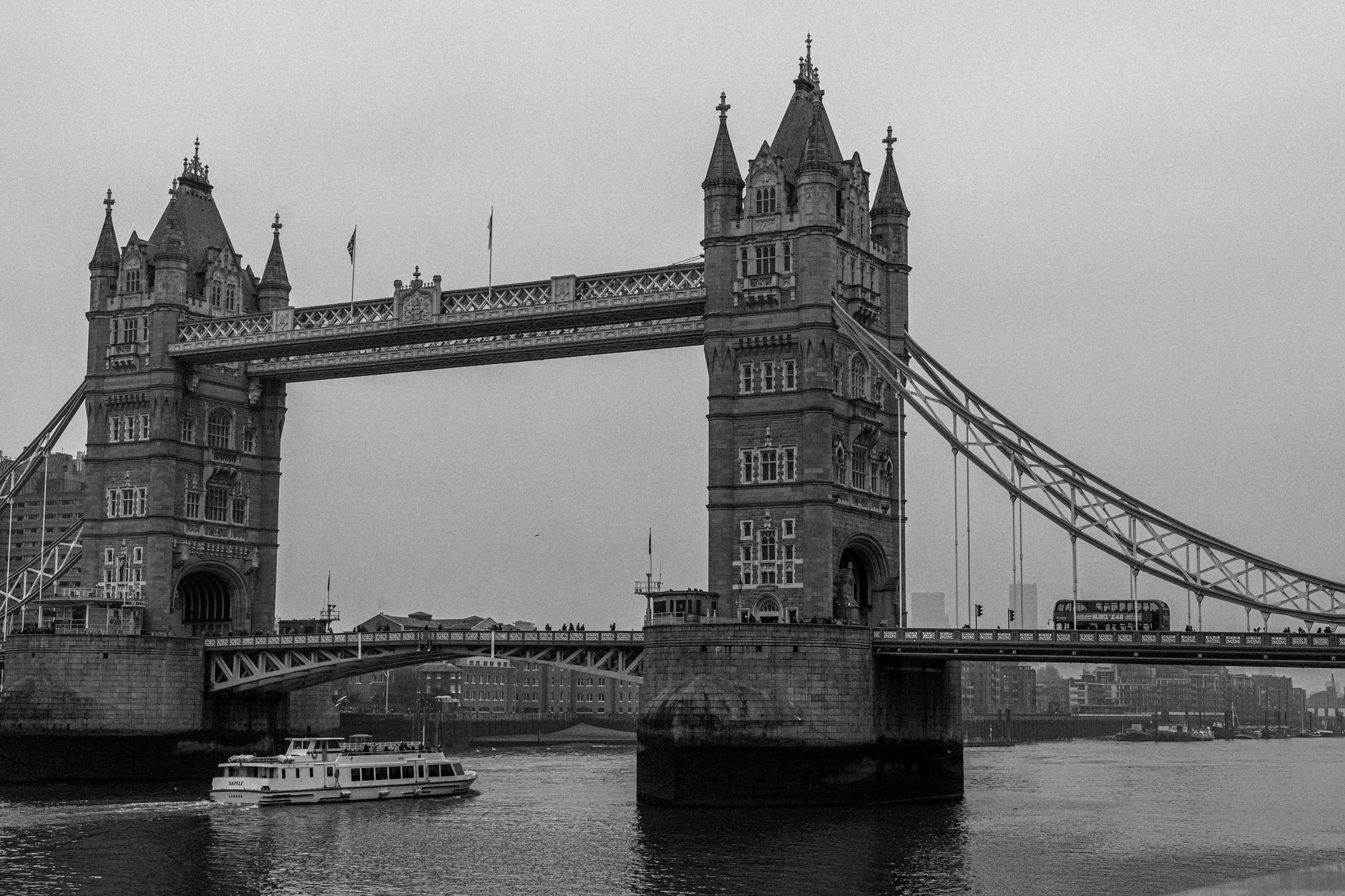
The bascule bridge, with its twin Gothic towers, was finally completed after eight years of construction. Its ingenious mechanism allowed tall ships to reach the Pool of London while giving pedestrians and carriages an unbroken crossing. It instantly became the most recognisable symbol of the imperial capital.
The Blitz Begins
On 7 September the Luftwaffe began a campaign of terror bombing that would last 57 consecutive nights. London burned again, but this time its people stayed. The docks, the East End and the City took terrible punishment, yet the city refused to break.
Empire Windrush Arrives
The former troopship docked at Tilbury carrying 492 passengers from the Caribbean. Many were housed temporarily in Clapham Deep Shelter. Their arrival marked the beginning of modern multicultural London. The city would never look or sound the same again.
The Great Smog
A deadly yellow fog settled over London for five days in December. Visibility dropped to a few feet. Hospitals filled with respiratory patients; thousands died. The disaster finally forced the government to pass the Clean Air Act and end the era of coal smoke.
Millennium Projects Transform London
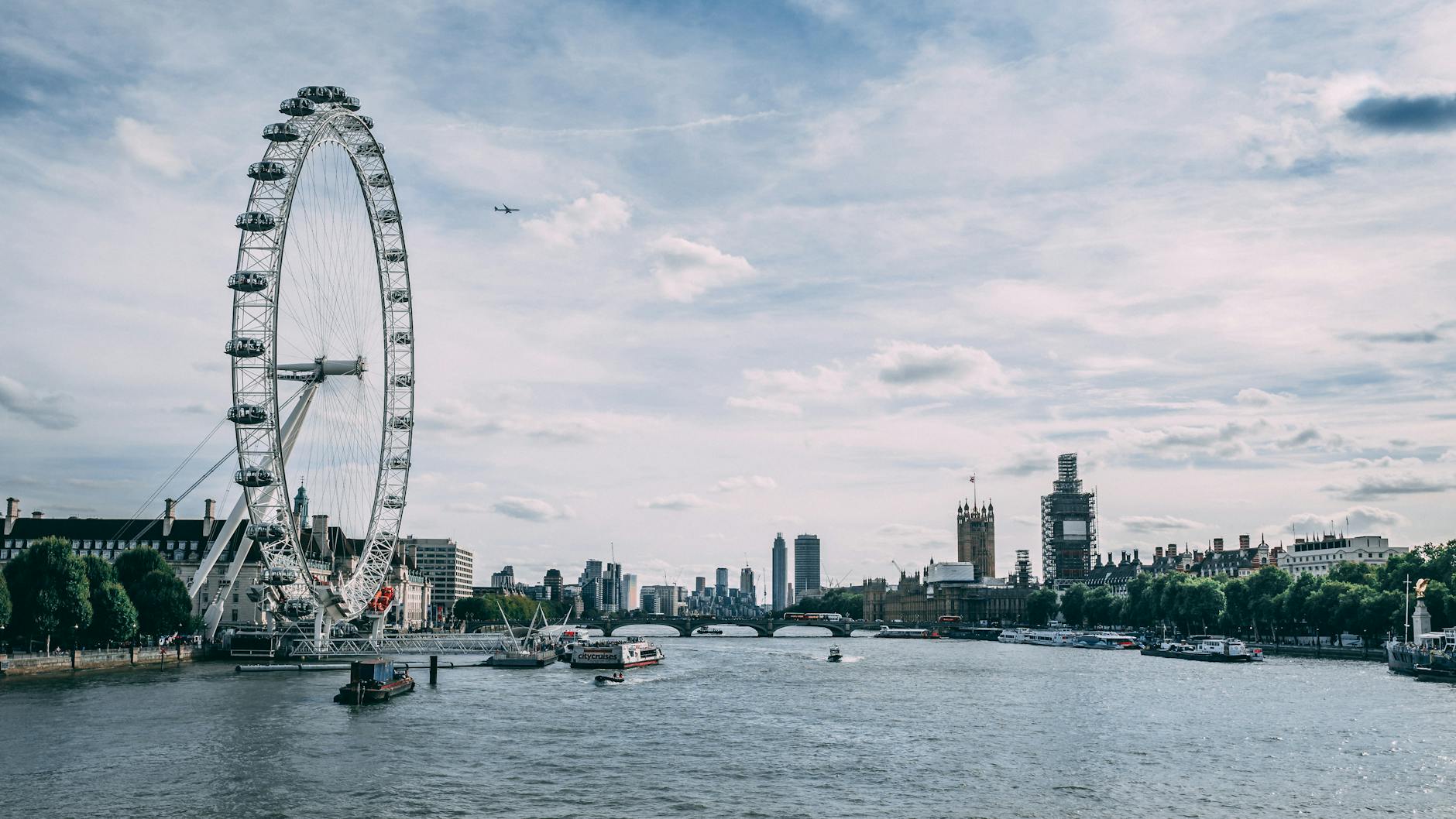
The London Eye, Tate Modern, Millennium Bridge and the new Jubilee Line stations opened. After years of decline and doubt, the city celebrated a confident, creative rebirth on the edge of a new century. The riverside had been reclaimed.
London Hosts the Olympics
The Games brought massive regeneration to the East End. The Olympic Park rose from polluted industrial land. For a few weeks the city felt unified and optimistic. Many of the venues and parks remain, quietly changing the lives of a new generation of Londoners.
Notable Figures
William Shakespeare
1564–1616 · PlaywrightShakespeare didn’t just write in London — he built the business of theatre here. As a shareholder in the Globe on the South Bank, he watched his plays performed in front of rowdy, groundling audiences who cheered, booed and sometimes threw things. Walking Bankside today, you can still stand where he stood and feel how a city shaped the greatest writer in the language.
Charles Dickens
1812–1870 · NovelistDickens walked London obsessively at night, turning its fog, slums and courts into the atmosphere of his novels. He lived at 48 Doughty Street while writing Oliver Twist and never stopped using the city as raw material. Today you can still find the same contrast he loved: elegant squares two streets away from chaotic markets.
Christopher Wren
1632–1723 · ArchitectAfter the Great Fire destroyed most of the City, Wren was given the chance to redesign London. He built St Paul’s Cathedral and 51 other churches that still shape the skyline. Standing in the whispering gallery of St Paul’s, you can almost hear the ambition of a man who believed architecture could heal a city.
Virginia Woolf
1882–1941 · WriterBorn in South Kensington and later at the heart of the Bloomsbury Group, Woolf turned the streets of London into the very texture of her modernist novels. Mrs Dalloway’s famous walk through the city still works as a route today. She understood that London’s power lies in the way ordinary moments inside ordinary buildings can feel monumental.
Ada Lovelace
1815–1852 · Mathematician and computing pioneerAda Lovelace was born in a grand London house and wrote the first computer program in the 1840s while working with Charles Babbage. Her vision of machines that could compose music and create art was almost absurdly ahead of its time. Standing in Marylebone today, it’s striking how a woman writing in these quiet streets saw the digital future so clearly.
Plan your visit
Practical guides for London — pick the format that matches your trip.
London Money-Saving Passes & Cards: What's Actually Worth It
Independent breakdown of London Pass, Go City Explorer, Travelcard and Oyster. Real break-even math, scam warnings, and when skipping a pass saves you more.
First-Time Visitor Tips for London: local hacks that save hours
Local-first London tips for saving time, skipping bad queues, riding the Tube properly, and avoiding the tourist mistakes that cost money on a first visit.
Photo Gallery
Explore London in Pictures
The historic Tower Bridge glows against the night sky, reflecting its intricate Victorian architecture over the River Thames in London.
Rushi Patel on Pexels · Pexels License
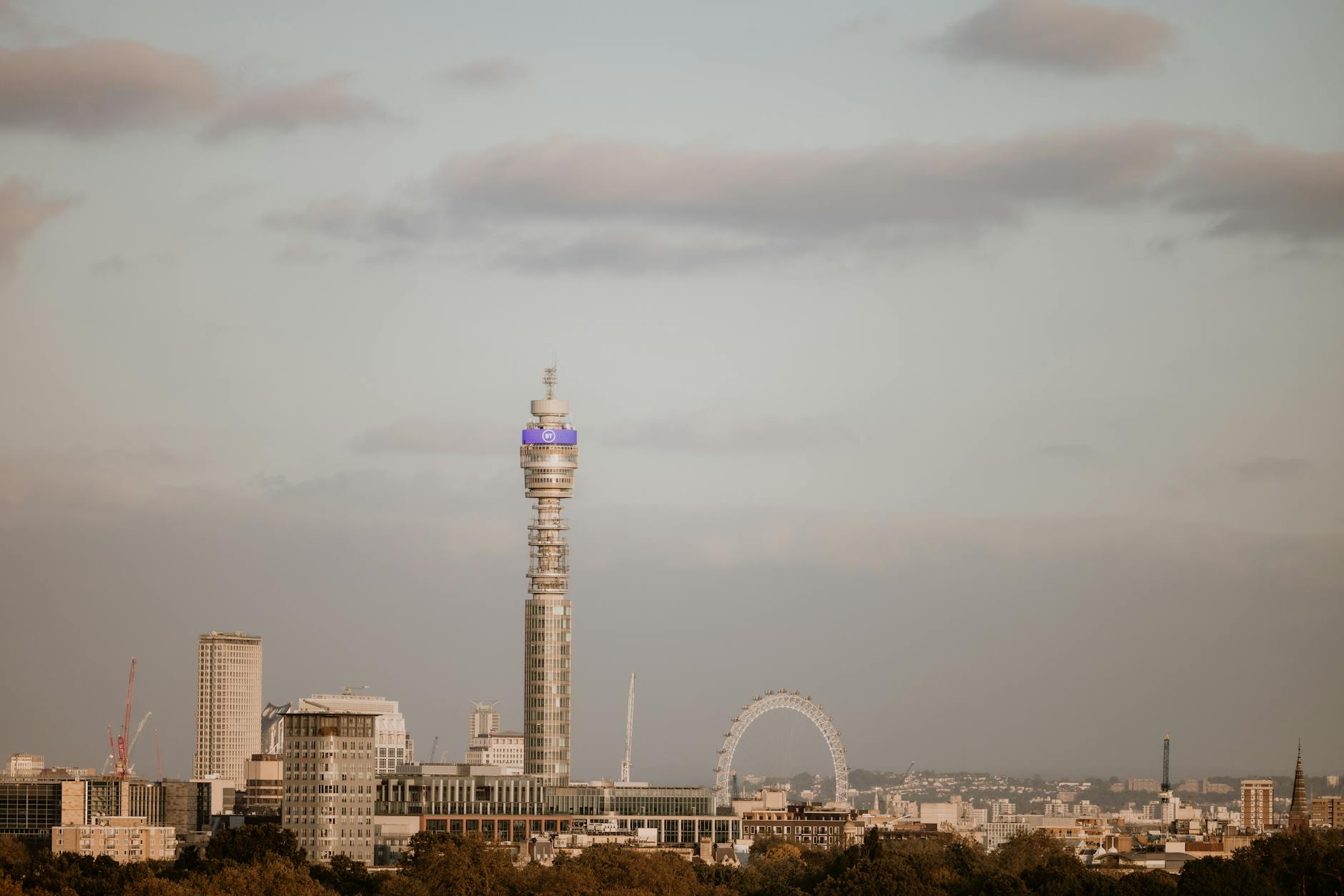
A scenic elevated view of the iconic London skyline, showcasing the prominent BT Tower and the distant silhouette of the London Eye.
Josh Withers on Pexels · Pexels License
An elevated aerial perspective captures the historic Tower of London and the iconic Tower Bridge bathed in warm, golden afternoon light.
Jimmy K on Pexels · Pexels License
A modern Lime rental bike sits parked against the historic stone walls of the Tower of London.
Sutha Hasan on Pexels · Pexels License
The historic architecture of the Old Royal Naval College and Queen's House in Greenwich framed against the modern skyscrapers of Canary Wharf at dusk.
Anatolii Hrytsenko on Pexels · Pexels License
A striking black and white aerial perspective of the historic Tower Bridge spanning the River Thames in London.
Slavomir Vilnis on Pexels · Pexels License
The majestic dome of St. Paul's Cathedral stands illuminated against a deep blue twilight sky in the heart of London.
Wender Junior Souza Vieira on Pexels · Pexels License
The iconic Tower Bridge stands tall over the River Thames in London, with the historic HMS Belfast docked prominently in the foreground.
Abel Jiménez on Pexels · Pexels License
A detailed view of the historic clock faces on the Elizabeth Tower, the iconic landmark of London, United Kingdom.
Leticia Golubov on Pexels · Pexels License
The iconic London Eye stands tall over the River Thames, showcasing the historic and modern skyline of London, United Kingdom.
Chait Goli on Pexels · Pexels License
The historic Tower Bridge stands majestically over the River Thames in this classic black and white capture of London.
Karam Alani on Pexels · Pexels License
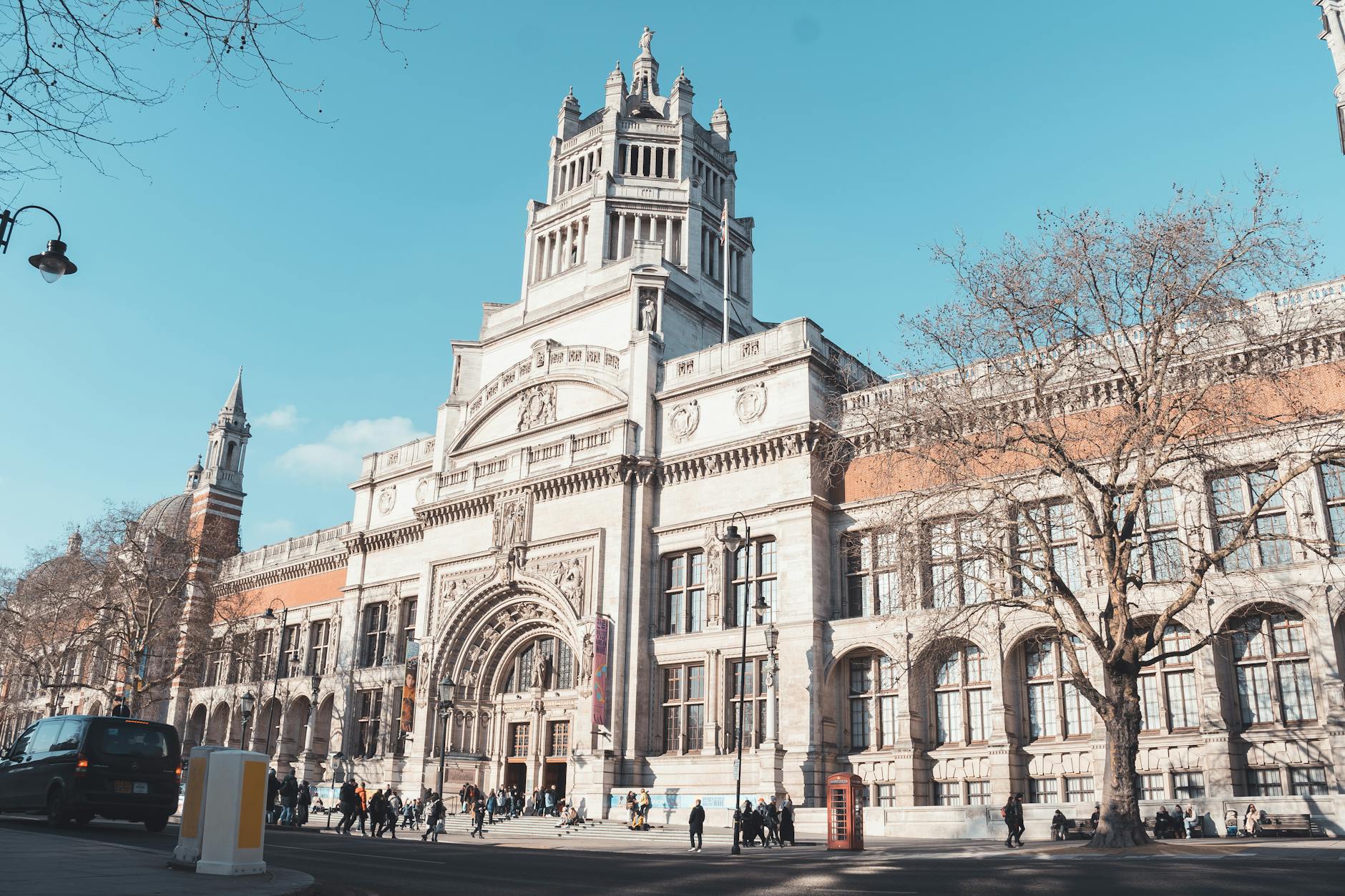
The iconic facade of the Victoria and Albert Museum stands prominently against a bright blue sky in London, United Kingdom.
J. Knappitsch on Pexels · Pexels License
Videos
Watch & Explore London
60+ Things to do in London in 2025
The Only London Travel Guide You’ll Ever Need (2026) 🇬🇧
LONDON, UK | 15 Best Things To Do In London (Including hidden gems & travel tips)
Practical Information
Getting There
Heathrow (LHR) offers the most options: Heathrow Express to Paddington in 15 minutes, Elizabeth line in under 45 minutes, or Piccadilly line in under an hour. Gatwick (LGW) reaches Victoria in 30 minutes by Gatwick Express. Stansted (STN) connects to Liverpool Street via Stansted Express every 15 minutes, while London City (LCY) lands you straight onto the DLR for the City and Canary Wharf. In 2026, contactless payment works on almost all airport rail links.
Getting Around
The Tube runs on 11 lines; add the Elizabeth line, six named Overground lines (Liberty, Lioness, Mildmay, Suffragette, Weaver, Windrush), DLR and extensive bus network. Contactless bank cards or Oyster automatically apply daily (£8.90) and weekly (£44.70) caps for Zones 1–2 in 2026. The TfL Go app gives live step-free routing. Santander Cycles offers day passes from £3.50 with 12,000 bikes across 800 docking stations.
Climate & Best Time
Average highs range from 7°C in January to 22.5°C in July; rainfall is remarkably consistent (45–58 mm monthly) with no true dry season. May, June and September give the best balance of light, temperature and fewer crowds. July and August are warmest but busiest; January to March offers lower prices and a quieter city, though expect short grey days.
Safety
London is generally safe for visitors, but pickpocketing spikes in crowded Tube carriages and around major sights. Use only black cabs or licensed minicabs booked via app. The emergency number is 999; non-emergency police is 101. Avoid unlicensed Soho bars that promise “shows” and keep valuables secure on the Elizabeth line during rush hour.
Where to Eat
Don't Leave Without Trying
Dishoom
local favoriteOrder: The house-made naan, tandoori chicken, and their signature Bombay-style breakfast dishes. The chai is essential.
Dishoom is the sort of place Londoners queue for—a modern take on Bombay street food that feels both authentic and inventive. This Covent Garden location captures the energy of a proper neighborhood favorite, even in the heart of tourist central.
Bill's Covent Garden Restaurant
cafeOrder: Start with breakfast (even at lunch—they do it all day), then move to their seasonal British plates. The desserts are worth saving room for.
Bill's strikes the rare balance of being accessible and genuinely good—the kind of place where you can have a proper meal without fuss or pretension. It's a reliable London anchor for breakfast, lunch, or dinner.
ScandiKitchen Cafe & Shop - Fitzrovia
cafeOrder: The open sandwiches (smørrebrød), cinnamon buns, and their Nordic-inspired soups. The cured fish is excellent if you want something more substantial.
ScandiKitchen brings proper Nordic cafe culture to Fitzrovia—unfussy, ingredient-focused, and genuinely different from the London cafe norm. It's the sort of place where locals pop in for a proper coffee and stay for the whole experience.
Foyles
cafeOrder: Coffee and cake in the upper-floor cafe while browsing books. Simple, but the setting—surrounded by thousands of books—makes it feel special.
Foyles is as much about the experience as the food. The cafe sits in one of London's most iconic bookshops, making it the perfect stop for a quiet moment or a proper reading session with good coffee.
St Martin-in-the-Fields Church | London
cafeOrder: Tea and cake in the crypt cafe—a proper London ritual. The setting is what you're really ordering: a centuries-old church basement with surprising charm.
This is London doing what it does best: layering history, community, and a good cup of tea. The crypt cafe is one of the city's most unexpected refuges, and it feels genuinely local despite being steps from Trafalgar Square.
Rosewood London
local favoriteOrder: Cocktails and small plates. The bar menu rotates seasonally, so ask what's fresh.
Rosewood's bar and dining spaces offer polished London hospitality without the stuffiness. It's the kind of place where you can drop in for a proper drink and actually enjoy the company of other people doing the same.
One Aldwych
local favoriteOrder: Cocktails in the bar, or dinner in the restaurant. The kitchen does modern British with real skill.
One Aldwych sits at a rare intersection: it's genuinely good, genuinely accessible, and genuinely part of how Londoners actually eat and drink. The design is smart without being precious.
Covent Garden Hotel
local favoriteOrder: British classics done well. The kitchen respects ingredients and technique without overthinking.
The Covent Garden Hotel's restaurant is where locals actually eat when they want proper British food in a civilized setting. It's the antidote to tourist-trap dining in the area.
Dining Tips
- check Book top restaurants 2-8 weeks ahead; good mid-range spots several days to 2 weeks in advance. Markets, bakeries, and casual places are usually walk-in.
- check Standard tipping is 10-15% if service isn't included; many restaurants add 12.5% service charge, so check before adding more.
- check Cards are widely accepted; contactless and digital wallets (Apple Pay, Google Pay) are standard wherever contactless is enabled.
- check Most London restaurants are casual-smart; formal dress codes are rare outside luxury fine dining.
- check Monday is the most common closure day for independent restaurants; Sunday evening is another common soft-close or earlier finish.
- check Typical meal times: breakfast 7-9am, lunch 12-1:30/2pm, dinner 6:30-8pm. 7pm remains the most popular booking time.
Restaurant data powered by Google
Tips for Visitors
Use Contactless or Oyster
Tap in and out with a contactless card or Oyster for the cheapest fares across Tube, bus, Elizabeth line and Overground. Daily cap automatically limits your spend to the price of a day Travelcard.
Book Sky Garden Early
Free tickets to Sky Garden’s 43rd-floor terrace are released three weeks ahead and disappear fast. Book exactly at 10am or join the walk-up queue at opening if you missed the release.
Free Museums Are Real
The British Museum, National Gallery, Tate Modern, V&A, Natural History and Science Museums have no entry fee. Pay only for special exhibitions if you choose.
Try Pie & Mash Once
Head to M. Manze near Tower Bridge for traditional pie, mash and liquor. It’s one of the last surviving examples of a genuine East End working-class dish.
Mind the Quiet Carriages
On Elizabeth line and some Overground trains the first carriage is a quiet zone. Avoid loud conversations or phone calls there to blend in with locals.
Walk the Thames Path
Follow the Thames Path between Tower Bridge and Greenwich instead of taking the Tube. The route passes hidden wharves, historic pubs and gives the best skyline views.
Explore the city with a personal guide in your pocket
Your Personal Curator, in Your Pocket.
Audio guides for 1,100+ cities across 96 countries. History, stories, and local insight — offline ready.
Audiala App
Available on iOS & Android
Join 50k+ Curators
Frequently Asked
Is London worth visiting? add
Yes, London is worth visiting. Its unmatched density of free world-class museums, living royal history and genuine multicultural food scene still surprises even frequent visitors. The city rewards both three-day first-timers and two-week return trips because neighbourhoods feel like separate cities.
How many days do you need in London? add
Most first-time visitors need at least 4–5 days. This allows one full day each for Westminster, the South Bank, the City and a museum quarter without rushing. Return visitors often allocate 7+ days to reach Greenwich, Hampstead Heath or hidden interiors like Sir John Soane’s Museum.
How do you get from Heathrow to central London? add
The Elizabeth line is usually the smartest choice, reaching central London in under 45 minutes for about £13.90. Heathrow Express is faster (15 min to Paddington) but more expensive. The Piccadilly line remains the cheapest option at £5.50 if you don’t mind 50–60 minutes.
Is London expensive to visit? add
London is expensive for accommodation and dining out, yet unusually budget-friendly for culture. You can easily spend a full week visiting major sights without paying a single attraction entry fee thanks to the free national museums. Book accommodation in Zone 2–3 and use contactless payments to keep daily transport under £10.
Is London safe for tourists? add
London is generally safe for tourists in all central areas. Standard big-city precautions apply: watch your belongings on the Tube and avoid empty side streets late at night. The city has good street lighting and visible police presence around major tourist clusters.
Sources
- verified Visit London Official Guide — Primary source for current attractions, free viewing platforms, hidden gems and seasonal events.
- verified Historic Royal Palaces & English Heritage — Details on Hampton Court Palace, Greenwich and architectural history used throughout the research.
- verified Transport for London — Accurate 2026 fare and journey time information for Heathrow, Elizabeth line and contactless payment rules.
Last reviewed: