Plan and listen to John Lennon Art & Design Building with Audiala.
Audio guide in your pocket, itinerary in your browser. Built for the way you actually visit.
Introduction
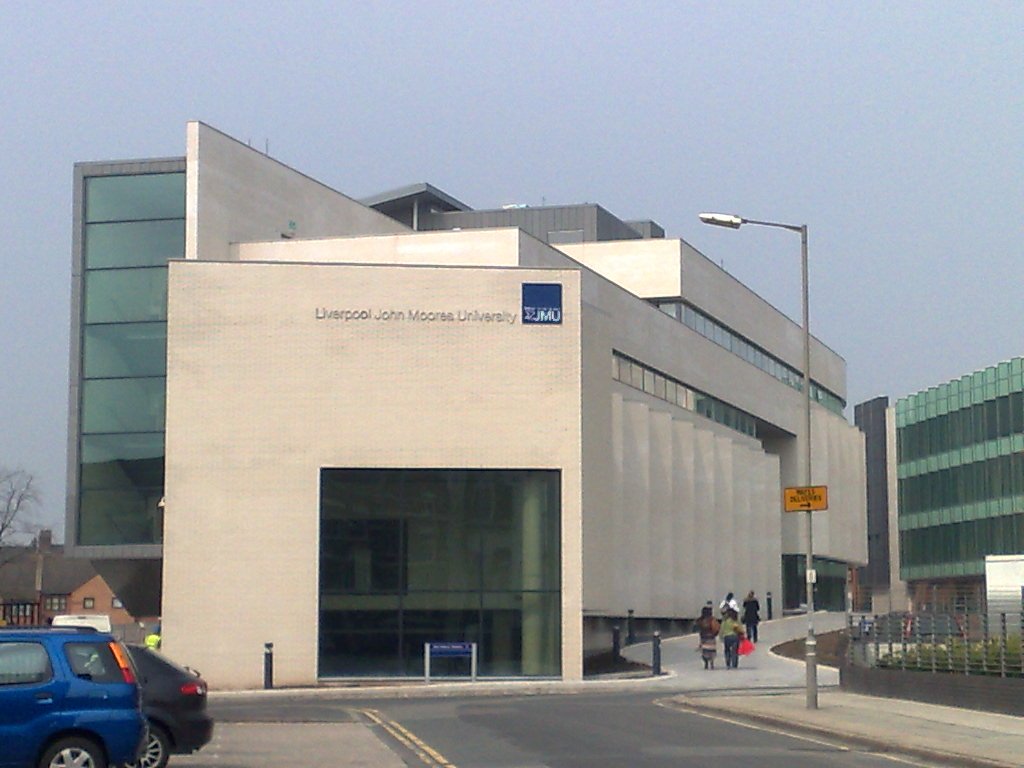
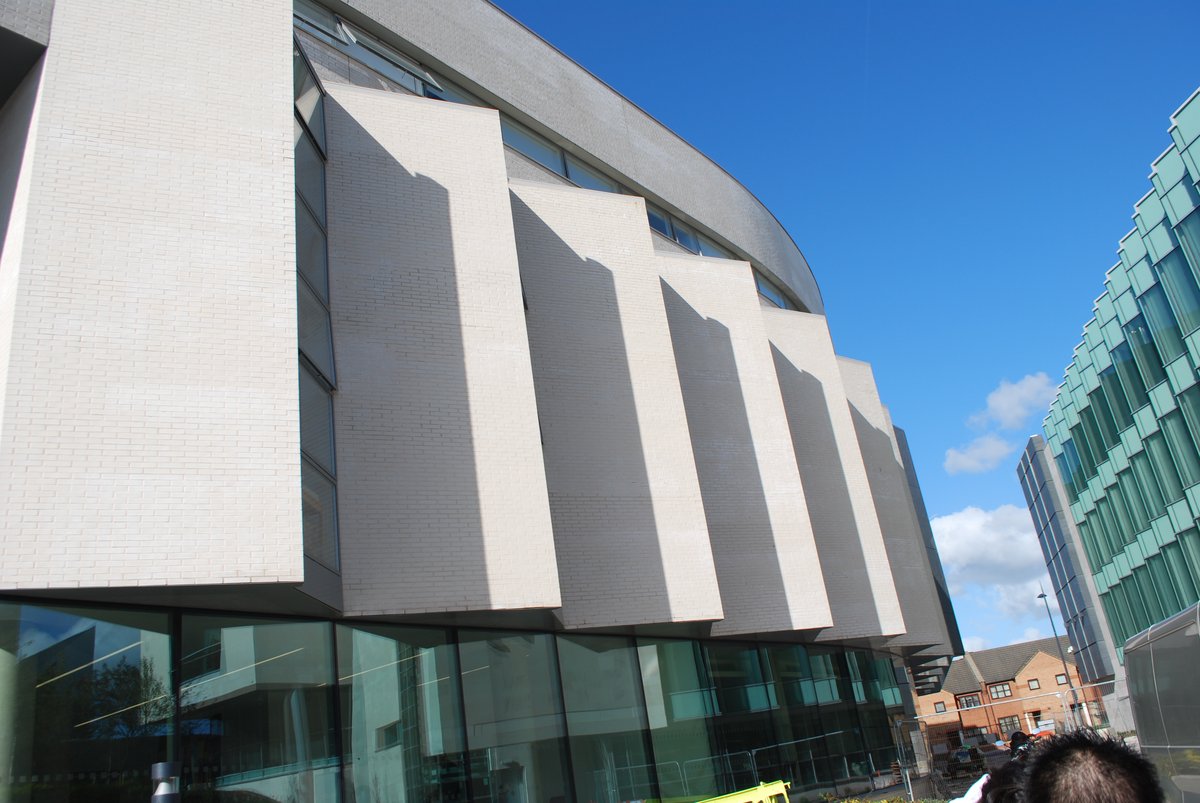
Situated within Liverpool’s vibrant Knowledge Quarter, the John Lennon Art & Design Building is a celebrated modern landmark at Liverpool John Moores University (LJMU). Opened in 2008 and designed by Rick Mather Architects, the building marries innovative architecture with a rich artistic legacy, paying homage to one of Liverpool’s most influential cultural icons—John Lennon. With approval from Yoko Ono, the building was officially named after Lennon in 2010, reflecting his formative years at the Liverpool College of Art and his enduring impact on creativity and collaboration in the city (LJMU John Lennon Profile; Art in Liverpool).
This comprehensive guide delves into the building’s history, architectural and cultural significance, practical visitor information, and travel tips. Whether you’re interested in exploring exhibitions, attending public events, or seeking nearby attractions, this article will help you plan a rewarding visit to one of Liverpool’s premier cultural destinations (Liverpool Biennial; Far Out Magazine).

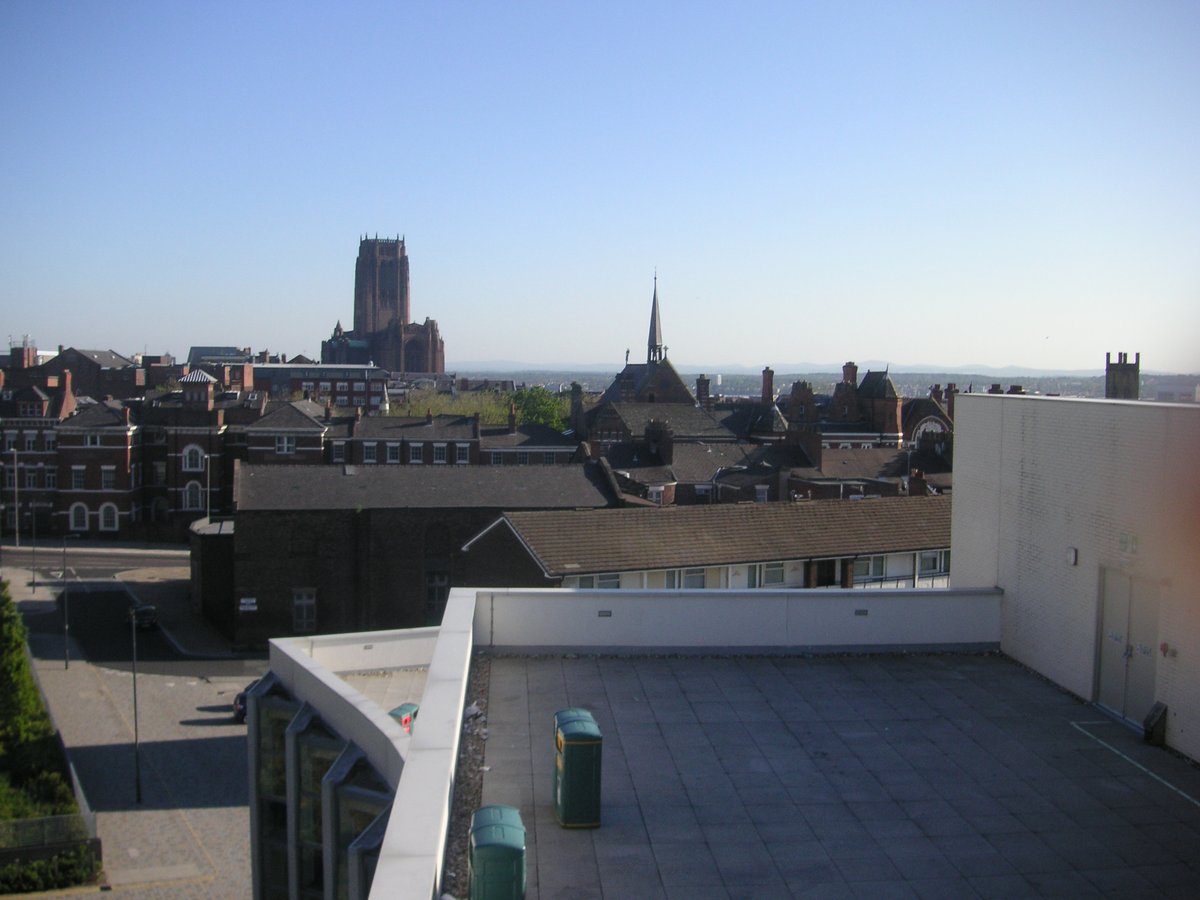
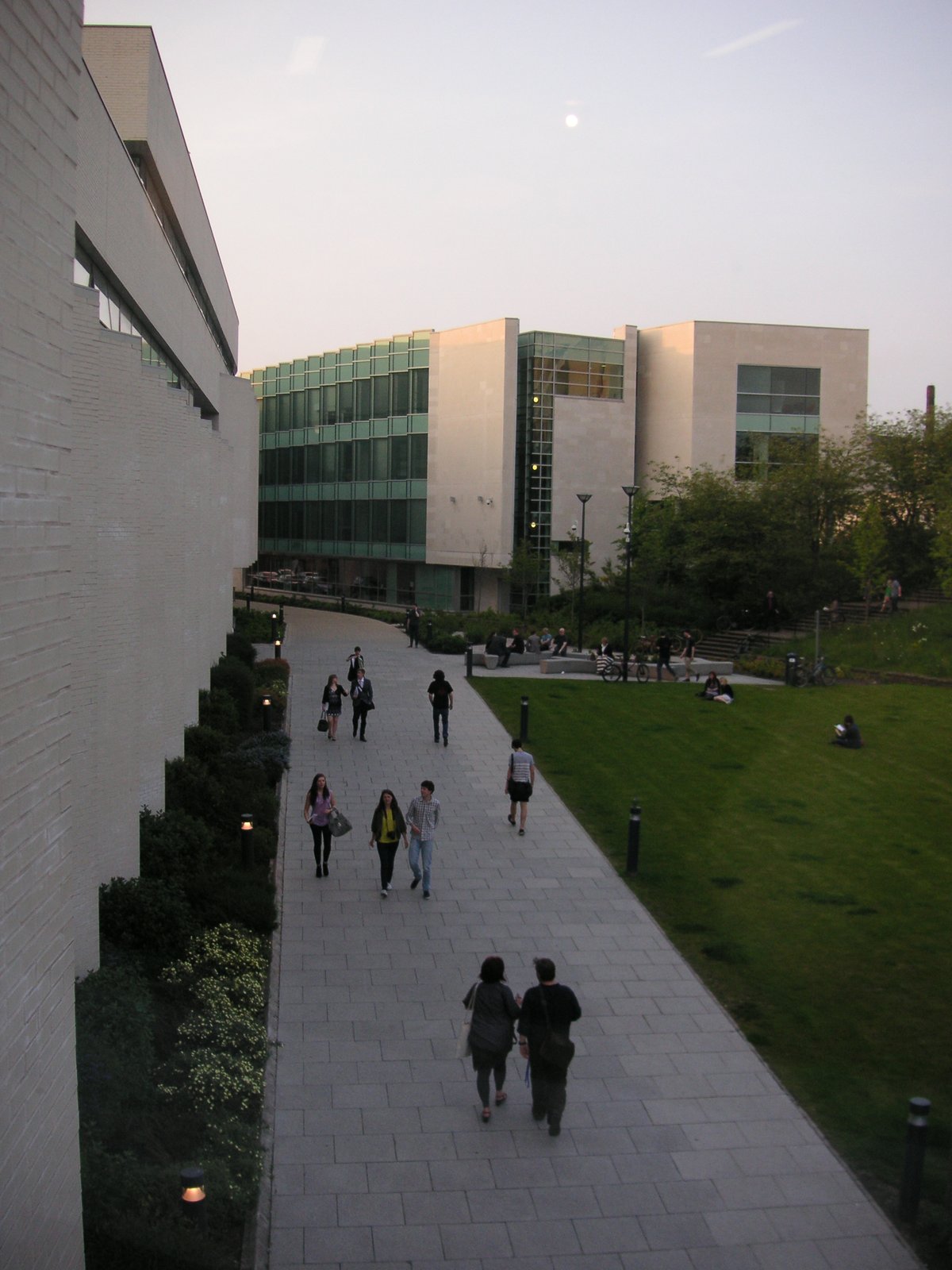
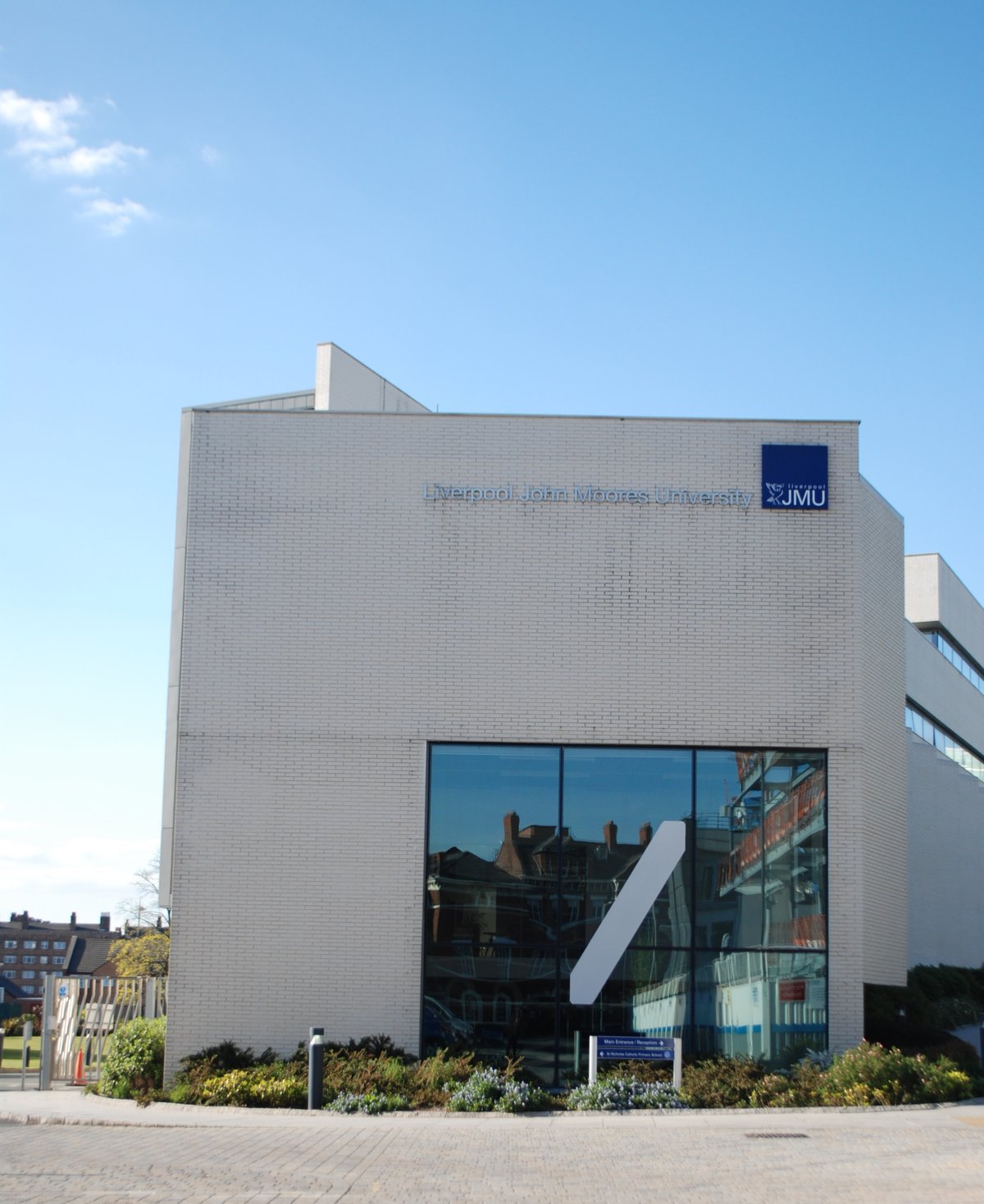
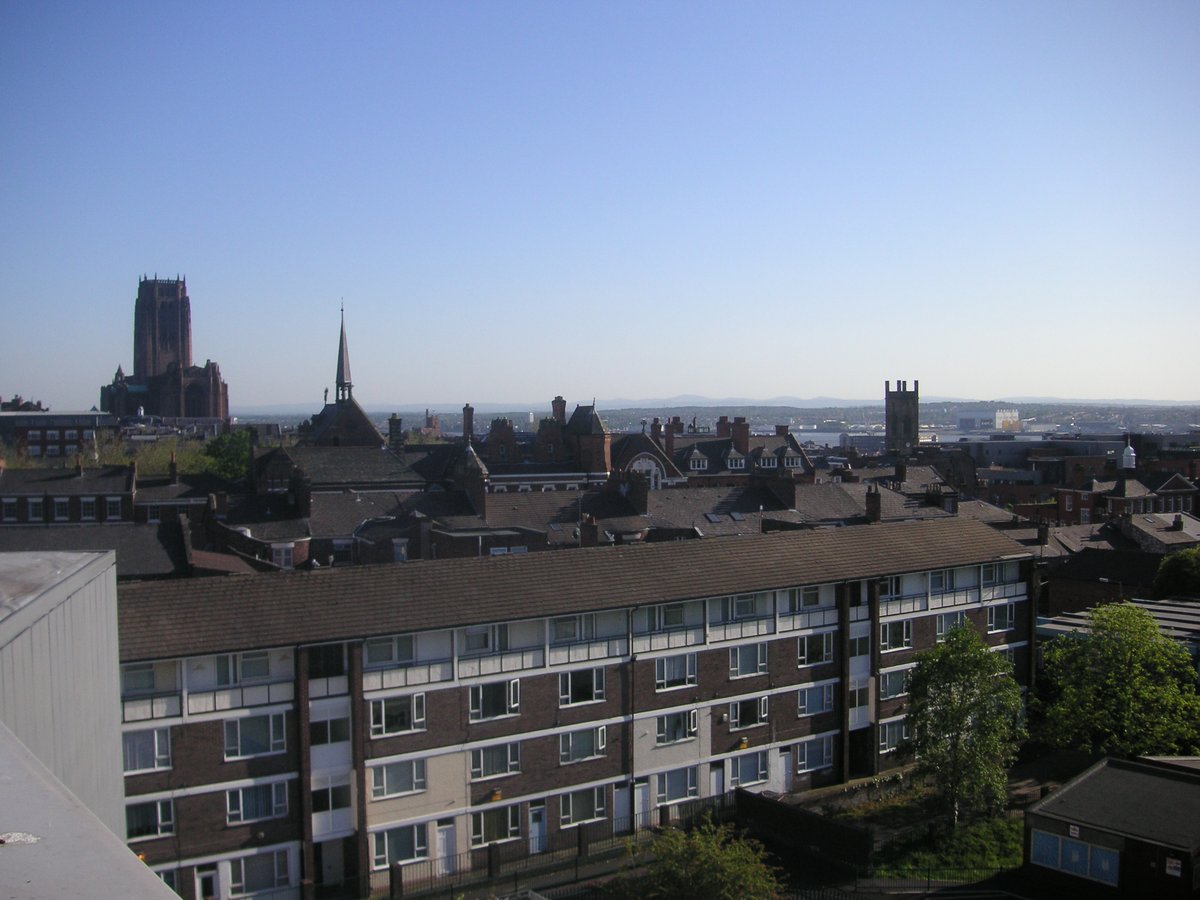
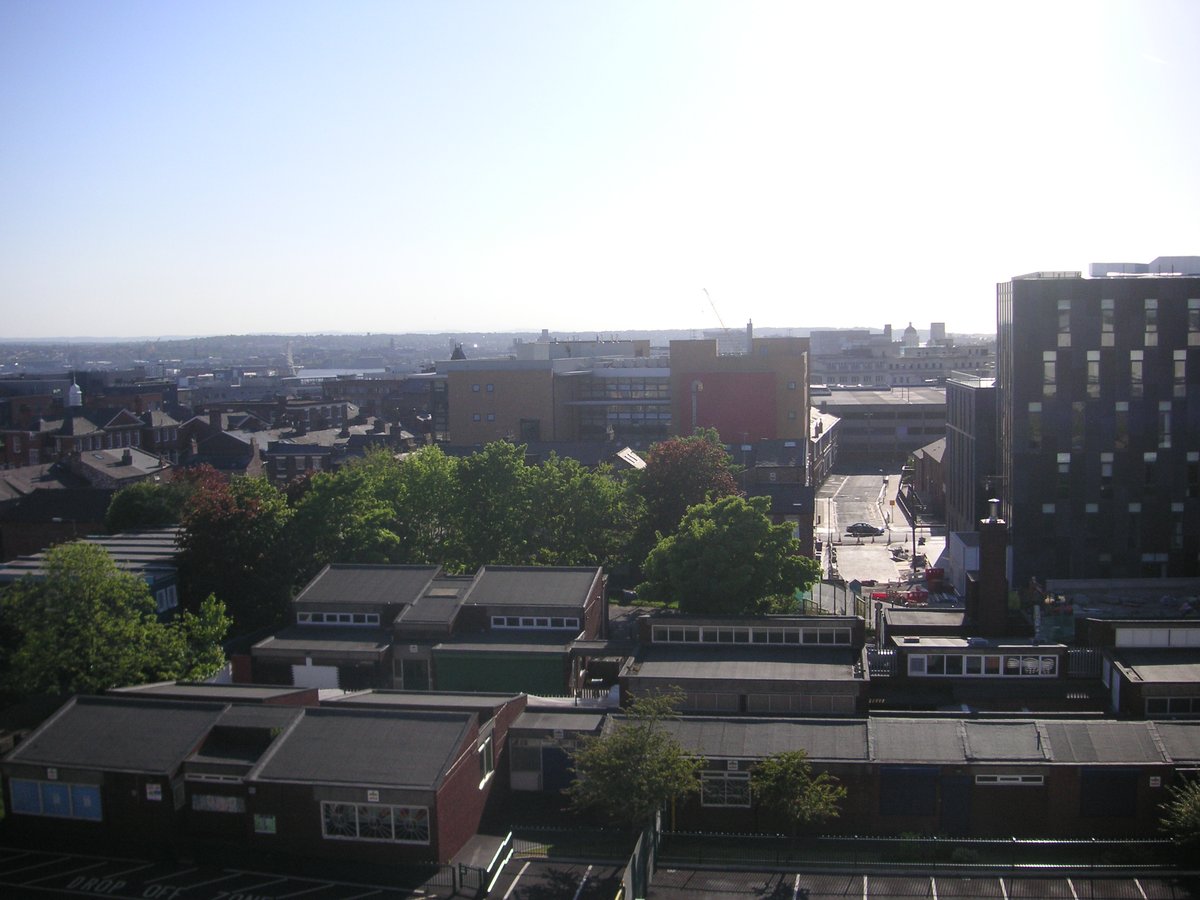
History and Dedication
The John Lennon Art & Design Building was inaugurated in 2008 as part of LJMU’s commitment to expanding and modernizing its facilities for creative education. The building serves as the home of the Liverpool School of Art and Design and was conceived to foster interdisciplinary collaboration, with open-plan studios and flexible exhibition spaces at its core (LJMU John Lennon Profile).
In 2010, the building was renamed in honor of John Lennon with Yoko Ono’s blessing. This dedication was more than symbolic—it recognized Lennon’s formative years at the Liverpool College of Art and his influence on the city’s creative landscape. Yoko Ono’s philanthropic support led to the establishment of the John Lennon Imagine Awards, supporting students from disadvantaged backgrounds and those in local authority care (LJMU John Lennon Profile).
John Lennon’s Legacy in Liverpool
John Lennon’s connection to art and design in Liverpool is rooted in his time at the Liverpool College of Art, the precursor to the current School of Art and Design. Admitted in 1957, Lennon’s creativity and irreverent spirit flourished in the college’s bohemian environment. There, he met key figures such as Stuart Sutcliffe and Cynthia Powell, who would greatly influence his artistic and personal life (Far Out Magazine).
Although Lennon left before graduating, his time at the college helped shape his artistic identity, both visually and musically. Today, his legacy is interwoven into the fabric of the institution, inspiring students and visitors alike (LJMU John Lennon Profile).
Cultural and Educational Significance
The building is a central hub for Liverpool’s creative community and regularly hosts exhibitions, public lectures, and events that attract local and international visitors. It is a key venue for the Liverpool Biennial, the UK’s largest free contemporary art festival, with recent editions featuring works such as Isabel Nolan’s outdoor sculpture “Where you are, what we are, with others” (Liverpool Biennial).
Home to the Liverpool School of Art & Design—one of the UK’s oldest art schools—the building supports rigorous academic programs in fine art, design, architecture, and more. The curriculum balances traditional techniques with digital innovation and maintains strong industry partnerships to enhance employability (LJMU: Courses).
The building’s public programming, including annual degree shows and community workshops, ensures ongoing engagement with Liverpool’s broader cultural scene.
Architectural Highlights
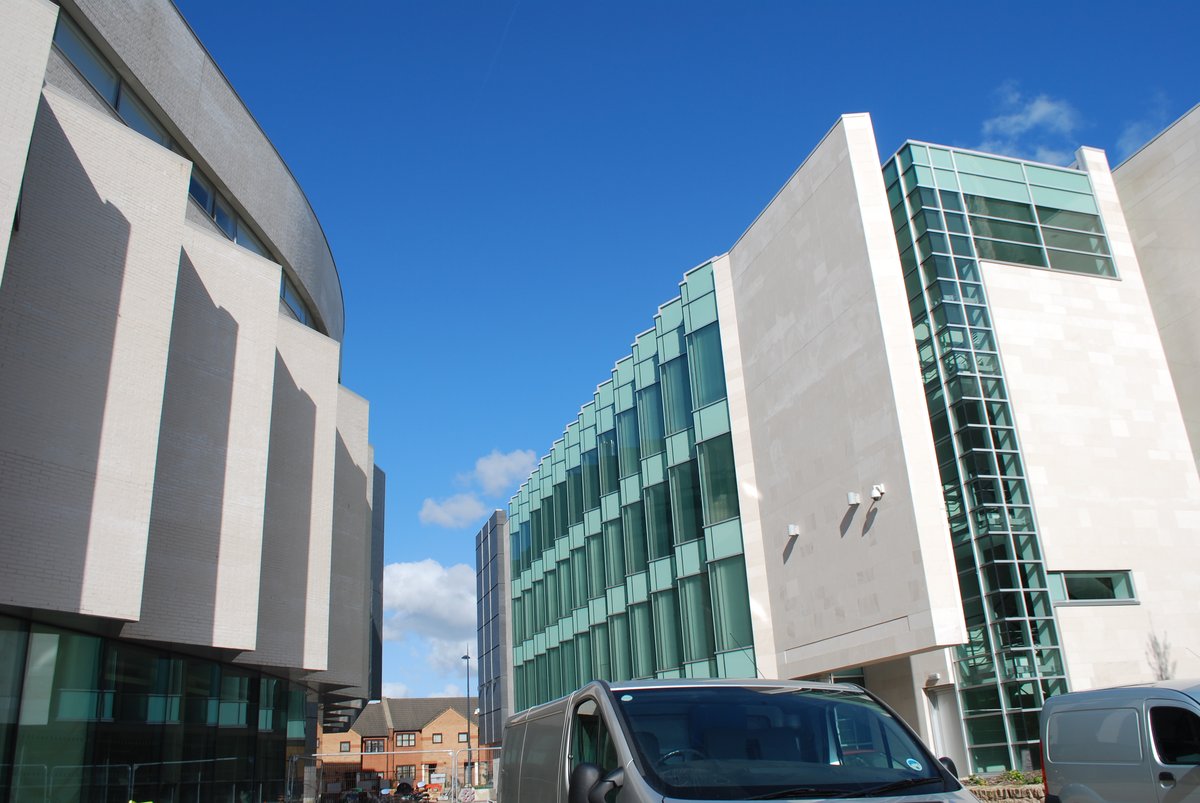
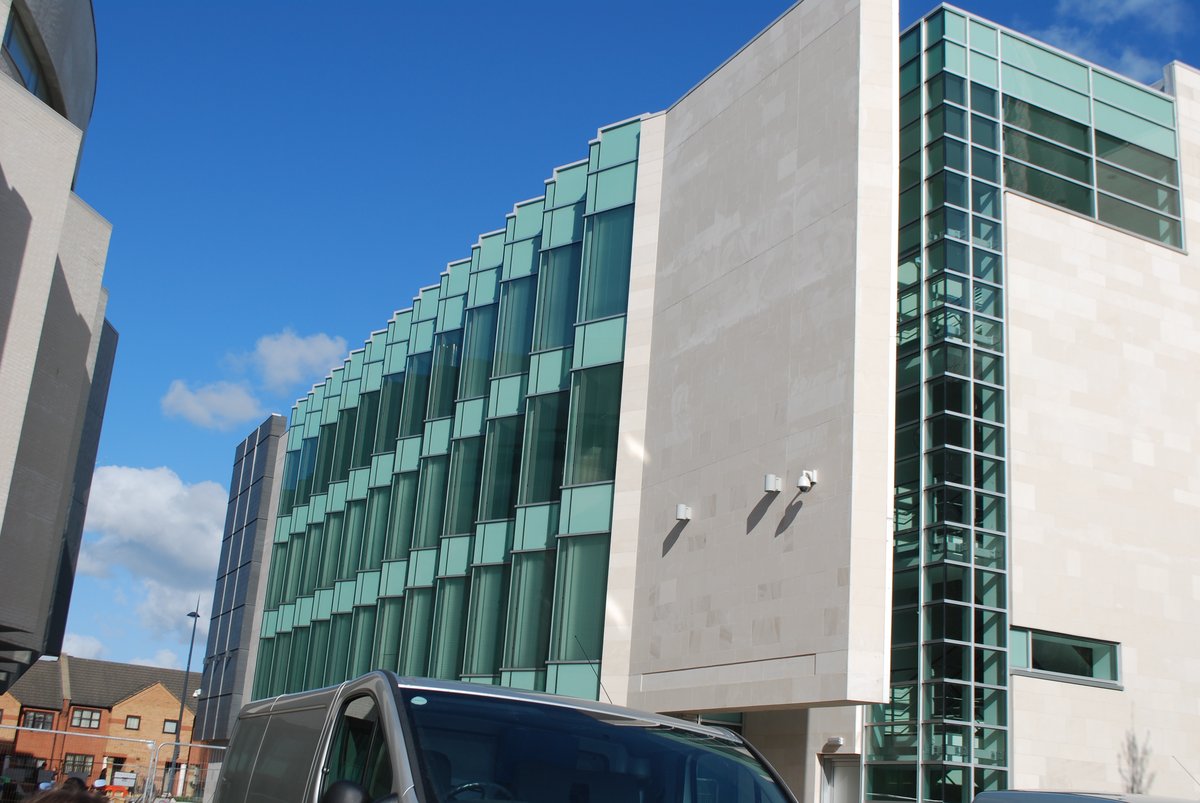
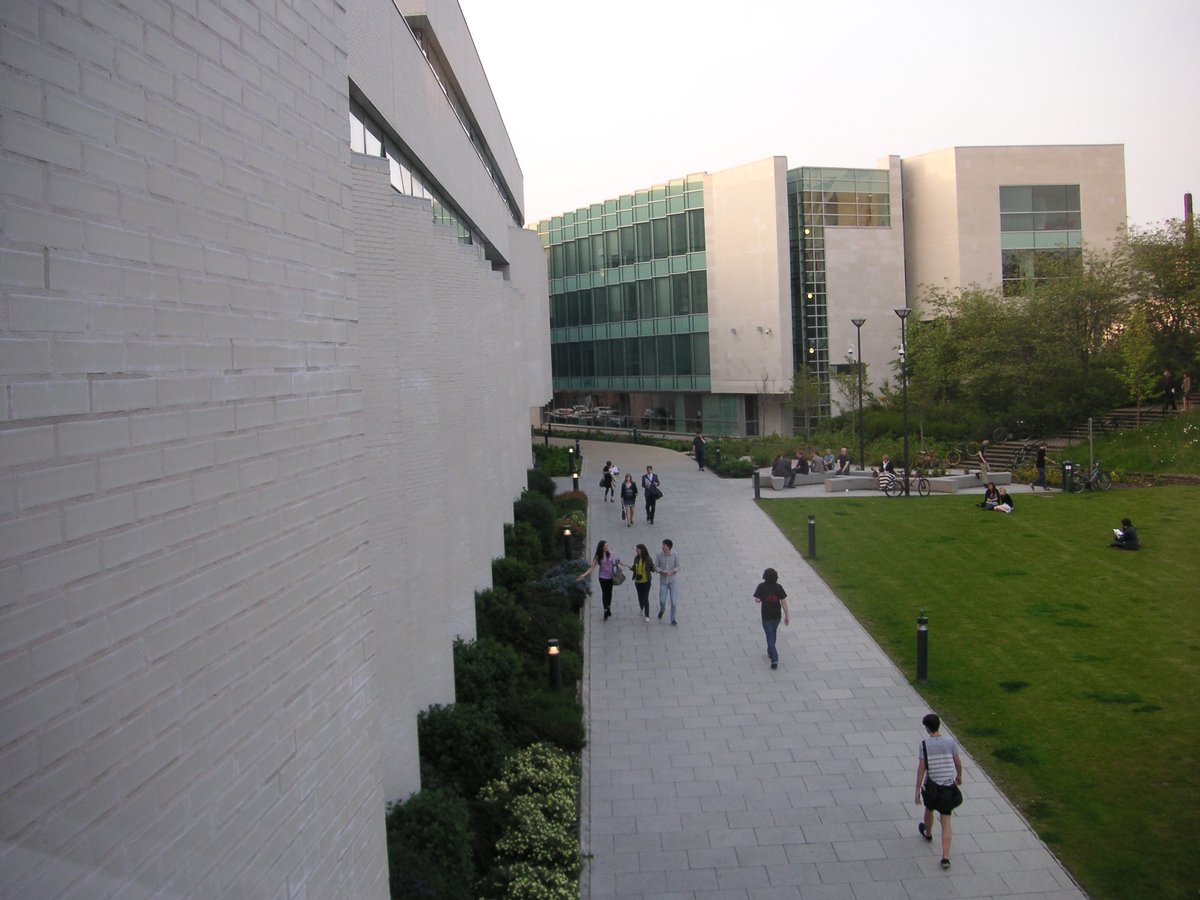
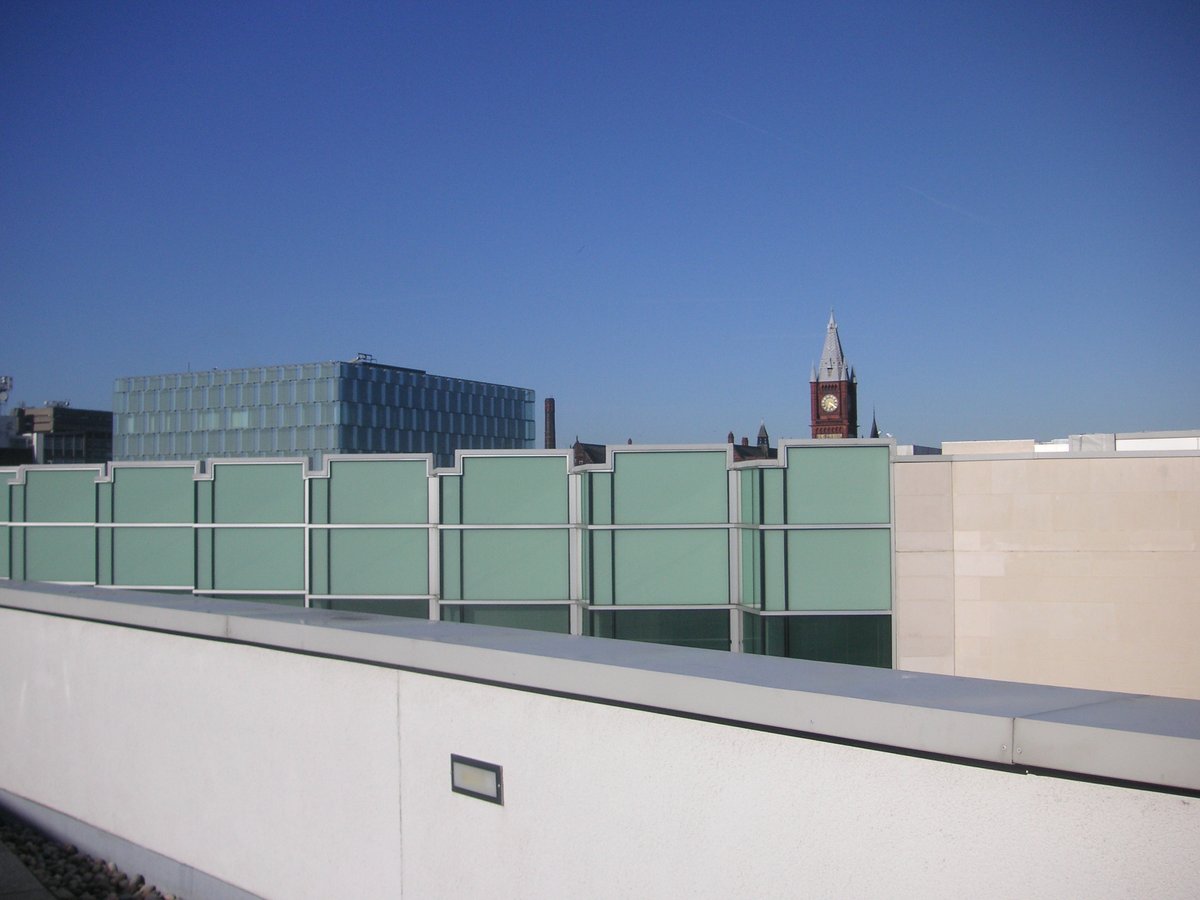
Designed by Rick Mather Architects, the John Lennon Art & Design Building is renowned for its contemporary glass façade and open, light-filled interiors. The structure spans over 11,500 square meters, making it one of the UK’s largest dedicated art and design facilities outside London (Art in Liverpool; LSAD About).
Key features include:
- Specialist studios for fine art, graphic design, architecture, and fashion.
- Flexible exhibition and gallery spaces for student and professional shows.
- The Exhibition Research Lab (ERL): The UK’s first center dedicated to exhibition cultures.
- Lecture theatres and seminar rooms equipped with modern audiovisual technology.
- Public café (open during term time).
- Accessible communal areas that encourage interaction and collaboration.
The building’s design has earned accolades such as the RIBA Award, Civic Trust Award, and WAN Education Sector Award for its innovative and sustainable approach (LSAD About).
Visitor Information: Visiting Hours, Tickets, and Accessibility
- Visiting Hours: Monday to Friday, 9:00 AM to 5:00 PM. Exhibition Research Lab hours are typically Monday to Friday, 11:00 AM to 4:00 PM during exhibitions. Hours may vary during university holidays and special events (Exhibition Research Lab Visit).
- Tickets and Admission: Entry to the building and most exhibitions is free. Special events may require advance booking or tickets (LJMU Events).
- Accessibility: The building offers step-free entry, lifts, and accessible restrooms. Disabled parking can be arranged in advance.
- Guided Tours: Available by special arrangement or during major exhibitions. Contact the School of Art & Design for details.
- Facilities: In addition to exhibition galleries and studios, visitors have access to digital media suites and workshops. The café is open during term but may close during holidays (LJMU Summer Opening Times).
Travel Tips and Nearby Attractions
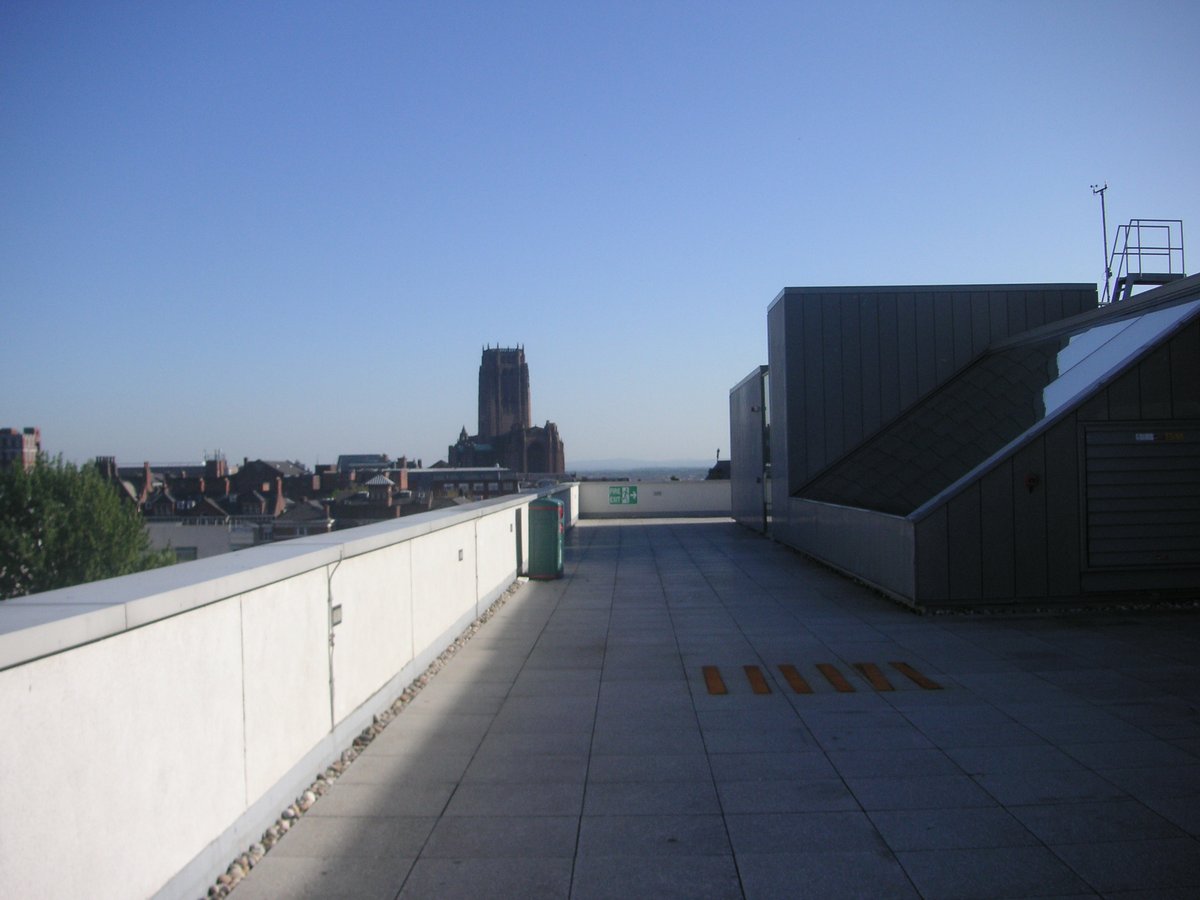
- Location: Duckinfield Street, Liverpool, L3 5RD. Centrally located on LJMU’s Mount Pleasant Campus and opposite Liverpool Metropolitan Cathedral.
- Getting There: About a 10-minute walk from Liverpool Lime Street Station. Multiple bus routes and taxis are also available.
- Parking: No on-site public parking. The nearest NCP car park is on Mount Pleasant (L3 5TB), closing at 8 PM.
- Nearby Attractions: Liverpool Metropolitan Cathedral, Walker Art Gallery, World Museum, Philharmonic Hall, and Beatles attractions on Mathew Street.
Frequently Asked Questions (FAQ)
Q: What are the visiting hours for the John Lennon Art & Design Building?
A: Monday to Friday, 9:00 AM to 5:00 PM (exhibitions: typically 11:00 AM to 4:00 PM). Check the Exhibition Research Lab’s website for current information.
Q: Is there an admission fee?
A: Entry is free; some special events may require advance booking.
Q: Are guided tours available?
A: Available by arrangement or during major exhibitions. Contact LJMU for details.
Q: Is the building accessible for disabled visitors?
A: Yes, with lifts, accessible restrooms, and disabled parking by request.
Q: Where can I park?
A: Use the nearby NCP car park at Mount Pleasant. City centre parking is limited during peak periods.
Listen to the full story in the app
The whole John Lennon Art & Design Building,
told well.
Audio guides for 1,100+ cities across 96 countries. History, stories, and local insight — offline ready.
Verified, and shown.
Researched and written by the Audiala editorial team from historical records, architectural archives, and local expertise.
Researched from Wikidata, Wikipedia & official sources · fact-checked · How we make our guides →