Plan and listen to Custom House, Liverpool with Audiala.
Audio guide in your pocket, itinerary in your browser. Built for the way you actually visit.
Introduction
Liverpool’s Custom House was a monumental neoclassical landmark and a symbol of the city’s rise as a global maritime powerhouse in the 19th century. Designed by John Foster and completed in 1828, it stood at Canning Place, anchoring the city’s waterfront and serving as the nerve center for customs, excise, postal, and telegraph operations. Although the Custom House was tragically destroyed during World War II and demolished in the late 1940s, its legacy is still felt in Liverpool’s urban landscape, particularly at the vibrant Liverpool ONE district, which now occupies the site (Architectural Review; Liverpool1207 Blog). This comprehensive guide explores the history, architecture, wartime impact, and current visitor experience related to the Custom House, providing practical advice for exploring Liverpool’s rich maritime heritage.


Origins and Construction
The Liverpool Custom House was conceived during a period of rapid urban and economic expansion, reflecting the city’s transformation into a leading global port. The original site, Canning Place, was created in 1827 by filling in Liverpool’s first dock, symbolizing a shift from the city’s modest port origins to commercial dominance (Architectural Review). John Foster, the city architect, designed the Custom House to function as both a practical administrative hub and a civic monument. Its placement at the south end of Castle Street established a grand axis with the Town Hall, reinforcing Liverpool’s status as a city of architectural ambition (Liverpool1207 Blog).
Architectural Significance
Foster’s Custom House was a paragon of neoclassical architecture, characterized by imposing Ionic porticos, a majestic dome, and a balanced, symmetrical footprint. The west portico surveyed the bustling docks, visually linking the city’s administrative core with its maritime lifeblood (Architectural Review). With a scale rivaling St George’s Hall, the Custom House quickly became a national showpiece and a favorite of artists, illustrators, and photographers. Its architectural prominence made it a powerful visual emblem of Liverpool’s economic and civic might (Liverpool1207 Blog).
Role in Liverpool’s Development
During the 19th century, the Custom House was at the heart of Liverpool’s development into the British Empire’s principal port. By 1842, the city’s population had tripled since 1800, and the port handled vast volumes of shipping and trade. The Custom House became the Exchequer’s largest single source of revenue, symbolizing Liverpool’s pivotal role in global commerce. Its location reinforced the “brokers’ axis” that connected the Exchange, Town Hall, Castle Street, and the waterfront, cementing its status as a focal point of economic activity (Architectural Review).
Wartime Damage and Demolition
The fortunes of the Custom House changed drastically during World War II. The building suffered its first major damage in August 1940 when a bomb struck the dome. The most catastrophic destruction occurred during the May Blitz of 1941, when incendiary bombs set the structure ablaze, leaving only the external shell standing (Liverpool1207 Blog). Despite partial use for a few years, the building was declared unsalvageable and was demolished between 1947 and 1948—a loss mourned by many as the end of an architectural era in Liverpool.
Legacy and the Site Today
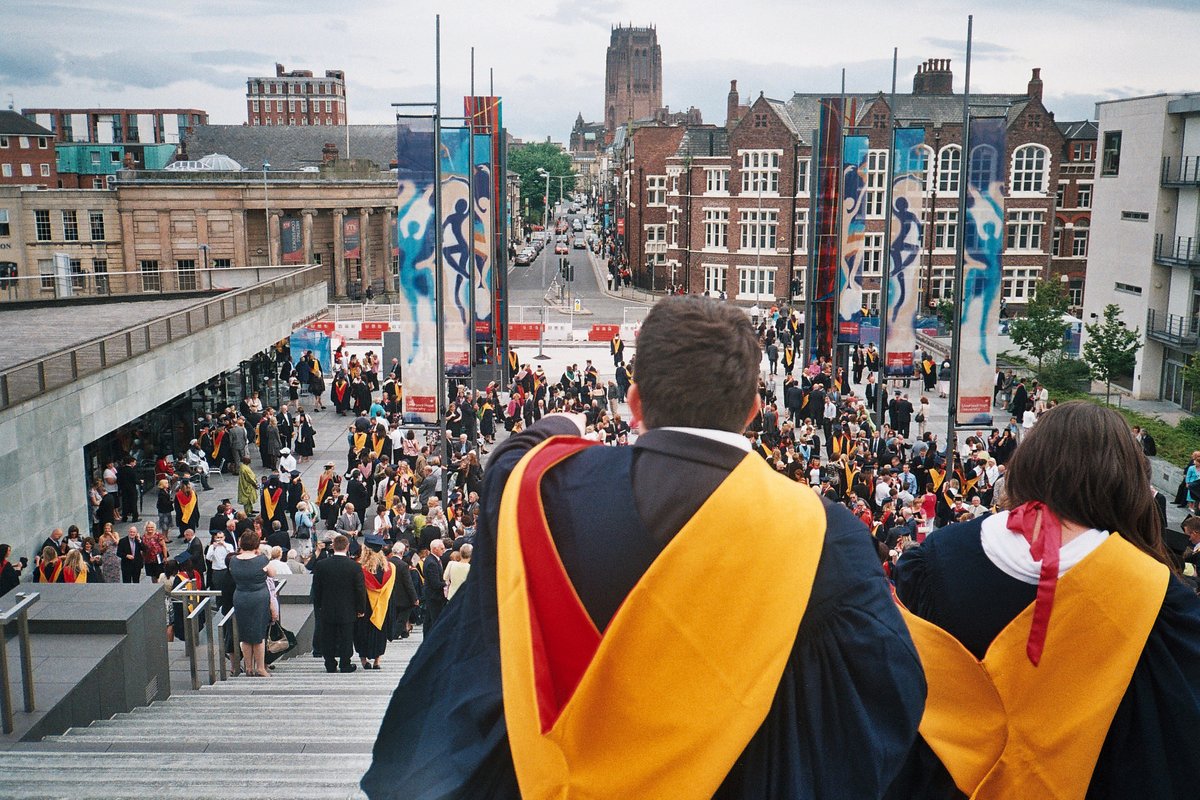
For decades after demolition, the Custom House site was a poignant reminder of Liverpool’s wartime losses. Recent regeneration efforts, especially the creation of Liverpool ONE, have transformed the area into a vibrant retail and leisure district while honoring its maritime past (Architectural Review). Interpretive plaques and historical markers now commemorate the Custom House’s significance. The legacy of the building persists in the city’s collective memory, public art, and museum exhibits (Holidify).
Visiting Information: Hours, Tickets & Accessibility
Custom House Site:
- Access: The original Custom House no longer stands. The site, located within Liverpool ONE at Canning Place, is an open public space and accessible at all times.
- Tickets: No tickets are required.
- Accessibility: Liverpool ONE and the surrounding area are fully accessible, with step-free routes, ramps, elevators, and accessible restrooms.
Nearby Attractions (with typical hours):
- Merseyside Maritime Museum: 10:00 AM – 5:00 PM, free entry (National Museums Liverpool).
- Museum of Liverpool: 10:00 AM – 5:00 PM, free entry.
- Tate Liverpool: 10:00 AM – 5:50 PM, free for permanent collections.
- The Beatles Story: 10:00 AM – 6:00 PM, ticketed entry.
Check the Visit Liverpool website or individual attraction websites for current hours and ticketing details.
Getting There:
- Location: Canning Place, Liverpool city center.
- Transport: 15-minute walk from Liverpool Lime Street Station; well-served by city buses and taxis.
- Parking: Multiple car parks nearby (e.g., Q-Park Liverpool ONE).
Visitor Tips:
- Wear comfortable shoes for exploring on foot.
- Liverpool weather can be changeable—pack a rain jacket.
- Public restrooms and free Wi-Fi are available at Liverpool ONE and major museums.
Nearby Historical Attractions
- Royal Albert Dock: UNESCO World Heritage site with museums, galleries, restaurants, and shops.
- International Slavery Museum: Located within the Maritime Museum, free entry.
- The Bluecoat: Liverpool’s oldest city center building, now a contemporary arts center.
- Liverpool Cathedral: Free entry; small fee for tower access.
- Williamson’s Tunnels: Guided tours of historic underground passages.
- The Three Graces: Iconic waterfront buildings—Royal Liver Building, Cunard Building, Port of Liverpool Building.
For more details:
Guided Tours, Art, and Heritage Walks
- Guided Walking Tours: Numerous operators offer daily tours covering Liverpool’s maritime and architectural history, including the Custom House site.
- Old Dock Tour: Offers unique insights into the foundations and maritime history beneath Liverpool ONE (Visit Liverpool).
- Heritage Trails: Self-guided routes with interpretive materials are available from tourism offices.
- Art and Visual Documentation: The Custom House is featured in paintings by John Atkinson Grimshaw, watercolors by James Hamilton Hay, and historic photographs. Artworks can be viewed at local galleries and online archives (e.g., Liverpool Echo Gallery, Chester Walls Gallery).
Frequently Asked Questions (FAQs)
Q: Can I visit the Liverpool Custom House building today?
A: No, the building was demolished after WWII. The site is freely accessible at Liverpool ONE, with interpretive plaques marking its location.
Q: Are there museum exhibits about the Custom House?
A: Yes, the Merseyside Maritime Museum and Museum of Liverpool have exhibits and artifacts related to the Custom House’s history (National Museums Liverpool).
Q: Is the site accessible for those with disabilities?
A: Yes, Liverpool ONE and nearby attractions are wheelchair accessible with step-free routes.
Q: Are guided tours available?
A: Yes, many guided and self-guided heritage tours include the Custom House site as part of broader maritime history themes.
Q: What are the best times to visit?
A: Spring through autumn offers pleasant weather. Most attractions are open year-round—check specific opening hours before visiting.
Summary and Recommendations
Though the Liverpool Custom House no longer graces the city skyline, its story is inseparably linked to Liverpool’s emergence as an economic powerhouse and its resilience through war and renewal (Architectural Review; Liverpool1207 Blog). Today, visitors can commemorate its legacy by exploring Liverpool ONE, engaging with museum exhibits, and joining heritage walks along the historic waterfront. The area’s accessibility and wealth of nearby attractions make it a rewarding destination for all.
For an enhanced experience, download the Audiala app for guided audio tours and stay updated on heritage events via social media. Discover Liverpool’s unique blend of history and modern vibrancy by exploring the Custom House site and its surroundings.
Tickets & tours.
These are guided options from our partners — same price as booking direct.
Prices are indicative — final pricing and availability are confirmed at checkout. Audiala may earn a commission from bookings made through these links.
Listen to the full story in the app
The whole Custom House, Liverpool,
told well.
Audio guides for 1,100+ cities across 96 countries. History, stories, and local insight — offline ready.
Verified, and shown.
Researched and written by the Audiala editorial team from historical records, architectural archives, and local expertise.
Researched from Wikidata, Wikipedia & official sources · fact-checked · How we make our guides →