Plan and listen to Cunard Building with Audiala.
Audio guide in your pocket, itinerary in your browser. Built for the way you actually visit.
Introduction: The Cunard Building’s Legacy
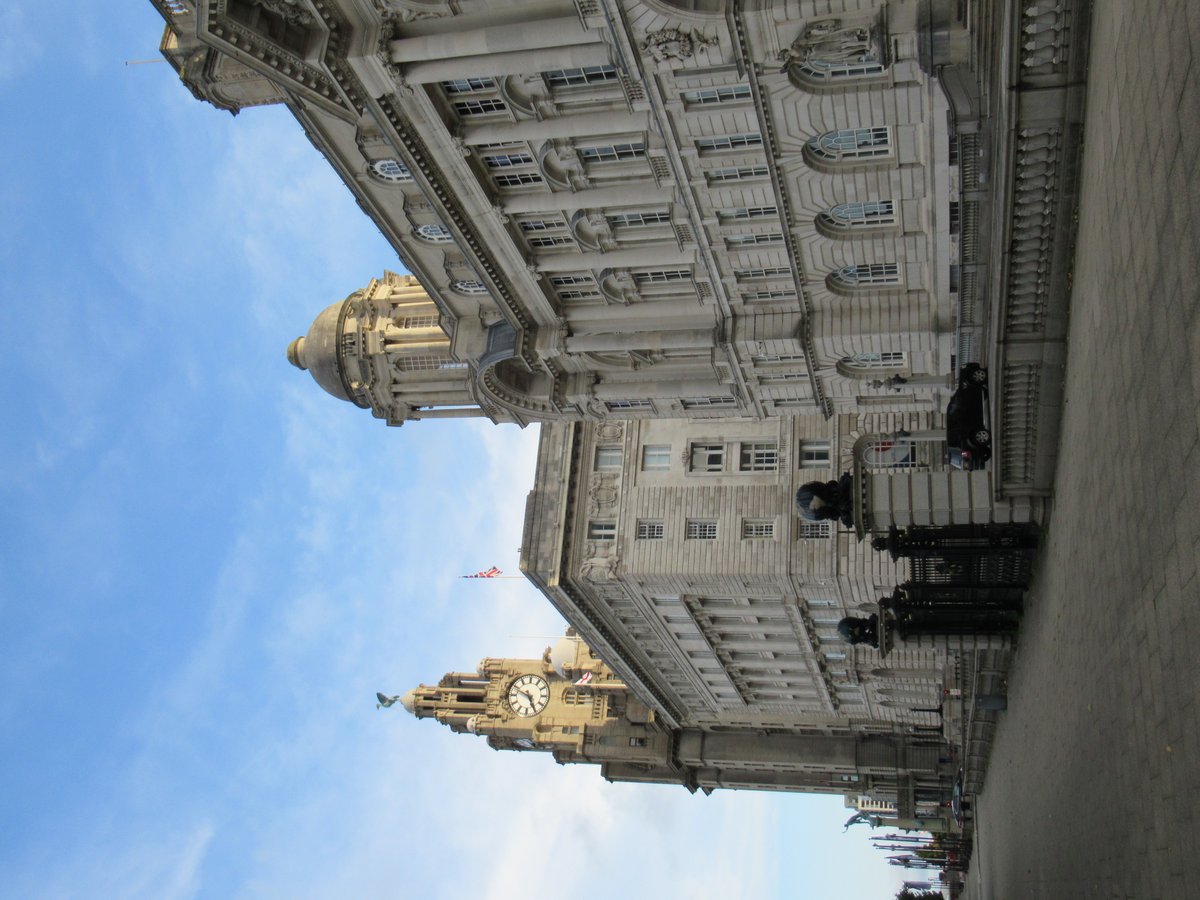
Prominently located on Liverpool’s waterfront, the Cunard Building stands as a monument to the city’s maritime ascendancy and architectural splendor. As one of the iconic “Three Graces” on the Pier Head, alongside the Royal Liver Building and the Port of Liverpool Building, the Cunard Building reflects Liverpool’s pivotal role in global shipping and migration during the early 20th century. Its striking Beaux-Arts and Italian Renaissance Revival style, inspired by classical Italian palaces, makes it a must-see destination for history enthusiasts, architecture lovers, and cultural explorers (Wikipedia; TripVenture).
First opening its doors in 1917 as the headquarters of the Cunard Steamship Company, the building was at the core of transatlantic passenger and cargo operations, managing legendary liners such as RMS Queen Mary and RMS Lusitania. During wartime, it also played a vital civil defense role, housing air raid shelters and strategic command offices. Today, it continues to celebrate Liverpool’s dynamic past, serving as a venue for exhibitions like the 2025 “Sea of Glamour” and as the home of the British Music Experience museum (Only in Liverpool; The Guide Liverpool).
This comprehensive guide details the Cunard Building’s rich history, architectural highlights, practical visitor information—including visiting hours, tickets, accessibility—and offers recommendations for exploring nearby attractions and cultural experiences.

Origins and Construction
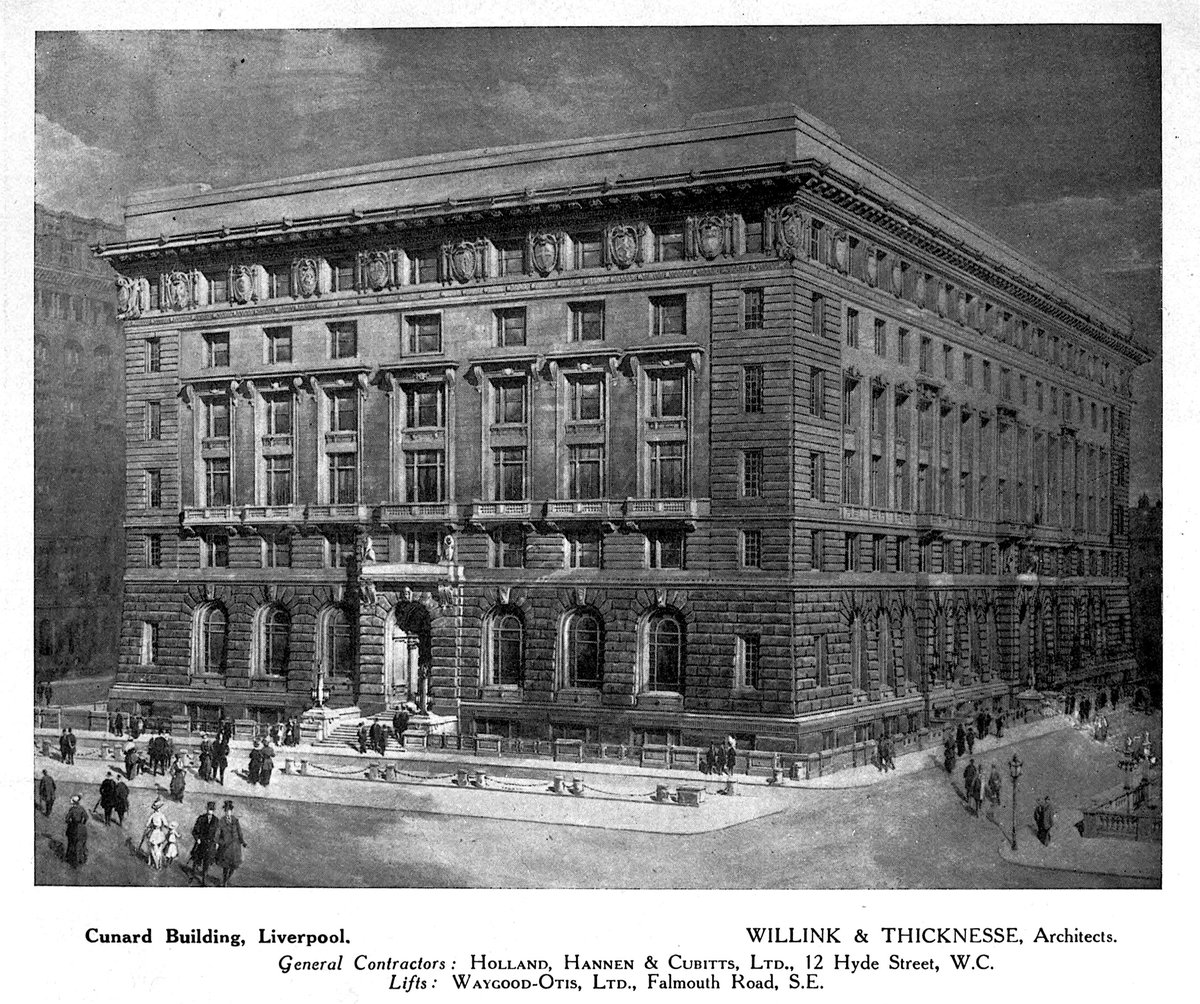
Commissioned in 1914, the Cunard Building was designed by Liverpool architects William Edward Willink and Philip Coldwell Thicknesse, with consulting architect Arthur J. Davis. The building’s site on the former George’s Dock placed it at the heart of Liverpool’s bustling port activities (Wikipedia). Construction continued through World War I and was completed in 1917, symbolizing both resilience and ambition (TripVenture).
Architectural Style and Features
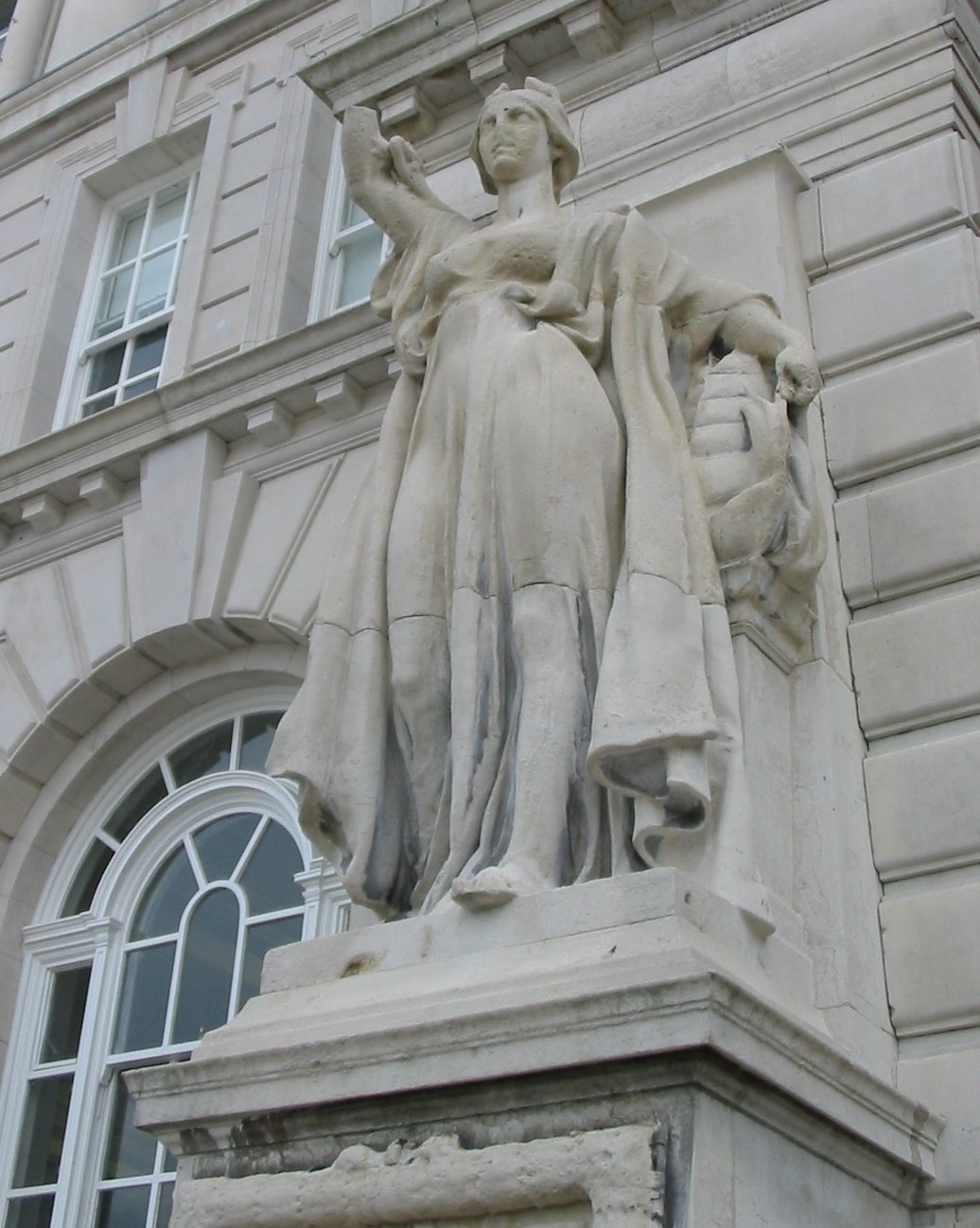
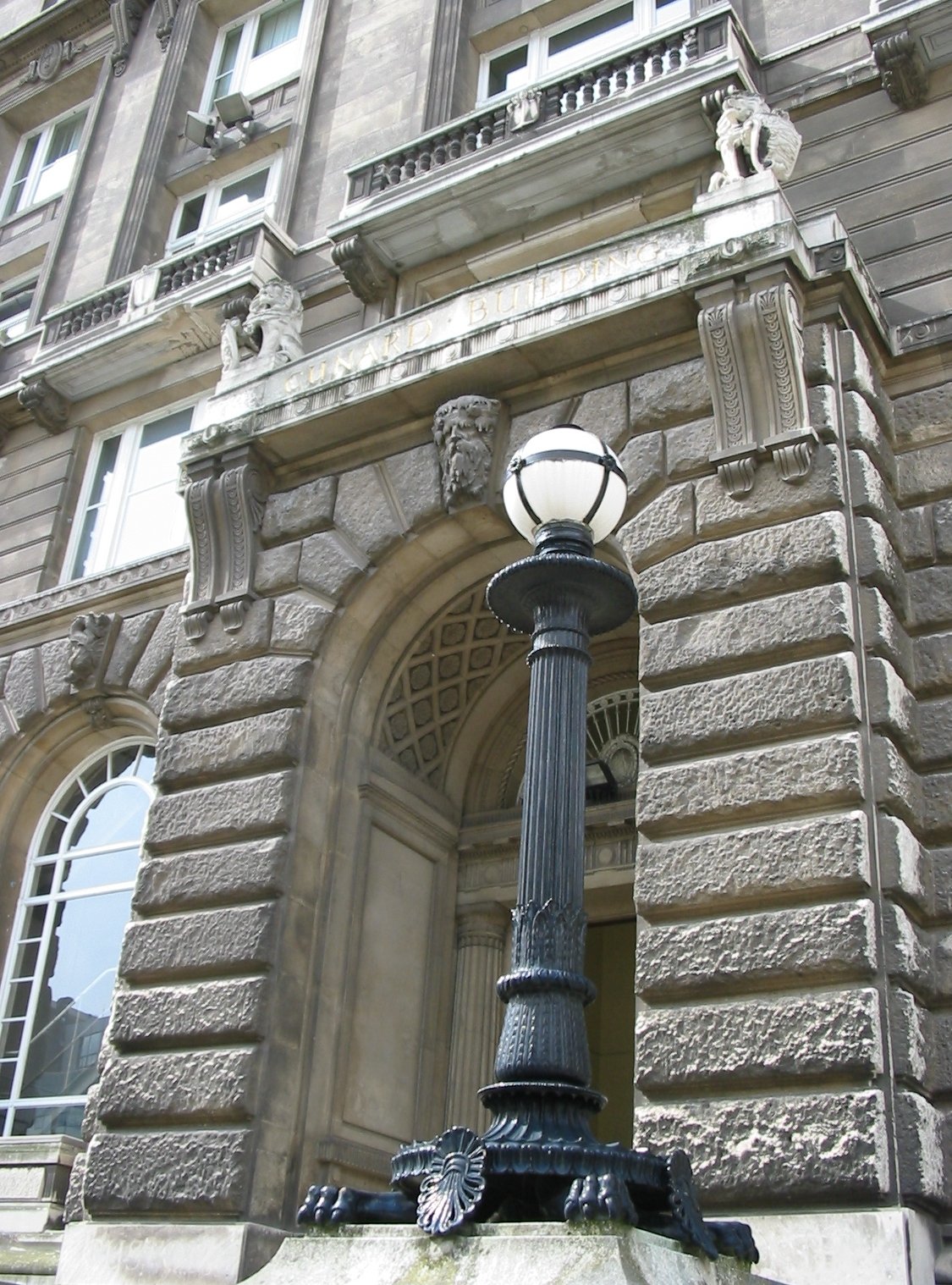
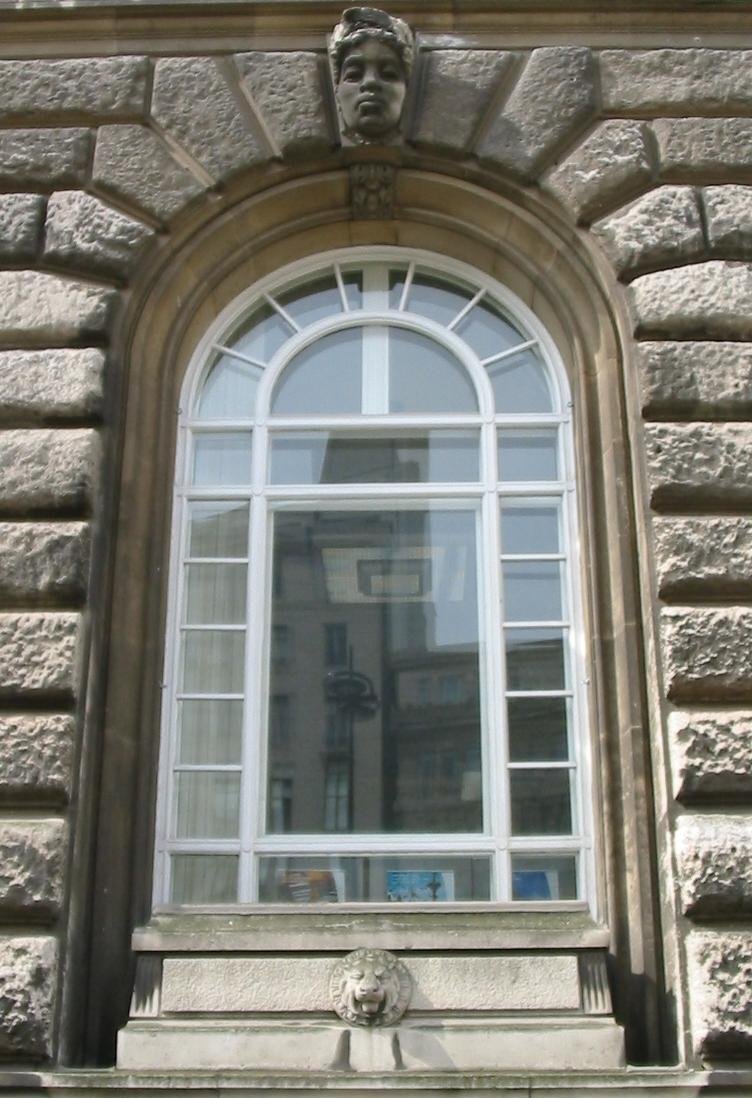
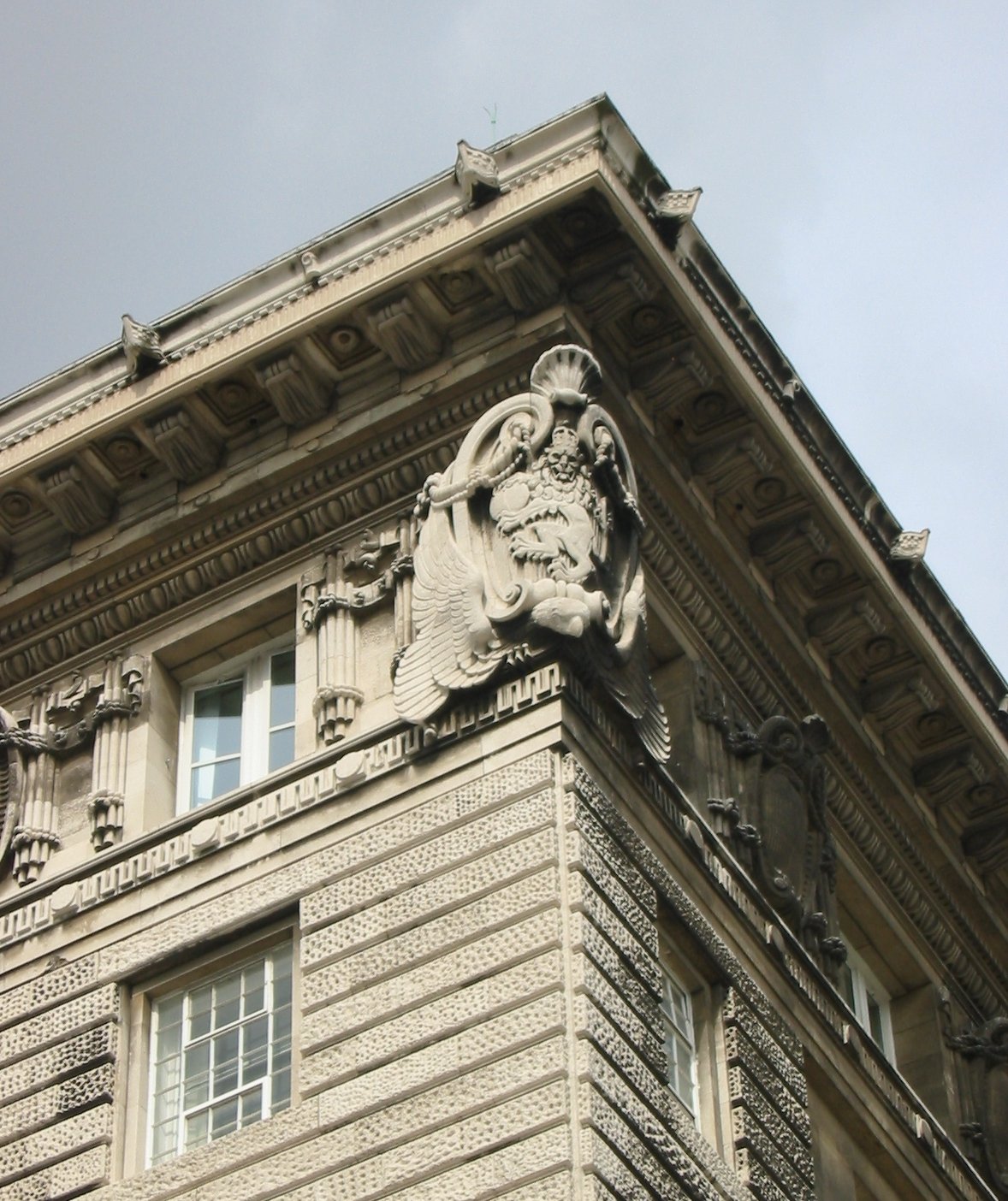
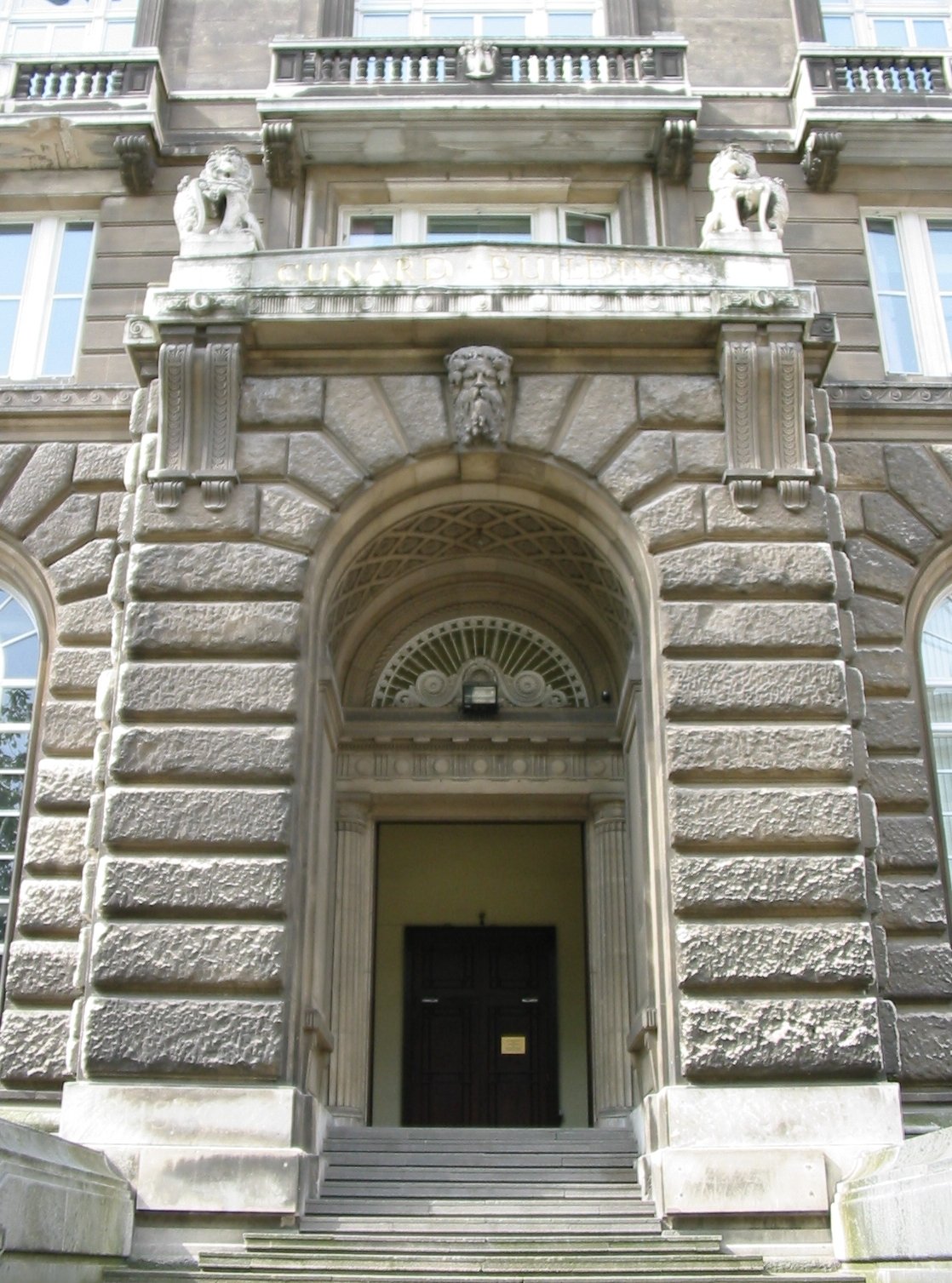
The Cunard Building is a masterful interpretation of early 20th-century Beaux-Arts and Italian Renaissance Revival styles. Its Portland stone façade features elaborate maritime-themed carvings, symmetrical bays, and imposing columns. The building’s rectangular footprint is defined by grand oak doors, fluted columns, and coffered ceilings.
Internally, the use of Italian marble, decorative plasterwork, and brass fittings create an atmosphere of luxury reflective of Cunard’s brand. The building’s flexible steel-frame construction was innovative, enabling spacious offices, grand staircases, and panoramic waterfront views (Manuscripts and More).
Maritime Significance & Wartime Role
As the operational headquarters of the Cunard Line, the building oversaw famous liners and was the departure point for countless transatlantic voyages. Facilities included ticketing halls, waiting rooms, and baggage storage, catering to a diverse clientele of emigrants, travelers, and dignitaries (TripVenture).
During WWII, its sub-basement became an air raid shelter and the local Air Raid Precautions (ARP) headquarters, protected by reinforced steel and concrete (Wikipedia). The building thus stands as a monument to both peacetime prosperity and wartime resilience.
Post-War Evolution and Preservation
Following Cunard’s relocation in the 1960s, the building changed hands multiple times, eventually being acquired by Liverpool City Council in 2013. It was awarded Grade II* listed status in 1965 due to its architectural and historical importance (Only in Liverpool). Today, the building hosts offices, private events, and the British Music Experience museum, exemplifying successful adaptive reuse.
Visiting Information: Hours, Tickets, Accessibility
Visiting Hours
- British Music Experience: Open Tuesday to Sunday, 10:00 AM – 5:00 PM (last entry at 4:00 PM). Closed Mondays except during school holidays.
- Building Access: The exterior is viewable year-round. Interior public access is primarily via museum admission or during special exhibitions. Check event listings for exceptions (British Music Experience).
Tickets
- Museum Admission: Tickets are required for the British Music Experience, with discounts for children, students, families, and seniors. Booking ahead is recommended, particularly during weekends and holidays (Golden Tours).
- Special Events: Some exhibitions (e.g., “Sea of Glamour”) may be free or require separate tickets. Always check official event pages.
Accessibility
- Building & Museum: Fully wheelchair accessible with ramps, lifts, and accessible toilets. Assistance dogs are welcome, and staff are available to help.
- Transport: Located at Pier Head, the building is a 15-minute walk from Liverpool Lime Street Station and is served by multiple bus routes. The Mersey Ferry terminal is adjacent (Vox City).
Guided Tours & Visitor Experience
- Guided Tours: Several local operators offer walking tours around the Pier Head, highlighting the Three Graces, with occasional access to the Cunard Building’s interiors during special events.
- Audio Guides: The British Music Experience provides multilingual audio guides, enhancing the interpretive experience.
- Photographic Opportunities: The building’s façade, especially at sunrise or sunset, is a favorite for photographers. Panoramic waterfront views and nearby public artworks add to the experience.
The Cunard Building’s Role in Liverpool’s Heritage
As a centerpiece of Liverpool’s Maritime Mercantile City, the Cunard Building embodies the city’s trading power, migration history, and architectural innovation. Though Liverpool’s UNESCO World Heritage status was revoked in 2021, the building’s preservation and adaptive reuse continue to anchor the city’s identity (Lonely Planet; GPSmyCity).
Key Attractions and Nearby Sites
The British Music Experience
An immersive museum chronicling British pop music since the 1940s, featuring artifacts, interactive exhibits, and memorabilia from The Beatles, Bowie, Adele, and more (British Music Experience; Vox City).
Cunard War Memorial
Located outside the building, this memorial honors Cunard employees lost in the World Wars (The Broke Backpacker).
The Three Graces & Pier Head
The architectural ensemble of the Cunard, Royal Liver, and Port of Liverpool Buildings defines the waterfront and is a highlight of walking tours and photography (Only in Liverpool).
Additional Nearby Attractions
- Museum of Liverpool
- Merseyside Maritime Museum
- The Cavern Quarter and Beatles heritage sites
Frequently Asked Questions (FAQ)
Q: What are the Cunard Building’s visiting hours?
A: The British Music Experience is open 10:00 AM–5:00 PM (last entry 4:00 PM), Tuesday to Sunday. For special events, check official listings.
Q: Are tickets required for entry?
A: Yes, for the British Music Experience. Some events may be free; check in advance.
Q: Is the building wheelchair accessible?
A: Yes, including lifts, step-free access, and accessible toilets.
Q: Are guided tours available?
A: Walking tours of the Pier Head often include the Cunard Building. Interior access depends on events or exhibitions.
Q: Where is the Cunard War Memorial?
A: Outside the building, accessible to all visitors.
Recommendations for Visitors
- Allocate 1–2 hours for the British Music Experience.
- Combine your visit with a walk along the Pier Head and exploration of the Three Graces.
- Check for special exhibitions or guided tours for enhanced access.
- Photograph the building’s exterior and waterfront views.
- Visit additional cultural sites nearby for a comprehensive Liverpool heritage experience.
For up-to-date information on hours, tickets, and events, refer to the British Music Experience official website.
Summary and Final Tips
The Cunard Building remains a majestic symbol of Liverpool’s maritime legacy, architectural distinction, and cultural vitality. From its origins as the epicenter of the Cunard Line’s global operations to its current role as a museum and event space, it offers visitors a window into over a century of history and innovation. With accessible facilities, engaging exhibitions, and proximity to other key attractions, the Cunard Building is an essential stop for any Liverpool itinerary (Wikipedia; The Guide Liverpool; Only in Liverpool; Vox City).
Plan ahead by booking tickets, checking for special events, and considering guided tours for deeper insights. Download the Audiala app and follow official tourism channels for the latest updates and visitor resources. Explore, learn, and be inspired by this enduring testament to Liverpool’s global heritage.
Tickets & tours.
These are guided options from our partners — same price as booking direct.
Prices are indicative — final pricing and availability are confirmed at checkout. Audiala may earn a commission from bookings made through these links.
Listen to the full story in the app
The whole Cunard Building,
told well.
Audio guides for 1,100+ cities across 96 countries. History, stories, and local insight — offline ready.
Verified, and shown.
Researched and written by the Audiala editorial team from historical records, architectural archives, and local expertise.
Researched from Wikidata, Wikipedia & official sources · fact-checked · How we make our guides →