Plan and listen to Church Of Our Lady And Saint Nicholas, Liverpool with Audiala.
Audio guide in your pocket, itinerary in your browser. Built for the way you actually visit.
Introduction
The Church of Our Lady and Saint Nicholas—affectionately known as “St Nick’s”—is one of Liverpool’s most storied landmarks, deeply interwoven with the city’s maritime history and civic life. Situated prominently on Liverpool’s historic waterfront, the church has stood as a spiritual sanctuary for mariners and a beacon for the local community since the 13th century, evolving alongside the city’s transformation into a global port. Its blend of medieval, Victorian, and modern architectural features, together with rich maritime memorials and community events, makes it an essential destination for visitors seeking to explore Liverpool’s heritage (Historic England; Liverpool Parish Church; Liverpool Underlined).
This guide provides a detailed overview of St Nick’s history, architecture, cultural significance, visitor information, and tips for making the most of your visit.


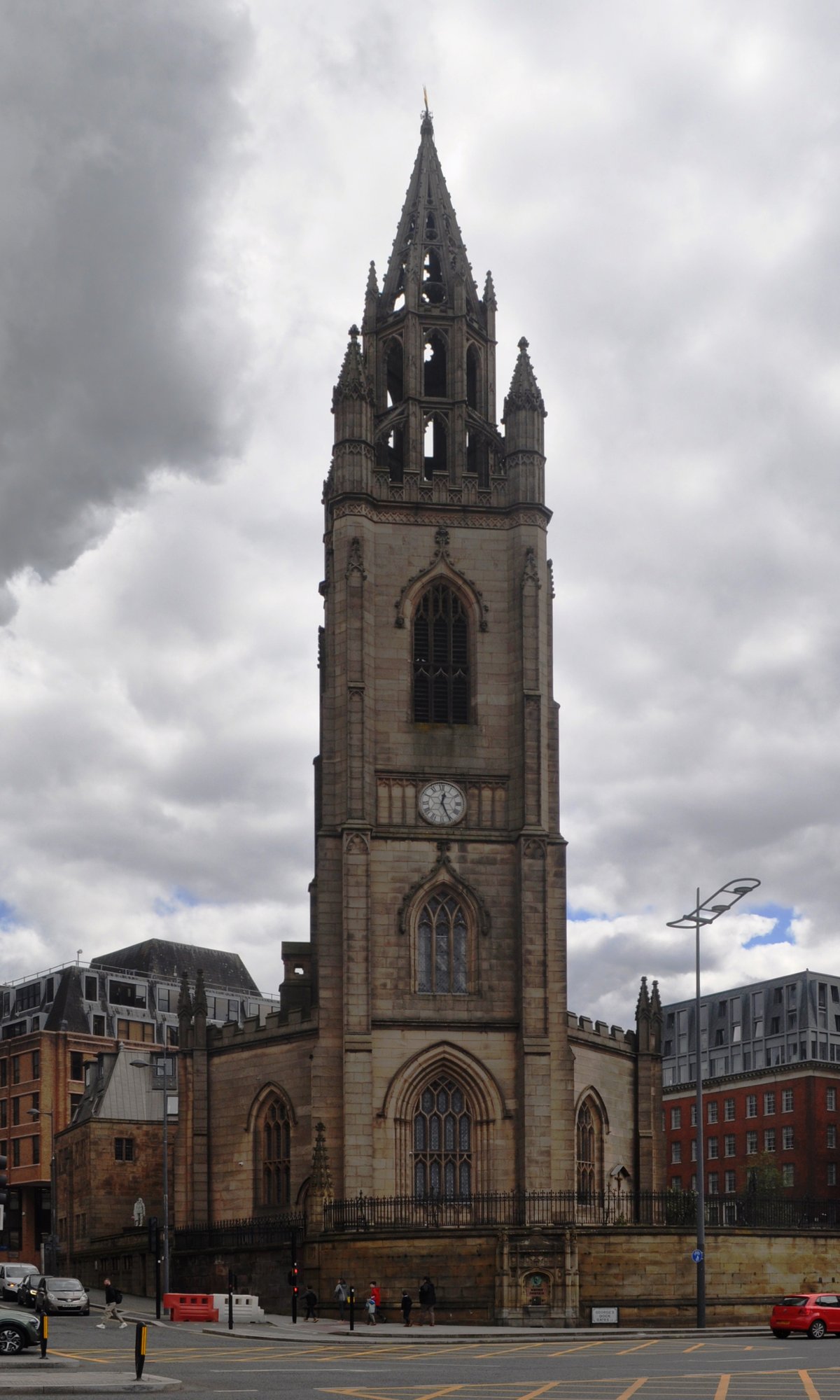
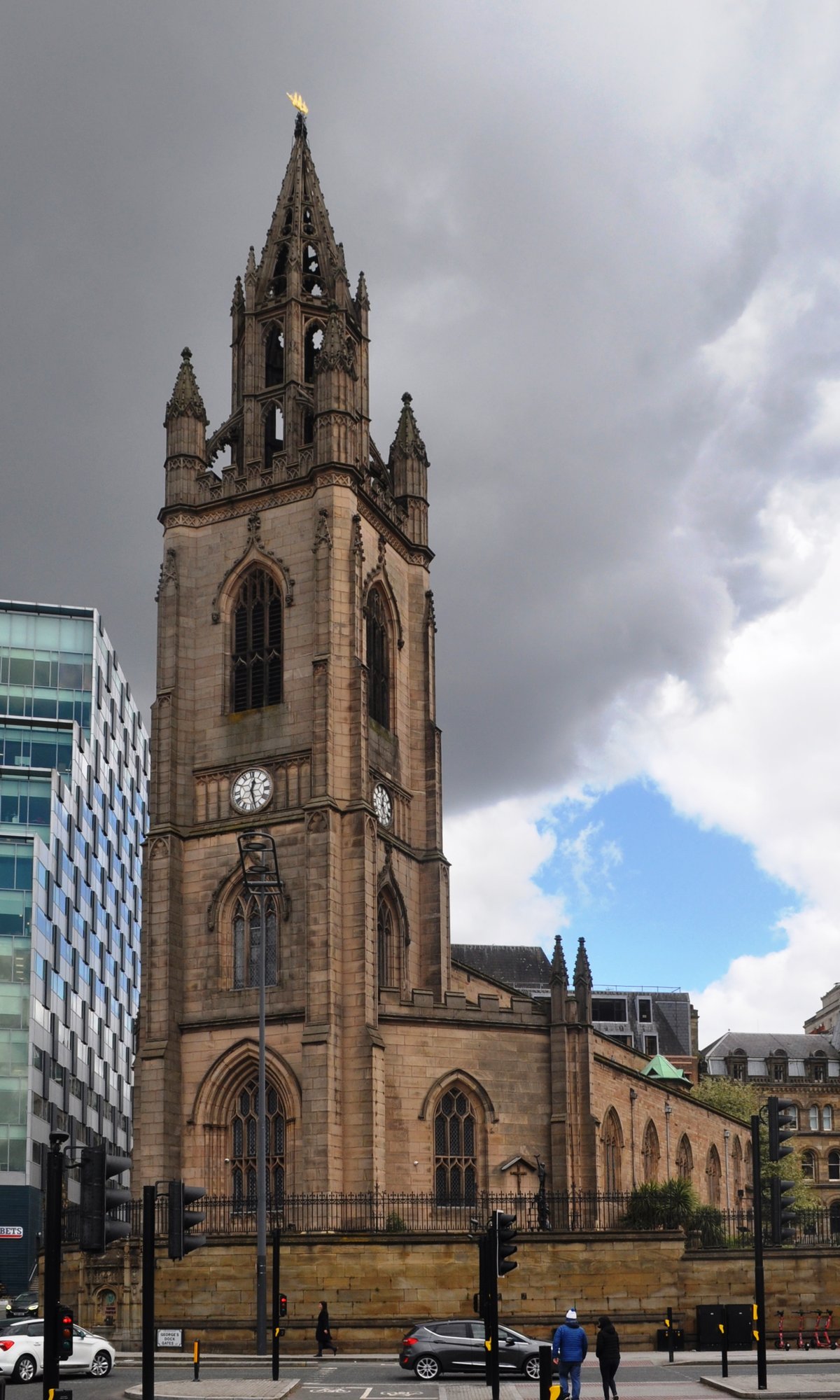
Early History and Medieval Foundations
The origins of the Church of Our Lady and Saint Nicholas trace back to 1257 with a chapel known as St Mary del Quay, serving Liverpool’s early port community (Historic England). Responding to the city’s rapid growth and importance as a port, a larger parish church was established in 1355, dedicated to both Our Lady and Saint Nicholas—the patron saint of sailors (Liverpool Parish Church).
The medieval church, constructed from local sandstone, featured a nave, chancel, and a modest tower. Its proximity to the docks made it a focal point for sailors, merchants, and the wider population, hosting countless baptisms, marriages, funerals, and community gatherings across centuries.
Transformations: Reformation to Victorian Era
The English Reformation brought significant change as the church shifted from Catholic to Anglican worship but retained its dual dedication. With Liverpool’s explosive growth in the 17th and 18th centuries, the church expanded—new towers and galleries were added to accommodate the burgeoning congregation (British History Online).
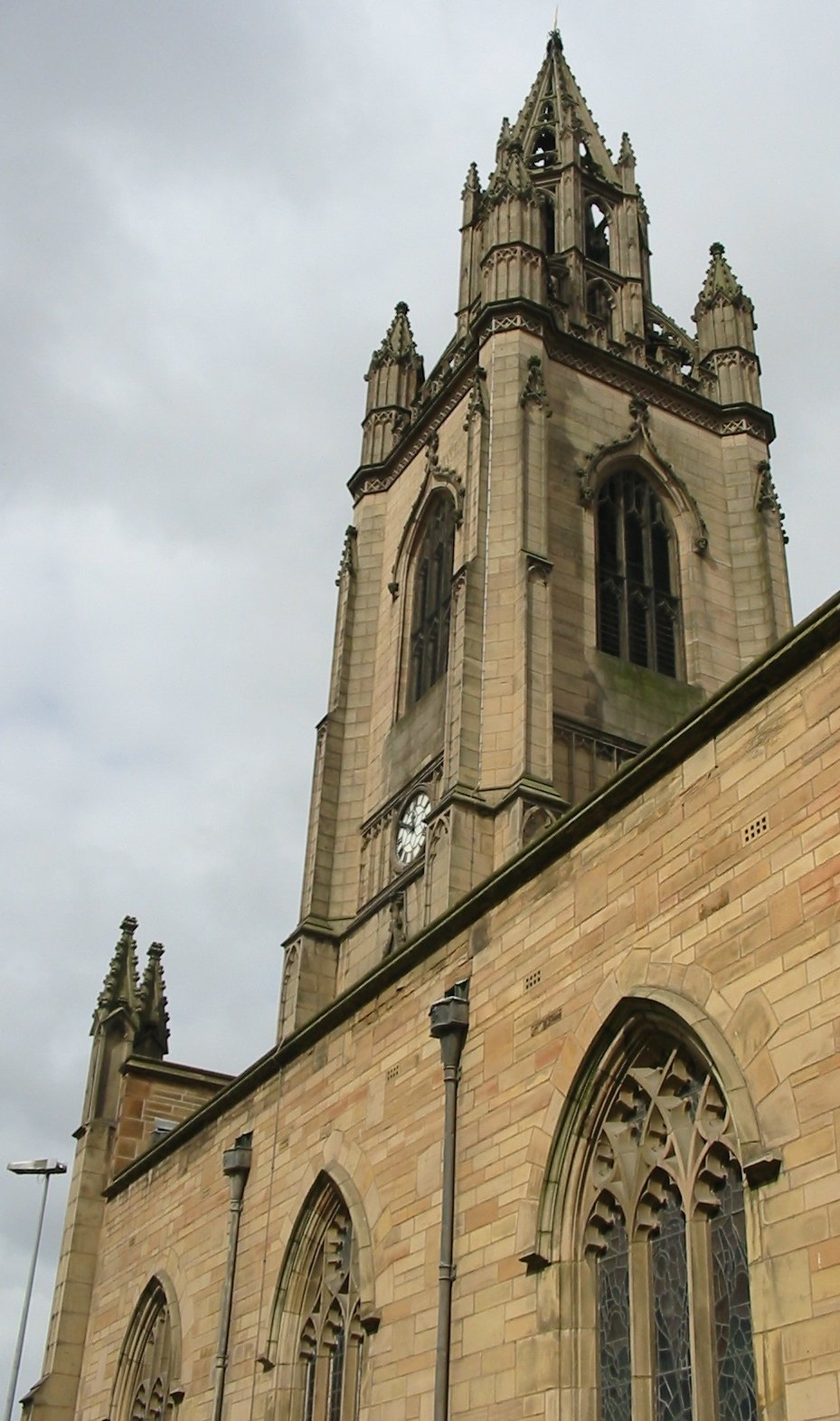
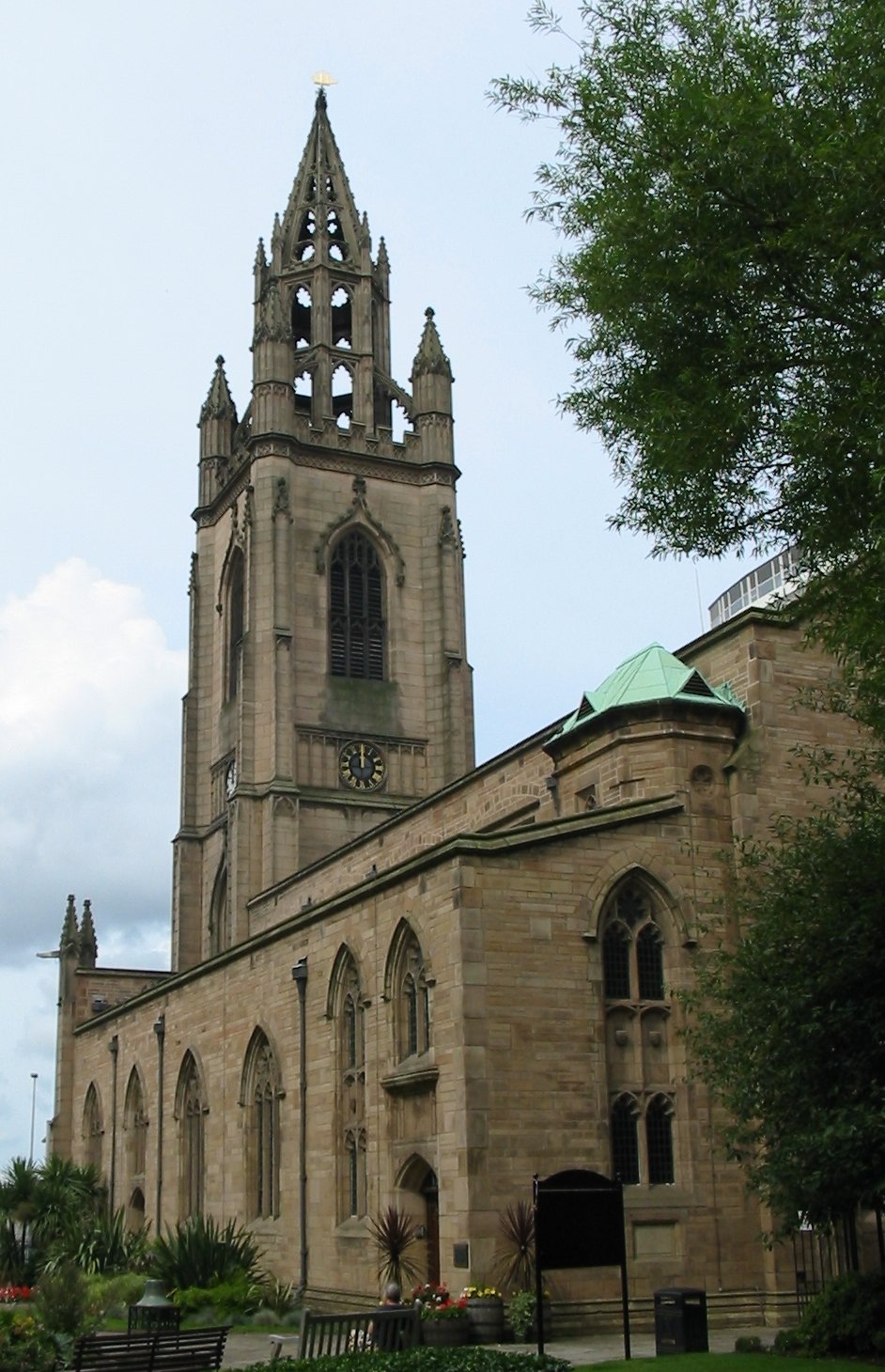
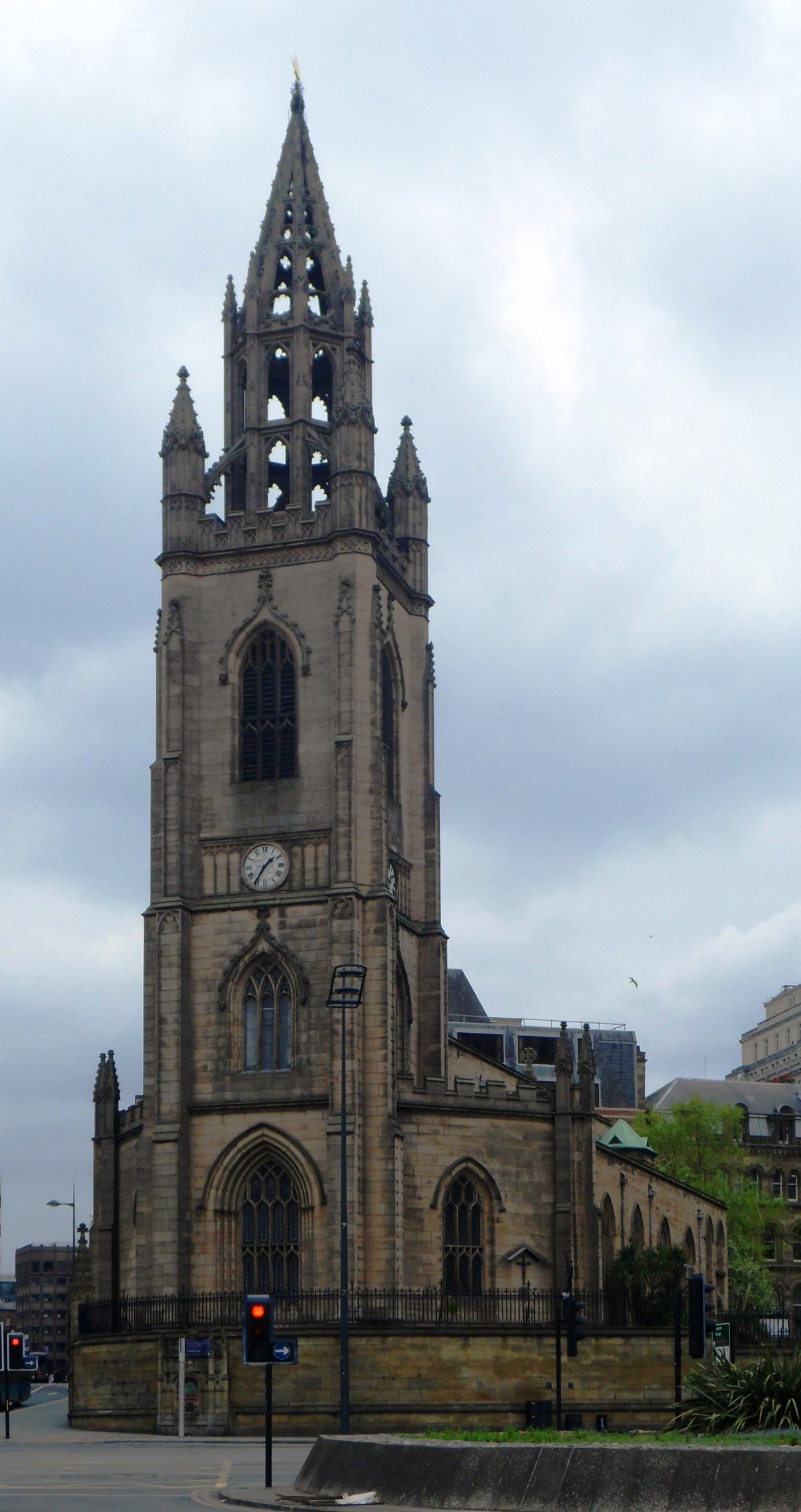
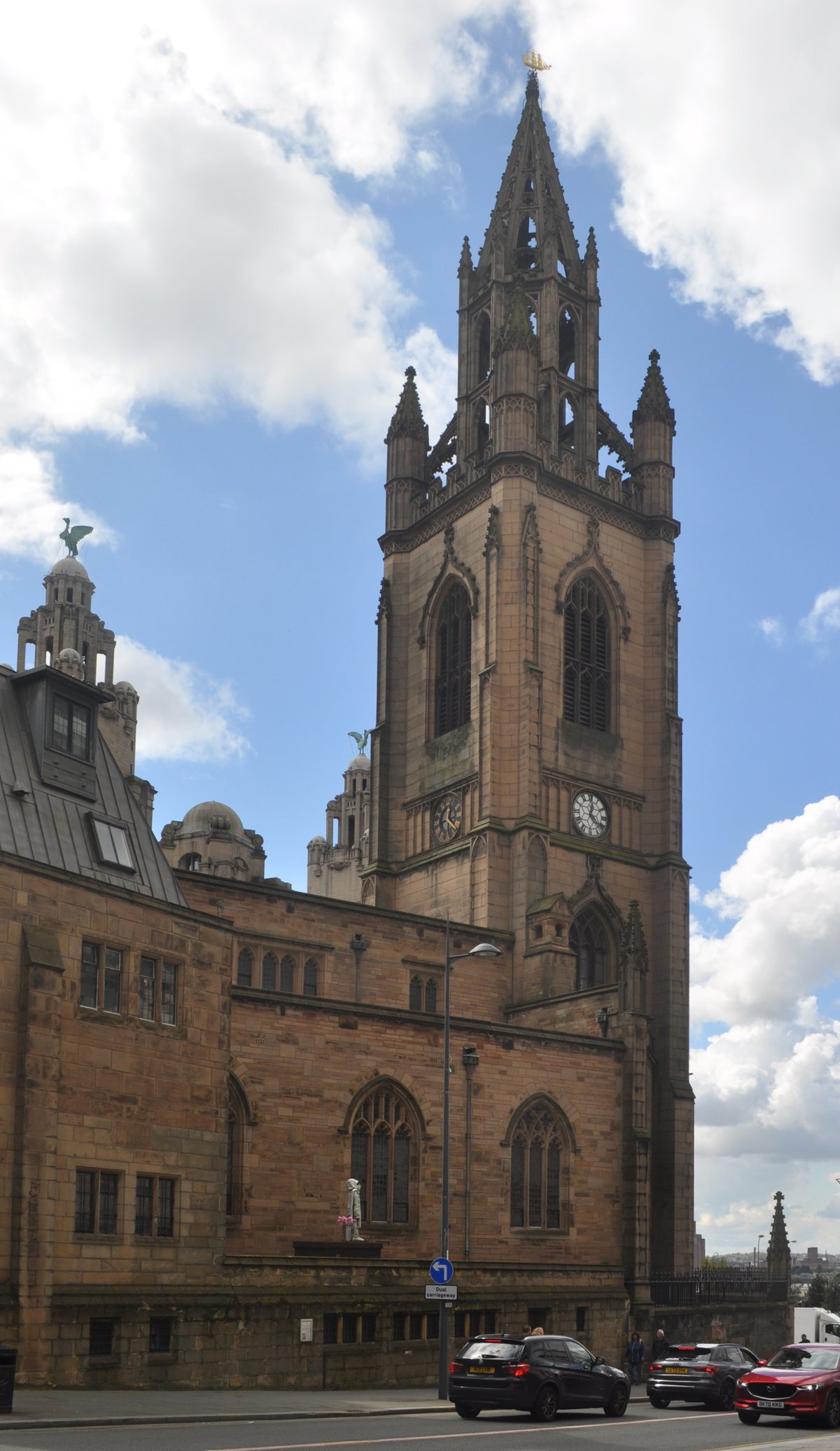
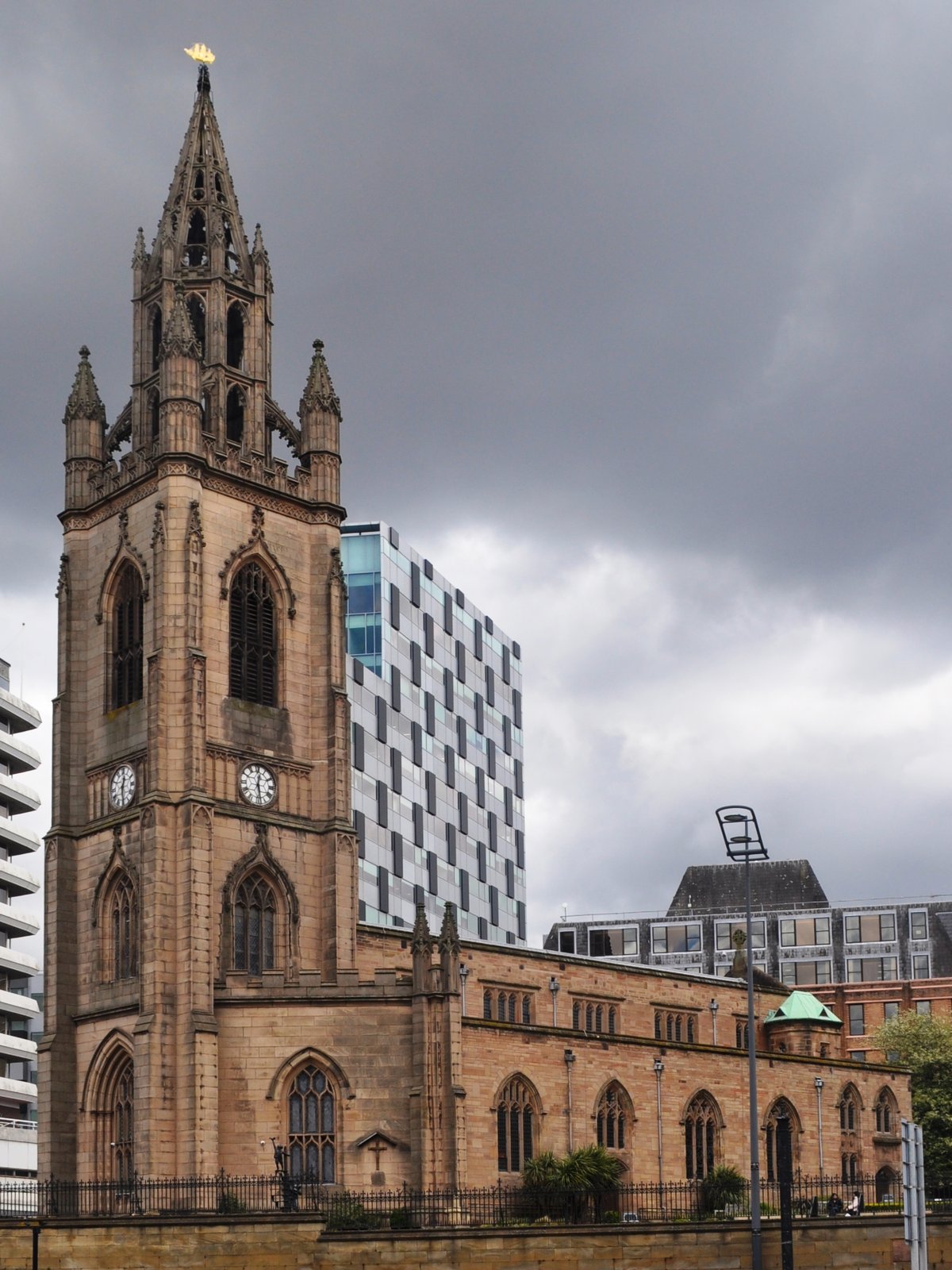
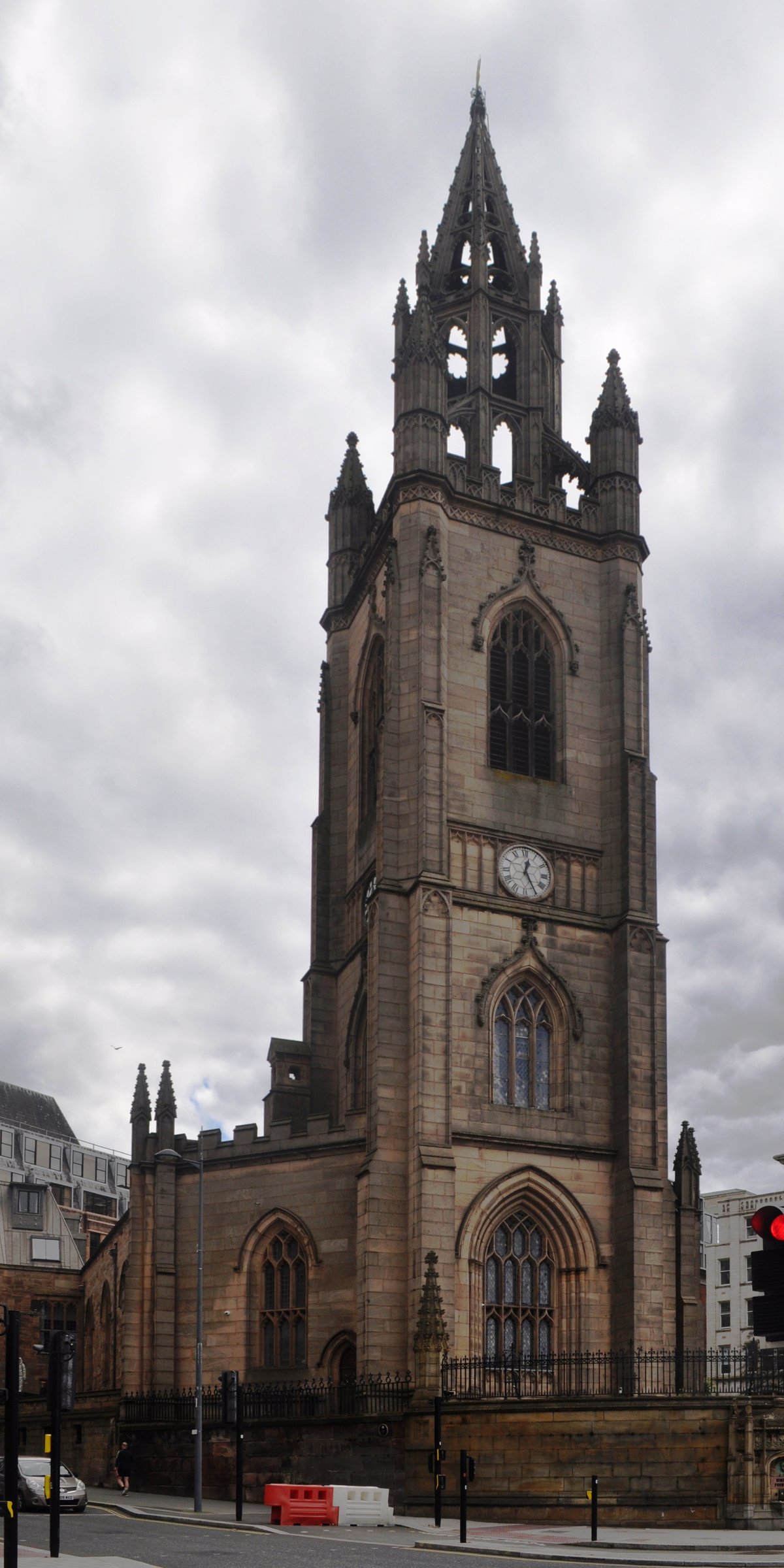
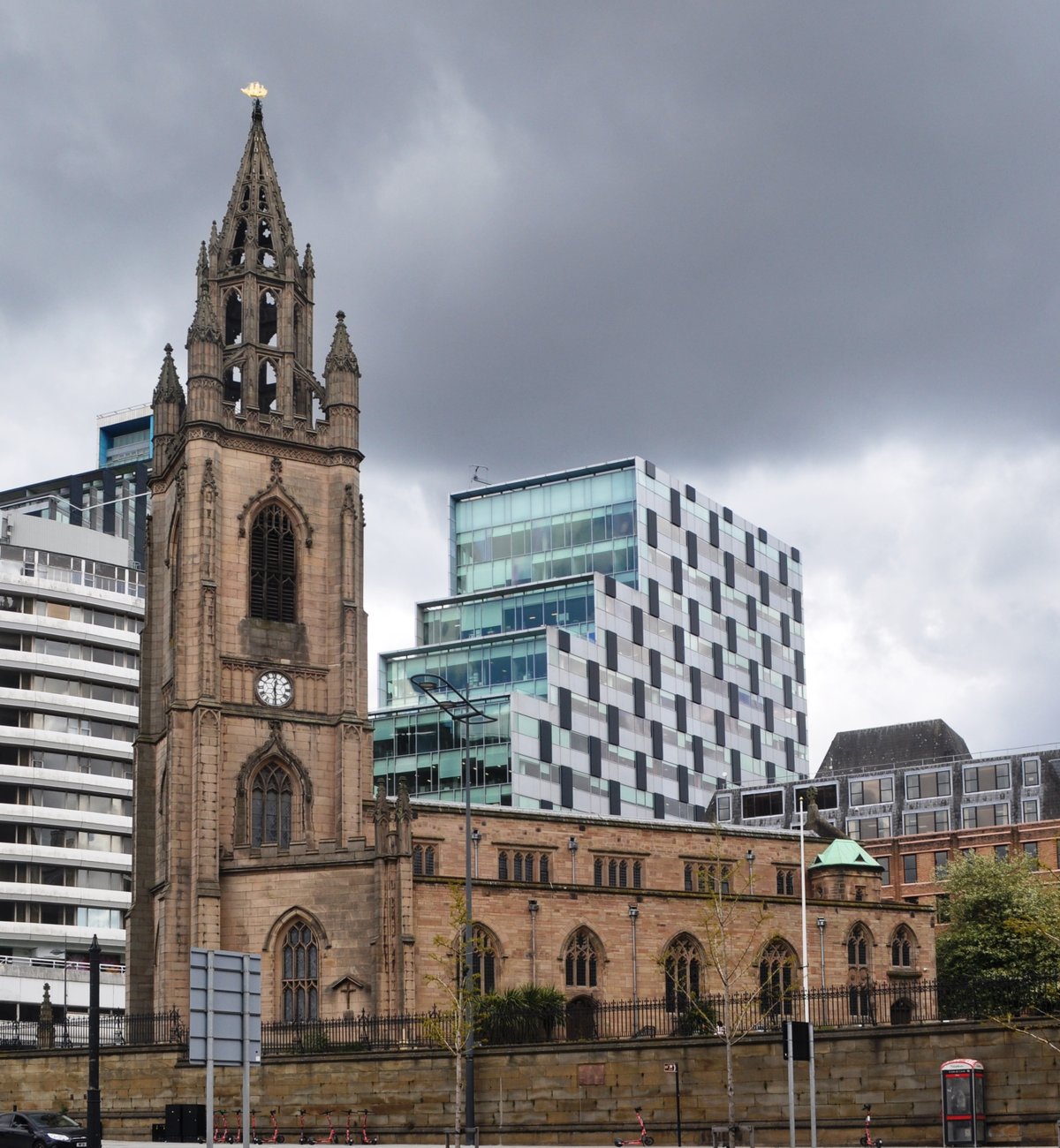
The 19th century saw further transformation. In 1810, a storm caused the spire to collapse, tragically killing 25 people (Wikipedia). The spire was rebuilt by 1815, crowned with a golden ship that became a symbol of Liverpool’s maritime identity (Liverpool Underlined). Victorian renovations added ornate stained glass and woodwork, many of which survive today.
War, Destruction, and Renewal in the 20th Century
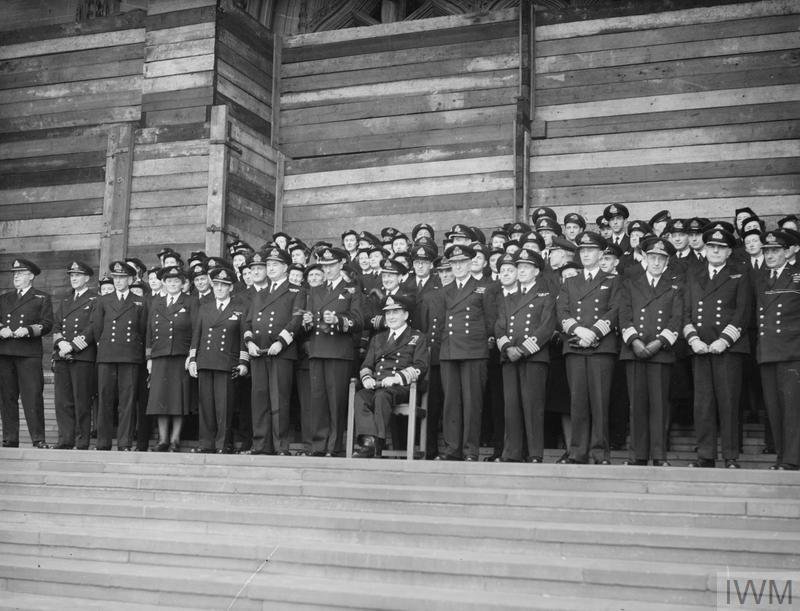
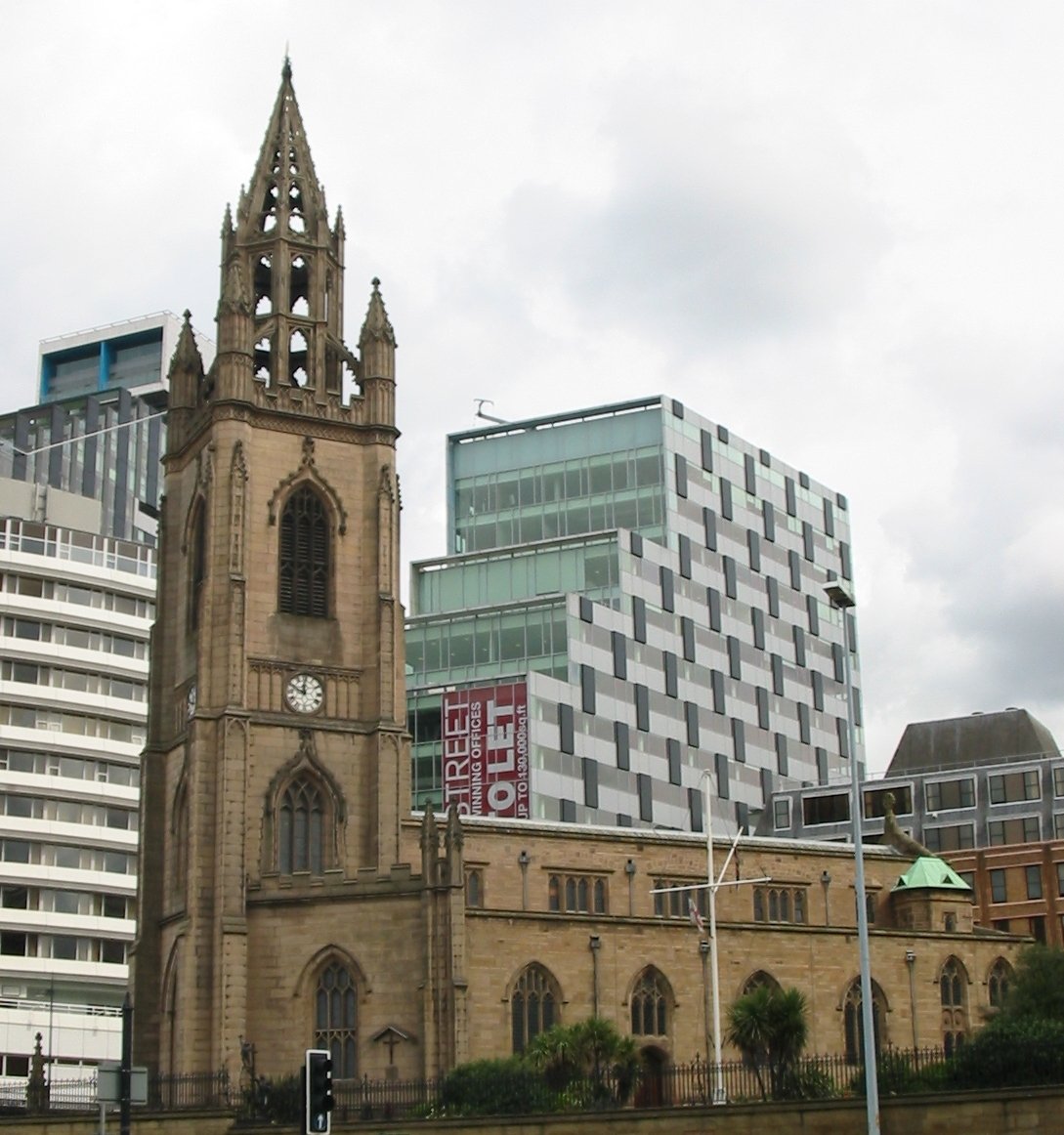
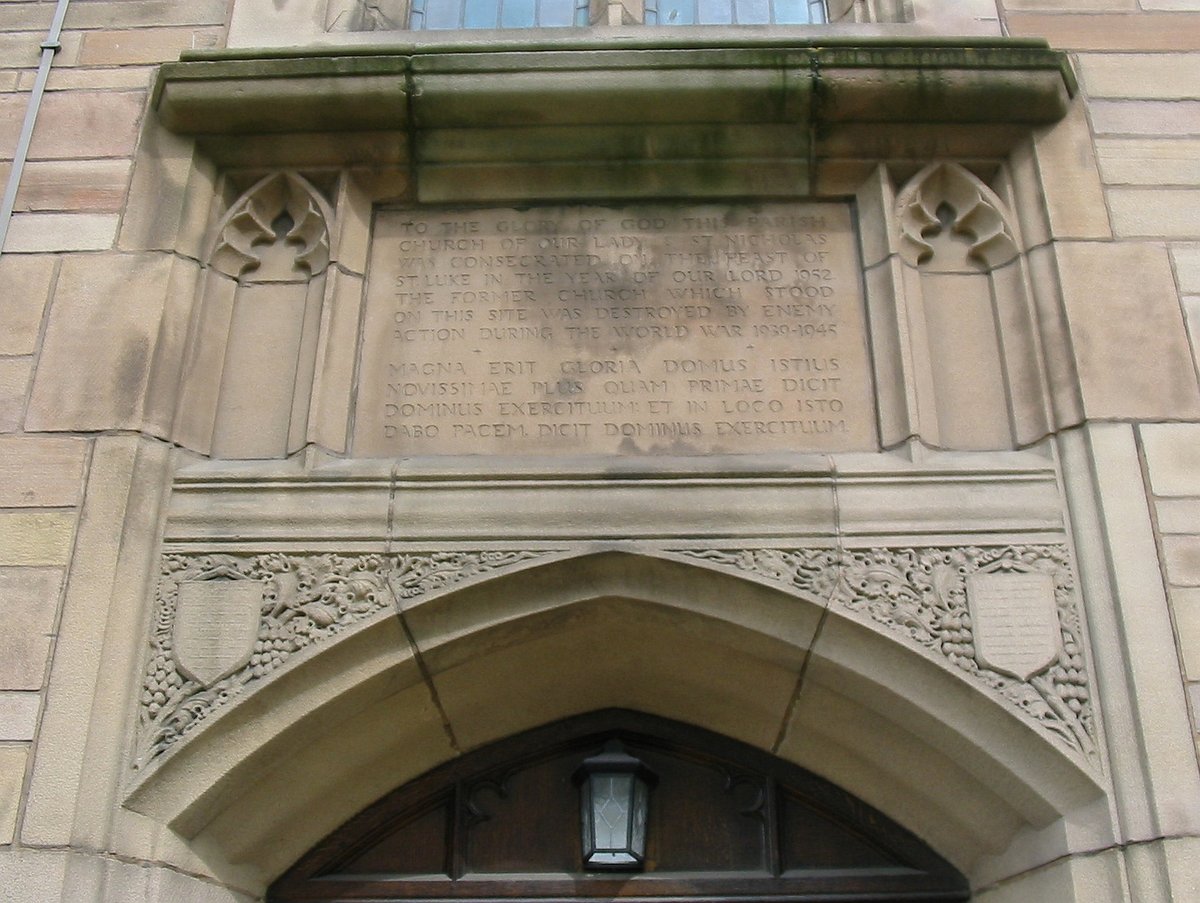
World War II inflicted severe damage during the Liverpool Blitz; incendiary bombs destroyed much of the nave and roof, though the tower and steeple survived (Liverpool Echo). The post-war rebuilding, completed in 1952, introduced a modern nave designed in a restrained Gothic Revival style, harmonizing with the older tower (Liverpool Parish Church). New stained glass windows and memorials reflect both maritime history and wartime endurance.
Architectural Highlights and Heritage Status
St Nick’s stands today as a Grade II* listed building (Historic England). The early 19th-century tower and lantern spire, topped with a golden sailing ship, remain as navigational aids and city symbols. The post-war nave’s clean lines and light-filled interior contrast beautifully with the older elements.
Inside, highlights include:
- Maritime-themed stained glass windows
- The Lady Chapel, rebuilt after WWII and dedicated to those who served
- Memorials to sailors, wartime victims, and the 1810 spire collapse
- A renowned Harrison & Harrison pipe organ (Ship of Fools)
The churchyard, with gravestones dating from the 17th century, and tranquil gardens with the poignant Dockers’ Cross, offer space for reflection (Liverpool Underlined).
Maritime and Civic Role
Known as the “Sailors’ Church,” St Nick’s maintains a close relationship with Liverpool’s maritime community, hosting annual Sea Sunday and Merchant Navy Day services (Liverpool Parish Church). The church’s tower still features on nautical charts, and the Maritime Memorial Chapel honors those lost at sea (Liverpool Parish Church). Civic events, mayoral installations, and remembrance services further underscore its importance to the city.
Visitor Information: Hours, Tickets, Accessibility
Opening Hours:
- Monday to Saturday: 10:00 AM – 4:00 PM
- Sunday: Closed to visitors; open for worship services
Entry:
- Free admission; donations welcome to support preservation
Guided Tours:
- Available Saturdays at 11:00 AM and 2:00 PM; book via the official website
Accessibility:
- Step-free access, wheelchair-friendly, accessible toilets
- Information sheets in multiple languages
- Assistance dogs welcome
Travel Tips and Nearby Attractions
Getting There:
- Centrally located at St Nicholas Place, near Liverpool’s Pier Head
- Short walk from Lime Street, Moorfields, and James Street train stations
- Multiple bus routes serve Chapel Street and the Strand
- Limited parking nearby; recommended to use public transport
Nearby Attractions:
- Royal Liver Building
- Museum of Liverpool
- Merseyside Maritime Museum
- Albert Dock
- Liverpool ONE shopping and dining district
Local Amenities:
- Cafés, restaurants, ATMs, and public toilets available in the city centre
Special Events and Photographic Opportunities
Events:
- Sea Sunday, Merchant Navy Day, remembrance services, concerts, and community gatherings (Liverpool Parish Church Events)
Photography:
- Permitted except during services and some events
- Best views: the spire from the waterfront, stained glass interiors, and churchyard memorials
Frequently Asked Questions (FAQ)
Q: What are the visiting hours?
A: Monday–Saturday, 10:00 AM–4:00 PM; closed to visitors on Sundays.
Q: Is there an entry fee?
A: No, admission is free; donations appreciated.
Q: Are guided tours available?
A: Yes, on Saturdays at 11:00 AM and 2:00 PM by prior arrangement.
Q: Is the church accessible for people with disabilities?
A: Yes, with step-free access, accessible toilets, and seating.
Q: Can I take photographs?
A: Yes, except during services or where signs indicate restrictions.
Summary and Recommendations
The Church of Our Lady and Saint Nicholas stands as a testament to Liverpool’s enduring maritime legacy and community spirit. From its medieval origins to post-war resilience, the church offers visitors a rare combination of historical depth, architectural beauty, and living tradition. Centrally located with excellent accessibility, it’s an ideal stop for anyone interested in Liverpool’s rich past.
Tips for Visitors:
- Visit in the morning for a quieter experience
- Check the church’s website for up-to-date events and tour availability
- Take time to explore both the interior and the gardens for a fuller appreciation
- Download the Audiala app for self-guided audio tours and the latest updates
Listen to the full story in the app
The whole Church Of Our Lady And Saint Nicholas, Liverpool,
told well.
Audio guides for 1,100+ cities across 96 countries. History, stories, and local insight — offline ready.
Verified, and shown.
Researched and written by the Audiala editorial team from historical records, architectural archives, and local expertise.
Researched from Wikidata, Wikipedia & official sources · fact-checked · How we make our guides →