Plan and listen to St Mary'S Cathedral with Audiala.
Audio guide in your pocket, itinerary in your browser. Built for the way you actually visit.
Introduction
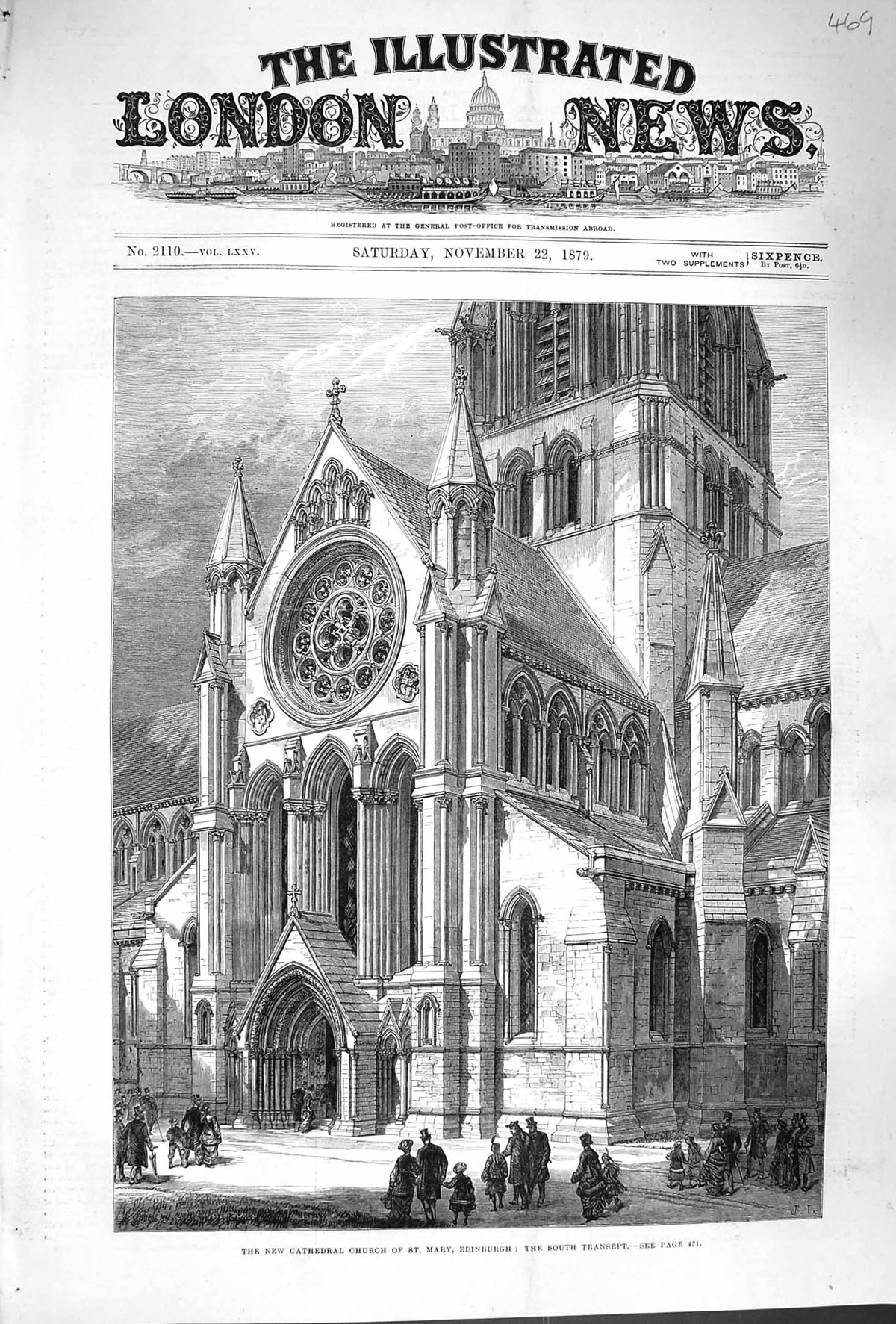
St Mary’s Cathedral Edinburgh is an architectural and spiritual jewel in Scotland’s capital, celebrated for its soaring Victorian Gothic spires, rich religious heritage, and vibrant community life. Founded in the late 19th century through the philanthropic vision of Barbara and Mary Walker, the cathedral is a beacon for the Scottish Episcopal Church. With its three spires, intricate stained glass, and commitment to worship and culture, St Mary’s stands out as a must-see destination for visitors to Edinburgh (cathedral.net; Gilbert Scott Foundation).
This detailed guide offers everything you need to plan your visit, from historical context and architectural highlights to practical visitor information and tips for exploring the surrounding area.


Origins and Historical Context
St Mary’s Cathedral, Edinburgh, is the mother church of the Scottish Episcopal Diocese of Edinburgh. Its story is rooted in the aftermath of the Scottish Reformation (1560), a period marked by significant religious upheaval. Despite the rise of Presbyterianism, the Episcopal tradition endured, leading to the eventual establishment of the Scottish Episcopal Church as a distinct denomination (cathedral.net).
For centuries, Episcopalians worshipped in makeshift venues due to restrictive penal laws. It was not until the repeal of these laws in 1792 and the generosity of the Walker sisters in the 19th century that plans for a grand cathedral could move forward.
The Walker Sisters’ Bequest and Foundation
Barbara and Mary Walker, heiresses to a vast New Town estate, played a pivotal role in the cathedral’s creation by leaving their fortune to the Scottish Episcopal Church. Their bequest funded the construction of St Mary’s Cathedral and several other church initiatives (cathedral.net; edinburgharchitecture.co.uk).
The foundation stone was laid on 21 May 1874 by the Duke of Buccleuch and Queensberry, accompanied by a time capsule meant to symbolize the cathedral’s intended permanence (wikipedia).
Architectural Significance
Sir George Gilbert Scott, a leading proponent of the Gothic Revival, designed the cathedral as a harmonious blend of English and Scottish Gothic influences. Its cruciform plan, vast nave, and three monumental spires—unique in Scotland—define its dramatic profile. The central spire reaches 90 meters (295 feet), making it the tallest building in Edinburgh and a key feature of its skyline (classical-music.com; edinburgharchitecture.co.uk).
Inside, highlights include:
- Vaulted Ceilings: Oak barrel vaults optimize the cathedral’s renowned acoustics.
- Stained Glass: Windows by artists such as Sir Eduardo Paolozzi illuminate the interior with vivid color, especially the celebrated Paolozzi Millennium Window.
- Art and Sculpture: The Rood Cross by Sir Robert Lorimer and marble figures of St Margaret and St Columba grace the high altar (cathedral.net).
The cathedral complex also incorporates historic structures like Old Coates House, dating back to the early 17th century.
Milestones and Notable Events
- Consecration: Nave opened in 1879, with daily services established soon after (wikipedia).
- Completion of Spires: Western spires finished in 1917, following Scott’s original designs (edinburgharchitecture.co.uk).
- Musical Innovation: First UK cathedral to admit girls to the choir (1978) and employ a female alto (2005) (classical-music.com).
- Cultural Engagement: Venue for the Edinburgh Festival Fringe, Candlelight Concerts, and art exhibitions (secret-edinburgh.com).
Visiting Information
Opening Hours
- Monday to Friday: 8:00 am – 6:00 pm
- Saturday and Sunday: 8:00 am – 5:00 pm
- December 26 – January 5: Closed except for 8:00 am Morning Prayer
Always check the official website for updates and special closures.
Tickets and Entrance Fees
- Admission: Free (donations welcome)
- Guided Tours: Available for a small fee; booking in advance is advised.
Accessibility
- Wheelchair accessible entrances and restrooms
- Assistance dogs permitted
- Staff support available upon request
Guided Tours and Events
- Tours: Learn about the cathedral’s architecture, history, and spiritual life.
- Services: Daily prayers, Sunday Sung Eucharist, and Choral Evensong.
- Concerts & Festivals: Regular performances, especially during the Edinburgh Festival Fringe (secret-edinburgh.com).
Travel Tips
- Location: 23 Palmerston Place, West End, Edinburgh, EH12 5AW
- Public Transport: Five-minute walk from Haymarket Station; close to major bus and tram routes.
- Parking: Limited street parking; public car parks nearby.
- Cycling: Close to city cycle routes; eco-friendly encouragement.
Cultural and Religious Role
St Mary’s Cathedral is not only the seat of the Bishop of Edinburgh but also a hub for worship, music, education, and community outreach. Its choir school is unique in Scotland for daily choral services, and the cathedral actively supports social justice initiatives (cathedral.net).
The bells, cast by John Taylor & Co., ring out across the city, and the Song School’s murals by Phoebe Anna Traquair are treasures of the Arts and Crafts Movement.
Distinction from St Mary’s Catholic Cathedral
Visitors should note that St Mary’s Episcopal Cathedral is separate from St Mary’s Catholic Cathedral at 61 York Place. The latter, opened in 1814, serves as the seat of the Archbishop of St Andrews and Edinburgh (sobt.co.uk). Each cathedral has its own unique religious tradition, architectural style, and historical background.
Frequently Asked Questions (FAQs)
What are the opening hours?
Monday to Friday: 8:00 am – 6:00 pm; Saturday and Sunday: 8:00 am – 5:00 pm. Closed December 26 – January 5 except for morning prayer.
Is there an entrance fee?
No, entry is free but donations are appreciated.
Are guided tours available?
Yes, for a small fee. Check the cathedral’s website or enquire at the entrance.
Is the cathedral wheelchair accessible?
Yes, with accessible restrooms and step-free entry.
Can I attend services or events as a visitor?
Absolutely. All are welcome at daily prayers, Sunday services, and concerts.
Is photography allowed?
Photography for personal use is allowed, except during services. No flash or tripods.
Nearby Attractions
After your visit, explore these Edinburgh highlights within walking distance:
- Edinburgh Castle
- Princes Street Gardens
- Dean Village
- Royal Mile
- Scottish National Gallery
The cathedral’s location in the West End makes it an excellent starting point for a day of sightseeing (exploringedinburgh.com).
Summary and Final Tips
St Mary’s Cathedral Edinburgh is a site of exceptional historical, architectural, and cultural significance. With free entry, accessible facilities, and a full calendar of worship and events, it offers an inspiring experience to all visitors. Combine your visit with Edinburgh’s other landmarks for a rich exploration of the city’s heritage.
- Plan ahead: Check cathedral.net for service times and event listings.
- Be respectful: Maintain quiet during services; dress modestly.
- Enhance your experience: Download the Audiala app for audio guides and event updates (Audiala).
For up-to-date information, follow the cathedral on social media and refer to the official website.
Listen to the full story in the app
The whole St Mary'S Cathedral,
told well.
Audio guides for 1,100+ cities across 96 countries. History, stories, and local insight — offline ready.
Verified, and shown.
Researched and written by the Audiala editorial team from historical records, architectural archives, and local expertise.
Researched from Wikidata, Wikipedia & official sources · fact-checked · How we make our guides →