Origins and Early Development
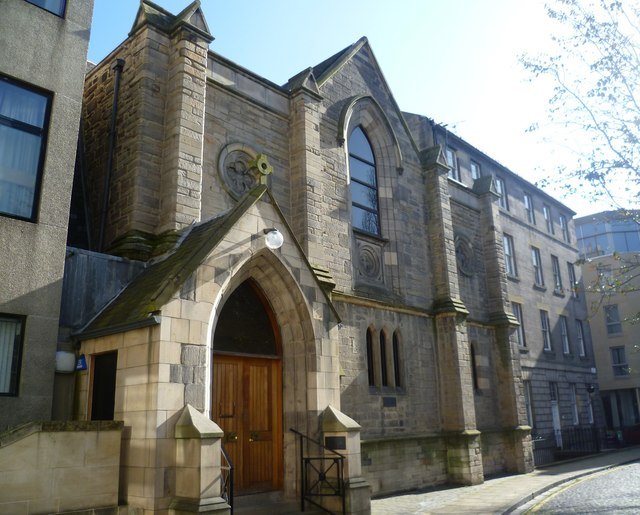
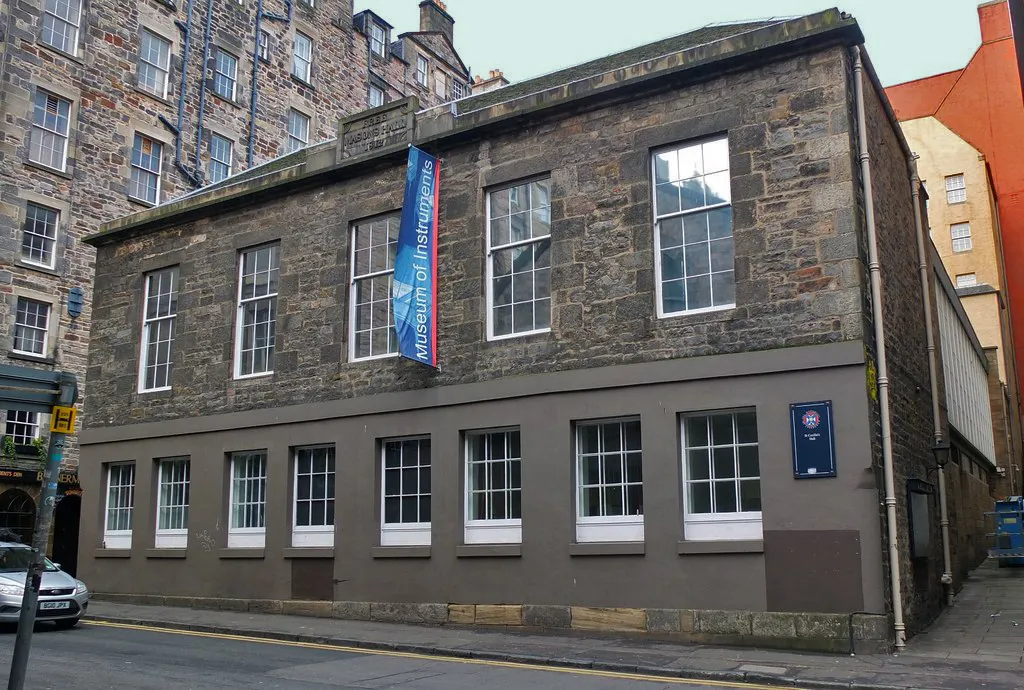
Commissioned by the Edinburgh Musical Society and opened in 1763, St Cecilia’s Hall was named after the patron saint of music. Its creation coincided with Edinburgh’s Enlightenment, reflecting the city’s reputation as a hub of culture and innovation. The hall was the first of its kind in Scotland, designed to provide a dedicated venue for public concerts—a novel idea at the time (St Cecilia’s Hall – University of Edinburgh).
Architectural Significance
St Cecilia’s Hall is a standout example of Georgian architecture, featuring an elliptical concert room famed for its outstanding acoustics. The building’s proportions and elegant plasterwork create an intimate and historically authentic setting for both performers and audiences. Original features, such as the historic foyer and Laigh Hall, have been preserved, offering a glimpse into 18th-century Edinburgh society (Continuo Connect).
Evolution and Restoration
After its heyday in the 18th century, the hall’s prominence waned, and it served various functions—including as a chapel, lodge, and warehouse—until the University of Edinburgh acquired it in 1959. A major restoration, completed in 2017 at a cost of £6.5 million, revitalized the building. The project restored Georgian features, improved accessibility, installed modern climate control, and created a visible conservation studio. Today, St Cecilia’s Hall balances historic preservation with contemporary museum standards (Festivals at Edinburgh).
Musical Instrument Collection
The museum houses one of the world’s foremost collections of historic musical instruments—around 500 on display, representing strings, woodwinds, brass, percussion, and keyboards from the 16th century onward. Key highlights include:
- Early Keyboard Instruments Ruckers Double Manual Harpsichord (early 1600s), Taskin Harpsichord (1769), and the Raymond Russell Collection.
- Plucked Strings Lutes, early guitars, and baroque lutes.
- Wind and Brass 16th-century ivory tenor recorder; unique octave contrabass serpent.
- Bowed Strings Historic viols and violins by Bassano and Tielke.
Many instruments are playable, and live performances on period instruments are a regular feature (St Cecilia’s Hall – University of Edinburgh).
Visiting Information: Hours, Tickets, and Accessibility
Opening Hours
- Tuesday–Saturday 10:00–17:00 (last entry 16:30)
- Closed Sundays and Mondays
Check the official website for updates or special closures.
Admission and Tickets
- Admission Free for all visitors (some concerts/events may require tickets).
- Special Events Tickets and donations may be required; visit the events page for details.
Accessibility
- Physical Access Ramped entrance and lift to all floors.
- Facilities Accessible toilets, induction loops for hearing aids, large-print guides, and verbal tours.
- Assistance Assistance dogs welcome; staff available to support visitors with additional needs.
- Parking No on-site parking; arrangements possible for mobility-impaired visitors—contact in advance (St Cecilia’s Hall: Accessibility).
Special Events and Educational Initiatives
- Concerts The Sypert Concert Room hosts classical recitals, early music, and contemporary performances, particularly during the Edinburgh International Festival and Fringe (St Cecilia’s Hall: What’s On).
- Guided Tours Available on select days; advance booking recommended.
- Family Activities Discovery trails, workshops, and children’s concerts with interactive elements.
- Digital Resources The Audiala app offers immersive audio guides, stories, and musical samples (St Cecilia’s Hall – University of Edinburgh).
Getting There and Visitor Amenities
Location
- Address 50 Niddry Street, Edinburgh EH1 1LG
- Nearby Just off the Royal Mile; less than 10 minutes’ walk from Edinburgh Waverley Train Station (Wee Walking Tours).
Travel Options
- By Foot Easily accessible from central Edinburgh.
- By Bus Multiple city routes stop nearby (Lothian Buses).
- By Car Limited parking nearby; several public car parks within walking distance.
On-Site Facilities
- Toilets Accessible on the ground floor.
- Gift Shop Sells music-themed souvenirs and books.
- Wi-Fi Free throughout the building.
- Cloakroom Not available; travel light.
Practical Tips and Recommendations
- Plan Ahead Check event listings and opening hours before your visit (St Cecilia’s Hall: Visit).
- Arrive Early The concert room is intimate; early arrival ensures better seating.
- Photography Ask at reception regarding current policies.
- Refreshments No café on site; nearby cafes and restaurants in Old Town.
- Combine Attractions Visit the National Museum of Scotland, Edinburgh Castle, or the Royal Mile for a full cultural day.
Frequently Asked Questions (FAQ)
Q: What are the opening hours?
A: Tuesday–Saturday, 10:00–17:00; closed Sundays and Mondays.
Q: Is admission free?
A: Yes, museum entry is free. Some concerts and events may require tickets.
Q: Are guided tours available?
A: Yes, on selected days. Book in advance via the website.
Q: Is the venue accessible?
A: Fully accessible with lifts, accessible toilets, and support for various needs.
Q: Can I park on site?
A: No on-site parking, but public car parks are nearby. Special arrangements possible for mobility-impaired visitors.
Q: Can I take photos?
A: Ask at reception regarding photography permissions.