Plan and listen to Scott Monument with Audiala.
Audio guide in your pocket, itinerary in your browser. Built for the way you actually visit.
Introduction
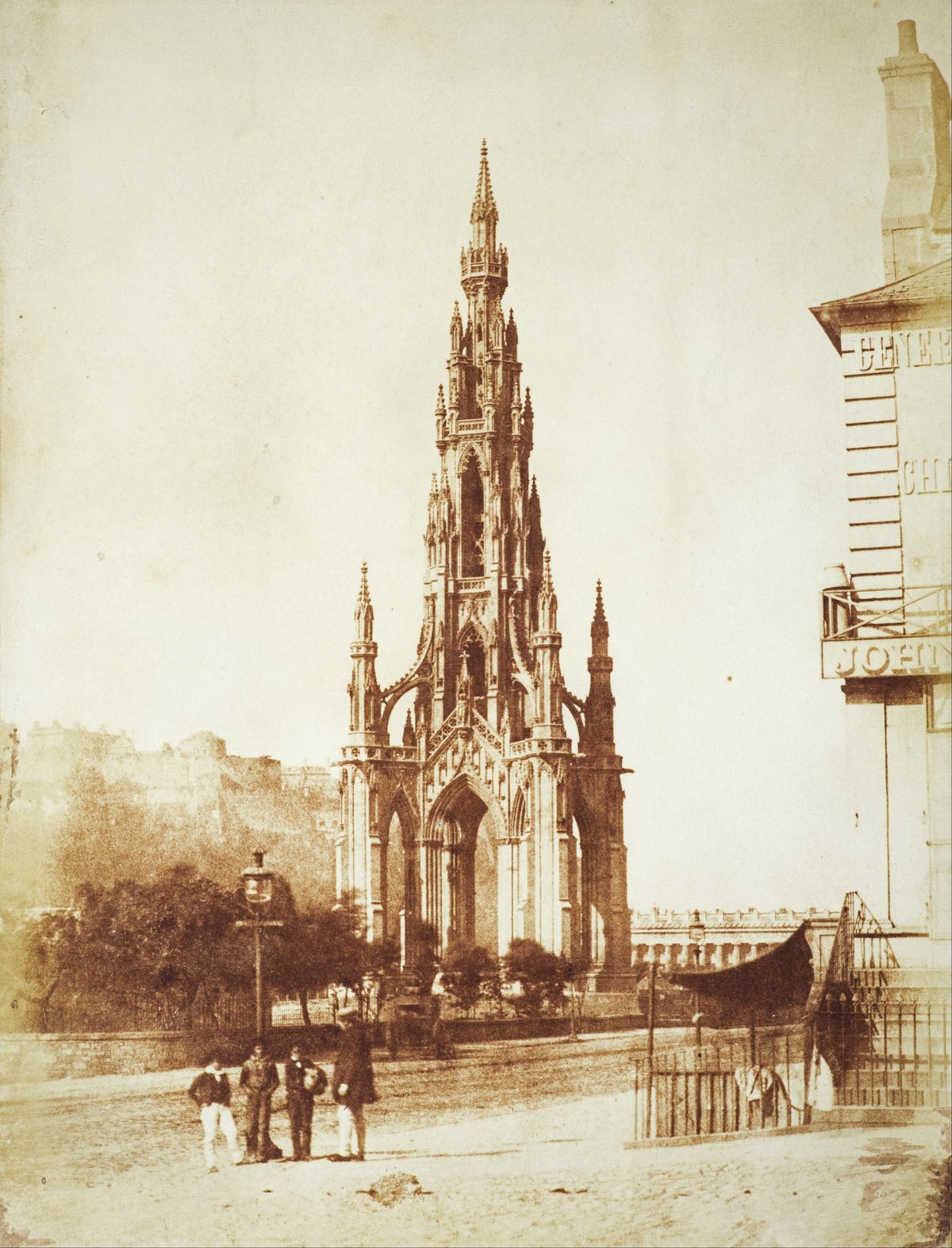
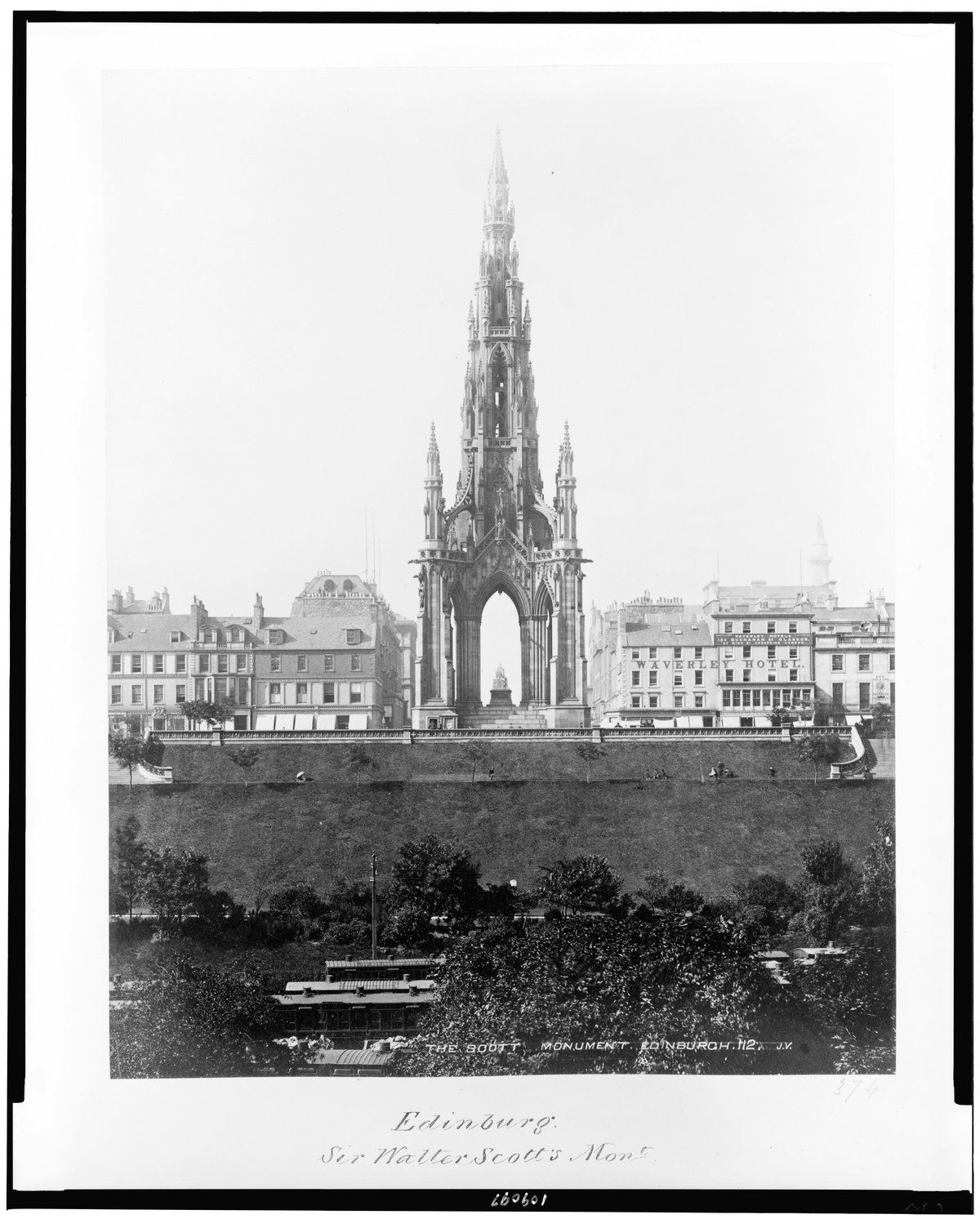
Located in the heart of Edinburgh, the Scott Monument is not just an architectural marvel but a profound tribute to one of Scotland's most beloved literary figures, Sir Walter Scott. This towering Gothic structure, standing at 200 feet and 6 inches, is the largest monument dedicated to a writer anywhere in the world. Designed by self-taught architect George Meikle Kemp, the monument's intricate carvings and towering spires draw visitors from around the globe, eager to explore its historical and cultural significance. From the initial idea conceived shortly after Scott's death in 1832 to its completion in 1846, the Scott Monument has stood as a testament to the Victorian era's appreciation for Gothic Revival architecture and the enduring legacy of Sir Walter Scott's literary contributions (Historic Environment Scotland) (Edinburgh City Council).

History and Significance
A Monumental Tribute
The Scott Monument stands as a proud tribute to Sir Walter Scott, a celebrated Scottish novelist, poet, playwright, and historian. Widely regarded as one of the most influential figures in Scottish literature, Scott's works, including 'Ivanhoe,' 'Rob Roy,' and 'Waverley,' captivated readers worldwide and brought renewed attention to Scotland's rich history and culture.
Victorian Vision
The idea for the monument emerged shortly after Scott's death in 1832. A design competition was held, attracting over fifty entries. The winning design came from George Meikle Kemp, a self-taught architect and draftsman. Kemp's design drew inspiration from the elaborate Gothic architecture found in Scott's novels, particularly the soaring spires of Melrose Abbey (Historic Environment Scotland).
A City's Affection
The construction of the Scott Monument was a true testament to the love and admiration the people of Edinburgh held for Sir Walter Scott. Funds for the monument were raised through public subscription, with contributions pouring in from all walks of life, from wealthy patrons to ordinary citizens. This outpouring of support underscored the profound impact Scott had on his nation.
Construction and Challenges
The foundation stone was laid in 1840, and construction commenced. The intricate design, featuring a multitude of carved details and the challenges of building such a tall structure, meant that the project took several years to complete. Tragically, George Meikle Kemp, the visionary behind the monument, died in an accident in 1844, never witnessing the completion of his masterpiece. The monument was eventually finished in 1846, with a statue of Sir Walter Scott, sculpted by Sir John Steell, placed in the central niche (Edinburgh City Council).
Enduring Legacy
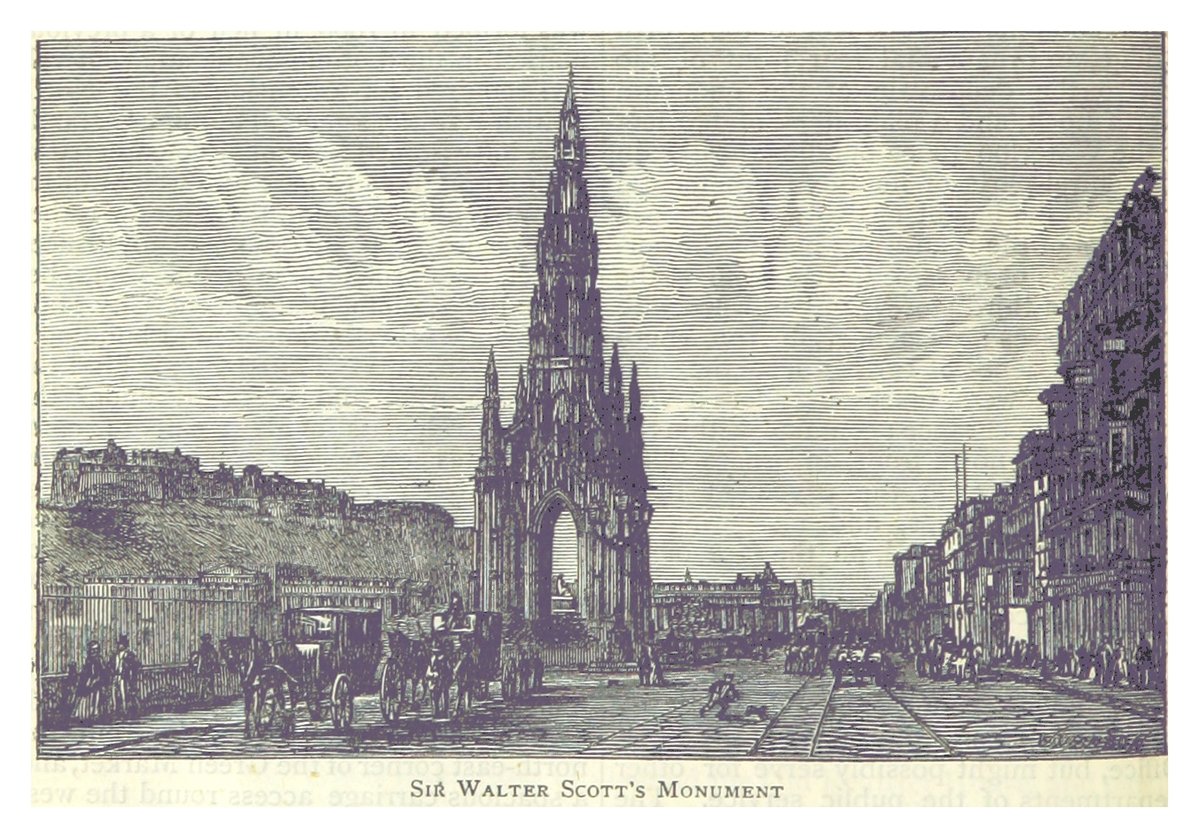
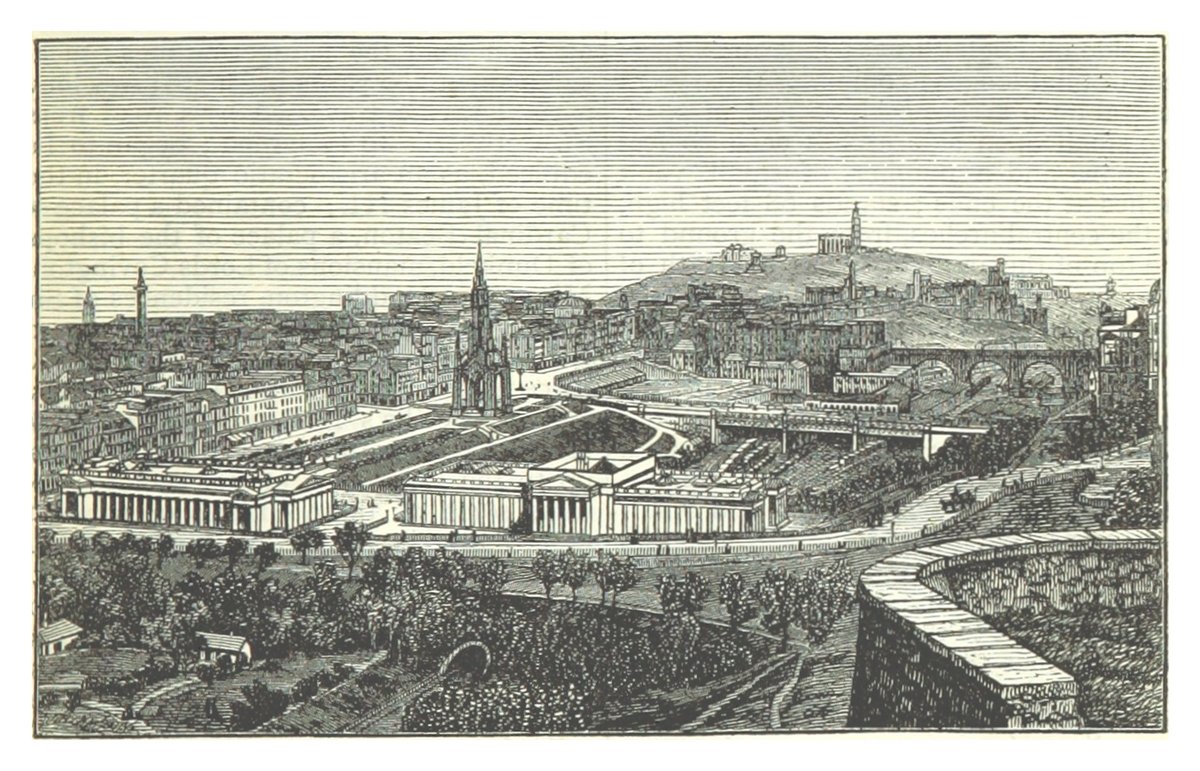
Since its completion, the Scott Monument has become one of Edinburgh's most recognizable landmarks. Its striking silhouette against the city skyline is a constant reminder of Sir Walter Scott's enduring legacy. The monument serves not only as a memorial but also as a celebration of Scottish literature, history, and national identity. It stands as a testament to the power of art to inspire and unite.
Visitor Information
Visiting Hours and Tickets
The Scott Monument is open to visitors from 10 AM to 7 PM during the summer months (April to September) and from 10 AM to 4 PM during the winter months (October to March). Tickets can be purchased on-site or online, with prices typically ranging from £5 for adults, £4 for seniors, and £3 for children.
Accessibility
The monument is accessible to the public, but please note that there are numerous steps to climb to reach the various viewing platforms. Unfortunately, the structure is not wheelchair accessible due to its historic design.
Travel Tips and Nearby Attractions
- Photographic Spots: The monument itself and the surrounding Princes Street Gardens offer excellent photographic opportunities.
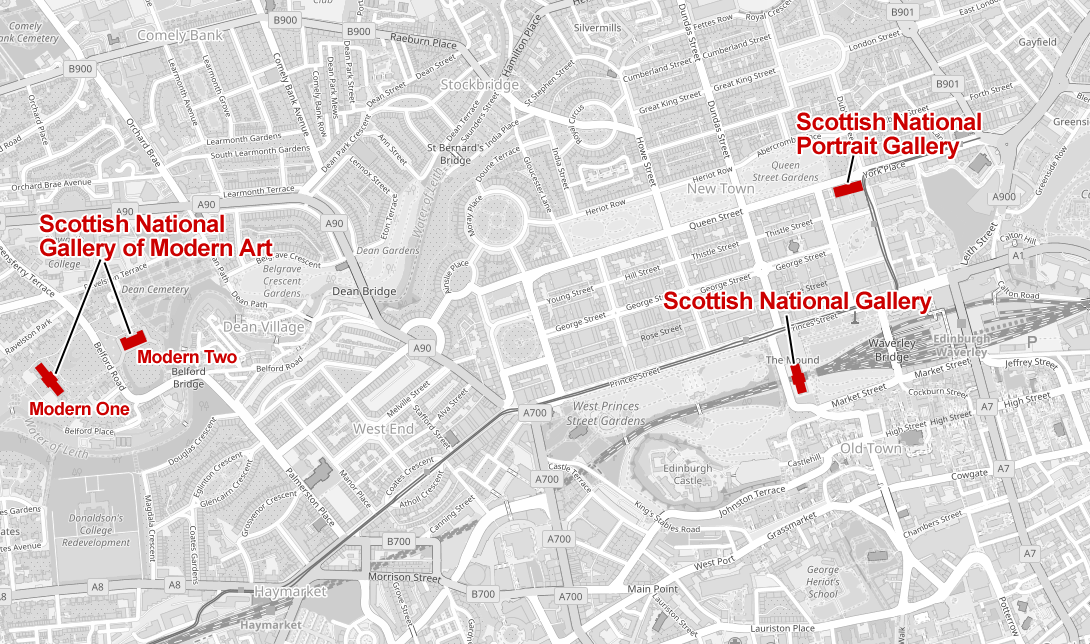
- Nearby Attractions: While visiting the Scott Monument, consider exploring nearby attractions such as the National Gallery of Scotland and Edinburgh Castle.
- Guided Tours: For those interested in a more in-depth experience, guided tours are available and provide detailed insights into the monument's history and architecture.
Design and Structure
The Gothic Influence
The Monument's design is a celebration of Gothic architectural elements:
- The Tower: The Monument takes the form of a towering Gothic spire, reminiscent of the elaborate towers found on medieval cathedrals.
- The Arches: Multiple viewpoints are provided by open arches at its base, offering stunning panoramic views of Edinburgh.
- Intricate Carvings: The Monument is adorned with intricate carvings, a hallmark of Gothic architecture. 64 figures representing characters from Scott's novels, sculpted by various artists, are nestled within its niches, bringing the stories to life in stone.
- Statues and Sculptures: A prominent statue of Sir Walter Scott, seated with his beloved dog Maida, takes center stage beneath the main canopy. This statue, carved from white Carrara marble, provides a striking contrast to the dark sandstone of the Monument.
The Climb: Views and Discoveries
Level 1: Sir Walter Scott and His Beloved Hound
The climb begins with a gentle ascent to the first level, where you'll be greeted by a magnificent statue of Sir Walter Scott himself, seated comfortably with his beloved deerhound, Maida, by his side. This level offers a great vantage point to admire the intricate details of the monument's lower levels and enjoy views of Princes Street Gardens.
Level 2: Literary Greats of Scotland
As you continue your upward journey, the second level introduces you to 16 miniature figures representing characters from Scott's famous novels. These intricately carved figures offer a glimpse into the literary world that Scott created, captivating readers for centuries.
Level 3: Panoramic Cityscapes
Reaching the third level, you'll be rewarded with breathtaking panoramic views of Edinburgh. From this height, you can spot iconic landmarks like Edinburgh Castle, the Palace of Holyroodhouse, and the Firth of Forth in the distance. Take your time to soak in the beauty of the city from this unique perspective.
The Summit: A Bird's-Eye Perspective
The final push to the summit is the most challenging, but the reward is well worth the effort. From the top of the Scott Monument, you'll be treated to unparalleled 360-degree views of Edinburgh and its surroundings. On a clear day, you can see for miles in every direction, making it the perfect spot for capturing stunning photographs and creating lasting memories.
Beyond the Climb
Princes Street Gardens: A Tranquil Oasis
After your descent, take some time to relax and reflect in the picturesque Princes Street Gardens, located at the foot of the monument. These gardens offer a peaceful escape from the bustling city center and are a great place to enjoy a picnic or simply soak up the atmosphere.
Literary Edinburgh: Following in Scott's Footsteps
For literature enthusiasts, a visit to the Scott Monument can be the starting point for exploring Edinburgh's rich literary heritage. Consider visiting:
- The Writers' Museum: This museum celebrates the lives and works of Sir Walter Scott, Robert Burns, and Robert Louis Stevenson, three literary giants of Scotland.
- Greyfriars Kirkyard: This historic graveyard is said to have inspired some of the characters and settings in Scott's novels.
- The Scotch Whisky Experience: While not directly related to Scott, this attraction offers a fascinating insight into the history and production of Scotland's national drink, a subject often featured in Scott's writing.
Capturing the Moment
Photography Tips
The Scott Monument offers countless photo opportunities. Here are a few tips for capturing the best shots:
- Best Time for Photos: Early morning or late afternoon provide the softest light for photography, minimizing harsh shadows.
- Wide-Angle Lens: A wide-angle lens is ideal for capturing the monument's grandeur and the panoramic city views from the upper levels.
- Details and Close-Ups: Don't forget to zoom in and capture the intricate carvings and details that adorn the monument.
- People in the Frame: Including people in your photos can add a sense of scale and grandeur to your shots.
Sharing Your Experience
Share your photos and experiences on social media using the hashtag #ScottMonument.
Special Events and Guided Tours
The Scott Monument often hosts special events and guided tours, providing a deeper insight into its history and architectural details. Photography enthusiasts will find numerous scenic spots around the Monument, making it a perfect subject for capturing Edinburgh's historic charm.
FAQ
Q: What are the visiting hours for the Scott Monument?
A: The monument is open from 10 AM to 7 PM (April to September) and from 10 AM to 4 PM (October to March).
Q: How much are tickets for the Scott Monument?
A: Ticket prices are typically £5 for adults, £4 for seniors, and £3 for children.
Q: Is the Scott Monument wheelchair accessible?
A: Unfortunately, the monument is not wheelchair accessible due to its historic design.
Q: What can you see from the top of the Scott Monument?
A: From the summit, you can enjoy 360-degree views of Edinburgh, including landmarks like Edinburgh Castle, the Palace of Holyroodhouse, and the Firth of Forth.
Tickets & tours.
These are guided options from our partners — same price as booking direct.
Prices are indicative — final pricing and availability are confirmed at checkout. Audiala may earn a commission from bookings made through these links.
Listen to the full story in the app
The whole Scott Monument,
told well.
Audio guides for 1,100+ cities across 96 countries. History, stories, and local insight — offline ready.
Verified, and shown.
Researched and written by the Audiala editorial team from historical records, architectural archives, and local expertise.
Retrieved July 18, 2024, from
Retrieved July 18, 2024, from
The Scott Monument. Retrieved July 18, 2024, from
Retrieved July 18, 2024, from
Retrieved July 18, 2024, from
Researched from Wikidata, Wikipedia & official sources · fact-checked · How we make our guides →