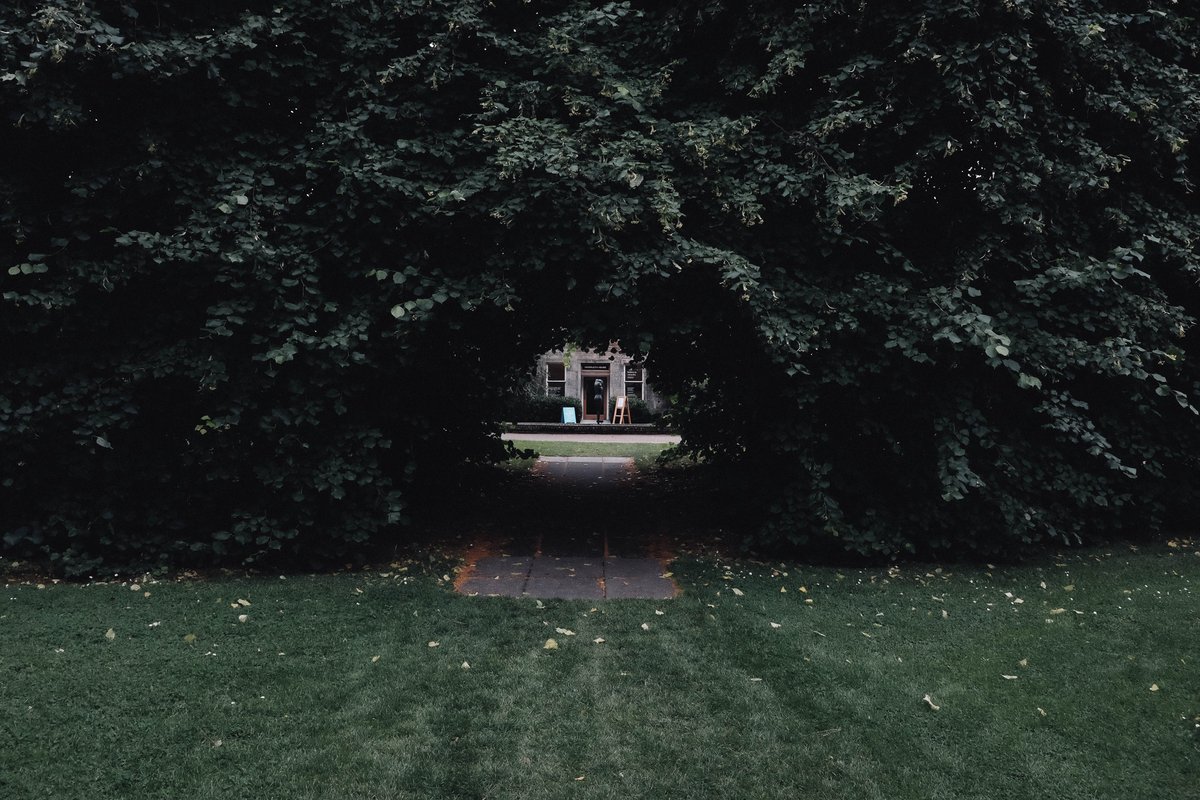
Plan and listen to Royal Botanic Garden Edinburgh with Audiala.
Audio guide in your pocket, itinerary in your browser. Built for the way you actually visit.
Introduction
The Royal Botanic Garden Edinburgh (RBGE) is a treasure trove of botanical wonders and historical significance, drawing plant enthusiasts, researchers, and tourists alike from around the world. Established in 1670 by Dr. Robert Sibbald and Dr. Andrew Balfour, the garden originally served as a physic garden to cultivate medicinal plants for the University of Edinburgh's medical school (RBGE History). Over the centuries, it has evolved and expanded, relocating several times to accommodate its growing collections and research facilities. Today, it stands as one of the world's most renowned botanic gardens, spanning 70 acres in Inverleith, Edinburgh, and housing over 13,500 plant species from various regions, including China, the Himalayas, and the Middle East.
The RBGE is not just a garden but a center for scientific research, conservation, and education. Its herbarium, with over three million specimens, is a vital resource for botanists globally (RBGE Herbarium). The garden's commitment to conservation is reflected in its participation in global initiatives like the Global Strategy for Plant Conservation and the Millennium Seed Bank Partnership (RBGE Conservation).
Visitors to the RBGE can immerse themselves in the beauty of diverse plant collections, explore the historical Palm House, and participate in various educational programs and special events. The garden also offers guided tours, dining options, and accessible facilities to ensure a pleasant experience for all (RBGE Visitor Information). This guide aims to provide a comprehensive overview of the RBGE's rich history, notable collections, visitor information, and tips to make the most of your visit.

History of the Royal Botanic Garden Edinburgh
Early Beginnings
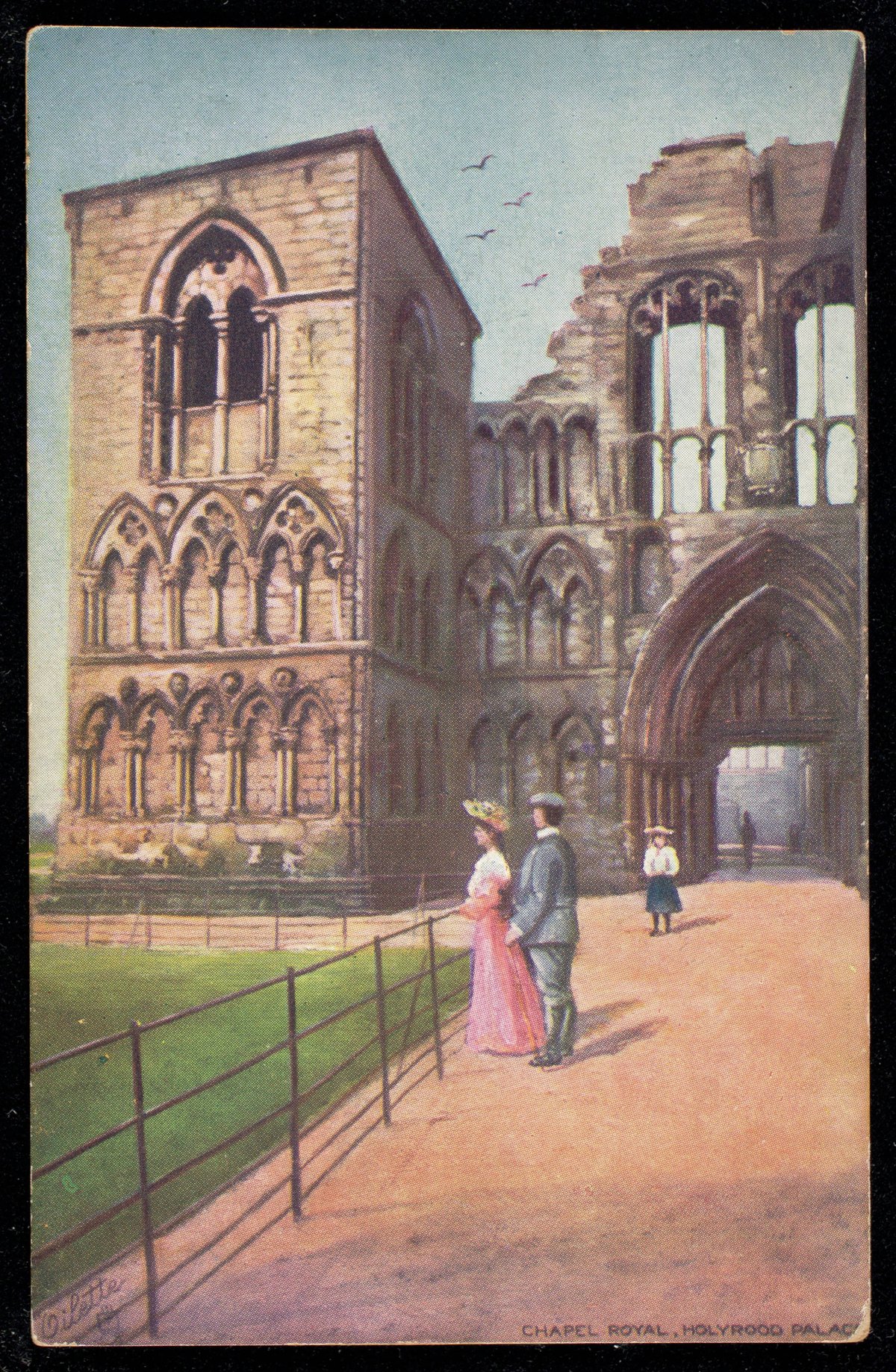
The RBGE was founded in 1670 by Dr. Robert Sibbald and Dr. Andrew Balfour. Initially, it was established as a physic garden near Holyrood Palace to grow medicinal plants for the University of Edinburgh's medical school. The garden's original location was a small plot of land, approximately 40 feet by 80 feet, leased from the city. This early garden was instrumental in the study and teaching of botany and medicine in Scotland.
Relocation and Expansion
Due to the garden's success and the need for more space, it was relocated in 1763 to a larger site at Leith Walk. This move allowed for the expansion of plant collections and the construction of new facilities. In 1820, it was moved again to its current location in Inverleith, north of the city center, which provided ample space for further development and the establishment of extensive plant collections.
19th Century Developments
The 19th century was a period of significant growth for the RBGE. Under Professor John Hutton Balfour, who served as Regius Keeper from 1845 to 1879, the garden expanded its collections and facilities. Balfour was instrumental in the construction of the Palm House, completed in 1858, which remains one of the garden's most notable features, housing a diverse collection of tropical plants.
During this period, the RBGE also established itself as a center for botanical research and education. The garden's herbarium, which contains over three million specimens, was significantly expanded, and the library's collection of botanical literature grew. The RBGE became a hub for botanical research, attracting scholars and scientists from around the world.
20th Century to Present
The 20th century saw continued growth and modernization of the RBGE. In 1964, the garden was granted the status of a Royal Botanic Garden, reflecting its importance and contributions to botanical science. The garden's research programs expanded, focusing on plant taxonomy, conservation, and ecology.
In recent decades, the RBGE has placed a strong emphasis on conservation and sustainability. The garden is involved in numerous conservation projects, both locally and internationally, aimed at protecting endangered plant species and habitats. The RBGE's research and conservation efforts are supported by state-of-the-art facilities, including the modernized herbarium and the Sibbald Library.
Notable Collections and Contributions
The RBGE is renowned for its diverse and extensive plant collections, which include over 13,500 species from around the world. Some of the garden's notable collections include:
- The Rock Garden - Established in the early 20th century, the Rock Garden features alpine plants from mountainous regions around the world. It is one of the largest and most diverse rock gardens in Europe.
- The Chinese Hillside - This area of the garden showcases plants from China, reflecting the RBGE's long-standing collaboration with Chinese botanists and institutions. The Chinese Hillside is home to many rare and endangered species.
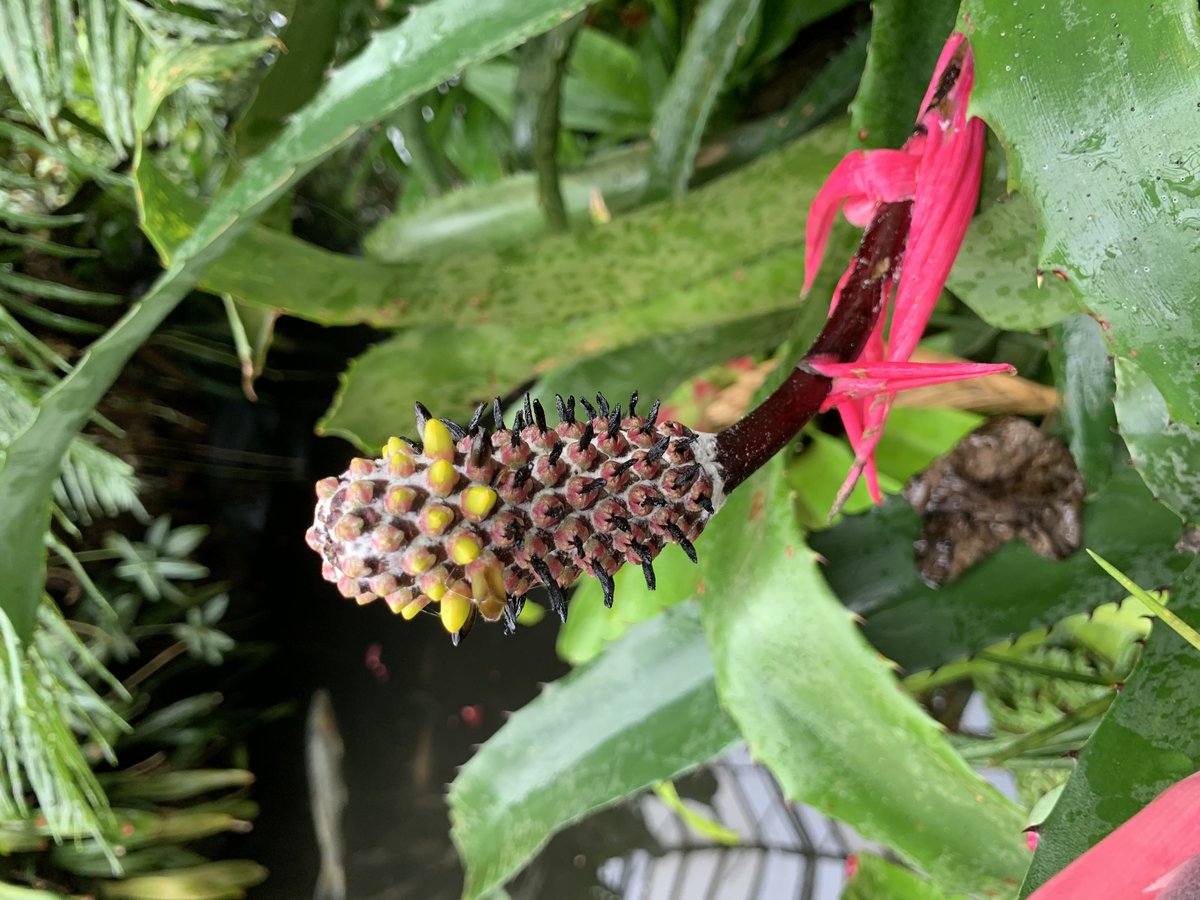
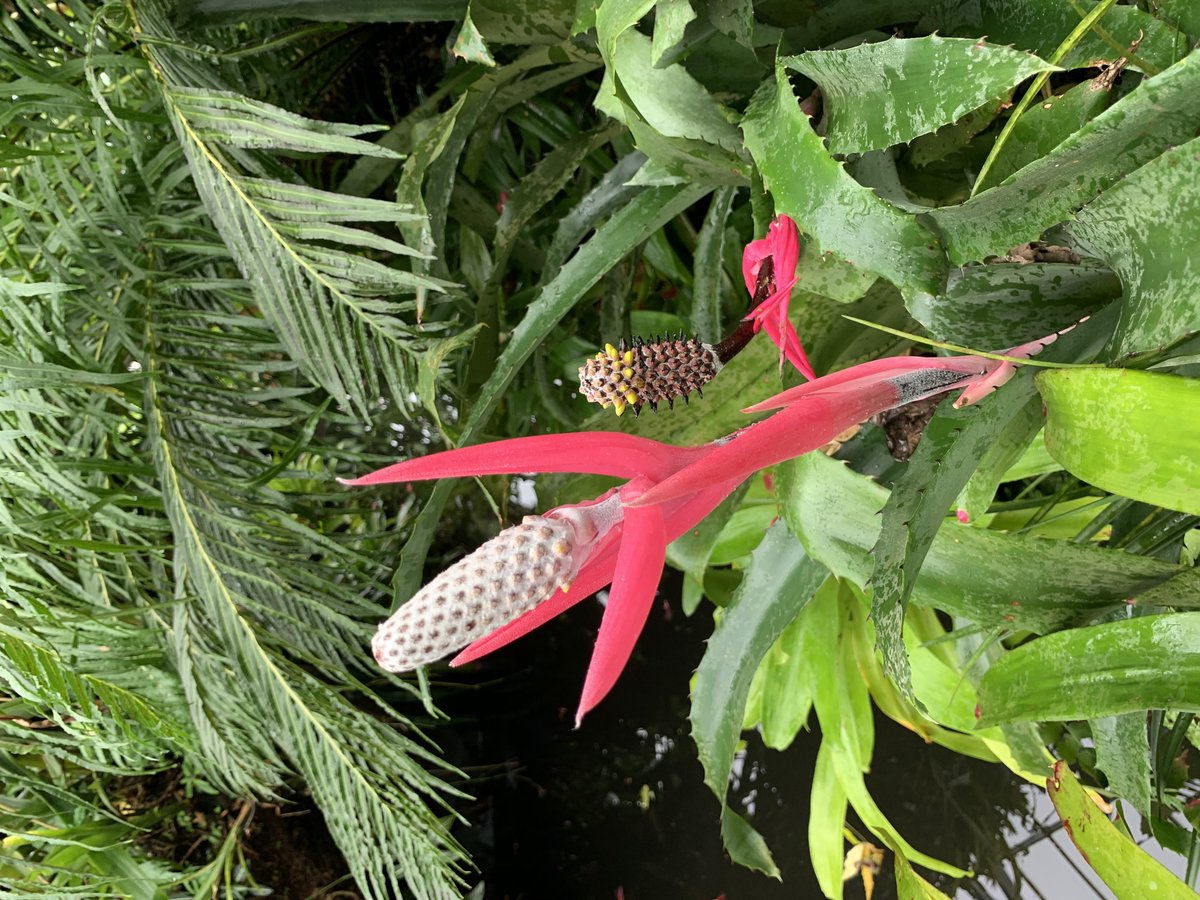
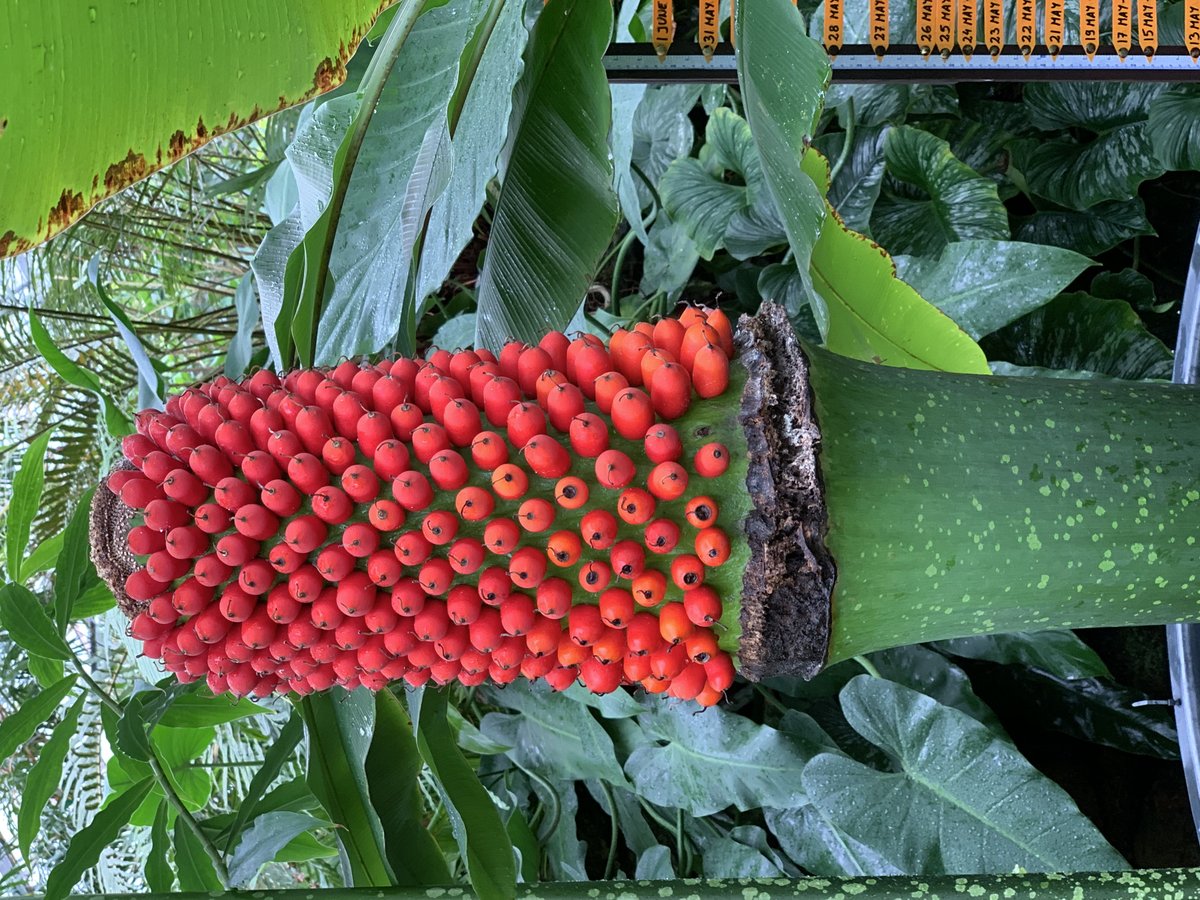
- The Glasshouses - The RBGE's glasshouses house a wide variety of tropical and subtropical plants. The Palm House, Temperate Palm House, and other glasshouses provide a controlled environment for plants that require specific climatic conditions.
The RBGE has made significant contributions to botanical science and conservation. The garden's research has led to the discovery and description of numerous new plant species. The RBGE is also involved in global conservation initiatives, working to protect endangered plants and their habitats.
Visitor Information
Visiting Hours
The RBGE is open daily from 10:00 AM to 6:00 PM during the summer months (April to September) and from 10:00 AM to 4:00 PM during the winter months (October to March). The garden is closed on Christmas Day and New Year's Day.
Tickets
Admission to the outdoor gardens is free. However, there is an admission fee for the Glasshouses - £7.00 for adults, £6.00 for concessions, and free for children under 15 accompanied by an adult. Tickets can be purchased online or at the entrance.
Accessibility
The RBGE is committed to providing an accessible experience for all visitors. The garden offers wheelchair-accessible paths, ramps, and restrooms. Wheelchairs are available for loan at the entrance. Assistance dogs are welcome.
Special Events and Guided Tours
The RBGE hosts various special events throughout the year, including seasonal festivals, plant fairs, and exhibitions. Guided tours are available, providing in-depth insights into the garden's history, plant collections, and conservation efforts. Tours can be booked in advance through the RBGE's website.
Photographic Spots
The RBGE offers numerous picturesque spots ideal for photography. Notable locations include the Palm House, the Chinese Hillside, and the Rock Garden. These areas provide stunning backdrops for capturing the beauty of diverse plant species.
Educational and Public Engagement
Education and public engagement have always been central to the RBGE's mission. The garden offers a wide range of educational programs for all ages, from school visits and workshops to adult education courses and professional training. The RBGE's education programs aim to inspire a love of plants and an understanding of their importance to the environment and human well-being.
The garden also hosts a variety of public events, including exhibitions, lectures, and festivals. These events provide opportunities for visitors to learn about plants, gardening, and conservation in an engaging and interactive way.
Modern Developments and Future Plans
In recent years, the RBGE has undertaken several major projects to enhance its facilities and collections. One of the most significant developments is the Edinburgh Biomes project, a multi-million-pound initiative to restore and modernize the garden's historic glasshouses. This project aims to create state-of-the-art facilities for plant conservation, research, and public engagement.
The RBGE is also committed to sustainability and environmental stewardship. The garden has implemented various initiatives to reduce its carbon footprint, promote biodiversity, and support sustainable practices. These efforts include the use of renewable energy, sustainable gardening practices, and the promotion of native plant species.
Looking to the future, the RBGE aims to continue its leadership in botanical research, conservation, and education. The garden's strategic plan outlines ambitious goals for expanding its collections, enhancing its research programs, and increasing public engagement. The RBGE is dedicated to preserving plant diversity and promoting a greater understanding of the vital role that plants play in our world.
Frequently Asked Questions (FAQ)
What are the Royal Botanic Garden Edinburgh visiting hours?
The RBGE is open daily from 10:00 AM to 6:00 PM during the summer months (April to September) and from 10:00 AM to 4:00 PM during the winter months (October to March).
How much are tickets for the Royal Botanic Garden Edinburgh?
Admission to the outdoor gardens is free. The Glasshouses have an admission fee of £7.00 for adults, £6.00 for concessions, and free for children under 15 accompanied by an adult.
Is the RBGE accessible?
Yes, the RBGE offers wheelchair-accessible paths, ramps, and restrooms. Wheelchairs are available for loan, and assistance dogs are welcome.
Discover More
Stay updated with the latest news and events by following the RBGE on social media. Download the RBGE mobile app for an interactive map and detailed information on plant collections and upcoming events.
Tickets & tours.
These are guided options from our partners — same price as booking direct.
Prices are indicative — final pricing and availability are confirmed at checkout. Audiala may earn a commission from bookings made through these links.
Listen to the full story in the app
The whole Royal Botanic Garden Edinburgh,
told well.
Listen to sourced travel stories with local history and practical context — ready offline.
Verified, and shown.
Researched and written by the Audiala editorial team from historical records, architectural archives, and local expertise.
Built from cited sources · see the method · How we make our guides →