Plan and listen to Mons Meg with Audiala.
Audio guide in your pocket, itinerary in your browser. Built for the way you actually visit.
Introduction: Discovering Mons Meg's Legacy
Mons Meg, the legendary medieval bombard housed at Edinburgh Castle, stands as a testament to Scotland’s rich military history and technological innovation. As one of the largest and most formidable cannons of its time, Mons Meg draws visitors from around the world, offering a glimpse into the artistry of medieval siege warfare and the political intrigue of 15th-century Europe. This comprehensive guide explores Mons Meg’s origins, historical significance, technical marvels, and provides all the practical information you need for an unforgettable visit—covering visiting hours, ticketing, accessibility, and nearby attractions (Edinburgh History, Canmore, Truly Edinburgh).

Origins and Construction
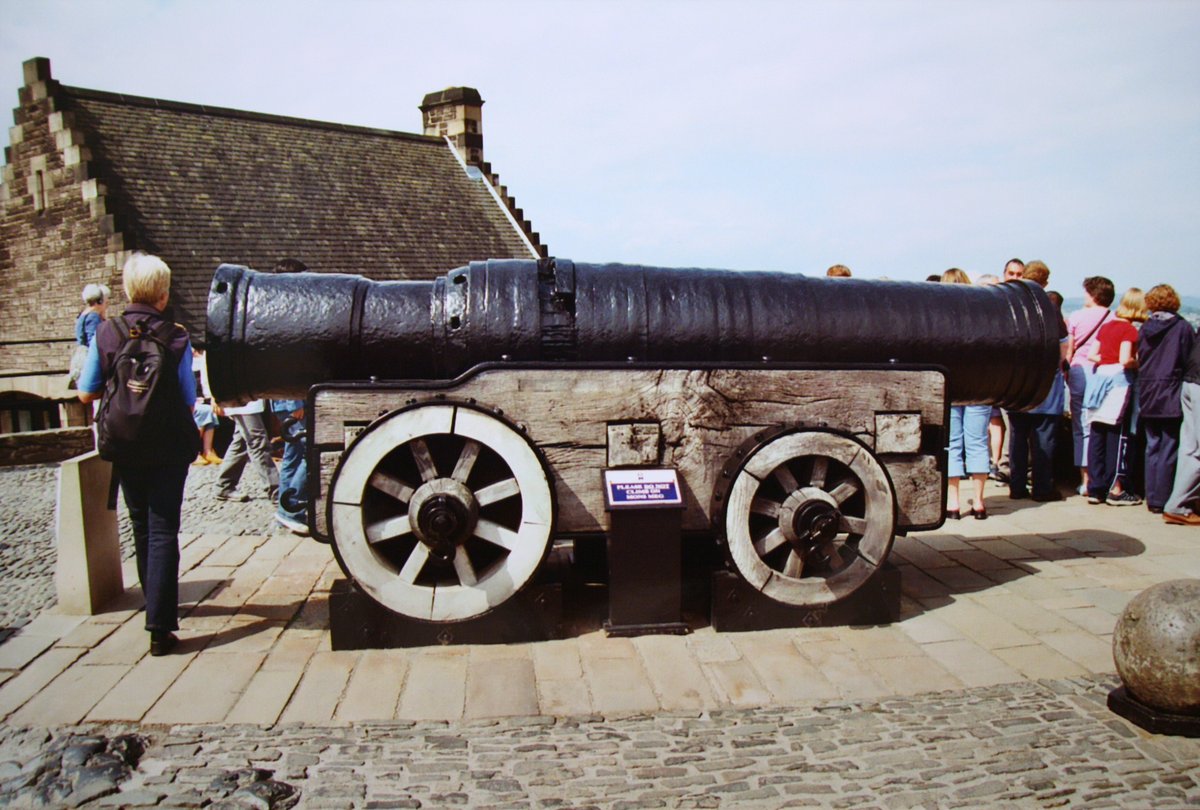
Mons Meg was forged in 1449 in the town of Mons, in present-day Belgium, under the commission of Philip the Good, Duke of Burgundy. Built as a “supergun” for siege warfare, Mons Meg exemplifies the advanced metallurgy of the late Middle Ages. The cannon was constructed from longitudinal iron staves bound together by heated iron hoops—a process that produced a robust, though heavy, artillery piece (Canmore).
Measuring over 13 feet (4.01 meters) in length and weighing around 5.5 to 6 tons, Mons Meg’s caliber is a staggering 19.5 inches (495 mm), capable of launching stone balls up to 150 kg (330 lbs) over distances approaching two miles (Kirkcudbright History).
Diplomatic Gift and Early Use
In 1457, Mons Meg was presented to King James II of Scotland as a diplomatic gift from the Duke of Burgundy, solidifying alliances and showcasing Burgundian military prowess. The cannon quickly became a prized possession of the Scottish crown, both for its military potential and as a symbol of royal authority.
Mons Meg’s first documented use in Scotland was during the siege of Dumbarton in 1489, and it later played a role in the siege of Norham Castle in 1497. Its immense size made transportation and operation challenging, yet its presence at key battles and ceremonial occasions underscored its status in the Scottish arsenal (Scottish Castles Association).
Technical Details and Firepower
Mons Meg was designed to fire both stone and iron projectiles. The cannon’s massive bore could accommodate stone balls up to 549 pounds (249 kg) or iron balls over 1,100 pounds (510 kg). It is most famously recorded as having fired a 150 kg shot nearly two miles during the celebrations of Mary, Queen of Scots’ marriage in 1558 (Edinburgh History).
Despite its formidable power, Mons Meg’s size made it unwieldy on the battlefield, and by the 16th century, advances in artillery rendered such bombards obsolete for active warfare.
Later History and Restoration
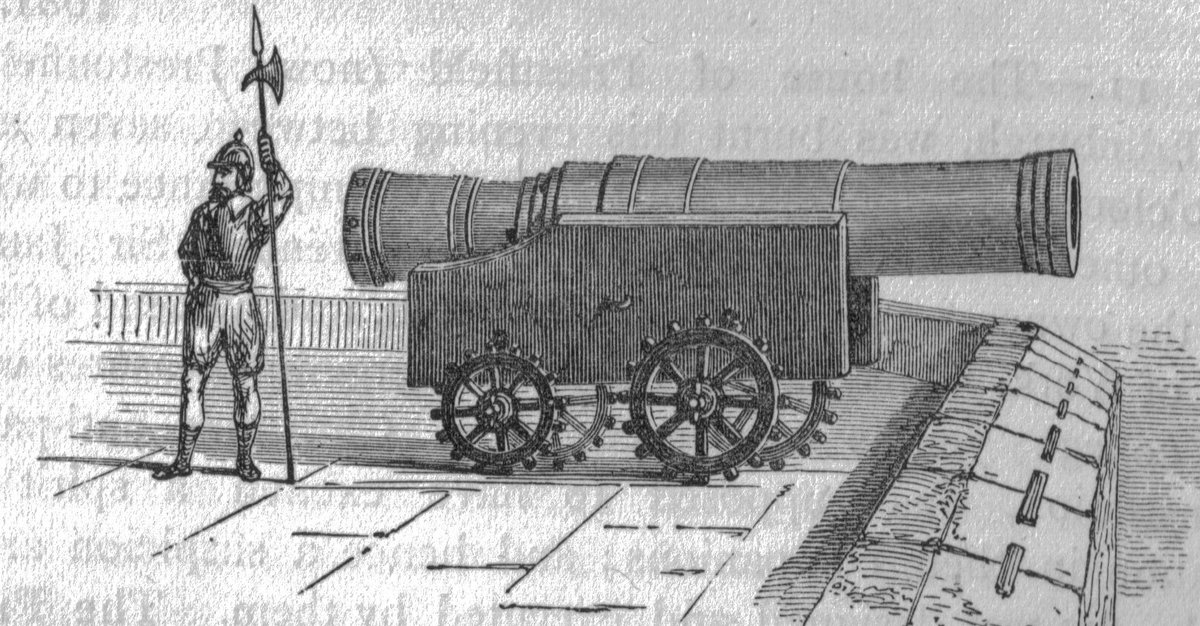
By the 17th century, Mons Meg’s primary function had shifted to ceremonial roles. Its last firing in 1681 resulted in a burst barrel, after which the cannon was retired from use. Mons Meg was subsequently moved to the Tower of London after the Jacobite Uprising, symbolizing the political tensions between Scotland and England. It returned triumphantly to Edinburgh Castle in 1829, thanks to efforts by Sir Walter Scott and others, and has remained a prominent attraction ever since (Kirkcudbright History).
The cannon is now displayed near St. Margaret’s Chapel, mounted on a reconstructed carriage, and serves as a striking reminder of Scotland’s turbulent and proud past (Canmore).
Myths, Legends, and Recent Discoveries
Mons Meg’s origins have inspired numerous myths, including tales of its Scottish manufacture and legendary battlefield feats. Modern research has confirmed its Flemish origins and revealed that the cannon was originally painted red—a detail now highlighted in interpretive displays at the castle (Scottish Castles Association).
Visiting Mons Meg: Practical Information
Visiting Hours
- April–September: 09:30 to 18:00 (last entry at 17:00)
- October–March: 09:30 to 17:00 (last entry at 16:00)
- Closed: Christmas Day and Boxing Day. Hours may vary due to weather or special events (Travel Kat Tours).
Tickets and Prices
Admission to Edinburgh Castle includes access to Mons Meg. Tickets can be pre-booked online or purchased at the entrance:
- Online advance: £21.50 (adults), £12.50 (children 7–15), £17.00 (concessions)
- Walk-up: £24.00 (adults), £14.00 (children), £19.00 (concessions)
- Family and combination tickets are available for additional value (Travel Kat Tours, Historic Environment Scotland).
Tip: Book tickets in advance, especially during peak season (May–September) and holidays, to ensure entry and avoid queues (Edinburgh Tips).
Accessibility
The castle grounds feature steep inclines and cobblestones, but accessible routes and staff assistance are available. Mons Meg is displayed on relatively level ground in the Upper Ward. Step-free routes and accessible toilets are provided; for details, consult the castle’s accessibility guide.
Disabled parking is available by arrangement, and assistance dogs are welcome (Edinburgh Castle Accessibility).
Travel and Facilities
- Getting there: Edinburgh Castle is centrally located atop Castle Rock, easily accessible on foot from the city centre and well-served by public transport. There is no on-site parking for general visitors.
- Facilities: Restrooms are located near the main entrance; cafés and gift shops—including Mons Meg-themed souvenirs—are nearby (TripSavvy).
- Luggage: Large bags and suitcases are not permitted; there are no storage facilities.
Best Times to Visit
- Early morning (from 09:30) or late afternoon are quietest, especially midweek.
- Low season (late October to March) means fewer crowds.
- Peak periods (weekends, holidays, cruise ship days) can be busy—plan ahead (MPA Project Travels).
Guided Tours and Family Activities
- Guided tours and audio guides (available in multiple languages for £3.50) feature stories and historical context about Mons Meg (Candace Abroad).
- Family activities: Explorer quizzes, scavenger hunts, and interactive exhibits make Mons Meg engaging for all ages (Edinburgh Castle Family Day Out).
Nearby Attractions
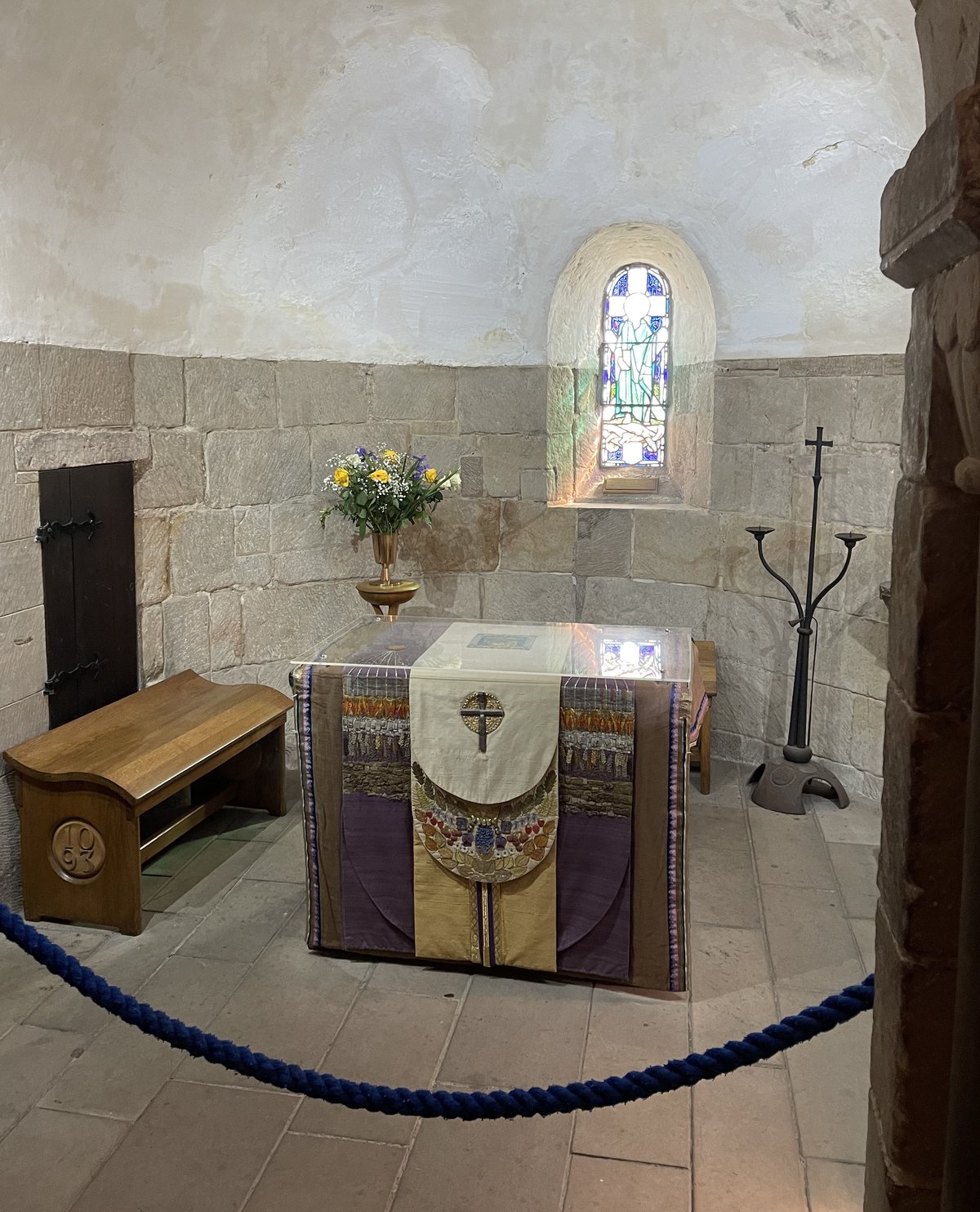
- St Margaret’s Chapel: The oldest building in Edinburgh, located adjacent to Mons Meg.
- Crown Jewels and Stone of Destiny: Housed within the castle.
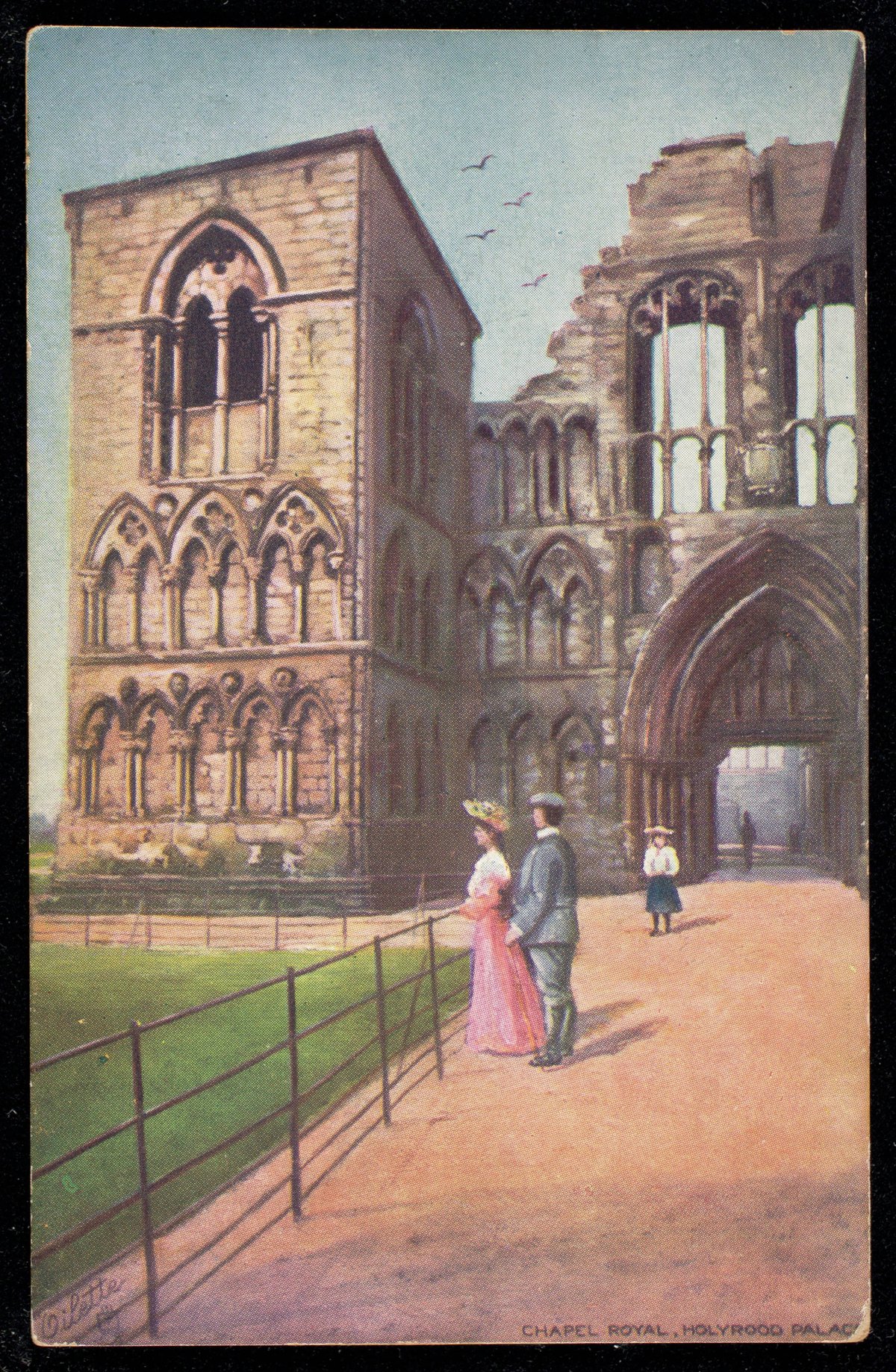
- Royal Mile, Holyrood Palace, and National War Museum: All within walking distance of the castle (Truly Edinburgh).
Frequently Asked Questions (FAQ)
Q: What are Mons Meg’s visiting hours?
A: Mons Meg is accessible during Edinburgh Castle’s opening hours, typically 09:30–18:00 (April–September) and 09:30–17:00 (October–March). Check the official site for updates.
Q: Are tickets required to see Mons Meg?
A: Yes, Mons Meg is included with your Edinburgh Castle admission ticket. Advance online booking is strongly recommended.
Q: Is Mons Meg wheelchair accessible?
A: The area around Mons Meg is accessible, though some approaches have cobblestones and gradients. Staff can assist as needed.
Q: Are guided tours available?
A: Yes. Guided and audio tours are available and include Mons Meg’s history.
Q: Can I take photographs of Mons Meg?
A: Yes, photography is permitted. Drones are not allowed.
Listen to the full story in the app
The whole Mons Meg,
told well.
Audio guides for 1,100+ cities across 96 countries. History, stories, and local insight — offline ready.
Verified, and shown.
Researched and written by the Audiala editorial team from historical records, architectural archives, and local expertise.
Researched from Wikidata, Wikipedia & official sources · fact-checked · How we make our guides →