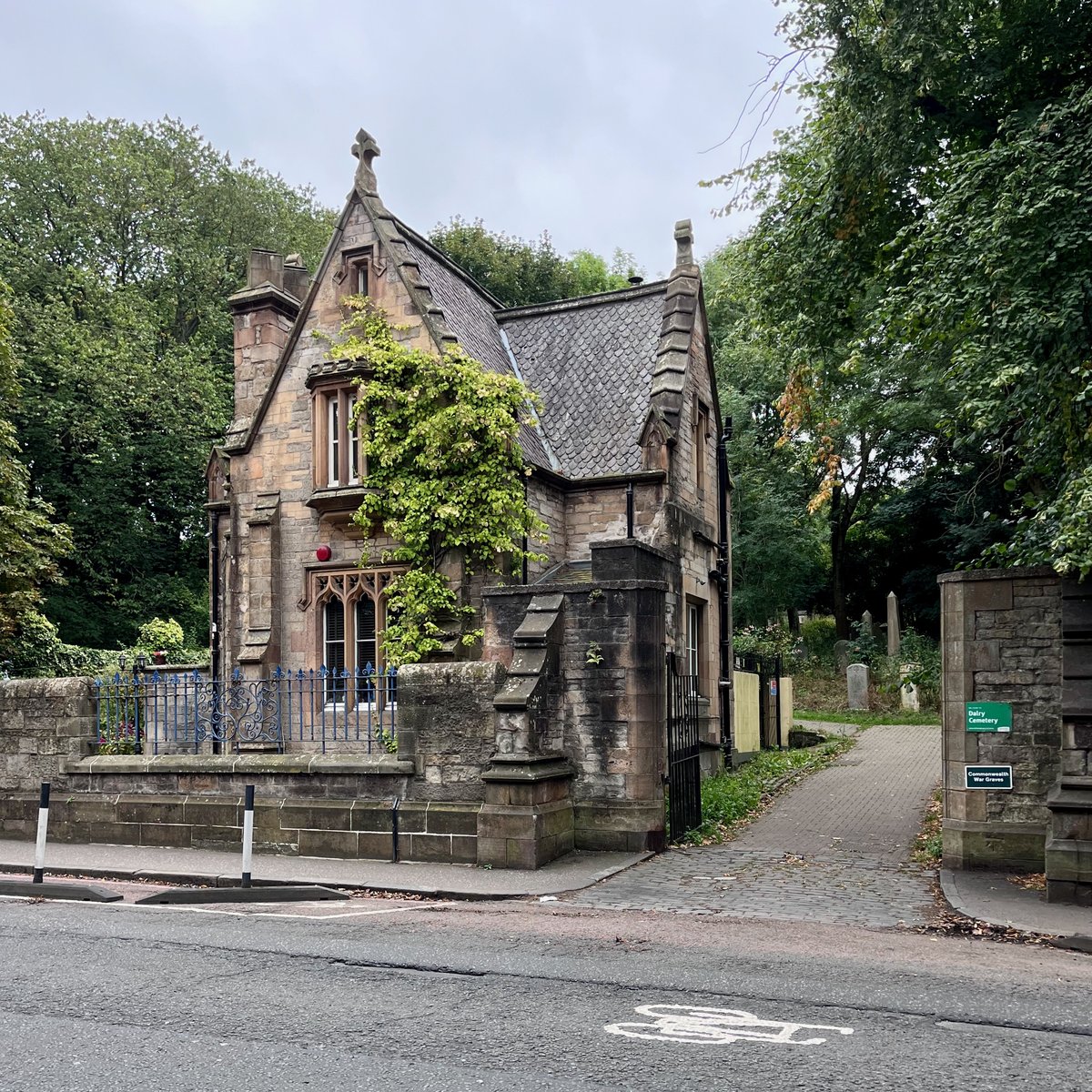
Plan and listen to Lodge, Dalry Cemetery, Dalry Road, Edinburgh with Audiala.
Audio guide in your pocket, itinerary in your browser. Built for the way you actually visit.
Introduction
Dalry Cemetery, nestled on Dalry Road in the west of Edinburgh, is a remarkable Victorian-era garden cemetery offering a unique blend of history, architecture, and tranquil green space. At its heart stands the distinctive Dalry Cemetery Lodge, a symbol of the city's 19th-century urban development and architectural heritage. This in-depth guide covers the lodge’s history and significance, practical information for visitors—including hours, tickets, accessibility, and amenities—as well as cultural context, community involvement, and recent events. Whether you are a history enthusiast, architecture admirer, or seeking a peaceful retreat, Dalry Cemetery is an essential stop on your journey through Edinburgh’s rich past.

Origins and Historical Context
Dalry Cemetery was established in 1846 during a period of rapid urban expansion in Edinburgh, as traditional churchyards became overcrowded and new burial grounds were needed outside the city's historic core. The cemetery was designed by renowned Scottish architect David Cousin, who pioneered the concept of landscaped, park-like cemeteries that emphasized both utility and beauty (Canmore).
The gate lodge, designed as part of the original scheme, served as the caretaker’s residence and administrative hub. Over time, it has witnessed changes in burial practices and the shifting demographics of Dalry and Gorgie, mirroring the evolving social history of Edinburgh.
Architectural Features of the Lodge
Design and Construction
The Lodge at Dalry Cemetery is a fine example of mid-19th-century Scottish cemetery architecture, blending functionality with elegant Victorian details. Initially built under David Cousin’s direction, it was later modified by architects Dick Peddie & MacKay and Peddie and Kinnear between 1873 and 1913 to meet changing operational needs (Canmore).
Structural Elements
The structure, crafted from local sandstone, features a pitched slate roof, robust chimneys, and ornate stonework around windows and doors. Its Gothic revival influences are visible in the pointed arches and window tracery. Despite its compact footprint, the lodge is a welcoming presence at the main entrance.
Landscape Integration
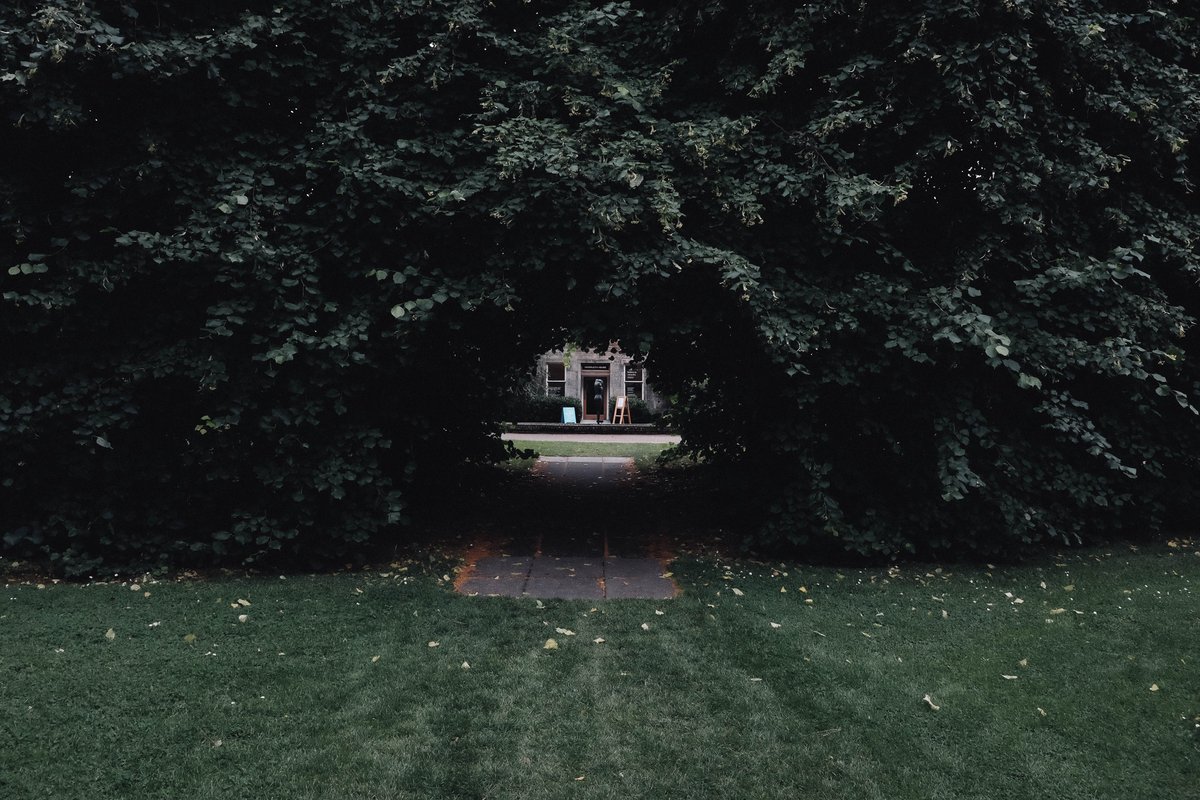
Strategically positioned at the cemetery’s main entrance, the lodge serves as both a visual anchor and functional gateway. Its placement complements the cemetery’s winding paths, mature trees, and carefully planned burial plots, creating a tranquil oasis within the urban environment.
Historical Significance
Dalry Cemetery and its lodge epitomize Edinburgh’s response to the urban challenges of the 19th century. Overcrowded churchyards prompted the creation of new cemeteries like Dalry, designed to serve the city’s growing population. The lodge played a central role in cemetery operations, reflecting Victorian respect for the deceased and the importance of dignified burial spaces (Canmore).
Beyond architecture, Dalry Cemetery is a repository of local memory, commemorating generations of Edinburgh residents through its diverse monuments and memorials.
Notable Features and Points of Interest
- Entrance Gates and Boundary Walls: Ornate gates and walls constructed from matching sandstone enhance the lodge’s design and create a cohesive entryway.
- Interior Details: While not usually open to the public, original plans show living quarters, an office, and storage spaces.
- Integration with Grounds: The lodge’s location near the main path connects visitors to notable graves, catacombs, and landscaped areas.
Visitor Information
Visiting Hours
Dalry Cemetery is open daily from dawn until dusk. Hours may vary seasonally; check City of Edinburgh Council for updates.
Admission and Tickets
Entry is free, and no tickets are required. Special guided tours may occasionally require advance booking.
Accessibility
The main paths are paved and generally accessible, but some areas have uneven terrain. Visitors with mobility challenges should plan accordingly.
Guided Tours and Events
The Friends of Dalry Cemetery organize occasional guided walks, history talks, and community events. To participate, check their website and local heritage listings.
Travel Tips and Nearby Attractions
The cemetery is easily accessible by public transport (bus routes along Dalry Road) and within walking distance of Haymarket Station. Parking is limited nearby. Local attractions include the West End, Haymarket, and other historic cemeteries like Dean and Greyfriars.
Cultural and Social Significance
Community Engagement and Heritage Preservation
The Friends of Dalry Cemetery volunteer group leads restoration projects, maintains the grounds, and researches the lives of those buried there. Their efforts have restored significant monuments, such as the Chesney family gravestone (Friends of Dalry Cemetery), and foster stewardship of the site.
Social Memory and Local Identity
Dalry Cemetery commemorates both prominent figures (e.g., Sir Alexander Burnes, Sir Neil Douglas) and local families, connecting present-day Edinburgh with its past (BillionGraves Dalry Cemetery). Stories linked to Dalry House and the Chiesley family add folklore to the historical narrative (All About Edinburgh).
Cultural Practices and Rituals
Victorian monuments reveal attitudes toward death and remembrance. Today, the cemetery is a venue for tours, educational events, and community gatherings, blending tradition with contemporary engagement.
Educational Value
Dalry Cemetery serves as an open-air archive for genealogists, students, and researchers. Volunteer-led initiatives document gravestones and share historical findings through tours and online platforms.
Inclusivity and Accessibility
Efforts to maintain accessible paths and signage make the cemetery welcoming to all. Family-friendly amenities like the Little Free Library encourage community interaction.
Green Space and Biodiversity
The cemetery’s mature trees, bird and bat boxes, and developing pond contribute to local biodiversity and offer a peaceful urban refuge (Edinburgh.org Gorgie & Dalry).
Ongoing Challenges
Volunteer groups rely on donations and community support for maintenance and restoration, and balancing preservation with accessibility and education is an ongoing task (Friends of Dalry Cemetery).
Recent Community Controversies
Dalry Cemetery has recently been affected by disputes involving the lodge resident, local volunteers, and the City of Edinburgh Council. Notably, the installation of a loud air raid siren by the lodge resident for security purposes has caused significant disturbance during funerals and community events (Edinburgh Live). Legal proceedings and disagreements regarding site management have been ongoing, but these issues rarely impact most visitors.
Impact on Visitors and Community Events
While some remembrance ceremonies have been disrupted, the Friends of Dalry Cemetery continue to organize restoration, conservation, and educational activities. Most areas of the cemetery remain peaceful and accessible.
On-Site Facilities
- The Lodge: Architectural highlight, not open to public.
- Benches: Several benches for rest.
- Little Free Library: Near the Dundee Street gate.
- War Memorial Area: Commemorates 26 Commonwealth War Graves.
- Wildlife Features: Bird and bat boxes, and a developing pond.
- No Public Toilets: Facilities available in nearby cafes and shops.
What to See and Do
- Historical Monuments: Explore graves of Sir Alexander Burnes, Sir Neil Douglas, Anne Jane Cupples, and John Stevenson Rhind.
- Catacombs and Vaults: Two above-ground vaults illustrate Victorian burial customs.
- Garden Cemetery Features: Tree-lined avenues, wildflower plantings, and tranquil landscaping.
- Community Activities: Join Sunday volunteer sessions (2pm–4pm) for tidying and gardening (The Edinburgh Reporter).
Special Events and Guided Tours
Annual Remembrance Day events are held at the War Memorial. The Friends group offers occasional guided walks and talks—see their website for details.
Practical Tips for Visitors
- Best Times to Visit: Spring and early summer for wildflowers; mornings and late afternoons for tranquility.
- Safety and Etiquette: Respect monuments, use paths, take litter home, and be considerate with photography.
- Accessibility: Main paths are generally accessible; some areas may be uneven.
- Family Visits: Suitable for families, with features like the Little Free Library and wildlife habitats.
Local Amenities and Nearby Attractions
Nearby, find cafes, bakeries, and shops along Dalry and Gorgie Roads. The West End and Haymarket offer further dining and sightseeing options. For cemetery enthusiasts, Dean Cemetery, Warriston Cemetery, and Newington Cemetery are also worth a visit (Canmore).
Frequently Asked Questions (FAQ)
Q: What are the visiting hours?
A: Open daily from dawn until dusk; check City of Edinburgh Council for seasonal details.
Q: Is there an entry fee or ticket required?
A: No, entry is free.
Q: Are guided tours available?
A: Occasional tours are offered by volunteers—see Friends of Dalry Cemetery for updates.
Q: Is the cemetery wheelchair accessible?
A: Main paths are accessible; some areas may be uneven.
Q: Are dogs allowed?
A: Yes, but must be kept on a leash.
Visuals and Media
Visitors can view images of Dalry Cemetery’s monuments, lodge, and wildlife habitats on the Friends of Dalry Cemetery website and social media. Suggested image captions:
- "Dalry Cemetery historic monuments in Edinburgh"
- "Dalry Cemetery visiting hours sign"
- "Wildlife habitats at Dalry Cemetery"
Essential Contacts and Further Information
- Friends of Dalry Cemetery: dalrycemetery.co.uk
- City of Edinburgh Council Bereavement Services: edinburgh.gov.uk
- Public Transport: Lothian Buses
Discover More
Dalry Cemetery stands as a testament to Edinburgh’s layered history, architectural ingenuity, and vibrant community spirit. Its combination of heritage, green space, and community engagement creates a rewarding experience for visitors of all ages. Plan your visit using this guide, check for updates on events and guided tours, and consider joining volunteer activities to support the ongoing preservation of this unique Edinburgh landmark.
Explore more of Edinburgh’s historical sites and deepen your appreciation for the city’s heritage by downloading the Audiala app for curated tours and insider tips. Share your experiences to help preserve and celebrate Edinburgh’s rich history.
Listen to the full story in the app
The whole Lodge, Dalry Cemetery, Dalry Road, Edinburgh,
told well.
Audio guides for 1,100+ cities across 96 countries. History, stories, and local insight — offline ready.
Verified, and shown.
Researched and written by the Audiala editorial team from historical records, architectural archives, and local expertise.
Researched from Wikidata, Wikipedia & official sources · fact-checked · How we make our guides →