Introduction
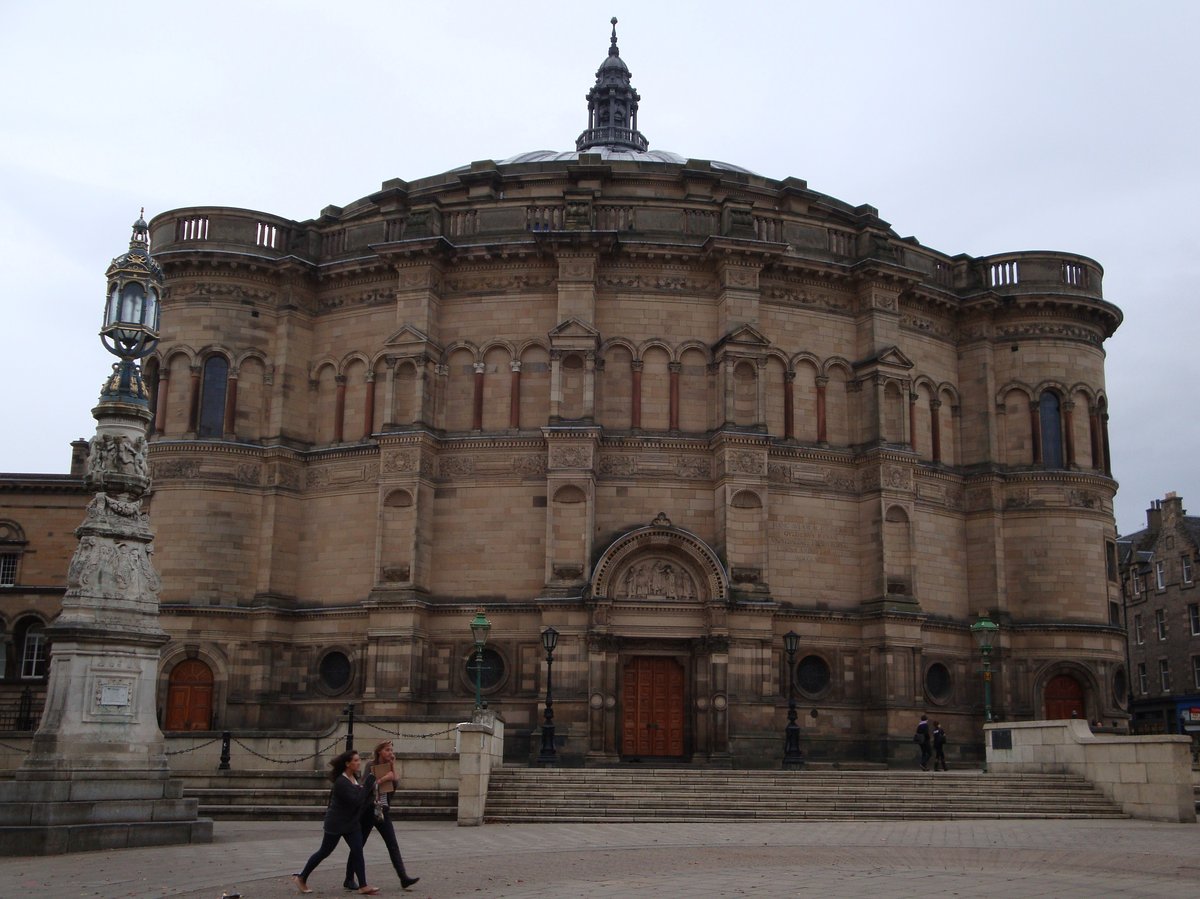
Prominently perched atop the Mound in the heart of Edinburgh, the General Assembly Hall of the Church of Scotland is a site of profound historical, architectural, and cultural importance. Since 1929, it has served as the meeting place for the Church of Scotland’s highest court, embodying the nation’s religious heritage and civic tradition. Originally constructed between 1858 and 1859 for the Free Church of Scotland after the Disruption of 1843, the Hall has hosted pivotal events, including the landmark 1910 World Missionary Conference and the temporary sitting of the Scottish Parliament from 1999 to 2004. With its Victorian Gothic architecture and commanding views over Edinburgh’s Old Town, the Hall attracts visitors fascinated by Scotland’s history, faith, and urban landscape.
Access to the Hall is generally limited outside major events, but it opens to the public during the annual General Assembly each May and the Edinburgh Festival Fringe in August, providing unique opportunities to admire its interiors and experience its vibrant programming. This guide delivers all essential information for planning your visit—from historical context and architectural highlights to practical details about visiting hours, ticketing, accessibility, and nearby attractions. Official resources such as the Church of Scotland website and the Edinburgh Festival Fringe provide up-to-date information.
Historical Background
Origins and Early Development
The Assembly Hall’s origins trace to the Disruption of 1843, a defining moment when many ministers and congregations left the established Church of Scotland over issues of governance and patronage, forming the Free Church of Scotland. This split necessitated new church buildings in Edinburgh, including the Assembly Hall, New College, and the Free High Church. Esteemed architects William Henry Playfair and David Bryce were tasked with these projects, and the Assembly Hall was completed in 1859.
Architectural Evolution
David Bryce’s Victorian Gothic design features a dramatic, multi-tiered gallery, pointed arches, and a striking black-and-white marble corridor. Extensions in 1885 and early 20th-century modifications accommodated growing assembly needs. Today, the Hall is integrated with New College, home to the University of Edinburgh’s School of Divinity, and commands panoramic views of the city.
Role in Church and National History
Initially the seat of the Free Church’s General Assembly, the Hall became the official meeting place for the reunited Church of Scotland in 1929. It hosted the influential 1910 World Missionary Conference and, from 1999 to 2004, served as the temporary chamber for the re-established Scottish Parliament. These milestones underscore its significance in both ecclesiastical and civic life.
Visiting the General Assembly Hall
Visiting Hours and Tickets
- General Assembly (May): The Hall is open to the public during the annual General Assembly week, typically mid-May. The Public Gallery is accessible from about 8:45 am daily, with unreserved seating on a first-come, first-served basis. No ticket is required for gallery access (Church of Scotland).
- Edinburgh Festival (August): The Hall becomes a festival venue with performances and events. Event tickets must be purchased in advance via the Assembly Festival or Edinburgh International Festival websites.
- Other Times: Public access is otherwise restricted, but special events or guided tours may be available—confirm via the official website.
Guided Tours and Special Events
Guided tours are occasionally offered, especially during festivals, providing insights into the Hall’s history, architecture, and continuing role in Scottish life. Tours may require pre-booking. The Hall also hosts lectures, concerts, and civic events throughout the year.
Accessibility
Accessibility is a priority, with ramps and facilities for wheelchair users. The historic nature of the building means some areas may be less accessible; contact the venue ahead for assistance.
Photography and Visitor Experience
Admire the Hall’s Gothic interiors, including its multi-tiered galleries and marble corridors. The elevated outdoor location offers excellent cityscape views. Photography is generally prohibited during official church sessions but may be allowed during festival events—confirm on-site rules.
Nearby Attractions and Travel Tips
The Assembly Hall’s central location offers easy access to several of Edinburgh’s most celebrated sites:
- Edinburgh Castle: A short walk uphill, this fortress is a symbol of Scottish heritage.
- The Royal Mile: Edinburgh’s historic thoroughfare, lined with shops, museums, and eateries.
- National Gallery of Scotland: Located at the foot of the Mound.
- Princes Street Gardens: Scenic public gardens below the Hall.
- New College: Adjacent theological college with exhibitions.
Travel Tips:
- On Foot: Easily walkable from Waverley Station and surrounding attractions.
- By Bus: Served by multiple Lothian Bus routes stopping at Princes Street and the Mound.
- By Car: Limited parking; public transport is recommended.
- Accessibility: Entry for public events is via the Lawnmarket (Royal Mile). Contact the venue for specific needs.
Preservation and Contemporary Use
The Church of Scotland’s General Trustees oversee the Hall’s preservation, balancing heritage conservation with modern requirements for accessibility and functionality. The Hall’s continued use for both ecclesiastical and public events ensures its relevance and vibrancy in 21st-century Scotland.
Frequently Asked Questions (FAQ)
Q: What are the General Assembly Hall visiting hours?
A: The Hall is open to the public during the General Assembly in May and as a festival venue in August. At other times, access is limited—check the official website for updates.
Q: Is there an admission fee or ticket required?
A: Admission to the Public Gallery during the General Assembly is free; festival events require advance ticket purchase.
Q: Is the Assembly Hall accessible for people with disabilities?
A: Yes, accessibility features are in place, but contact the venue ahead for specific requirements.
Q: Can I take photos inside the Assembly Hall?
A: Photography is restricted during official proceedings. During festivals, policies may differ—check with event organizers.
Q: Are guided tours available?
A: Guided tours are offered seasonally, especially during festivals. Advance booking is recommended.
Q: What else can I see nearby?
A: Edinburgh Castle, the Royal Mile, National Gallery of Scotland, and Princes Street Gardens are all within easy walking distance.
Listen to the full story in the app
Your Personal Curator, in Your Pocket.
Audio guides for 1,100+ cities across 96 countries. History, stories, and local insight — offline ready.
Audiala App
Available on iOS & Android
Join 50k+ Curators
Sources
- verified
- verified
- verified
- verified
- verified
- verified
Last reviewed: