Plan and listen to Comiston Springs Water House with Audiala.
Audio guide in your pocket, itinerary in your browser. Built for the way you actually visit.
Introduction
Comiston Springs Water House, tucked away on the southern fringe of Edinburgh near the Braid Hills, is a quietly significant monument to the city’s pioneering spirit in public health and urban engineering. Dating back to the late 17th century, this stone structure and the springs it guards were instrumental in providing Edinburgh’s first reliable piped water supply—an innovation that transformed the city’s urban landscape and drastically improved public health (Gazetteer for Scotland; Canmore). This comprehensive guide details everything you need to know about visiting Comiston Springs Water House: historical context, opening hours, accessibility, practical tips, conservation efforts, and nearby attractions.

Origins and Urban Impact
Comiston Springs have been crucial to Edinburgh’s growth since the late 17th century. In 1674, the city began utilizing these springs to fulfill an urgent demand for clean water, culminating in the 1681 integration of the springs into a gravity-fed piped supply (Gazetteer for Scotland). This system not only reduced reliance on polluted wells and the Nor’ Loch but also sharply decreased waterborne diseases, dramatically improving public health (BBC News).
Architectural Pioneering
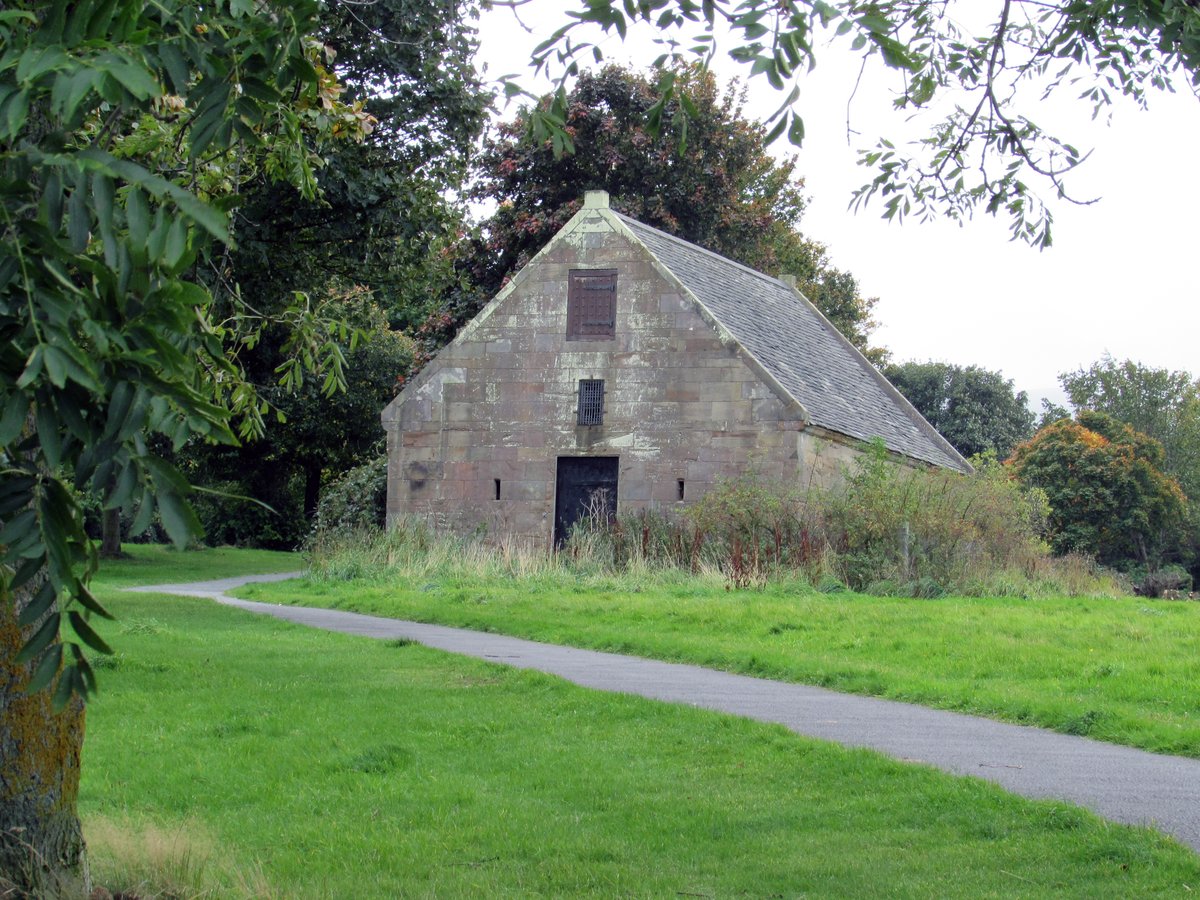
The Water House, constructed in 1676, is a robust rectangular stone building with a traditional slate roof. Its design—overseen by Sir William Bruce and executed by Robert Myle, the King’s Master Mason, with hydraulic systems by Peter Brauss—reflects a blend of practical engineering and architectural foresight (Canmore). The original system channeled up to five springs into a central cistern, using gravity and elm pipes to carry water several miles into the city (Edinburgh Live).
Cultural and Symbolic Significance
The springs were traditionally marked with lead animal figures—a fox, swan, lapwing, and hare—each identifying a separate spring’s entry. These figures, now preserved in the Museum of Edinburgh, connect the site to local folklore and remain enshrined in local street names (Gazetteer for Scotland; Edinburgh Live).
Engineering and Architectural Features
- Design: Stone construction with a slate roof, partially buried at the intersection of Comiston View and Fox Spring Rise.
- Function: Central cistern collected spring water, protected from contamination, for distribution via gravity-fed elm pipes (Canmore).
- Symbolism: Interior once featured animal figures at each spring entry, aiding maintenance and serving as practical and symbolic markers.
- Current State: The structure is a listed building (Historic Environment Scotland), largely intact though partially buried and not open for interior visits.
Visiting Comiston Springs: Key Information
Location & Directions
- Address: Corner of Comiston View and Fox Spring Rise, south Edinburgh.
- Public Transport: Lothian Buses (routes 11, 15, 16) serve nearby Comiston Road.
- Parking: Limited on-street parking available; consider public transport during busy times.
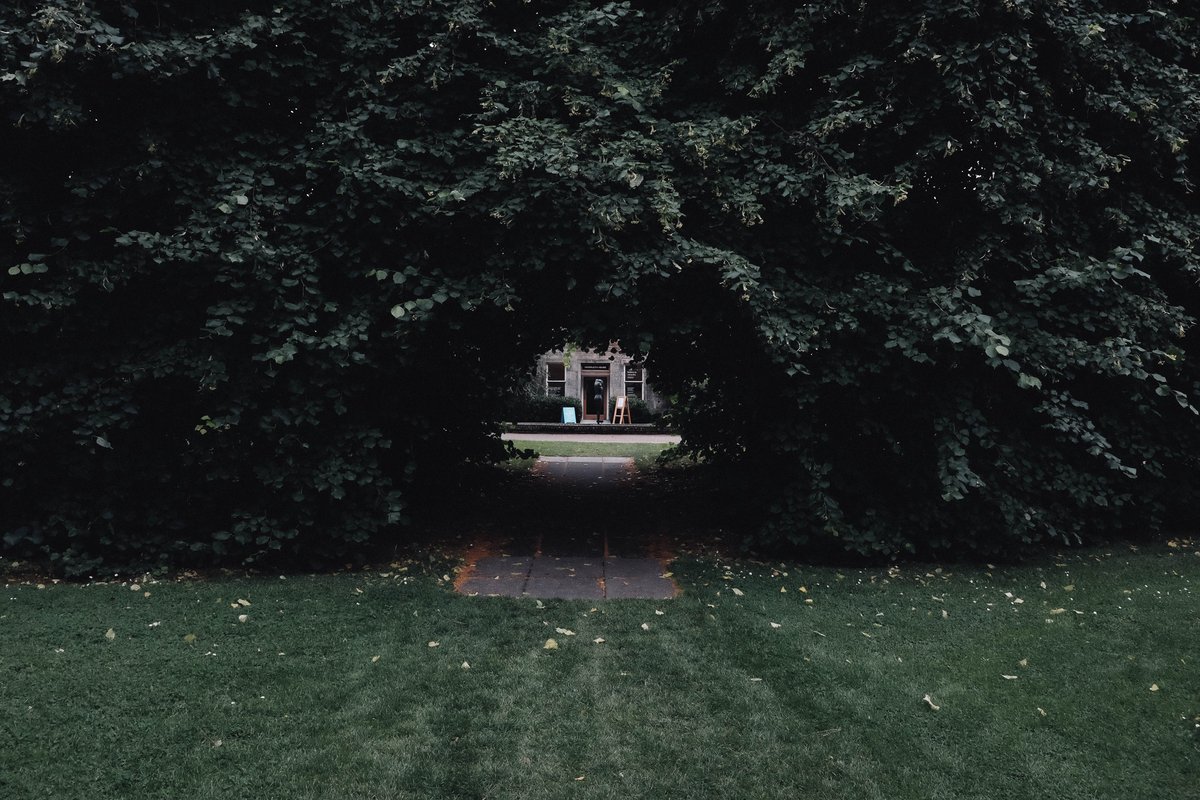
- Neighbourhood: Quiet residential area with green buffers and mature lime trees.
Opening Hours & Entry
- Hours: Open year-round, 24/7 as an outdoor public space.
- Entry Fee: Free. No ticket or reservation required.
- Interior Access: Not permitted; visitors can view and photograph the exterior from public paths.
Accessibility
- Paths: Paved and generally accessible from the street, though immediate areas may be uneven.
- Mobility: Wheelchair users may need assistance for grassy or irregular surfaces.
- Assistance Animals: Welcome.
Facilities & Amenities
- On-site Facilities: None. No visitor center, restrooms, or café.
- Nearby Amenities: Public toilets and cafés are available on Comiston Road (5–10 minutes’ walk).
- Seating: Benches provided in the landscaped area for rest and picnics.
Guided Tours & Events
- Regular Tours: None scheduled; site is occasionally included in heritage walks or featured during Doors Open Days (Edinburgh Doors Open Days).
- Community Events: Local groups may organize heritage or clean-up events. Check local listings for updates (Ian Murray MP).
Nearby Attractions
- Braid Hills: Walking and panoramic views.
- Hermitage of Braid Nature Reserve: Wildlife and trails.
- Morningside District: Independent shops and cafés.
- Museum of Edinburgh: Displays the original lead animal figures.
- Edinburgh Castle & Old Town: Central sites connected to the city’s water history.
Conservation, Community, and Education
The Water House is protected under Scotland’s listed buildings legislation, with oversight and maintenance by Historic Environment Scotland (Historic Environment Scotland). Community initiatives, such as the Comiston Co-Housing Group, have contributed to site preservation and promote sustainable, heritage-sensitive development in the area (Ian Murray MP). Educational signage, if present, highlights the significance of water conservation and urban planning legacies.
Visitor Experience & Practical Tips
- Best Time to Visit: Spring and summer offer vibrant greenery and comfortable weather.
- Photography: Early morning and late afternoon provide optimal light; share photos with #ComistonSprings or #EdinburghHeritage.
- Picnics: Benches and green space available; take all litter home.
- Respect: Remain on paths, do not climb the structure, and respect neighbouring residents’ privacy.
- Environmental Care: Stick to paths, avoid disturbing wildlife, and participate in clean-up events if possible.
Frequently Asked Questions (FAQ)
Q: Is there an entry fee or ticket required?
A: No; it’s free and open-access.
Q: What are the visiting hours?
A: The site is accessible 24/7 as an outdoor public area.
Q: Is the Water House interior open to visitors?
A: No, only the exterior is viewable due to preservation concerns.
Q: Is the site wheelchair accessible?
A: Main paths are accessible, but some terrain may be uneven.
Q: Are there regular guided tours?
A: No regular tours, but the site is sometimes included in heritage walks or Doors Open Days.
Q: Where can I learn more about the animal figures?
A: The original lead animal figures are displayed at the Museum of Edinburgh.
Q: Are there restrooms or cafés on-site?
A: No; use facilities on Comiston Road.
Discover More
Comiston Springs Water House is a rare survivor of Edinburgh’s early urban infrastructure—a place where history, engineering, and community values intersect. Free to visit and surrounded by natural beauty, it’s perfect for history lovers, urban explorers, and anyone curious about the city’s hidden stories. Plan your visit to experience this unique heritage site at your own pace.
For more historical insights, event updates, and personalized guides, download the Audiala app, follow us on social media, and explore related articles on Edinburgh’s heritage.
Contact Information:
For queries or to report concerns:
Historic Environment Scotland
Phone: 0131 668 8600
Email: [email protected]
Historic Environment Scotland advice and support
Listen to the full story in the app
The whole Comiston Springs Water House,
told well.
Audio guides for 1,100+ cities across 96 countries. History, stories, and local insight — offline ready.
Verified, and shown.
Researched and written by the Audiala editorial team from historical records, architectural archives, and local expertise.
Researched from Wikidata, Wikipedia & official sources · fact-checked · How we make our guides →