Plan and listen to Allan Ramsay Monument with Audiala.
Audio guide in your pocket, itinerary in your browser. Built for the way you actually visit.
Introduction
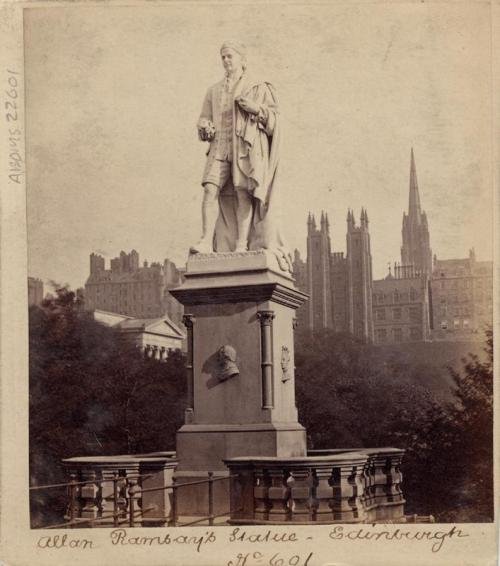
The Allan Ramsay Monument, an iconic landmark in West Princes Street Gardens, Edinburgh, pays homage to one of Scotland’s most influential poets and cultural trailblazers. This guide offers detailed insights into the monument’s history, artistic features, significance within Scottish culture, and practical visitor information. Whether you are a history enthusiast, literature lover, or simply exploring Edinburgh’s rich heritage, the Allan Ramsay Monument is an essential stop, reflecting the vibrancy of the Scottish Enlightenment and the city’s enduring literary legacy (edinburghexpert.com; wikipedia.org; glasgow.ac.uk; All About Edinburgh; Scottish Literary Review).

Historical Context and Allan Ramsay’s Legacy
The Scottish Enlightenment and Edinburgh’s Cultural Renaissance
The Allan Ramsay Monument stands as a testament to the explosion of intellectual and cultural activity in 18th-century Edinburgh. The Scottish Enlightenment transformed the city into a hub of literary, philosophical, and scientific innovation, nurturing talents like Allan Ramsay. Ramsay’s advocacy for the Scots language and accessible literature positioned him as a key architect of Scotland’s cultural identity (edinburghexpert.com; wikipedia.org).
The Creation and Placement of the Monument
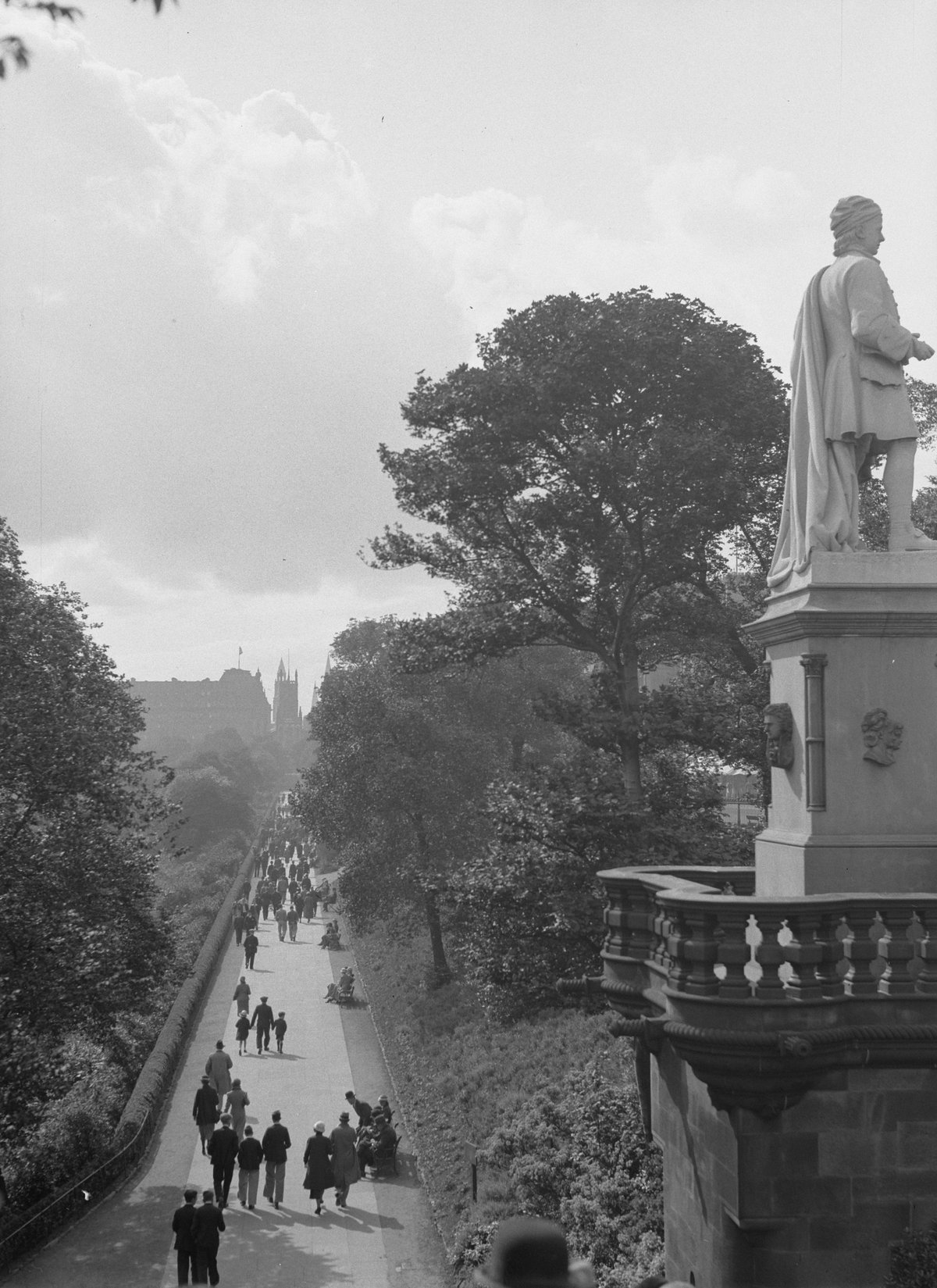
Commissioned by Lord Murray of Henderland—Ramsay’s great-nephew—and designed by Sir John Steell with architect David Bryce, the monument was unveiled on 25 March 1865 (glasgow.ac.uk). Originally intended to stand in front of Ramsay’s octagonal “Goose Pie House,” a landslip necessitated its current placement at the north-west corner of Princes Street Gardens, aligning it visually with other major memorials such as the Scott Monument (historicenvironment.scot).
Allan Ramsay’s Life and Achievements
Early Life and Rise in Edinburgh
Born in 1686 in Lanarkshire, Ramsay apprenticed as a wig-maker before emerging as a leading voice in Edinburgh’s literary circles. He became a bookseller and publisher, founding Britain’s first circulating library in 1726—a transformative step in democratizing literature (wikipedia.org).
Literary Contributions
Ramsay’s seminal work, The Gentle Shepherd (1725), revived interest in Scots vernacular poetry and influenced later poets, notably Robert Burns. His anthologies, The Tea-Table Miscellany and The Ever Green, preserved and popularized Scottish songs and poetry. As a theatre pioneer, Ramsay established a playhouse in Carubbers Close, challenging cultural norms and paving the way for Scottish drama (edinburghexpert.com).
Later Years and Legacy
Retiring in 1740 to his distinctive “Goose Pie House” (now Ramsay Garden), Ramsay lived out his final years with a panoramic view of the city he helped shape. He died in 1758 and is buried at Greyfriars Kirkyard. Ramsay’s influence endures through the Scottish literary revival and his championing of the Scots language (glasgow.ac.uk).
Visiting the Allan Ramsay Monument
Location and Accessibility
The monument rises from the north side of West Princes Street Gardens (EH2 2HG), offering spectacular views of Edinburgh Castle and Ramsay Garden. Access is straightforward, with frequent buses, trams, and a short walk from Waverley Station (All About Edinburgh).
Visiting Hours and Admission
- Opening Hours: Daily, 6:00 AM to 10:00 PM
- Entry: Free; no ticket required
Nearby Attractions
- Scott Monument
- Edinburgh Castle
- Ramsay Garden
- National Gallery of Scotland
- Royal Scots Greys Monument
- Ross Fountain
Guided Tours and Special Events
Many Edinburgh literary and historical walking tours feature the monument. During the Edinburgh Festival, special events and guided walks may highlight Ramsay’s contributions. Check local listings or visitor centers for current schedules.
Photography Tips
Optimal lighting occurs in the morning and late afternoon. The monument’s marble gleams against the lush gardens and historic skyline—ideal for photography.
Artistic and Architectural Features
Sculpture and Symbolism
Sculpted from Carrara marble by Sir John Steell, the statue depicts Ramsay seated, writing with a book and pencil—emphasizing his literary craft. Eschewing the traditional wig, his nightcap nods to his early trade as a wig-maker and his humility (Edinburgh Outdoors).
The plinth, designed by David Bryce, is Binny sandstone adorned with Corinthian colonnettes and high-relief profile medallions.
Narrative Reliefs and Family Connections
Each side of the plinth features a medallion representing important family members—Lord Murray (benefactor), Mrs. Ramsay (wife), General Ramsay (father), Lady Campbell and Mrs. Malcolm (daughters)—weaving a multigenerational narrative (All About Edinburgh).
Visitor Experience and Practical Information
Accessibility
Paved paths ensure wheelchair and stroller access. Accessible restrooms are available within the gardens. Assistance dogs are welcome.
Facilities and Amenities
- Restrooms: Available in the gardens
- Cafés: Nearby options, including Sir Walter’s Café
- Benches and Play Areas: Family-friendly environment
Tips for Visitors
- Wear comfortable footwear for walking.
- Dress in layers; Edinburgh weather can change quickly.
- For fewer crowds, visit early morning or on weekdays.
- Late spring and summer coincide with the vibrant floral clock display.
Safety and Etiquette
- Picnicking is permitted; dispose of litter responsibly.
- Climbing on the monument is strictly prohibited.
- Be mindful of personal belongings.
Events and Seasonal Highlights
West Princes Street Gardens host concerts, public gatherings, and seasonal festivities, especially during the Edinburgh Festival and Christmas celebrations.
Frequently Asked Questions (FAQ)
Q: What are the Allan Ramsay Monument visiting hours?
A: Daily, 6:00 AM to 10:00 PM.
Q: Is there an entrance fee or ticket required?
A: No, the monument and gardens are free to access.
Q: Is the site wheelchair accessible?
A: Yes, paved paths and accessible restrooms are provided.
Q: Are guided tours available?
A: Yes, many city walking tours include the monument.
Q: What other attractions are nearby?
A: The Scott Monument, Edinburgh Castle, National Gallery of Scotland, and Writers’ Museum are all within walking distance.
Q: When is the best time to visit?
A: Late spring and summer, during floral clock display and mild weather.
Listen to the full story in the app
The whole Allan Ramsay Monument,
told well.
Audio guides for 1,100+ cities across 96 countries. History, stories, and local insight — offline ready.
Verified, and shown.
Researched and written by the Audiala editorial team from historical records, architectural archives, and local expertise.
Researched from Wikidata, Wikipedia & official sources · fact-checked · How we make our guides →