Plan and listen to Fitzwilliam Museum with Audiala.
Audio guide in your pocket, itinerary in your browser. Built for the way you actually visit.
Introduction
Nestled in the heart of Cambridge, the Fitzwilliam Museum is a beacon of art, history, and culture. Established in 1816 through the generous bequest of Richard, 7th Viscount Fitzwilliam, the museum has grown from a modest collection of over 16,000 objects to an internationally renowned institution. Visitors to this architectural gem on Trumpington Street can explore its vast collections, ranging from ancient Egyptian artifacts to contemporary sculptures. Whether you're an art enthusiast, history buff, or simply seeking a cultural outing, the Fitzwilliam Museum offers a rich and immersive experience. With free admission, guided tours, and a host of special exhibitions, this museum is a must-visit destination in Cambridge. Check the museum’s official website for the latest visitor information and event schedules.


History and Development
A Legacy Forged in Generosity - The Fitzwilliam Museum's Beginnings
The Fitzwilliam Museum stands today as a testament to the vision and generosity of one man - Richard, 7th Viscount Fitzwilliam (1745-1816). A nobleman with a passion for art and collecting, he bequeathed his considerable collection and a significant sum of money to the University of Cambridge upon his death in 1816. This generous act marked the birth of the museum.
Viscount Fitzwilliam's bequest included a treasure trove of over 16,000 objects, encompassing paintings, manuscripts, books, and music. This initial collection formed the bedrock of the museum, showcasing the Viscount's eclectic taste and providing a foundation for future expansion.
From Founder's House to Architectural Gem (1816-1876)
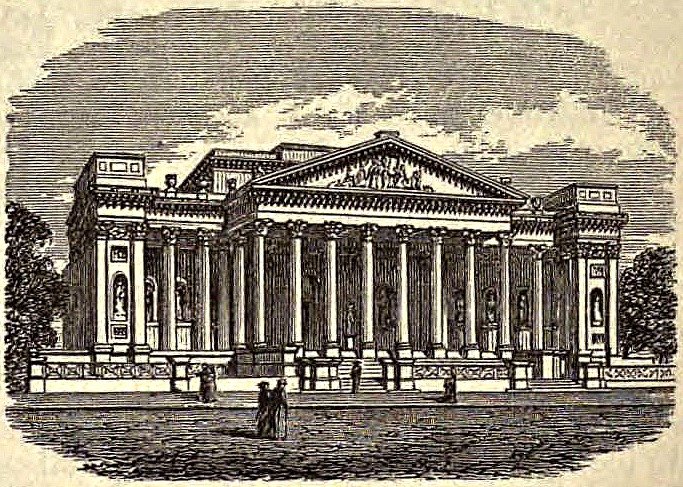
Initially, the University housed the burgeoning collection in a temporary location. However, the need for a dedicated space quickly became apparent. In 1837, construction began on a grand building designed by George Basevi and later completed by C.R. Cockerell. This magnificent structure, a blend of neoclassical and Renaissance styles, opened its doors to the public in 1848.
The museum's location on Trumpington Street placed it at the heart of Cambridge, making art and culture accessible to both scholars and the wider public. This commitment to accessibility has remained a cornerstone of the Fitzwilliam's ethos throughout its history.
Expansion and Enrichment - A Growing Collection (Late 19th - Early 20th Century)
The late 19th and early 20th centuries witnessed a period of significant growth for the Fitzwilliam. Generous donations and bequests from art enthusiasts and alumni enriched the museum's holdings, expanding its scope and reputation. Notable benefactors during this era included:
- Charles Brinsley Marlay - A significant donation of Italian Renaissance works of art.
- Frank E. Bliss - A collection of Asian art, particularly Chinese ceramics.
These contributions, along with strategic acquisitions, transformed the Fitzwilliam into a museum of international standing, boasting a diverse collection spanning centuries and continents.
Navigating War and Embracing Modernity (Mid-20th Century)
The mid-20th century presented unique challenges. World War II necessitated the evacuation of the museum's collection for safekeeping. This period, however, also saw the Fitzwilliam adapt and evolve. The museum embraced a more modern approach to display and interpretation, making the collection more accessible and engaging for a wider audience.
A Legacy Continues - Ongoing Development and Renovation (Late 20th Century - Present)
The latter part of the 20th century and the beginning of the 21st century have been marked by a commitment to modernization and expansion. Key developments include:
- 1975 - The addition of the Kettle's Yard Gallery, a unique house-museum showcasing modern and contemporary art.
- 2016 - A major refurbishment project, Courtyard Development, revitalized the museum's entrance and created new gallery spaces.
These ongoing efforts demonstrate the Fitzwilliam's dedication to preserving its legacy while adapting to the evolving needs of a modern audience. The museum continues to acquire new pieces, organize temporary exhibitions, and engage in research and conservation, ensuring its relevance and vitality for generations to come.
Visitor Information
Ticket Prices
Admission to the Fitzwilliam Museum is free, although donations are welcome. Special exhibitions may have a separate ticket price, which can vary. Check the museum's official website for the most up-to-date information on ticket prices.
Opening Hours
The museum is open Tuesday through Saturday from 10:00 AM to 5:00 PM, and on Sundays and Bank Holidays from 12:00 PM to 5:00 PM. It is closed on Mondays. Please verify current visiting hours on the museum's website before planning your visit.
Guided Tours
The Fitzwilliam Museum offers guided tours that provide deeper insights into its diverse collection. Tours are available for groups and can be tailored to specific interests. Booking in advance is recommended.
Special Events
Throughout the year, the museum hosts a variety of special events, including temporary exhibitions, workshops, and lectures. Visit the museum's website or social media channels for the latest updates and event schedules.
Travel Tips
Best Times to Visit
To avoid crowds, consider visiting during weekdays, particularly in the mornings. Special exhibitions and events can draw larger crowds, so plan accordingly.
Transportation Options
The museum is easily accessible by public transportation. It is a short walk from Cambridge city centre and the railway station. Parking is limited, so using public transport or cycling is recommended.
Nearby Attractions
While visiting the Fitzwilliam Museum, take the opportunity to explore other nearby attractions in Cambridge, such as:
- King's College Chapel - A stunning example of Gothic architecture. (King's College Chapel)
- Cambridge University Botanic Garden - A beautiful garden with a diverse range of plants. (Cambridge University Botanic Garden)
- The Backs - Scenic walking paths along the River Cam, offering picturesque views of the colleges.
Unique Aspects of the Museum
Special Exhibitions
The museum regularly hosts special exhibitions that highlight specific artists, periods, or themes. These exhibitions offer a fresh perspective and deepen the appreciation of the museum's permanent collection.
Photographic Spots
The Fitzwilliam Museum's architecture and beautifully curated galleries provide excellent opportunities for photography. Popular spots include the grand entrance hall and the stunning staircase.
FAQ Section
What are the Fitzwilliam Museum's visiting hours?
The museum is open Tuesday through Saturday from 10:00 AM to 5:00 PM, and on Sundays and Bank Holidays from 12:00 PM to 5:00 PM. It is closed on Mondays.
Is there an admission fee for the Fitzwilliam Museum?
Admission is free, but donations are appreciated. Special exhibitions may have a separate ticket price.
Are guided tours available at the Fitzwilliam Museum?
Yes, guided tours are available and can be tailored to specific interests. It is advisable to book in advance.
What are some nearby attractions?
Nearby attractions include King's College Chapel, Cambridge University Botanic Garden, and The Backs.
Discover More
The Fitzwilliam Museum offers a unique blend of history, art, and culture, making it a must-visit destination in Cambridge. Whether you're an art enthusiast, a history buff, or simply looking for a beautiful place to spend the day, the museum has something for everyone. Plan your visit today and immerse yourself in the rich legacy of the Fitzwilliam Museum. Don't forget to follow us on social media for the latest updates and events.
Tickets & tours.
These are guided options from our partners — same price as booking direct.
Prices are indicative — final pricing and availability are confirmed at checkout. Audiala may earn a commission from bookings made through these links.
Listen to the full story in the app
The whole Fitzwilliam Museum,
told well.
Listen to sourced travel stories with local history and practical context — ready offline.
Verified, and shown.
Researched and written by the Audiala editorial team from historical records, architectural archives, and local expertise.
Built from cited sources · see the method · How we make our guides →

