Plan and listen to The Georgian House with Audiala.
Audio guide in your pocket, itinerary in your browser. Built for the way you actually visit.
Introduction
The Georgian House Museum in Bristol stands as a distinguished testament to the city’s 18th-century prosperity and its complex ties to the transatlantic slave trade. Built in 1790 for John Pinney, a wealthy sugar merchant and plantation owner, this carefully preserved townhouse invites visitors to step back into Georgian Britain. Here, the elegance of period architecture and furnishings intersects with stories of wealth, power, and the lives of enslaved individuals like Pero Jones. The museum’s narrative, exhibitions, and immersive spaces not only showcase architectural beauty but also encourage critical reflection on Bristol’s mercantile past and its human cost (Bristol Museums website; Discovering Bristol).
This detailed guide includes everything you need for a rewarding visit: opening hours, ticket information, accessibility, travel advice, highlights of the house, and nearby attractions.
Origins and Construction of The Georgian House
The Georgian House was commissioned by John Pinney and constructed in 1790, designed by William Paty of Thomas Paty & Sons—architects also responsible for defining the look of Bristol’s affluent quarters (Discovering Bristol). The Bath stone façade, detached layout, and six-storey design signaled Pinney’s wealth and social aspirations. The house today is a rare surviving example of a grand Georgian townhouse, with four main floors open to the public (Visit West). Its architectural integrity, from the cold-water plunge pool in the basement to the elegant reception rooms, reflects both the stylistic preferences and social hierarchies of the time.
John Pinney: Merchant, Plantation Owner, and Bristol Citizen
John Pinney (1740–1818) was not only a successful merchant and plantation owner but also a prominent figure in Bristol’s civic life. After inheriting the Mountravers sugar plantation on Nevis, Pinney’s business acumen transformed his fortune, enabling the construction of The Georgian House and reinforcing Bristol’s status as a leading slave trading port in Britain (History Hit). His wealth, made possible by enslaved labor, shaped both the city’s physical landscape and its economic development.
The Role of Enslaved People: Pero Jones and the Legacy of Slavery
Central to the museum’s interpretation is the story of Pero Jones, who was purchased by Pinney at age 12 and lived in the Georgian House for over three decades. Pero’s journey from Nevis to Bristol and his life as Pinney’s servant highlight the human realities underpinning the grandeur of Georgian society (Visit West; History Hit). Pero’s Bridge, a major Bristol landmark, commemorates his legacy and serves as a public acknowledgment of the city’s historical ties to slavery.
The museum features exhibits that directly address the transatlantic slave trade, the Pinney family’s involvement, and the daily lives of enslaved individuals, fostering critical engagement with Bristol’s past.
Architectural Features and Period Rooms
The Georgian House Museum is celebrated for both its original features and its evocative period setting (Notes of Life). Visitors explore eleven rooms over four floors, including:
- Basement: Kitchen, housekeeper’s room, pantry, and a rare cold-water plunge pool.
- Ground and First Floors: John Pinney’s office, formal dining rooms, library, and drawing rooms.
- Second Floor: Family bedrooms and private quarters.
- Servants’ Areas: Below stairs, revealing the routines and hierarchies of Georgian domestic life.
Original elements like the bureau-bookcase and plunge bath provide a direct link to the 18th century, while the furnishings and decor create an immersive historical atmosphere (History Hit).
Visitor Information
Opening Hours & Seasonal Closures
- Typical Schedule: Open April–October, Tuesday–Sunday, 10:00 AM–5:00 PM (last entry 4:30 PM).
- Off-Season: Closed November–March for preservation.
- Variations: Opening times may change year to year or for special events. Always check the official website before visiting.
- Recent Closures: Funding discussions have occasionally threatened temporary closures. As of mid-2025, the museum remains open, but confirm status ahead of your visit (Bristol Post).
Tickets and Admission
- General Admission: Free entry; donations are encouraged to support the museum’s conservation and programming (Bristol Museums).
- Special Exhibitions or Events: May incur a small fee. Check in advance if booking is required during busy periods or for group visits.
Accessibility
- Physical Access: Due to historic architecture, the museum has multiple floors connected by narrow staircases and no lift. Step-free access is limited.
- Assistance: Contact the museum in advance to discuss specific accessibility needs. Assistance dogs are welcome.
- Parking for Disabled Visitors: Blue Badge holders have access to nearby spaces without charge (Bristol Post).
Guided Tours and Events
- Guided Tours: Offered regularly, providing in-depth insight into the house’s history, architecture, and inhabitants.
- Audio Guides: Available for self-guided exploration.
- Special Events: Workshops, seasonal exhibitions, and educational programs occur throughout the year (Visit West).
Travel Tips and Getting There
Location
- Address: 7 Great George Street, Bristol, UK (Lonely Planet)
Public Transport
- Buses: Multiple routes serve the city centre; nearest stops are within a 5-minute walk.
- Train: Bristol Temple Meads station is 1.5 miles away—bus, taxi, or walking routes available.
By Car
- Parking: Limited on-street parking; public car parks (West End, Trenchard Street) within 10 minutes’ walk.
- Blue Badge Holders: Dedicated spaces nearby.
By Bicycle
- Bike Racks: Available close to the museum; Bristol is cycle-friendly.
Facilities and Visitor Amenities
- Restrooms: On-site, but access may require stairs.
- Cloakroom/Storage: Limited space; travel light if possible.
- Gift Area: Books, souvenirs, and items related to Bristol’s Georgian past.
- Food and Drink: No café on-site, but many options nearby on Park Street and Clifton.
Highlights of the Visit
- Period Rooms: Grand drawing room, library, and kitchen with authentic furnishings.
- Basement Plunge Pool: Rare example of 18th-century domestic luxury.
- Slavery and Sugar Trade Exhibits: Thoughtful interpretation of Bristol’s links to slavery, including the story of Pero Jones.
- Temporary Exhibitions: Regularly updated, offering new perspectives on Georgian and Bristol history.
Nearby Attractions
The Georgian House’s central location makes it easy to combine with other Bristol highlights:
- Bristol Museum & Art Gallery (0.17 miles)
- Red Lodge Museum (0.19 miles) (Red Lodge Museum)
- Cabot Tower (0.15 miles)
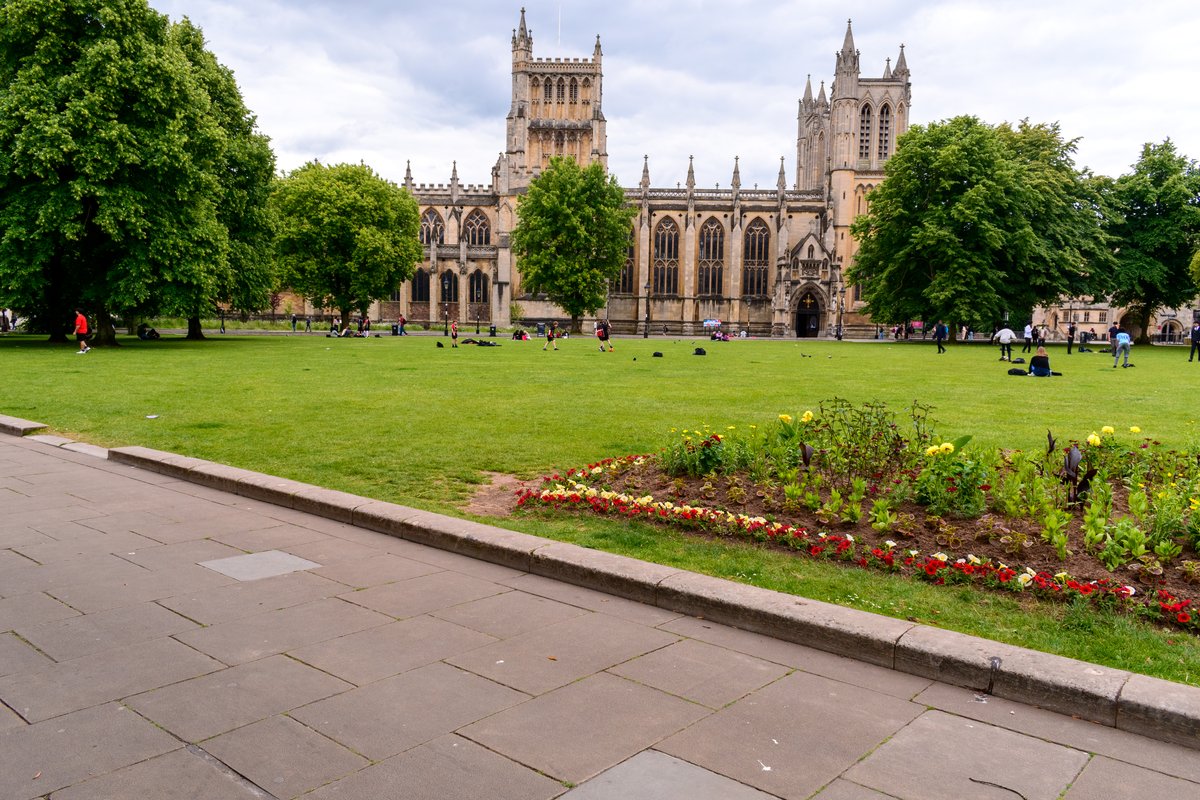
- Bristol Cathedral (0.19 miles)
- SS Great Britain
- “Well Hung Lover” Banksy mural (0.1 miles)
- Pero’s Bridge
Practical Visitor Tips
- Check Opening Status: Verify hours and any temporary closures before visiting (Bristol Post).
- Plan for 1–2 Hours: Most visitors spend 60–120 minutes exploring.
- Photography: Non-flash photography is allowed; check restrictions for special exhibitions.
- Accessibility: Wear comfortable shoes due to stairs and historic flooring.
- Family Friendly: Suitable for children, but supervision is advised due to delicate furnishings.
COVID-19 and Temporary Closures
While most COVID-19 restrictions have lifted, check the official website for any updated health and safety protocols.
FAQs
Q: What are the Georgian House Museum’s visiting hours?
A: Typically open April–October, Tuesday–Sunday, 10:00 AM–5:00 PM. Closed in winter months; verify current hours online.
Q: Is there an admission fee?
A: Admission is free; donations are encouraged.
Q: Is the museum accessible for wheelchair users?
A: Limited access due to historic staircases and no lift. Contact in advance for details.
Q: Are guided tours available?
A: Yes, both scheduled and self-guided options, including audio guides.
Q: Where can I park nearby?
A: Limited on-street parking; several nearby public car parks. Blue Badge holders have designated spaces.
Q: Can I take photos?
A: Non-flash photography allowed; restrictions may apply in temporary exhibitions.
Q: Is there a virtual tour?
A: Yes, a 360-degree virtual tour is available (historytools.org).
Listen to the full story in the app
The whole The Georgian House,
told well.
Audio guides for 1,100+ cities across 96 countries. History, stories, and local insight — offline ready.

Verified, and shown.
Researched and written by the Audiala editorial team from historical records, architectural archives, and local expertise.
Researched from Wikidata, Wikipedia & official sources · fact-checked · How we make our guides →