Plan and listen to The Clifton Spa Pump Room with Audiala.
Audio guide in your pocket, itinerary in your browser. Built for the way you actually visit.
Introduction
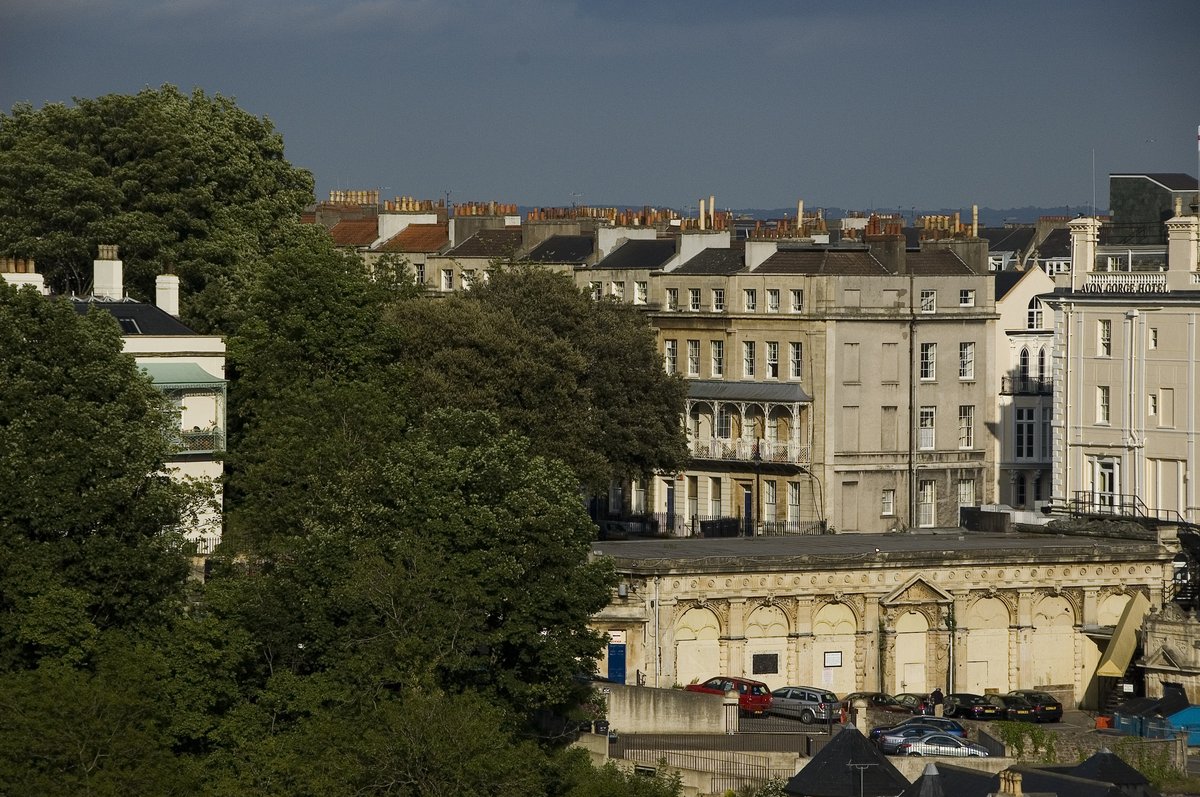
Nestled within the dramatic landscape of the Avon Gorge, the Clifton Spa Pump Room stands as one of Bristol’s most evocative historic landmarks. Once a thriving 18th-century spa resort and vibrant social hub, the site is renowned for its unique blend of natural beauty, architectural grandeur, and storied past. This guide offers a comprehensive overview of the Clifton Spa Pump Room—delving into its origins, architectural and cultural importance, visitor information, accessibility, travel tips, special events, and the best ways to experience its enduring allure. Whether you’re a heritage enthusiast, architecture aficionado, or first-time visitor to Bristol, this article will help you plan an enriching visit and explore this gem of British spa history (Visit Bristol, Building History, Cotswold Archaeology, 2010).

Early Origins and Natural Setting
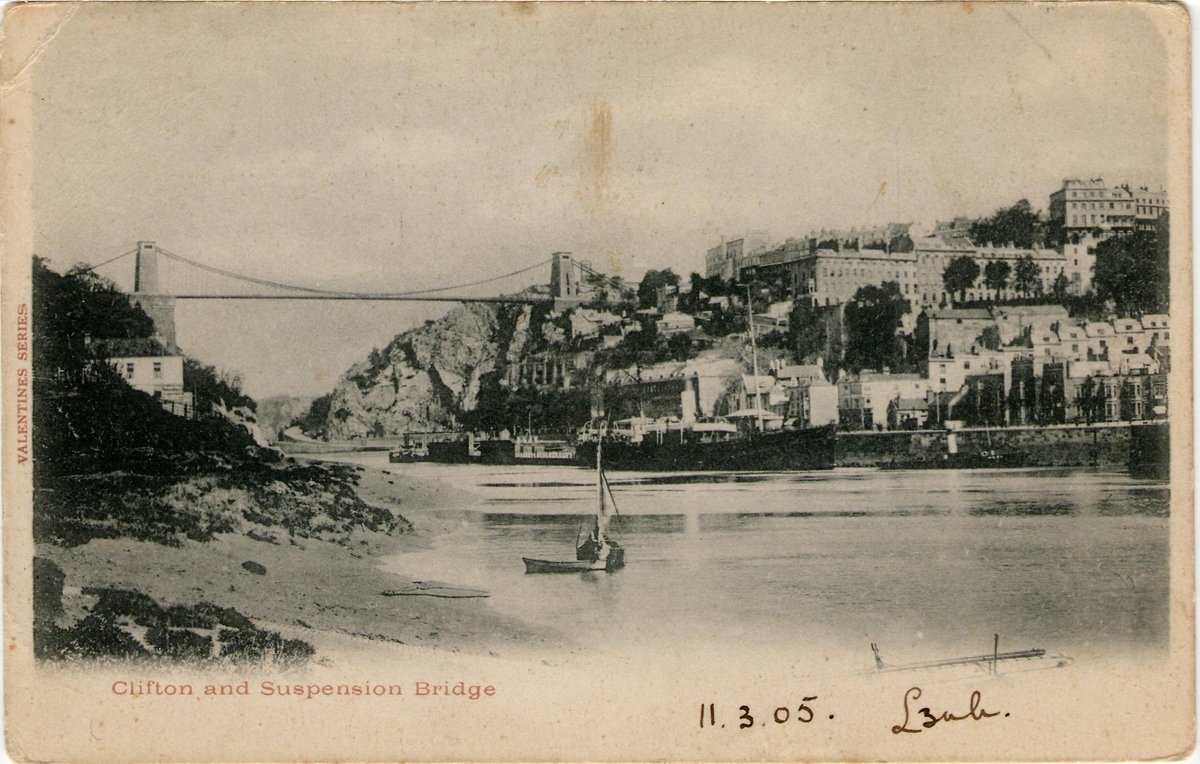
The story of the Clifton Spa Pump Room is deeply connected to the unique geology of the Avon Gorge and its mineral-rich warm springs, known as the Hotwells. In the 17th century, the emergence of these springs beneath St Vincent’s Rocks drew the attention of those seeking health cures. The original spa site was accessed via steep riverside steps or a carriage road added in 1662, and a second spring—the New Hotwell—was discovered in the 18th century, further boosting interest (Bristol Fandom; Building History).
Rise as a Spa Resort
17th and 18th Century Growth
By the late 1600s, the Hotwells had become a destination for invalids seeking treatments for consumption (tuberculosis) and other ailments. In 1695, the Bristol Society of Merchant Venturers leased the spring, enclosing it and building the original Hotwell House, which included a pump room and guest lodgings (Building History; Bristol Fandom).
During the 18th century, the area flourished as a fashionable resort rivaling Bath, complete with ballrooms, assembly rooms, and pleasure gardens. The Prince Street Assembly Rooms, opened in 1755, became central to Bristol’s social scene, hosting balls, public breakfasts, and promenades for the city’s elite (Osborne House).
Social and Medical Significance
The Pump Room was not just a place of healing, but also a vibrant social hub where gentry, nobility, and literary figures mingled. Weekly events, elegant Georgian terraces, and the romantic setting attracted the likes of Fanny Burney and John Wesley (Building History; Bristol Fandom). While the mineral waters were believed to offer cures, scientific evidence was limited, and the spa’s popularity waned by the late 18th century due to new medical advances, accessibility issues, and changing social trends (Building History).
19th-Century Transformations
In 1822, the original Hotwell House was demolished to make way for road improvements. A new Pump Room and baths were constructed, but the site never regained its former status. The spring itself was lost during river widening in 1867. However, the late 19th century saw the emergence of new landmarks such as the Colonnade (1786), the Clifton Rocks Railway (1893), and the Clifton Grand Spa and Hydro Hotel (1898), all contributing to the area’s architectural legacy (Building History; Osborne House).
Visiting Today: Hours, Tickets, and Access
Visiting Hours and Tickets
The original Pump Room is no longer a functioning spa and is not open for regular public visits. Access is generally limited to special occasions, most notably during Bristol Open Doors Days, when the building is open for guided tours and educational events (Map Your Bristol; Bristol Open Doors). Check the Bristol Open Doors site for up-to-date visiting hours and booking details.
- Admission: Usually free during open days, but pre-booking is required due to limited capacity.
- Guided Tours: Available on special events; advance booking is recommended.
Accessibility
As a historic building, the Pump Room has uneven ground, steps, and no modern lifts or ramps. Some interior areas may be difficult to access for visitors with mobility challenges. It is advisable to contact event organizers ahead of time to discuss accessibility needs.
Travel Tips and Nearby Attractions
- Getting There: Located on Princes Lane, Clifton, the site is best reached by public transport. Bus routes serve Clifton Village, and Clifton Down Station is about a 20-minute walk away.
- Parking: Limited parking; visitors are encouraged to walk or use public transport.
- Nearby Attractions:
- Clifton Suspension Bridge: Iconic Victorian bridge with stunning views over the gorge.
- Clifton Village: Renowned for its Georgian architecture, independent shops, and cafes.
- Clifton Rocks Railway: Adjacent to the Pump Room, often open during heritage events.
- Bristol Lido: A restored Victorian spa and pool (Visit Bristol).
- Brandon Hill and Cabot Tower: Offers panoramic city views (What's Dave Doing).
Special Events and Guided Tours
The Clifton Spa Pump Room participates in community events, including lectures, heritage talks, and art installations, primarily during the annual Bristol Open Doors festival. These events provide a rare chance to explore the interior and learn directly from volunteer guides and local historians.
Photographic Spots
Photography is encouraged during open days for personal use, though flash and tripods are restricted. The building’s classical façade, interior detailing, and Avon Gorge views offer excellent photographic opportunities. For commercial photography, prior permission is required.
Frequently Asked Questions (FAQ)
Q: When can I visit the Clifton Spa Pump Room?
A: The site is open to the public only during special events like Bristol Open Doors. Check official listings for dates.
Q: Is there an entry fee?
A: Entry is generally free during open days, but pre-booking is required.
Q: Is the building accessible?
A: Access is limited due to steps and uneven surfaces. Contact organizers for specific information.
Q: Are guided tours available?
A: Yes, usually during heritage events. Booking ahead is advised.
Q: Can I take photos inside?
A: Personal photography is allowed except during restricted events; no flash or tripods.
Q: What are the nearby attractions?
A: The Suspension Bridge, Clifton Village, Clifton Rocks Railway, Bristol Lido, and Brandon Hill.
Listen to the full story in the app
The whole The Clifton Spa Pump Room,
told well.
Audio guides for 1,100+ cities across 96 countries. History, stories, and local insight — offline ready.
Verified, and shown.
Researched and written by the Audiala editorial team from historical records, architectural archives, and local expertise.
Researched from Wikidata, Wikipedia & official sources · fact-checked · How we make our guides →