Plan and listen to Sunnymead with Audiala.
Audio guide in your pocket, itinerary in your browser. Built for the way you actually visit.
Introduction
Nestled in the vibrant cityscape of Bristol, Sunnymead offers a tranquil residential base with unrivaled access to some of England’s most historically significant and culturally dynamic attractions. While Sunnymead itself is a quiet suburb, its strategic location near Keynsham and the heart of Bristol puts visitors in close proximity to a wealth of renowned landmarks, architectural wonders, and celebrated festivals. This comprehensive guide provides detailed information about Sunnymead, including local insights, practical visitor tips, and an exploration of the surrounding historical and cultural sites—making it an invaluable resource for both first-time visitors and seasoned travelers.
Bristol’s layered history stretches from its Anglo-Saxon origins and medieval mercantile power to its pivotal role in the Industrial Revolution and maritime trade. Today, the city is famed for its preserved historic sites, innovative engineering marvels by Isambard Kingdom Brunel, and a thriving cultural scene that includes world-class street art, diverse culinary experiences, and internationally recognized festivals (Historic England, VisitBritain).
Whether your interests lie in exploring centuries-old landmarks, indulging in vibrant local culture, or enjoying outdoor adventures, this guide delivers essential information and practical tips to help you make the most of your visit to Sunnymead and the wider Bristol area.
Sunnymead is a residential area within the BS31 postcode, adjacent to Keynsham and situated between the cities of Bristol and Bath. Developed predominantly after World War II, Sunnymead reflects the era’s suburban expansion and offers a peaceful environment away from the bustle of central Bristol (Rightmove). While it lacks major tourist attractions, its position makes it an ideal starting point for exploring the region’s historical, cultural, and natural highlights.
A significant local landmark is Sunnymead Manor, a care facility that has played a key role in community life. The Manor’s history and ongoing redevelopment reflect broader trends in Bristol’s urban and social evolution, including a strong tradition of civic engagement and support for vulnerable populations (Bristol Post).
Bristol’s Historical Evolution
Early Origins and Medieval Growth
Bristol’s roots stretch back to its Anglo-Saxon foundation as “Brycgstow”—“the place at the bridge.” By the 11th century, it had grown into a central medieval town, with its prosperity owing much to its strategic location on the River Avon and early port (Historic England). Visitors can still explore medieval street patterns and timber-framed buildings that shape the Old City.
Maritime and Industrial Significance
From the 12th century onward, Bristol’s port facilitated the city’s emergence as a major center of trade and industry. The 17th and 18th centuries brought both prosperity and controversy—Bristol was heavily involved in trade, including the transatlantic slave trade, a history explored in local museums and exhibitions. The construction of the Floating Harbour in 1809, designed by William Jessop and improved by Isambard Kingdom Brunel, marked a turning point in maritime engineering (Adventures of Alice).
Victorian and Modern Expansion
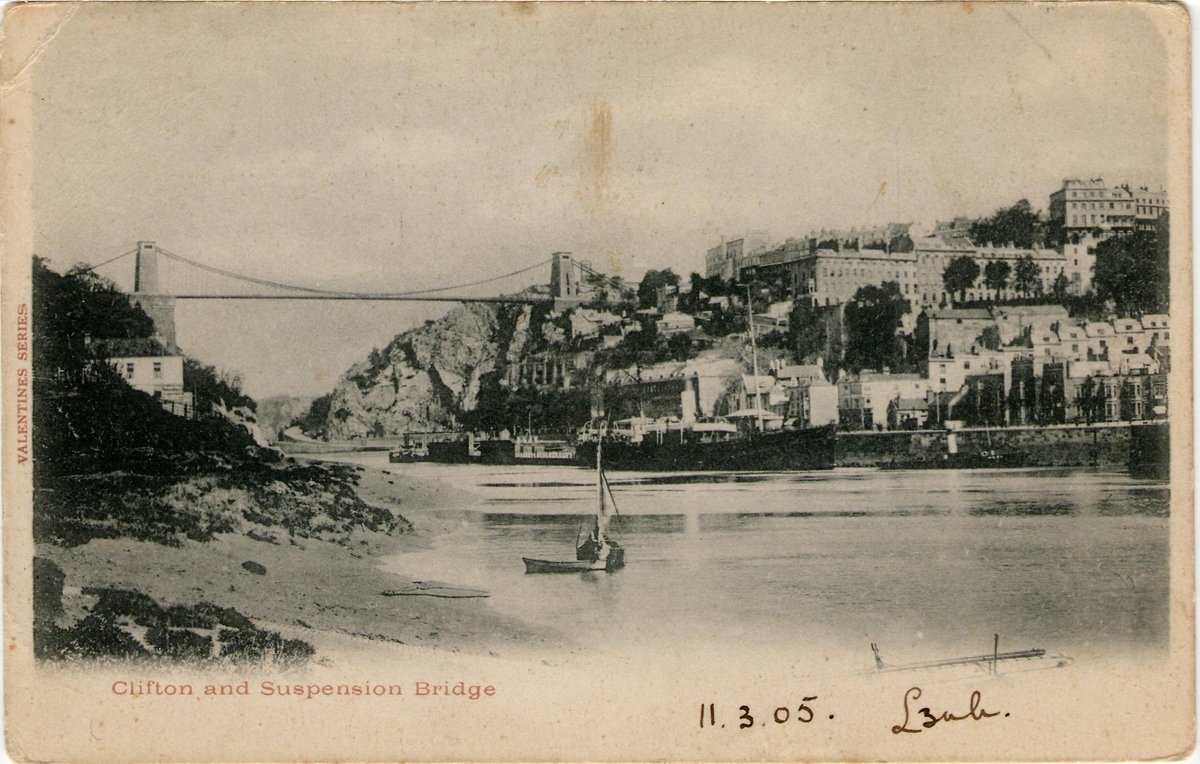
The Victorian era saw Bristol flourish through ambitious engineering and urban growth, epitomized by the Clifton Suspension Bridge (completed 1864) and the SS Great Britain (launched 1843). Both were the work of Brunel and remain major visitor attractions (VisitBritain). After World War II, residential areas like Sunnymead emerged as Bristol rebuilt and expanded (Visit Bristol).
Key Historical Sites Near Sunnymead
1. Clifton Suspension Bridge
An enduring symbol of Bristol, this engineering marvel spans the Avon Gorge, offering panoramic views and a testament to Brunel’s genius.
- Visiting Hours: Open to pedestrians and vehicles 24/7.
- Tickets: Pedestrian access is free; guided tours are ticketed.
- Visitor Centre: 10 AM–5 PM daily (Clifton Suspension Bridge Official Site)
2. SS Great Britain
The world’s first great ocean liner, now fully restored and moored in the Floating Harbour.
- Visiting Hours: Typically 10 AM–5 PM.
- Tickets: Required; advance online booking recommended (VisitBritain)
3. Ashton Court Estate
A sprawling 850-acre park with historic mansion, deer park, and recreation trails.
- Visiting Hours: Open daily from 7:30 AM until dusk.
- Tickets: Free entry to grounds; parking charges; events may require tickets (Visit Bristol)
4. St Nicholas Market
A bustling market since 1743, offering food, crafts, and local goods.
- Hours: Open daily; no entrance fee.
- Highlights: Diverse cuisine, independent traders (VisitBritain)
5. M Shed Museum
A modern museum chronicling Bristol’s industrial and social history.
- Hours: Wednesday–Sunday, check for seasonal changes.
- Tickets: Free entry; donations encouraged (History Hit)
Top Attractions and Visitor Information
Outdoor and Family-Friendly Attractions
- Bristol and Bath Railway Path: 13-mile scenic cycle and walking route (Sustrans)
- Bristol Zoo Project: Conservation wildlife park; tickets required.
- We The Curious: Interactive science center; tickets required.
- Bristol Aquarium: Underwater exhibits; admission fees apply.
Sports and Events
- Ashton Gate Stadium: Home to Bristol City FC and Bristol Bears Rugby; tickets for matches and events (Visit Bristol)
Harbourside and Wapping Wharf
- Dining and Shopping: Extensive food halls, independent shops, and innovative eateries. Open daily.
Cultural Highlights and Annual Events
- Street Art: See world-famous Banksy works on guided tours.
- Annual Festivals: Bristol International Balloon Fiesta (August, free entry), Harbour Festival, Upfest (Europe’s largest street art festival), and more (Visit Bristol).
- Museums & Galleries: M Shed, Bristol Museum & Art Gallery, Arnolfini.
Practical Travel Tips
Getting Around
- Public Transport: Sunnymead and Keynsham are served by regular buses and trains connecting to Bristol and Bath.
- Cycling/Walking: Dedicated paths make active travel easy.
- Parking: Limited in residential areas; recommended to use public transport (Bristol City Council).
Accessibility
Most attractions provide ramps, accessible toilets, and access guides. Check individual sites for details (Visit Bristol accessibility).
Accommodation
Options range from countryside B&Bs in Keynsham to boutique hotels in Bristol city centre (Rightmove).
Dining
Don’t miss St Nicholas Market, Wapping Wharf, and local pubs in Long Ashton for a taste of Bristol’s diverse cuisine.
Best Time to Visit
Summer (June–August) for festivals, spring and autumn for mild weather and fewer crowds (Adventures of Alice).
Frequently Asked Questions (FAQ)
Q: Does Sunnymead have specific visiting hours or attractions?
A: Sunnymead is primarily residential and has no ticketed attractions. Its proximity to Bristol’s top sites makes it a convenient base.
Q: Are tickets needed for historical sites?
A: Yes, for sites like SS Great Britain and M Shed. Others, like the Clifton Suspension Bridge and St Nicholas Market, are free to visit.
Q: How do I travel between Sunnymead and Bristol city centre?
A: Regular buses and trains via Keynsham, as well as cycling routes and local roads.
Q: Is Sunnymead accessible for visitors with disabilities?
A: Yes, the area and many attractions provide accessible facilities.
Q: When is the best time to visit for events?
A: Summer for festivals, but spring and autumn are also pleasant with fewer tourists.
Discover More
Sunnymead, while not a traditional tourist hotspot, offers a peaceful and well-connected base for discovering Bristol’s remarkable historical and cultural offerings. From the engineering marvel of the Clifton Suspension Bridge to the lively markets, museums, and scenic outdoor spaces, the area is perfect for travelers seeking both relaxation and adventure.
To enhance your visit, download the Audiala app for guided tours, itineraries, and event updates. Connect with us on social media for the latest travel tips, and explore our related articles for a deeper dive into Bristol’s rich heritage.
Listen to the full story in the app
The whole Sunnymead,
told well.
Audio guides for 1,100+ cities across 96 countries. History, stories, and local insight — offline ready.

Verified, and shown.
Researched and written by the Audiala editorial team from historical records, architectural archives, and local expertise.
Researched from Wikidata, Wikipedia & official sources · fact-checked · How we make our guides →