Plan and listen to Monarch'S Way with Audiala.
Audio guide in your pocket, itinerary in your browser. Built for the way you actually visit.
Introduction
Monarch’s Way in Bristol, United Kingdom, is a richly historic and scenic long-distance footpath that retraces King Charles II’s dramatic escape after the Battle of Worcester in 1651. This iconic trail, spanning over 600 miles across England, offers a unique blend of royal history, urban culture, and natural beauty—especially pronounced in the Bristol section. Whether you are a history enthusiast, nature lover, or casual walker, Monarch’s Way provides diverse experiences, from sweeping views over Avon Gorge to tranquil woodland strolls and vibrant city landmarks.
This guide offers a comprehensive overview of Monarch’s Way in Bristol, detailing historical context, key route information, notable landmarks, accessibility, visitor tips, and practical travel advice. For further planning, explore resources such as GPS Cycle and Walking Routes, Komoot Monarch’s Way Collection, and Visit Bristol.
Historical Background of Monarch’s Way
The Royal Escape of 1651
Monarch’s Way follows the route taken by King Charles II after his defeat at the Battle of Worcester, a pivotal moment concluding the English Civil War. Hunted by Parliamentary forces and with a bounty on his head, Charles II evaded capture for six weeks before escaping to France. The path is named in honor of this perilous journey; its waymarks feature the ship “The Surprise,” the Prince of Wales crown, and the Royal Oak—symbols recalling the king’s legendary flight (GPS Cycle and Walking Routes).
Historical Significance in the Bristol Region
While Charles II did not pass directly through Bristol itself, the trail’s route through the Bristol area highlights the region’s strategic 17th-century importance. Bristol was a Royalist stronghold and major port, and its surrounding hills, valleys, and villages—such as Abbots Leigh, Keynsham, and the Avon Gorge—mirror the types of landscapes that shaped the escape. Historic sites like the George Inn at Abbots Leigh evoke the atmosphere of secrecy and support critical to the royal journey (GPS Cycle and Walking Routes).
Monarch’s Way Bristol: Visiting Hours and Tickets
- Trail Access: Monarch’s Way is a public footpath open year-round, 24/7, with no entry fees or tickets required.
- Nature Reserves and Attractions: While the path itself is always accessible, certain reserves and attractions along the route have specific opening hours:
- Abbots Pool Nature Reserve: Open dawn to dusk, free entry.
- Clifton Suspension Bridge Visitor Centre: Open daily, 10:00 AM–5:00 PM; free admission, parking fees may apply.
- Historic Pubs (e.g., George Inn at Abbots Leigh): Check individual websites for opening times.
- Best Visiting Times: Late spring through autumn offers longer days and milder weather, ideal for walking and photography (Visit Bristol).
Key Stages in the Bristol Area
Monarch’s Way in Bristol acts as a transition between the Cotswolds and the Mendip Hills (Komoot Monarch’s Way Collection). Major stages include:
- Chipping Sodbury to Keynsham: A 16.2-mile stretch with rolling countryside, wildlife habitats, and historic market towns.
- Keynsham to Bristol: 11.6 miles through urban parks, riverside paths, and historic neighborhoods.
- Bristol to Winford: 11.1 miles transitioning from city to rural landscapes, rising into the North Somerset countryside.
Notable Sights and Landmarks
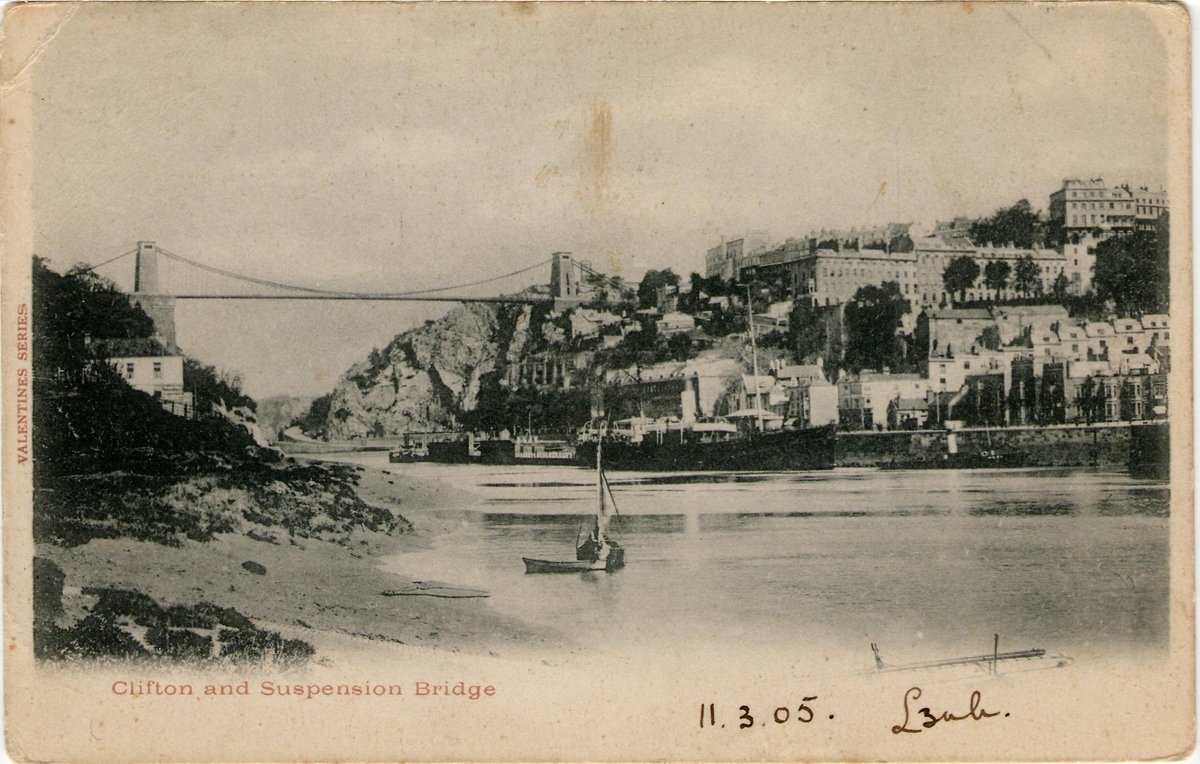
- Avon Gorge & Clifton Suspension Bridge: Spectacular natural and engineering landmarks.
- Leigh Woods National Nature Reserve: Ancient woodland with panoramic views.
- Golden Valley Local Nature Reserve: Diverse flora and fauna, especially vibrant in spring.
- Abbots Pool: A medieval pool set in tranquil woodland.
- Historic Villages: Keynsham, Abbots Leigh, and Winford, each with unique heritage sites and local amenities.
- Cabot Tower & Castle Park: City-center highlights with historical and scenic value (Visit Bristol).
Terrain and Accessibility
- Urban Sections: Pavements, city parks, and riverside trails; suitable for most walkers.
- Rural Sections: Woodland, field edges, and moderate hills; some parts can be muddy or uneven, especially after rain (Mendip Hills National Landscape).
- Accessibility: Some urban stretches are accessible for wheelchairs and those with limited mobility, but many rural areas involve steps, stiles, and gradients. Consult route maps or Komoot for detailed accessibility info.
Accessibility, Facilities, and Guided Walks
- Facilities: Cafés, pubs, and shops are available in towns and villages like Keynsham and Abbots Leigh. Public toilets are located in parks and nature reserve car parks.
- Transport: Bristol is served by train stations (Keynsham, Bristol Temple Meads) and local bus routes, facilitating easy access to trailheads.
- Guided Walks: Groups such as the Bristol Ramblers and the Monarch’s Way Association periodically offer guided tours and heritage walks.
- Apps and Maps: Use digital navigation tools like Komoot, Outdoors West, and Go Jauntly for route planning and on-the-go guidance.
Practical Visitor Information and Travel Tips
- Footwear: Sturdy, waterproof shoes recommended—especially for woodland or muddy sections.
- Refreshments: Plan stops at local pubs, cafés, or bring a picnic; rural stretches have limited facilities.
- Seasonal Advice: Spring and autumn offer wildflowers and colorful foliage; check for muddy paths after rain.
- Parking: Available at Leigh Woods, Keynsham, and designated lay-bys.
- Dogs: Allowed, but must be under control near livestock and in nature reserves.
Frequently Asked Questions (FAQ)
Q: Is Monarch’s Way open year-round?
A: Yes, the trail is accessible 24/7, all year. Some parks and attractions have set opening hours.
Q: Are tickets required?
A: No tickets for the path; individual attractions may charge entry fees.
Q: Is the route suitable for beginners?
A: Urban stretches are easy; rural sections can be moderately challenging—plan according to your fitness level.
Q: Are guided walks available?
A: Yes. Check with groups like the Bristol Ramblers and the Monarch’s Way Association for upcoming tours.
Q: How can I access the trail by public transport?
A: Use train stations at Keynsham and Bristol Temple Meads; buses connect key points along the route.
Trail Etiquette, Safety, and Sustainability
- Leave No Trace: Carry out all litter; respect nature and wildlife.
- Stay on Marked Paths: Protect habitats and private land.
- Dogs: Clean up after pets; keep them leashed around livestock.
- Weather Preparedness: Check forecasts; bring waterproofs and extra layers.
- Navigation: Use up-to-date maps or GPS, as some waymarks may be missing.
- Respect Local Communities: Support village shops and be courteous in residential areas.
- Safety: Inform someone of your route, carry a charged phone, and pack water and snacks.
Summary and Final Tips
Monarch’s Way in Bristol offers a rewarding journey through royal history, diverse natural landscapes, and vibrant urban culture. The trail’s year-round accessibility, well-marked paths, and frequent amenities make it an excellent choice for walkers of all abilities. Explore the dramatic Avon Gorge, historic sites, and tranquil reserves—then relax in local cafés or enjoy a guided tour.
For the best experience, plan your route with digital maps, check for seasonal highlights, and respect safety, etiquette, and sustainability guidelines. Stay informed by following official channels and downloading useful apps like Audiala.
Begin your adventure on Monarch’s Way in Bristol to experience a captivating mix of heritage, scenery, and community spirit that defines this iconic English trail.
Listen to the full story in the app
The whole Monarch'S Way,
told well.
Audio guides for 1,100+ cities across 96 countries. History, stories, and local insight — offline ready.

Verified, and shown.
Researched and written by the Audiala editorial team from historical records, architectural archives, and local expertise.
Researched from Wikidata, Wikipedia & official sources · fact-checked · How we make our guides →