Plan and listen to Goldney Hall Grotto with Audiala.
Audio guide in your pocket, itinerary in your browser. Built for the way you actually visit.
Introduction
Nestled in the picturesque Clifton area of Bristol, United Kingdom, Goldney Hall Grotto is an exceptional example of 18th-century garden architecture. Renowned for its intricate shellwork, embedded local quartz crystals known as “Bristol diamonds,” and its rare functioning water feature, the grotto offers a captivating journey through Georgian-era artistry, engineering, and horticulture. Constructed over nearly three decades by Thomas Goldney III, a prominent Quaker merchant and banker, the site reflects Enlightenment curiosity and the aesthetic values of its time (ConnollyCove).
Goldney Hall Grotto, together with its surrounding gardens, Orangery, ornamental canal, and classical follies, forms a Grade I listed estate of national importance. Today, visitors can explore the grotto through guided tours, gaining insight into its historical significance, unique materials, and ongoing conservation efforts. This guide provides essential information on visiting hours, ticketing, accessibility, and tips for making the most of your visit, as well as a comprehensive look at the estate’s history and features.

Discovering Goldney Hall Grotto: Bristol’s Hidden Gem
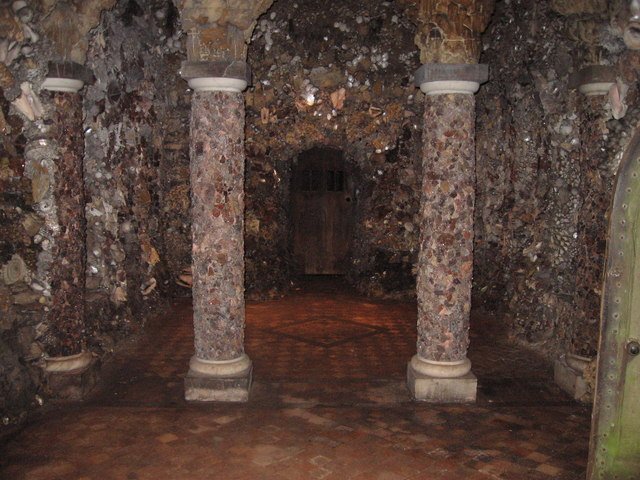
Goldney Hall Grotto is celebrated as one of Britain’s most enchanting and best-preserved ornamental grottos. Its three elaborately decorated chambers, adorned with over 200,000 shells, fossils, coral, and semi-precious stones, transport visitors into the playful and ornate world of the Rococo period (Bristol University PDF). The site’s unique combination of local and imported materials, coupled with rare engineering like its running water feature, ensures a truly memorable experience for history enthusiasts and garden lovers alike (Bristol Museums).
History and Construction
Origins and Development
The construction of Goldney Hall Grotto began in the early 18th century, initiated by Thomas Goldney III, who inherited the estate from his father, Thomas Goldney II, in 1731. The grotto project spanned approximately 27 years, reflecting the family’s ambition and resources, and allowed for the collection of rare materials from global trade networks (ConnollyCove; Bristol University PDF).
Architectural Features and Materials
Goldney Hall Grotto is a Grade I listed building comprising three interlinked chambers separated by pillars encrusted with “Bristol diamonds” from the Avon Gorge. The walls and ceilings are adorned with shells sourced from the Caribbean and Mediterranean, fossils, coral, and semi-precious stones, all arranged in intricate Rococo patterns (ConnollyCove).
A notable feature is the running water system, a marvel of 18th-century engineering, which channels rainwater into fountains and pools within the grotto. The central chamber features a large plaster lion, while the eastern chamber displays a river god with water flowing into a pool (Bristol University PDF).
The Grotto in 18th-Century Garden Design
Grottos were fashionable in the 18th century as symbols of wealth and intellectual curiosity, often inspired by classical and Renaissance traditions. Goldney Hall Grotto’s Rococo style, naturalistic and fantastical elements, and use of local materials make it a unique British example (ConnollyCove).
Visiting Goldney Hall Grotto: Practical Information
Visiting Hours and Tickets
- Opening Season: Typically April to October, with most tours running 10:00 AM–5:00 PM, Wednesday to Sunday. Visiting hours are subject to change—always check the University of Bristol’s official page for current details.
- Tickets: Entry is by ticket only, with advance booking required due to limited tour sizes. Discounts may be available for students, seniors, and children. Group rates and private bookings can be arranged.
Guided Tours and Educational Programs
Tours are led by knowledgeable guides who explain the grotto’s history, architectural features, and conservation. Educational programs for schools and special interest groups are available on request (CityDays).
Accessibility
Due to the grotto’s subterranean design, access is via steps and paths that may be uneven or steep. Wheelchair access is not available inside the grotto, but many parts of the gardens are accessible. Visitors with mobility concerns should inquire ahead (AccessAble Goldney Hall Guide).
Getting There and Nearby Attractions
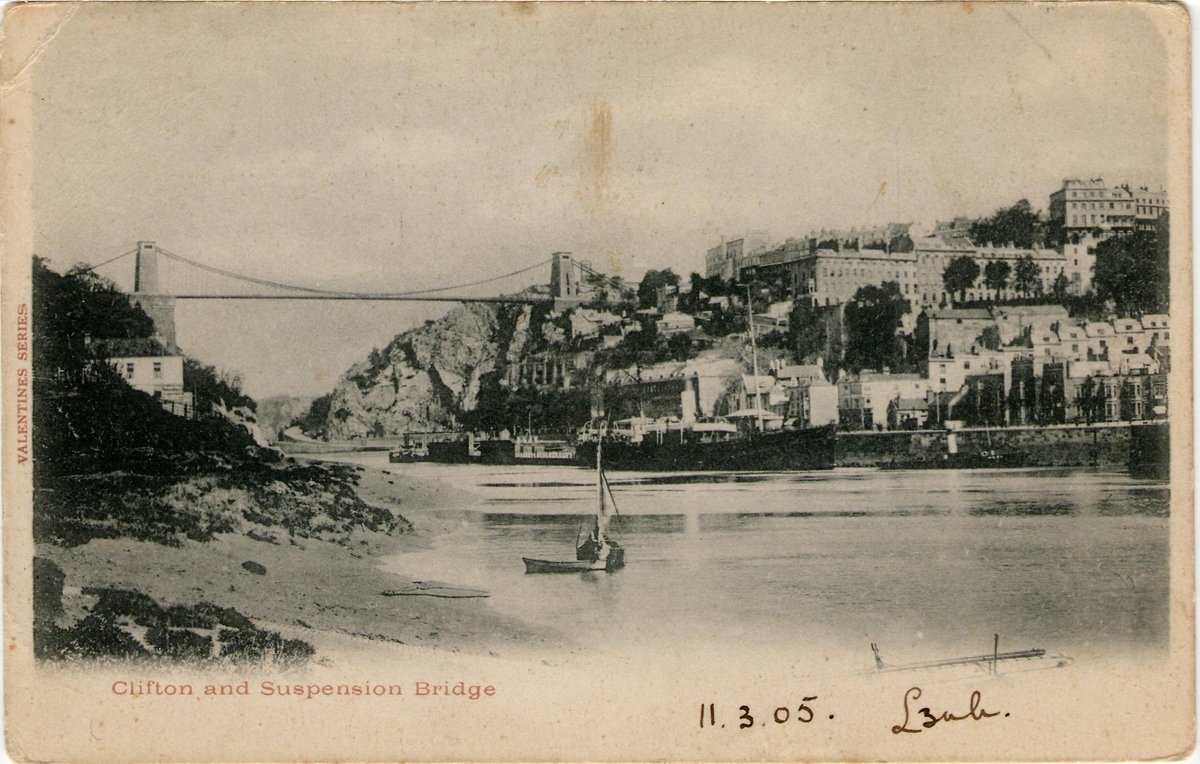
Goldney Hall is located at Lower Clifton Hill, Bristol, BS8 1BH, easily accessible by public transport or car. Attractions nearby include the Clifton Suspension Bridge, Bristol Zoo Gardens, and the historic Clifton Village.
Garden and Estate Highlights
The Orangery and Rotunda
The Orangery, adjacent to the main house, is a light-filled venue with panoramic garden views, often used for events (Bristol University Venues). The Rotunda, a classical circular structure, adds further elegance to the estate.
Ornamental Canal, Heritage Orchard, and Follies
The ornamental canal, heritage orchard, and features like the Gothic water tower and octagonal belvedere contribute to the gardens’ tranquil and romantic atmosphere (Quaker Garden Trail). The gardens support a rich variety of wildlife and seasonal plantings.
Bastion, Tower, and Corinthian Columns
Historic structures such as the bastion and the tower—once housing the steam engine for the grotto’s water system—along with classical Corinthian columns, punctuate the landscape.
Preservation and Historical Significance
Goldney Hall Grotto’s Grade I status highlights its rarity and national importance. Conservation efforts by the University of Bristol and heritage professionals include climate monitoring and non-invasive cleaning to protect delicate surfaces (University of Bristol; Historic England).
Visitor Experience
Visitors are immersed in a multisensory environment—subdued lighting, sounds of running water, and dazzling shellwork. Photography is generally permitted for personal use, but touching decorations is discouraged to aid preservation. Interpretive materials and digital guides enhance understanding.
Booking and Private Events
Goldney Hall and its gardens are available for private hire, including weddings, functions, and group tours (up to 10 people in the grotto). Private bookings should be made well in advance and are subject to weather and conservation requirements (CityDays).
Notable Appearances and Cultural Impact
Goldney Hall has served as a filming location, most famously in the BBC series “Sherlock” as the wedding venue for John Watson and Mary Morstan, contributing to its status as a Bristol cultural landmark (Botany Karen).
Visitor Guidelines
- Take litter home and respect plantings.
- Dogs must be kept on leads.
- Supervise children.
- No fires, barbecues, camping, or skating.
- Commercial photography requires permission.
FAQs
What are the visiting hours for Goldney Hall Grotto?
Tours usually run April–October, but hours vary; always confirm on the official website.
How do I book tickets?
Tickets must be booked in advance online or via authorized event partners. Group bookings are available.
Is the grotto accessible for wheelchairs?
No. Due to steps and historic terrain, the grotto is not wheelchair accessible, though much of the garden is.
Are guided tours available?
Yes, all access is by guided tour. Private group tours may also be arranged.
Can I take photographs?
Photography for personal use is allowed; commercial use requires prior permission.
Practical Tips for Visiting
- Book tours early—spaces are limited and fill quickly, especially in peak season.
- Wear comfortable shoes and bring suitable outdoor clothing.
- Bring a small torch for additional lighting inside the grotto.
- Check accessibility if you have mobility needs.
- Download the Audiala app for digital guides and additional content.
Enhance Your Visit
- Explore high-resolution images and virtual tours on the University of Bristol’s website and Bristol Museums.
- Follow our social media for updates on tours, events, and Bristol heritage news.
- For a self-guided experience, consult the Goldney Garden map.
Listen to the full story in the app
The whole Goldney Hall Grotto,
told well.
Audio guides for 1,100+ cities across 96 countries. History, stories, and local insight — offline ready.
Verified, and shown.
Researched and written by the Audiala editorial team from historical records, architectural archives, and local expertise.
Researched from Wikidata, Wikipedia & official sources · fact-checked · How we make our guides →