Introduction
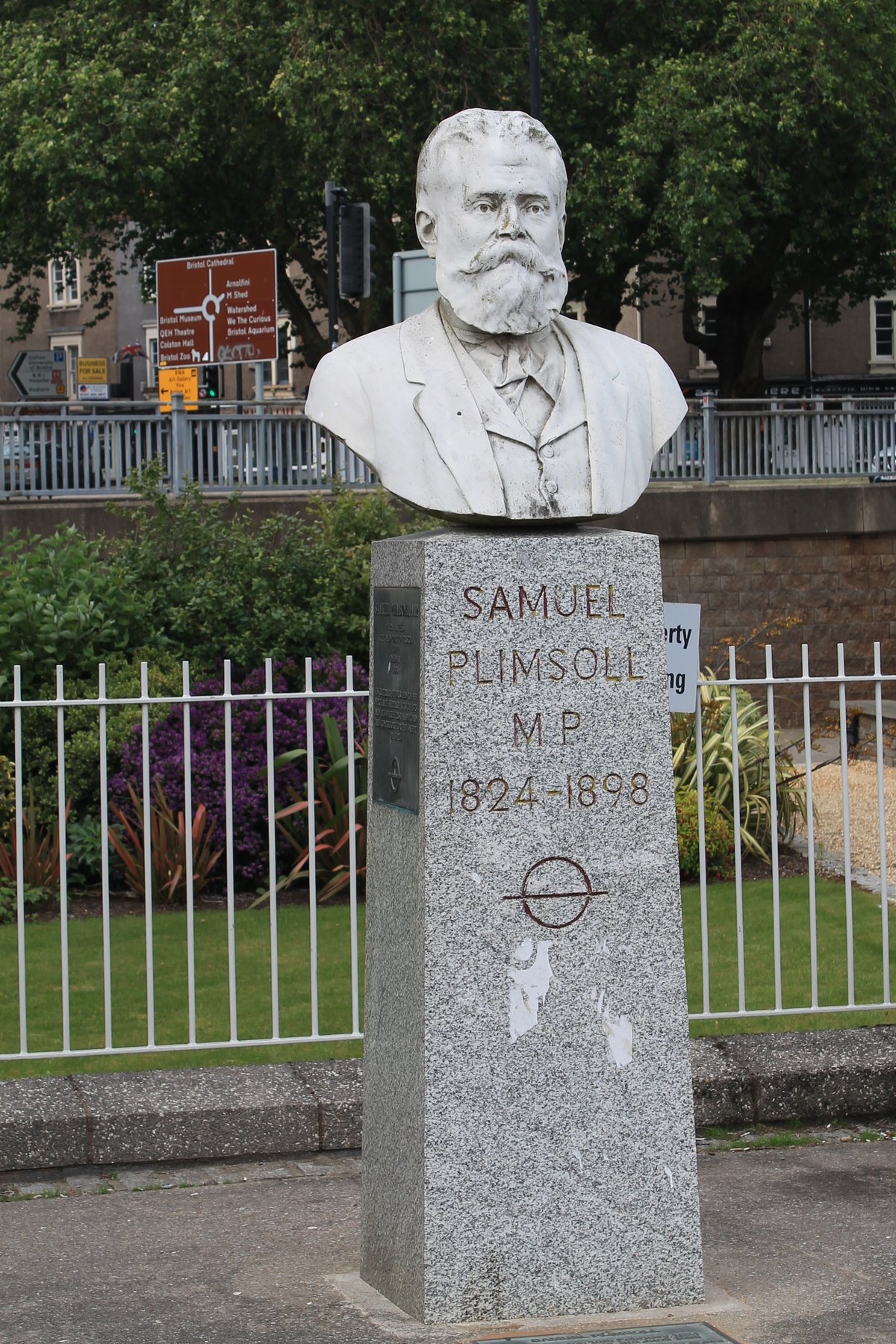
Nestled on Capricorn Quay in Bristol’s historic Harbourside, the Bust of Samuel Plimsoll stands as a powerful tribute to a man whose tireless advocacy transformed maritime safety worldwide. Samuel Plimsoll (1824–1898), a Bristol-born social reformer, is best known for championing the “Plimsoll Line”—the internationally adopted safety mark on ships that prevents overloading and has saved countless lives. This bronze memorial, freely accessible year-round, not only honours Plimsoll’s legacy but also offers visitors a window into Bristol’s rich maritime past and its role as a bustling port city (Britannica; Kingswood History Society; BBC News).
Whether you are a history enthusiast, art lover, or casual visitor, this guide provides everything you need to know—visiting hours, accessibility, nearby attractions, travel tips, and more—to make the most of your visit to this iconic Bristol landmark (Wikipedia; Geograph).
Photo Gallery
Explore Bust of Samuel Plimsoll in Pictures
Historical Background
Samuel Plimsoll: Early Life and Bristol Roots
Samuel Plimsoll was born in Colston Parade, Redcliffe, Bristol, in 1824 (Britannica; Kingswood History Society). His early experiences in Bristol—a city with a vibrant shipping industry—shaped his empathy for seafarers and inspired his later work as a reformer.
Maritime Context: 19th-Century Bristol
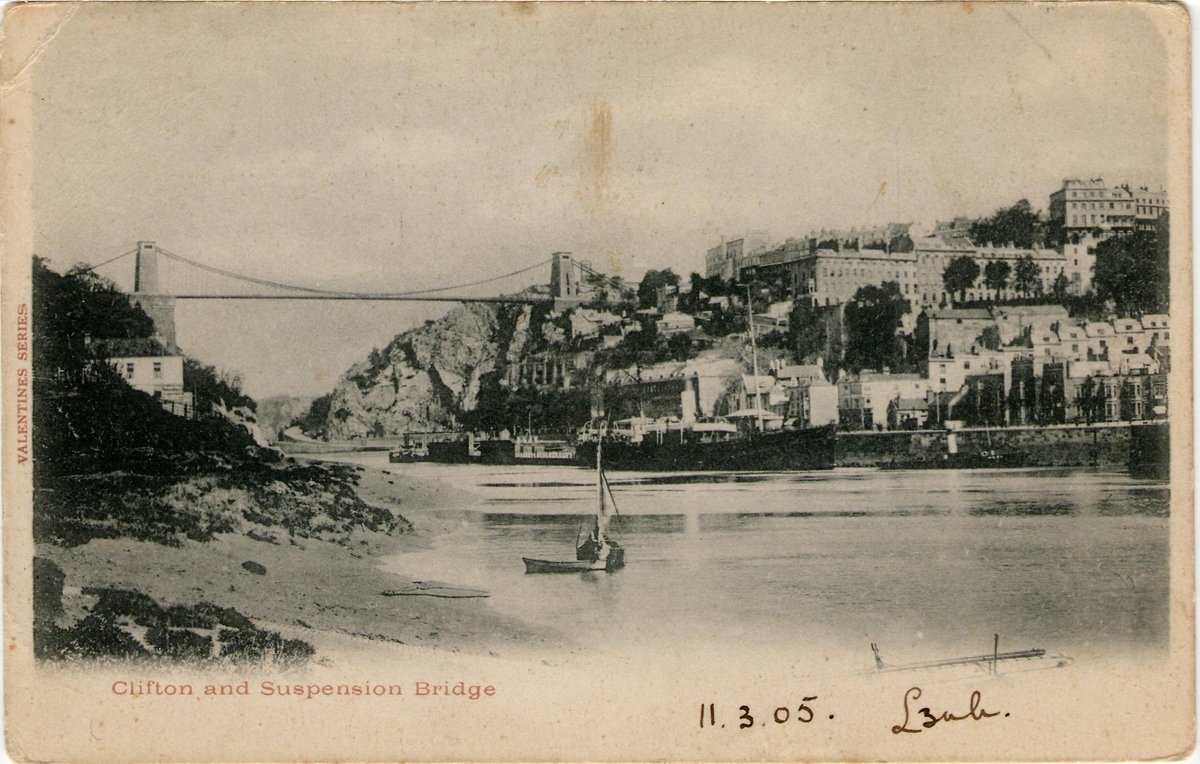
During the 1800s, Bristol was a major British port, vital for global trade and shipbuilding. However, the era was notorious for “coffin ships”—overloaded and unseaworthy vessels that posed grave risks to sailors (Britannica). Plimsoll’s campaign for safer shipping practices was born out of this hazardous context.
Plimsoll’s Campaign and the Plimsoll Line
Elected as a Liberal MP in 1868, Plimsoll vigorously advocated for maritime safety. His influential book “Our Seamen” (1872) exposed the perils faced by sailors, sparking public outcry and legislative action. The “Plimsoll Line”—a hull mark denoting a ship’s safe loading limit—became law under the Merchant Shipping Act of 1876, and was eventually adopted worldwide (Kingswood History Society; BBC News).
The Bust of Samuel Plimsoll: Location and Symbolism
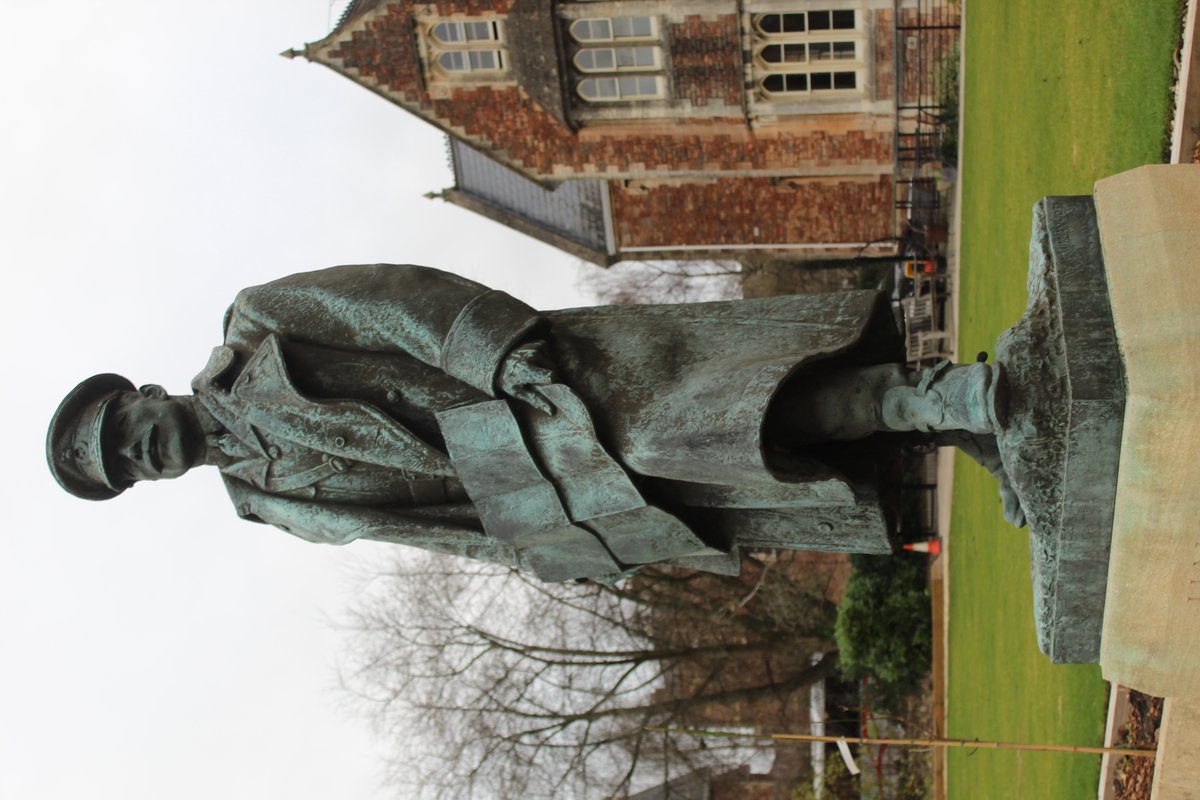
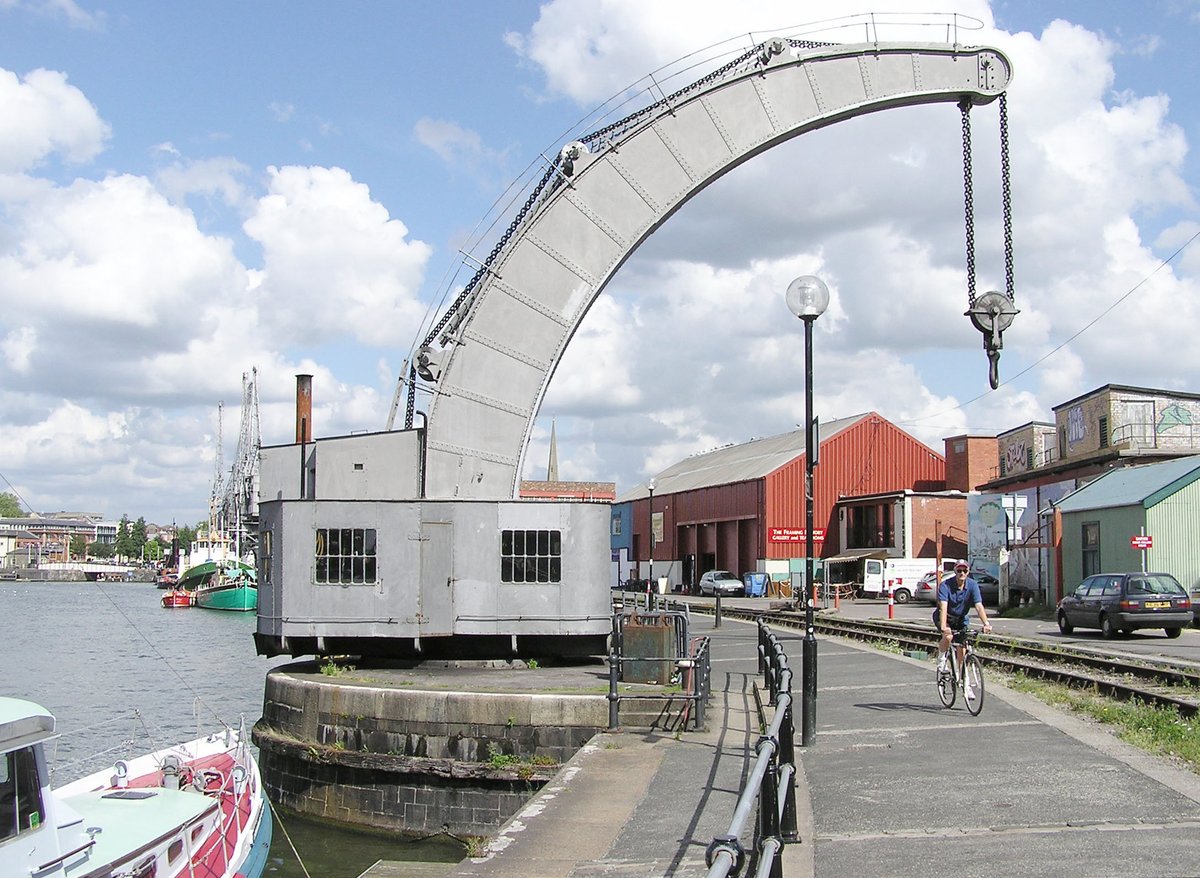
The bust is situated on Capricorn Quay in the Canons Marsh area, facing the historic SS Great Britain across Bristol’s Floating Harbour (Wikipedia; Geograph). Originally installed on Hotwell Road, it was relocated in 2010 to its current, more prominent site (BBC News). The bronze sculpture, mounted on a granite pedestal and inscribed with Plimsoll’s achievements, symbolically “oversees” the harbour, reflecting his enduring vigilance for mariner safety.
Visitor Information
Visiting Hours and Tickets
- Open: 24 hours, year-round (outdoor public monument)
- Admission: Free; no tickets required
Accessibility
- Wheelchair Access: The site is fully accessible, with paved and level walkways.
- Amenities: Benches nearby; public toilets available at the SS Great Britain and local cafes.
Getting There
- Address: Capricorn Quay, Canons Marsh, Bristol BS1 6UN, UK
- By Public Transport: Bus routes from Bristol city centre; Bristol Temple Meads Station is a 15–20 minute walk.
- By Foot/Cycle: Connected to Harbourside walking and cycling paths.
- By Car: Limited on-street parking; public car parks at Harbourside and Millennium Square.
Nearby Attractions
- SS Great Britain: Award-winning museum ship directly across the harbour (ss Great Britain official site)
- M Shed: Museum of Bristol’s social and industrial history (M Shed official site)
- Wapping Wharf: Dining and leisure district
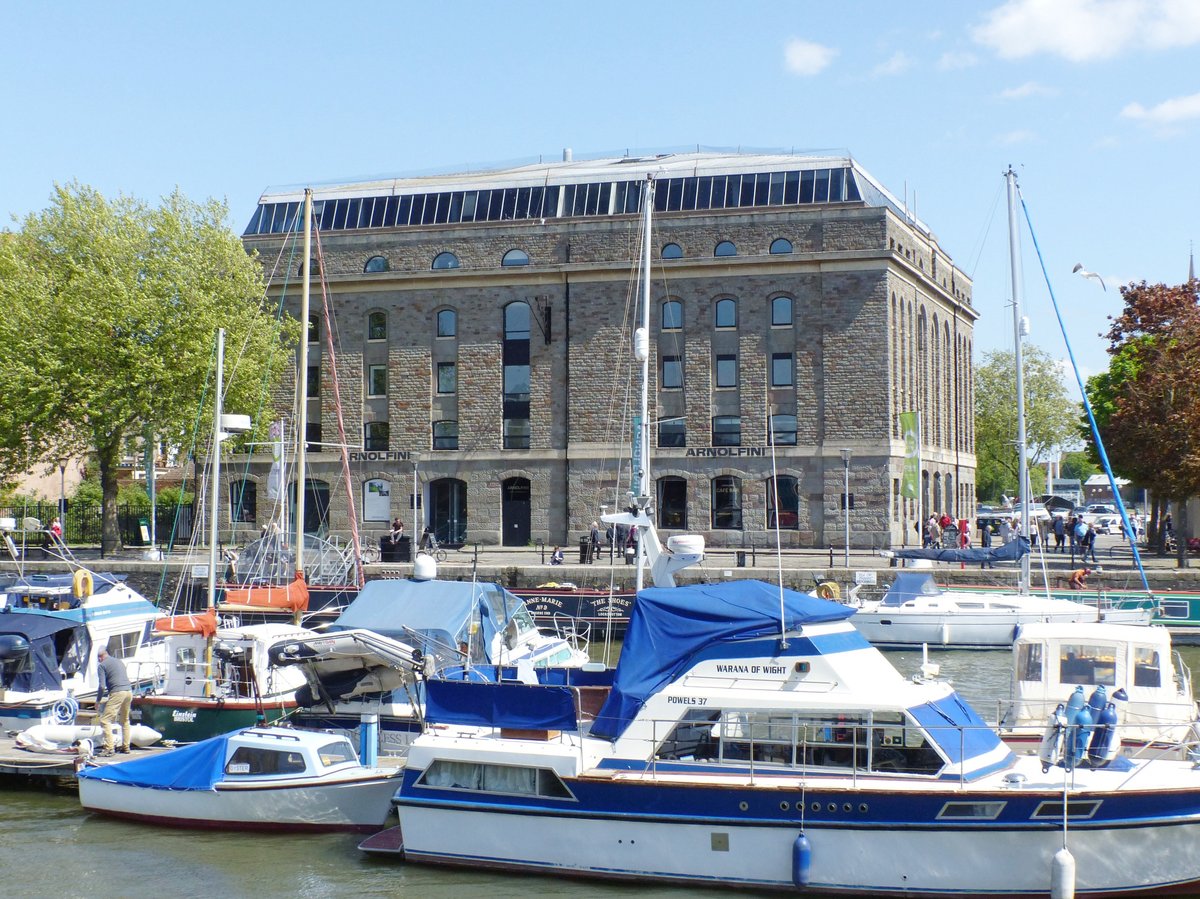
- Arnolfini Art Centre, Millennium Square, and more
Guided Tours and Events
- Guided Tours: Many Harbourside and maritime heritage walking tours feature the bust.
- Special Events: Occasional commemorations on Plimsoll’s birthday (February 10) and International Maritime Day (September 24). Check Bristol Harbour Festival for events in the area.
- Educational Walks: Organized by groups like the Bristol Radical History Group (BRH).
Photography Tips
The bust offers excellent photo opportunities, especially with the SS Great Britain and Bristol’s skyline as backdrops. Early morning or late afternoon light is ideal.
Educational Value and Interpretive Details
Interpretive signage near the bust explains Plimsoll’s legacy and the significance of the Plimsoll Line. For in-depth information, visit the M Shed or explore online resources. QR codes or plaques may provide additional digital content, and self-guided tour maps are available from local tourist centres (Mike’s Bristol Walks).
FAQs
Q: What are the visiting hours?
A: The bust is outdoors and freely accessible 24/7, all year round.
Q: Is there an admission fee?
A: No, visiting is free.
Q: Is the site wheelchair accessible?
A: Yes, there are paved paths and ramps.
Q: Are guided tours available?
A: Yes, many walking tours include the bust; self-guided resources are also available.
Q: What other attractions are nearby?
A: SS Great Britain, M Shed, Harbourside restaurants, Arnolfini, and Wapping Wharf.
Q: Can I take photographs?
A: Absolutely! The location is perfect for scenic photography.
Tips for a Memorable Visit
- Combine with a Walking Tour: Explore nearby maritime and cultural landmarks.
- Check Event Calendars: Plan your visit around festivals for a lively atmosphere.
- Use the Audiala App: For audio tours and historical insights.
- Visit Early or Late: For the best light and fewer crowds.
- Take Time to Reflect: Read the inscription and appreciate Plimsoll’s impact.
Discover More
The Bust of Samuel Plimsoll is a compelling destination for anyone interested in maritime history, public art, or Bristol’s role in global social reform. Its accessible, picturesque location on Capricorn Quay makes it easy to include in a Harbourside stroll or cultural tour. For an enriched visit, download the Audiala app for guided tours, check out related articles on Bristol historical sites, and follow our social media channels for updates on local events and community stories.
Plan your visit today to reflect on Plimsoll’s remarkable legacy and experience the best of Bristol’s vibrant Harbourside!
Listen to the full story in the app
Your Personal Curator, in Your Pocket.
Audio guides for 1,100+ cities across 96 countries. History, stories, and local insight — offline ready.
Audiala App
Available on iOS & Android
Join 50k+ Curators
Last reviewed: