Plan and listen to Bristol Zoo Project with Audiala.
Audio guide in your pocket, itinerary in your browser. Built for the way you actually visit.
Introduction
The Bristol Zoo Project is a visionary evolution in the UK’s zoological and conservation landscape. Building upon over 180 years of legacy from the historic Bristol Zoo Gardens, the project now offers modern, expansive habitats, a conservation-first approach, and an immersive visitor experience. This detailed guide provides essential information on visiting hours, ticketing, accessibility, key attractions, sustainability initiatives, and travel tips, ensuring a rewarding visit for families, wildlife enthusiasts, and supporters of global conservation (Bristol Zoo Project; Manchester Herald).
Historical Background and Transformation
Origins and Legacy
Founded in 1836 in Clifton, Bristol Zoo Gardens was one of the world’s oldest zoos and a beloved institution for generations. Its 12-acre urban site became known for lush gardens and historic architecture. As animal welfare standards advanced, the need for more naturalistic and expansive habitats grew evident (BBC News).
Relocation and the Birth of Bristol Zoo Project
Recognizing these needs, the Bristol Zoological Society closed the Clifton site in 2022 and transitioned to the larger Wild Place Project near Cribbs Causeway. In 2023, this 136-acre site was rebranded as the Bristol Zoo Project, reflecting a renewed commitment to conservation and public education (Wikipedia; Bristol Post).
Clifton Site Redevelopment
The former Clifton site is being transformed into housing, a public park, and a conservation hub, with public access to the gardens guaranteed. Hundreds of new trees will be planted to maintain biodiversity and urban green space (Bristol Zoo News; BBC News).
Planning Your Visit: Hours, Tickets, and Accessibility
Visiting Hours
- Open daily: 10:00 AM – 5:00 PM (last entry 4:00 PM).
- Hours may vary for special events or seasonally. Always check the official website for updates.
Ticket Information
- Adults: £15–£18
- Children (3–15 years): £10–£14
- Seniors (65+): £16
- Family and group packages: Available
- Under 2s and carers: Free
- Annual memberships: Offer unlimited visits and reciprocal UK zoo entry
Advance online booking is recommended to secure admission and receive discounts (Bristol Zoo Project – Visit; Bristol Zoo Project Tickets).
Accessibility
- Wheelchair-friendly paths and accessible toilets
- Blue Badge parking and step-free access to most areas
- Sensory guides, quiet zones, and assistance dogs welcome
- Contact visitor services for tailored support (Accessibility Info)
Getting There
- By car: Near Junction 17 of the M5; ample free parking and EV charging stations
- By public transport: Regular buses from Bristol city centre (Bristol Zoo Project – Visit)
- Cycling: Dedicated bike parking available
Immersive Habitats and Visitor Experience
Bear Wood
A highlight of the zoo, Bear Wood is the UK’s only habitat where European brown bears, grey wolves, Eurasian lynxes, and wolverines coexist in a 7.5-acre ancient woodland. Elevated walkways and viewing dens allow unparalleled observation of these species, while interpretive displays trace Britain’s woodland history and conservation efforts (Bear Wood; Bear Wood Reviews).
Themed Habitats
- Benoue National Park: Inspired by Cameroon, home to giraffes, cheetahs, zebras, and a raised giraffe walkway (Attractions)
- Madagascan Village: Features mongoose lemurs, ring-tailed lemurs, white-belted ruffed lemurs, and the Lemur Walkthrough (Lemur Walkthrough)
- African Forest (Opening 2026): Will house western lowland gorillas, cherry-crowned mangabeys, crocodiles, African grey parrots, and rare West African fish (Wales Online)
Other Notable Species
- Red Pandas: Neora and Laya (Red Panda)
- Gelada baboons, meerkats, ostriches, and Philippine spotted deer: Featured with regular animal talks and feeding sessions (9 Things to Do)
Photographic Opportunities
Picturesque habitats, historic gardens, and innovative architecture provide ideal settings for wildlife and family photography.
Family Activities and Events
Play Areas
- Outdoor Playgrounds: Congo Bongo, woodland play zones, and the giant bird’s nest encourage imaginative play (Attractions)
- Butterfly Maze & Barefoot Trail: Interactive, sensory experiences for children (Wales Online)
- Leap of Faith: High ropes and climbing adventure (additional fee) (Leap of Faith)
Seasonal Events
- SpringFest: Festival with games, crafts, and face painting (SpringFest)
- Themed Trails: Interactive and augmented reality trails like “We’re Going on a Bear Hunt” (9 Things to Do)
- Animal Talks and Feeds: Educational sessions on various species
Food and Picnic Facilities
- Basecamp Pizzeria: Overlooks cheetah habitat, offers vegan/gluten-free options
- On-site outlets: Sandwiches, drinks, and ice cream
- Picnic areas: Tower Meadow with Hollywood Tower as a scenic background (Attractions)
Education, Conservation, and Community Engagement
As a conservation-led institution, the Bristol Zoo Project supports 20 field projects in 10 countries. The zoo exclusively houses threatened species, with a goal of 90% of animals participating in global breeding and restoration programmes by 2035 (Bristol Zoo Project). Educational spaces and interactive exhibits foster awareness and inspire future conservationists. Over 230 volunteers help deliver educational programmes and public engagement activities (TripAdvisor).
Sustainability and Future Developments
Conservation-Led Mission
Bristol Zoo Project’s mission is to prevent species extinction, fight climate change, and restore habitats. Projects include European Ex-situ Programmes (EEP) for species such as blue-eyed black lemurs (Bristol Zoo Project News).
Sustainable Operations
- Waste Management: Partnership with Grundon for recycling and composting (Business Live)
- Energy: Renewable options and energy-efficient facilities (Green Flare)
- Biodiversity: Expanding tree cover, wildlife corridors, and sustainable drainage (Green Flare)
African Forest and Species Relocation
The new African Forest habitat (spring 2026) will house relocated western lowland gorillas and other threatened species in larger, naturalistic settings (Bristol Zoo Project).
Clifton Site Redevelopment
The old zoo’s redevelopment includes 196 homes (20% affordable), a public park, café, playground, and conservation hub, with 470 new trees to preserve biodiversity (BBC News; BBC News).
City-Wide Sustainability
Bristol Zoo Project aligns with Bristol’s ecological emergency response and contributes to city sustainability and green space initiatives (Green Flare).
Travel Tips and Nearby Attractions
- Plan Ahead: Book tickets online, download site maps, and check the event calendar
- Public Transport: Bus routes connect Bristol city centre and Cribbs Causeway
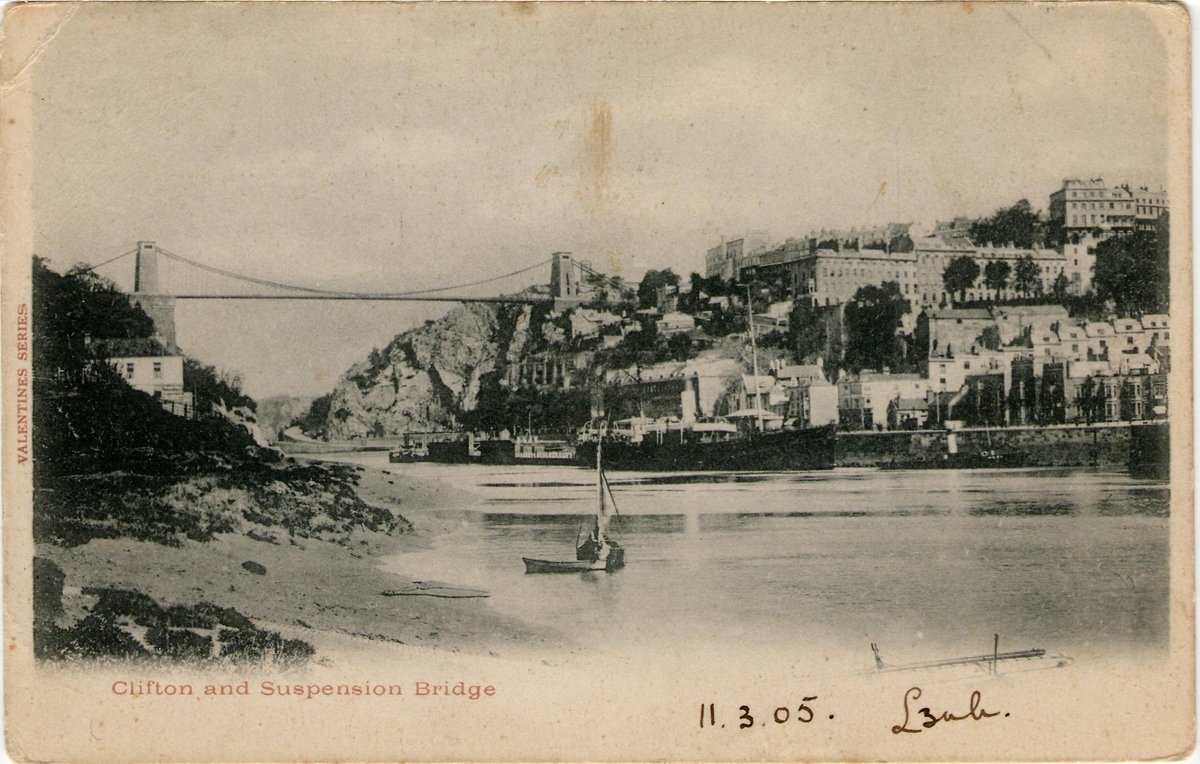
- Nearby Attractions: Combine your trip with visits to the Clifton Suspension Bridge, SS Great Britain, and The Mall at Cribbs Causeway
- Photography: Great views from Bear Wood walkways and giraffe platforms
Frequently Asked Questions (FAQ)
Q: What are the Bristol Zoo Project’s opening hours?
A: Daily from 10:00 AM to 5:00 PM, last entry at 4:00 PM. Check the website for seasonal changes.
Q: How do I buy tickets?
A: Online or at the entrance. Online booking is recommended for availability and discounts.
Q: Is the zoo accessible?
A: Yes, wheelchair-friendly with accessible restrooms and parking. Assistance dogs are welcome.
Q: Can I bring food?
A: Yes, picnic areas are available. On-site cafés offer a range of options.
Q: Is the original Clifton site open?
A: The zoo is closed, but gardens will be accessible as a public park following redevelopment.
Q: How can I support conservation?
A: By visiting, donating, volunteering, or joining the Conservation Circle.
Summary and Recommendations
The Bristol Zoo Project exemplifies the future of zoological attractions—melding heritage, conservation, and sustainability. With immersive habitats, engaging family activities, and leading sustainability initiatives, the zoo provides a meaningful visitor experience and a tangible way to support wildlife protection. Plan ahead, leverage digital resources like the Audiala app, and explore the wider Bristol area to enrich your trip (Bristol Zoo Project; Green Flare).
Listen to the full story in the app
The whole Bristol Zoo Project,
told well.
Audio guides for 1,100+ cities across 96 countries. History, stories, and local insight — offline ready.

Verified, and shown.
Researched and written by the Audiala editorial team from historical records, architectural archives, and local expertise.
Researched from Wikidata, Wikipedia & official sources · fact-checked · How we make our guides →