Plan and listen to Bristol Old Vic with Audiala.
Audio guide in your pocket, itinerary in your browser. Built for the way you actually visit.
Introduction
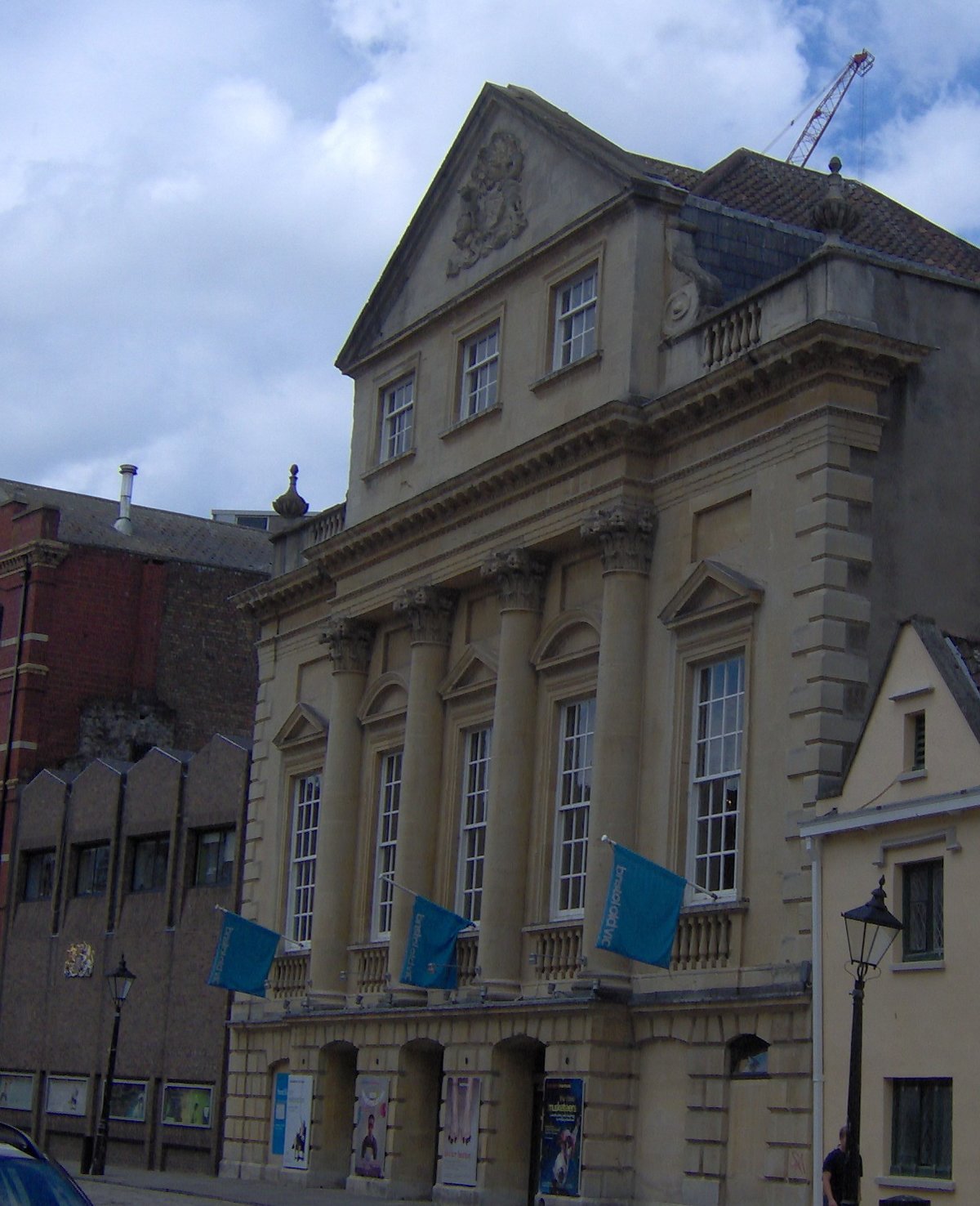
Nestled in Bristol’s historic heart, the Bristol Old Vic stands as the oldest continuously operating theatre in the English-speaking world. Since its establishment in 1766, this iconic Georgian masterpiece has been a beacon of cultural vitality, creative innovation, and community engagement for over 250 years (Bristol Old Vic - The Building; Wikipedia). Today, the Bristol Old Vic welcomes theatre lovers, history enthusiasts, and first-time visitors alike, offering performances, guided tours, and immersive exhibitions that celebrate both its distinguished past and dynamic present.
Origins and Early History (1766–19th Century)
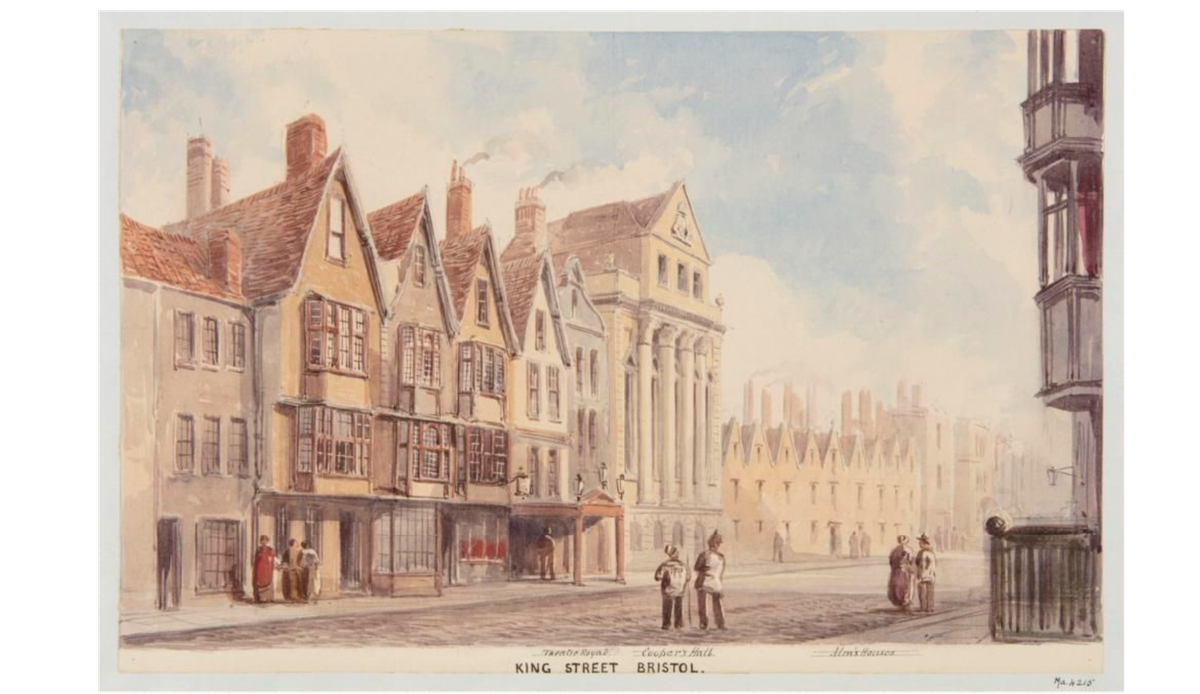
The Bristol Old Vic’s story begins with the construction of the Theatre Royal between 1764 and 1766, a period when Bristol’s prominence as a port city inspired local businessmen to establish a grand cultural venue (Bristol Old Vic - The Building). Due to strict licensing laws of the era, the original entrance was discreetly tucked away, but inside, the horseshoe-shaped auditorium created an intimate connection between audience and performers—a hallmark still cherished today (RIBA Journal).
Throughout the late 18th and 19th centuries, the theatre flourished as a stage for Shakespearean classics, pantomimes, and a spectrum of dramatic works. Despite periods of financial hardship, especially following major refurbishments in the 1880s, the Theatre Royal endured as Bristol’s cultural heart (Wikipedia).
20th Century Challenges and the Bristol Old Vic Company
By the early 20th century, the theatre faced possible closure. In 1942, a public campaign led to the formation of the Theatre Royal Bristol Trust, securing its survival (Bristol Old Vic Company Archive). A transformative moment arrived in 1946, when the Council for the Encouragement of Music and the Arts (CEMA) invited the London Old Vic to set up a resident company in Bristol. This marked the founding of the Bristol Old Vic Company, with the inaugural performance of "The Beaux’ Stratagem" and the simultaneous establishment of the Bristol Old Vic Theatre School by Laurence Olivier (Discover Britain).
The company quickly gained acclaim, producing a roster of celebrated actors such as Peter O’Toole, John Neville, and Dorothy Tutin, and launching productions that frequently transferred to London’s West End (Wikipedia).
Architectural Evolution and Redevelopments
The Peter Moro Redevelopment (1970–1972)
By the 1960s, modernization was crucial. Architect Peter Moro led a significant redevelopment, incorporating the adjacent Coopers’ Hall to create a striking new foyer and improving technical facilities (RIBA Journal). The addition of the New Vic Studio in 1972—Britain’s first regional theatre studio—enabled a wider range of productions and community engagement.
21st Century Restoration
A major £12.9 million restoration, completed in 2018 under architects Haworth Tompkins, restored Coopers’ Hall to its 18th-century glory and transformed visitor spaces with interactive exhibitions and augmented reality experiences (Discover Britain). These projects balanced heritage preservation with modern accessibility and sustainability.
Cultural Significance and Key Milestones
Bristol Old Vic is a cradle of British theatre. The Theatre School, founded by Laurence Olivier, has produced luminaries including Daniel Day-Lewis, Olivia Colman, and Jeremy Irons (Wikipedia; Bristol Old Vic Theatre School). The theatre’s role in post-war cultural revival, engagement with diverse communities, and commitment to innovative and inclusive programming have made it a national touchstone (History Hit; History Tools).
Visitor Information: Hours, Tickets, Accessibility
Visiting Hours
- Box Office: Monday–Saturday, 10:00 AM – 6:00 PM (open until showtime on performance days)
- Performance Times: Vary by production; typically evenings at 7:30 PM and matinees at 2:30 PM
- Guided Tours: Offered on select days; advance booking is advised (Bristol Old Vic Theatre Tours)
Tickets
- Purchase: Online (official website), by phone, or in person
- Prices: Typically £12–£40, depending on the show and seat
- Discounts: Students, seniors, groups, and Access Scheme members
- Membership: Bristol Old Vic Friends enjoy priority booking and exclusive benefits
Accessibility
- Step-free access throughout public areas and main auditorium
- Accessible toilets on multiple levels
- Hearing loops and audio-described, captioned, and BSL-interpreted performances
- Assistance dogs welcome
- Staff trained in dementia, autism, BSL, and mental health awareness (Bristol Old Vic Accessibility Page; Euan’s Guide)
Guided Tours, Exhibitions, and Nearby Attractions
- Guided Tours: Delve into the theatre’s history, architecture, and backstage areas; book in advance (Bristol Old Vic Guided Tours)
- Exhibitions: Free displays in the foyer explore the theatre’s heritage and community projects
- Dining: The 1766 Bar & Kitchen offers locally sourced menus and pre-show drinks
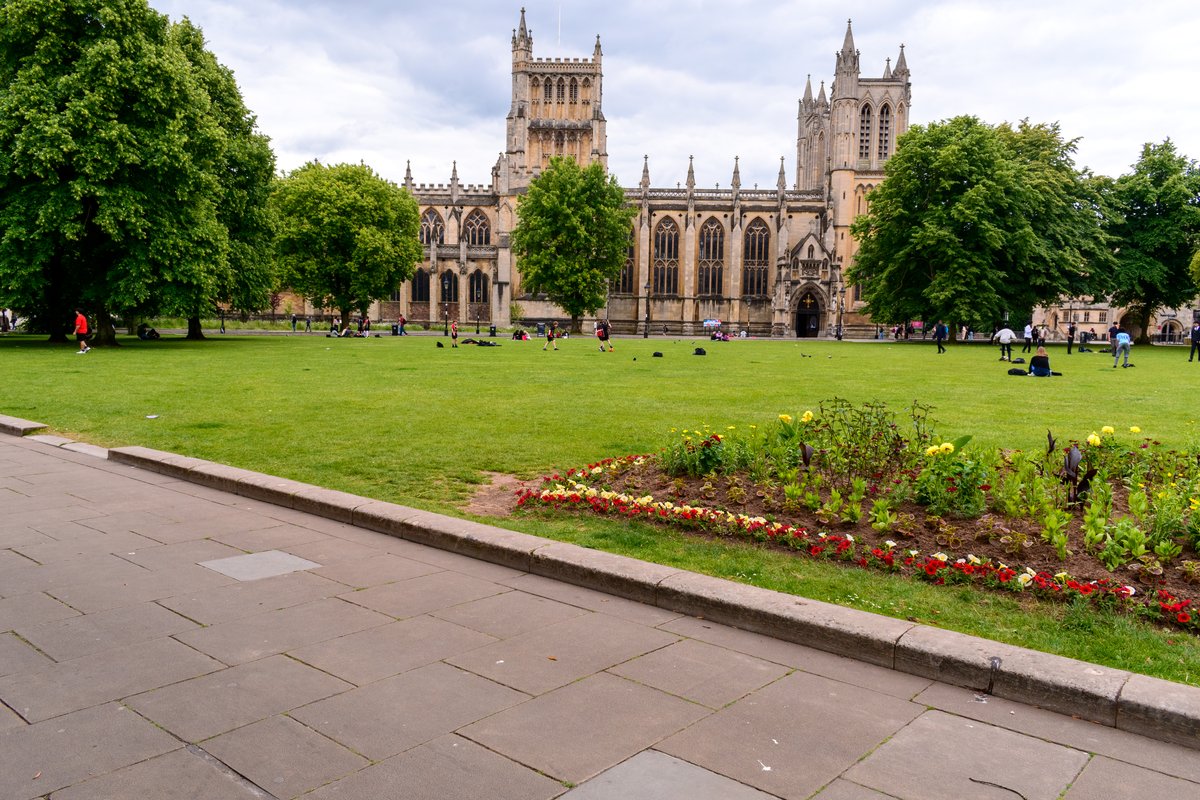
- Nearby Attractions: SS Great Britain, Harbourside, Queen Square, St Nicholas Market, and Bristol Cathedral (citydays.com)
Visitor Tips and FAQs
Practical Tips
- Book early for popular shows and tours
- Arrive 30–45 minutes before performance to enjoy the foyer, exhibitions, and refreshments
- No formal dress code; smart-casual is typical
- Photography allowed in public areas but not during performances
- Cloakroom and Wi-Fi available
- Family-friendly productions and facilities, including booster seats and baby changing
Frequently Asked Questions
Q: What are the Bristol Old Vic visiting hours?
A: Box office is open Monday–Saturday, 10:00 AM–6:00 PM; performances and tours have variable schedules.
Q: How do I buy tickets?
A: Purchase online, by phone, or in person at the box office.
Q: Is the venue accessible?
A: Yes—fully step-free with accessible toilets, seating, hearing loops, and trained staff.
Q: Are there guided tours?
A: Yes, on select days; book ahead online.
Q: Is there parking?
A: No dedicated parking; use nearby public car parks or public transport.
Q: Are discounts available?
A: Students, seniors, groups, and registered Access Scheme members receive discounts.
Summary and Recommendations
Bristol Old Vic epitomizes the blend of historic grandeur and contemporary innovation. As the oldest continuously operating English-speaking theatre, it is a living testament to British theatrical and architectural heritage (Discover Britain; History Hit). The theatre’s ongoing investment in accessibility, sustainability, and community engagement ensures it remains relevant and inspiring for today’s audiences.
Visitor Recommendations:
- Book ahead, especially for shows and tours
- Download the Audiala app for enhanced digital experiences
- Enjoy a meal or drink pre-show at the 1766 Bar & Kitchen
- Explore nearby landmarks to make the most of your Bristol visit
- Follow Bristol Old Vic on social media for news and special offers
Listen to the full story in the app
The whole Bristol Old Vic,
told well.
Audio guides for 1,100+ cities across 96 countries. History, stories, and local insight — offline ready.

Verified, and shown.
Researched and written by the Audiala editorial team from historical records, architectural archives, and local expertise.
Retrieved from https://bristololdvic.org.uk/about/the-building
Wikipedia. Retrieved from https://en.wikipedia.org/wiki/Bristol_Old_Vic
Bristol Old Vic eighteenth-century theatre reconfiguration - Haworth Tompkins. Retrieved from https://www.ribaj.com/buildings/bristol-old-vic-eighteenth-century-theatre-reconfiguration-haworth-tompkins
Bristol Old Vic theatre history. Retrieved from https://www.discoverbritain.com/heritage/heritage-sites/bristol-old-vic-theatre-history/
University of Bristol. Retrieved from https://www.bristol.ac.uk/theatre-collection/explore/theatre/bristol-old-vic-company-archive/
Culture in Bristol. Retrieved from https://en.wikipedia.org/wiki/Culture_in_Bristol
The Bristol Old Vic. Retrieved from https://www.historyhit.com/locations/the-bristol-old-vic/
The Bristol Old Vic: a historian’s perspective. Retrieved from https://www.historytools.org/stories/the-bristol-old-vic-a-historians-perspective-on-britains-oldest-continuous-theatre
Notable alumni. Retrieved from https://www.oldvic.ac.uk/about-us/notable-alumni/
Retrieved from https://bristololdvic.org.uk/accessibility
Bristol Old Vic visitor guide. Retrieved from https://citydays.com/places/bristol-old-vic/
Researched from Wikidata, Wikipedia & official sources · fact-checked · How we make our guides →