Plan and listen to Bristol Harbour with Audiala.
Audio guide in your pocket, itinerary in your browser. Built for the way you actually visit.
Introduction
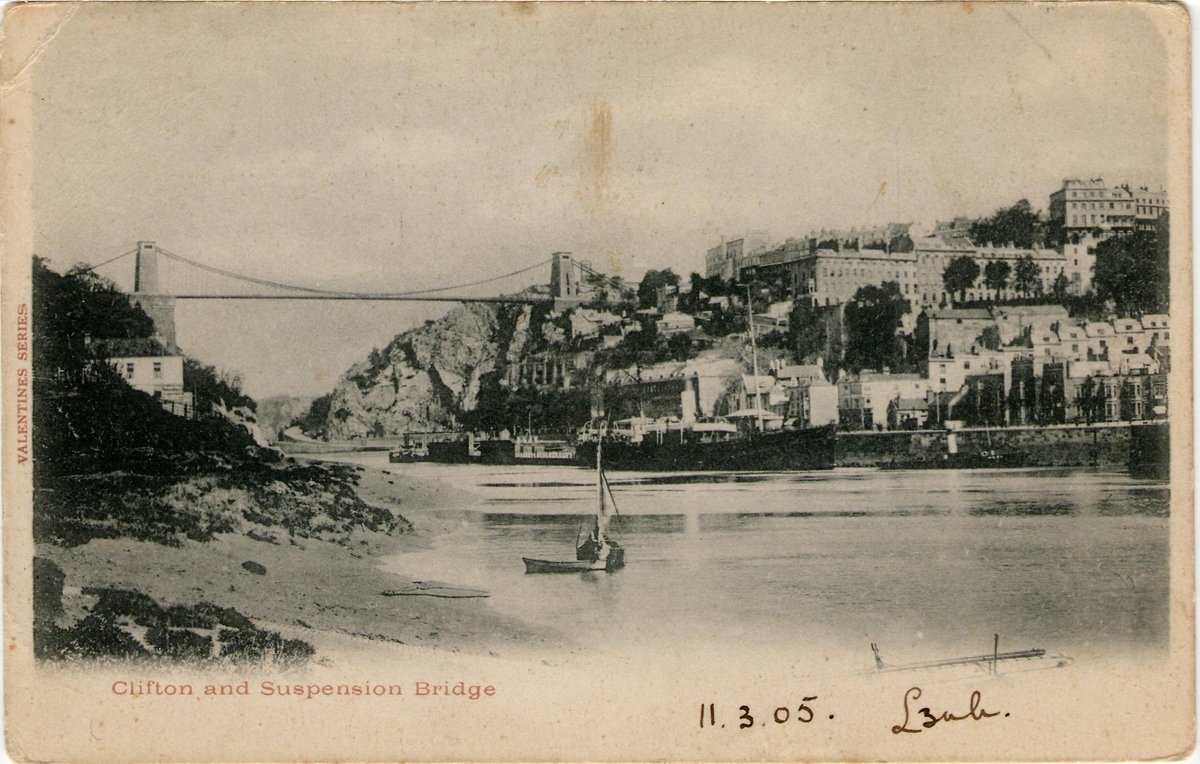
Bristol Harbour, also known as the Floating Harbour, is at the heart of Bristol, United Kingdom—a city where centuries of maritime history blend with vibrant contemporary culture. This historic waterfront has evolved from a medieval port into a lively destination for visitors seeking heritage, arts, and leisure. Bristol Harbour’s stunning scenery, iconic attractions, and year-round events make it a must-visit spot for families, history buffs, and culture seekers alike (Bristol Ferry Education PDF; Visit Bristol History).
This guide offers detailed information on visiting hours, ticketing, accessibility, transport, highlights of key sites like the SS Great Britain and The Matthew, and tips for making the most of your time at Bristol Harbour. Whether you’re drawn by maritime heritage, street art, or the excitement of major festivals, you’ll find everything you need to plan your visit.

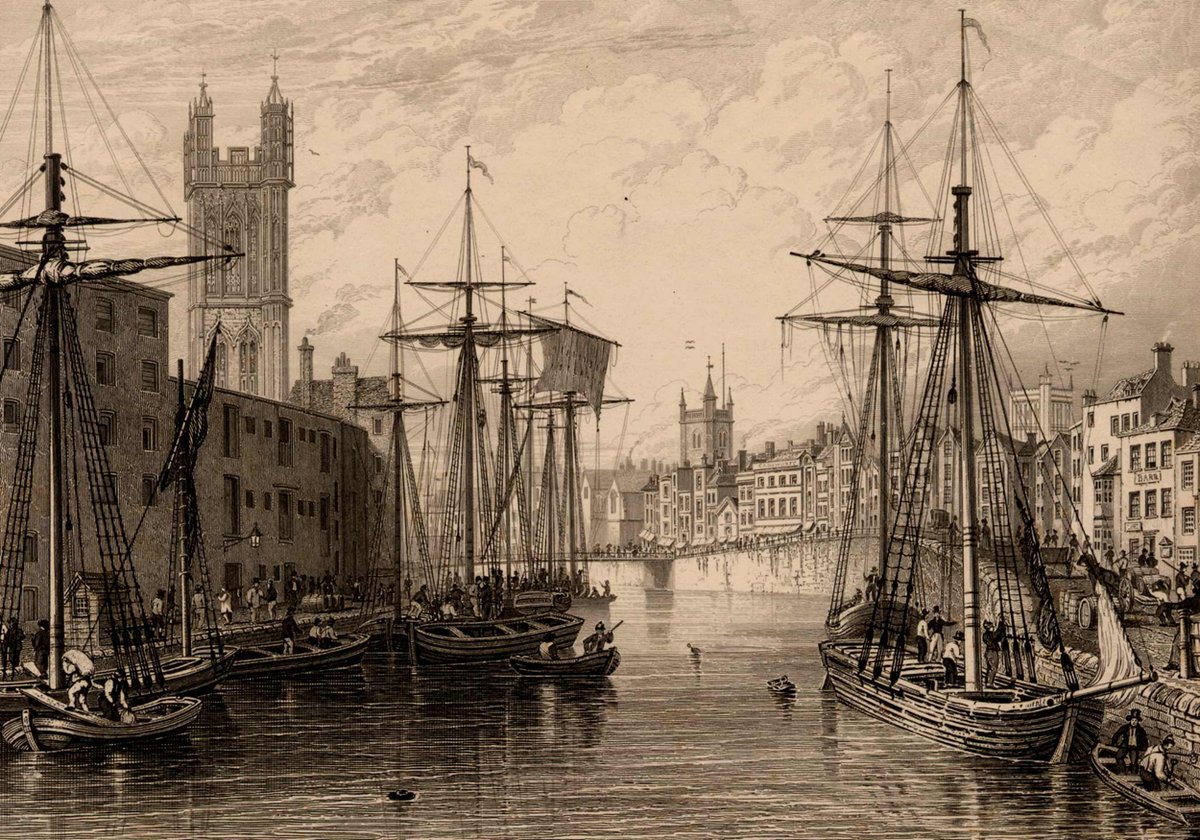
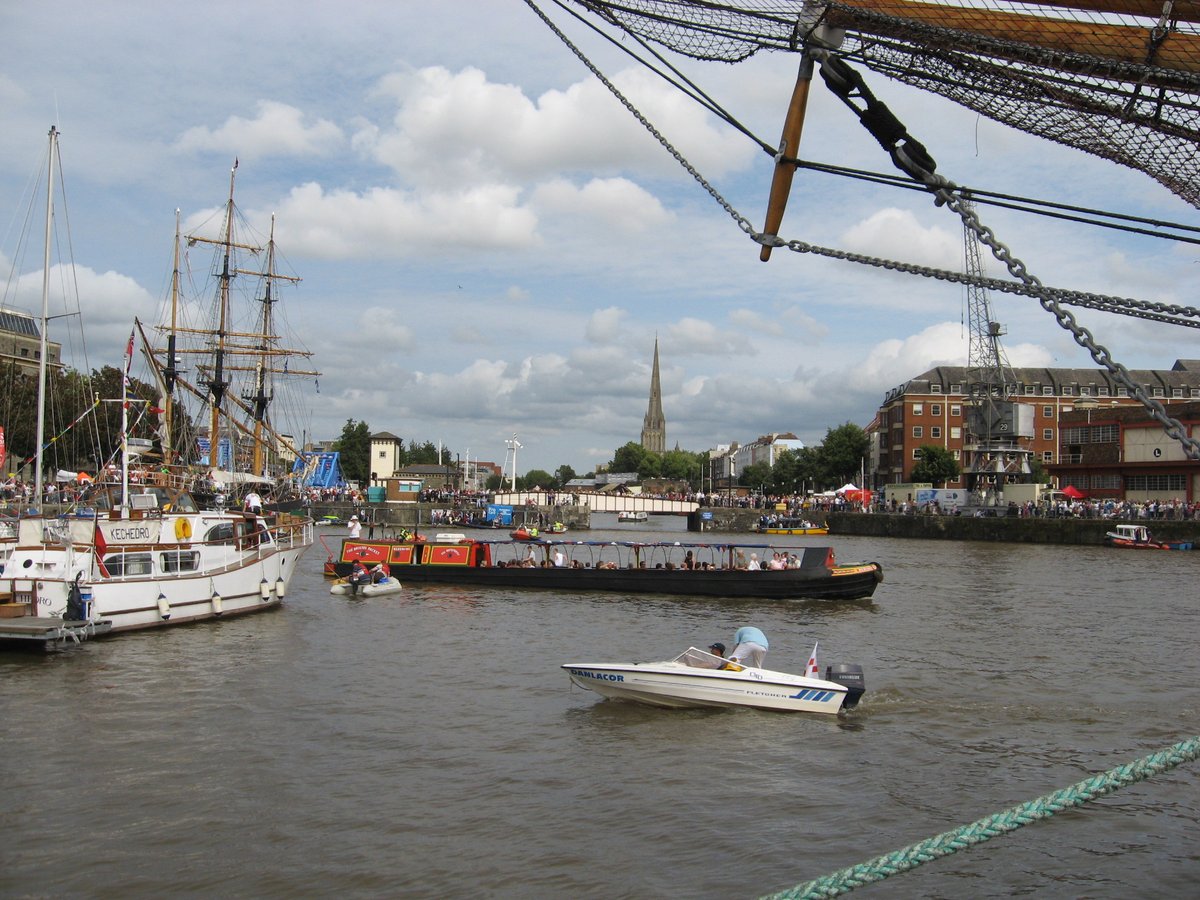
From Medieval Port to Maritime Powerhouse
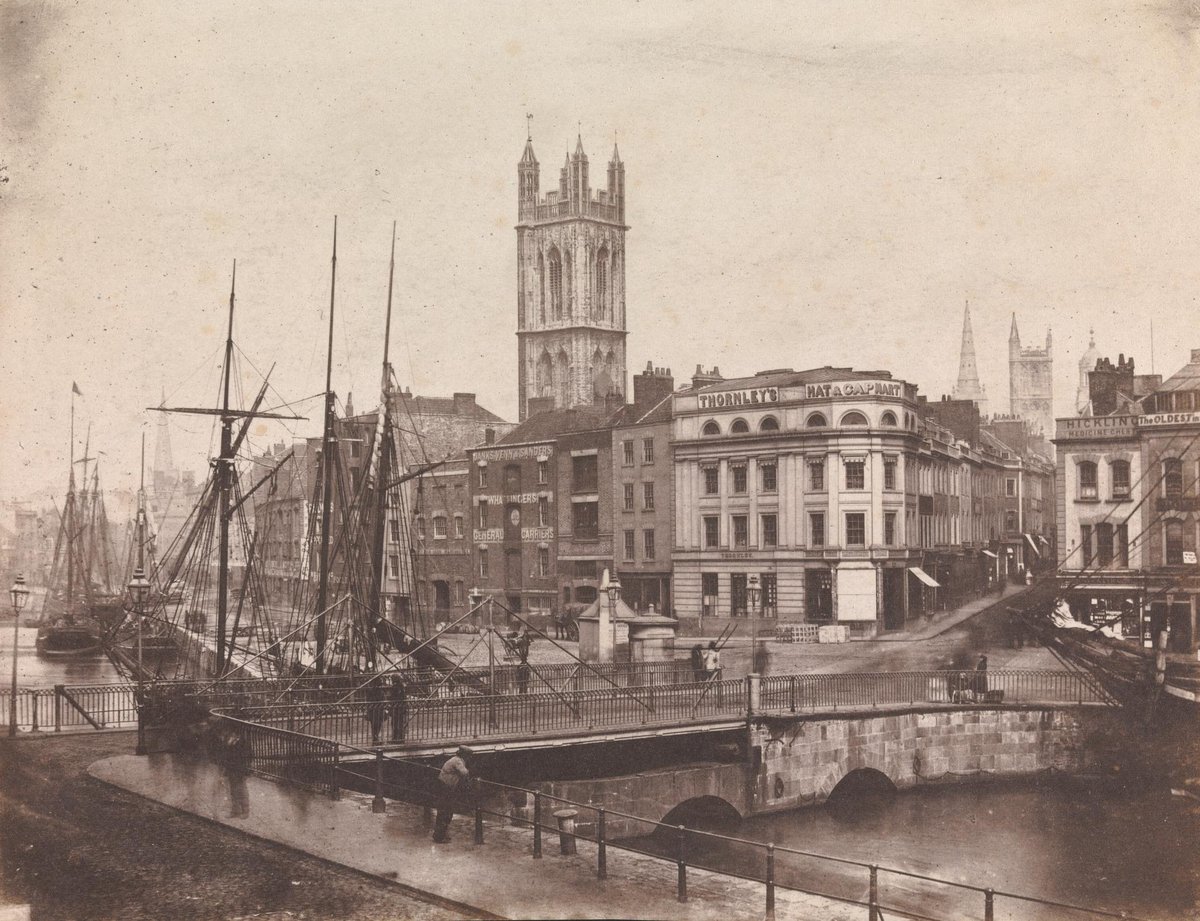
Bristol Harbour began as a tidal inlet at the junction of the Rivers Avon and Frome, with the Anglo-Saxon settlement of Brigstowe established around 1000 AD. The wooden bridge and early quayside fostered trade, and by the Middle Ages, Bristol was among England’s leading ports, exchanging wool, wine, and manufactured goods with Europe (Bristol Ferry Education PDF; Visit Bristol History).
The Age of Exploration and Economic Transformation
In 1497, John Cabot’s voyage aboard The Matthew marked Bristol’s entry into the Age of Discovery, with ongoing prosperity through the Tudor and Elizabethan periods. The harbour’s fortunes became deeply tied to the transatlantic slave trade by the late 17th century, a complex legacy now explored at M Shed and other museums (Visit Bristol History).
Engineering Innovation: The Floating Harbour
Shipping challenges in the tidal Avon led to the creation of the Floating Harbour in 1809, engineered by William Jessop. This non-tidal dock system revolutionized Bristol’s maritime operations and set the stage for industrial expansion. Notably, Isambard Kingdom Brunel’s SS Great Britain was launched here in 1843—a symbol of Victorian ingenuity (Visit Bristol History; Bristol Ferry Education PDF).
Decline and Regeneration
By the 20th century, the harbour’s role as a commercial port waned, with operations shifting to Avonmouth. The area suffered wartime bombing and urban challenges, but concerted efforts since the 1970s have regenerated the waterfront into a thriving hub for arts, leisure, and tourism. Initiatives like the Bristol Harbour Festival, museum redevelopments, and environmental projects have restored the harbour’s central place in city life (Visit Bristol History; Biomatrix Water).
Visitor Information
Visiting Hours
- Harbour Area: Open to the public year-round, 24/7 for walking, sightseeing, and most outdoor spaces.
- SS Great Britain: Daily, 10:00 AM – 5:00 PM (last admission 4:00 PM).
- M Shed Museum: Tuesday to Sunday, 10:00 AM – 5:00 PM; closed Mondays.
- The Matthew: Deck tours daily (peak season) 11:00 AM – 4:00 PM; cruises on weekends and holidays.
- Bristol Aquarium: Daily, 10:00 AM – 5:00 PM.
- Underfall Yard: Wednesday to Sunday, 10:00 AM – 4:00 PM.
Note: Opening times may vary seasonally or during special events—check official websites before your visit.
Tickets and Pricing
- SS Great Britain: Approx. £17–£20 adults; concessions for children, families, and seniors. Book online for discounts and to avoid queues (official SS Great Britain website).
- M Shed: Free entry; donations welcome.
- The Matthew: £8 adults, £5 children for deck tours; cruises priced separately.
- Bristol Aquarium: Around £15 for adults; family and concession rates available.
- Ferry Boats: Single rides from £3.60; day passes £7.30 (Bristol Ferry Boats).
- Guided Tours: Walking tours £10–£20 per person.
Accessibility
- Most attractions and public spaces are wheelchair accessible.
- Accessible toilets, step-free routes, and assistance available at major sites.
- Check individual attraction websites for detailed information (Bristol Harbour Festival Accessibility).
Getting There
- By Train: Bristol Temple Meads station is a 15-minute walk from the harbour.
- By Bus: Multiple city routes stop near the harbourside.
- By Ferry: Waterbus services connect key points along the harbour (Bristol Ferry Boats).
- By Car: Limited parking; use city centre car parks or park-and-ride.
- By Bicycle: Cycle racks available throughout the area.
Key Attractions
Maritime Heritage
- SS Great Britain: Explore the world’s first great ocean liner—decks, cabins, and immersive exhibits (SS Great Britain).
- The Matthew: Step aboard a working replica of Cabot’s 1497 ship (The Matthew).
- Underfall Yard: Discover Bristol’s industrial and engineering history at a working boatyard (Underfall Yard).
Museums, Galleries, and Culture
- M Shed: Museum of Bristol’s people, history, and culture (M Shed).
- Arnolfini: Contemporary arts centre with exhibitions and live events (Arnolfini).
- We The Curious: Interactive science and arts centre, ideal for families (We The Curious).
Harbourside Walks and Public Spaces
- Harbourside Promenade: Scenic walking route connecting major attractions (The Bristol Guide).
- Millennium Square: Interactive fountains, public art, and seasonal events (Timeout Bristol).
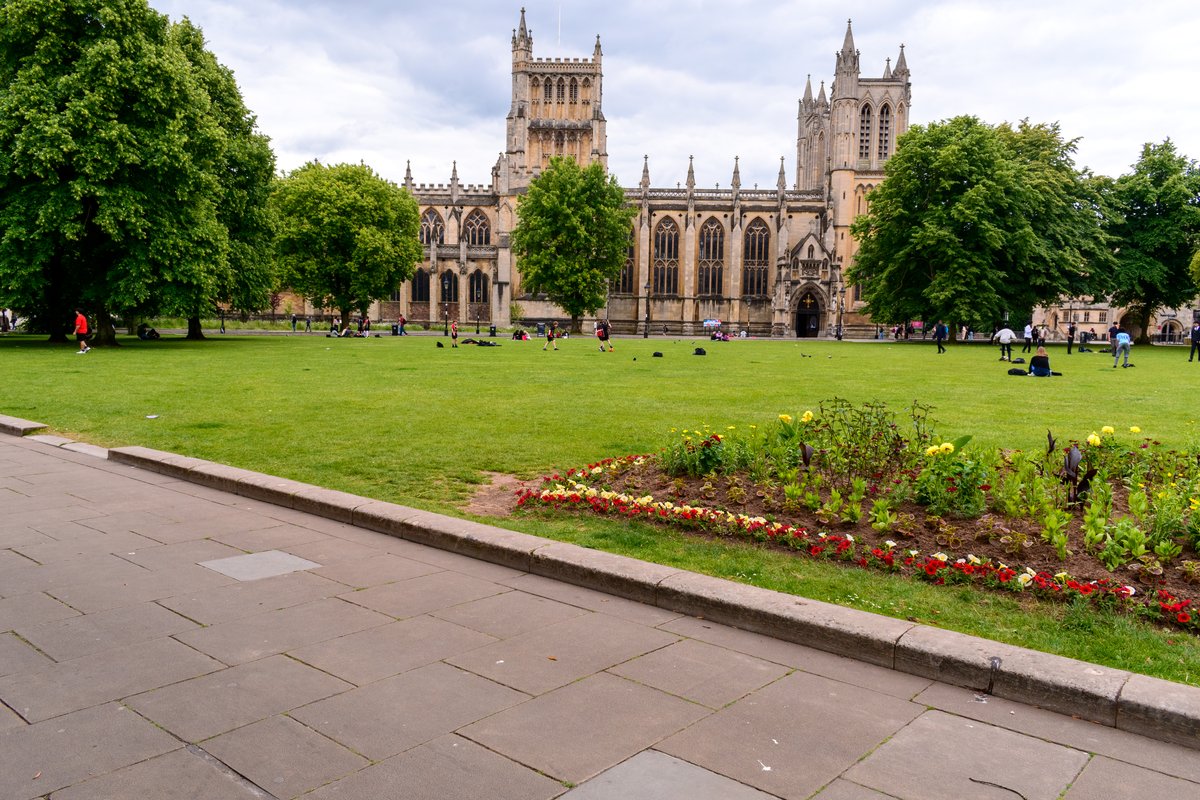
- Queen Square: Georgian park for picnics, festivals, and open-air performances.
Water-Based Activities
- Ferry Tours: Hop-on, hop-off waterbuses connect the harbour (Bristol Ferry Boats).
- Boat Cruises & Charters: Themed and private cruises available.
- Paddleboarding, Canoeing, Kayaking: Hire and lessons through local operators (SUP Bristol).
Food, Drink, and Markets
- Wapping Wharf: Dining quarter with independent restaurants and bars (Timeout Bristol).
- Floating Bars: Unique venues such as The Grain Barge, The Apple, and Glassboat.
- Harbourside Markets: Regular street food and pop-up events.
Family-Friendly Activities
- Bristol Aquarium: Marine life, hands-on exhibits, and summer events (Bristol Aquarium).
- Millennium Square Play Fountains: Interactive water play for children.
Street Art and Public Installations
- Upfest Murals: The harbourside is home to works by Banksy and leading street artists (Upfest).
- Public Sculptures: Installations celebrate Bristol’s creative legacy.
Annual Festivals and Events
Bristol Harbour Festival
The Bristol Harbour Festival in July is the city’s flagship free event, drawing over 250,000 visitors. Enjoy tall ships, live music, circus performances, dance, and family activities across the harbourside (Visit Bristol Annual Events).
Bristol International Balloon Fiesta
Europe’s largest balloon festival, held in August at Ashton Court, features mass ascents and Night Glows visible from the harbour (VisitBritain).
Bristol Light Festival, Pride, and More
The harbourside hosts illuminated art trails in winter, and key venues participate in Bristol Pride and the Upfest street art celebration. Other events include the Bristol Sounds music series and Encounters Film Festival (Bristol Post).
Practical Tips for Your Visit
- Plan Ahead: Book tickets in advance for popular attractions and check event dates.
- Use Public Transport: Parking is limited during major events and weekends.
- Weather: Bring sun protection and waterproofs—Bristol weather is changeable.
- Accessibility: Most sites are step-free; check for detailed access info online.
- Stay Connected: Download the Audiala app for real-time event updates and visitor guides (Audiala App).
Frequently Asked Questions (FAQ)
Q: What are Bristol Harbour’s opening hours?
A: The harbour is open 24/7; attractions typically open 10:00 AM–5:00 PM. Check specific venues for details.
Q: Are tickets required for harbour attractions?
A: Many outdoor areas are free. Historic ships, museums, and special events require tickets.
Q: Is Bristol Harbour family-friendly?
A: Yes, with interactive museums, events, play fountains, and more.
Q: How do I get to Bristol Harbour?
A: By train (Temple Meads), bus, ferry, cycling, or walking from the city centre.
Q: Is Bristol Harbour accessible?
A: Most attractions and public spaces are accessible for wheelchairs and prams.
Visual Gallery


Key Historical Events and Milestones
- 1497: John Cabot’s voyage to Newfoundland (Visit Bristol History)
- 1698: First Bristol slave ship sails
- 1809: Floating Harbour opens (Visit Bristol History)
- 1843: Launch of SS Great Britain
- 1940–41: Bristol Blitz damages harbour
- 1971: Inaugural Harbour Festival (Visit Bristol History)
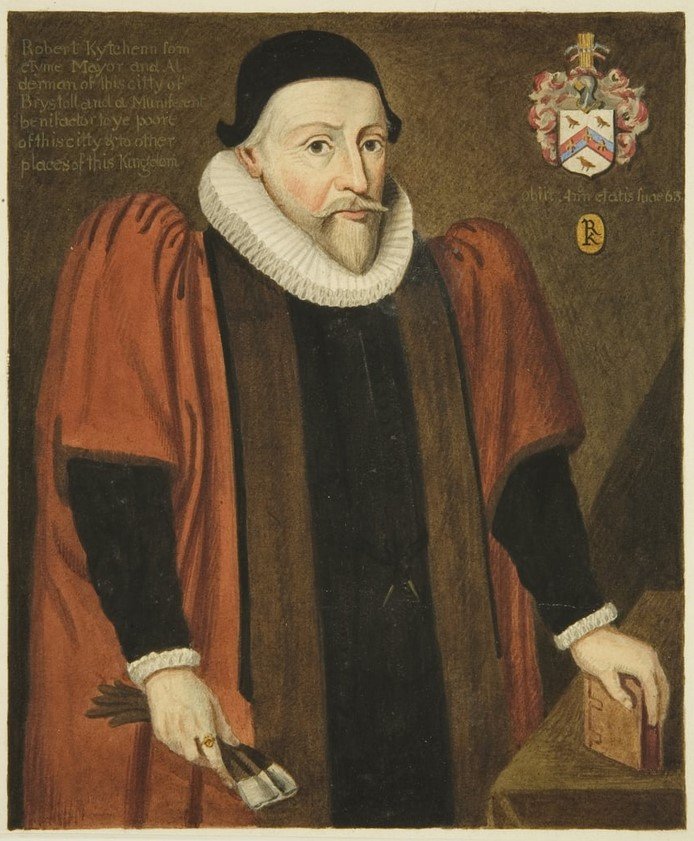
- 2020: Colston statue toppled
- 2024–25: Installation of floating ecosystems at Capricorn Quay (Biomatrix Water)
Summary: Making the Most of Bristol Harbour
Bristol Harbour is a living symbol of the city’s past, present, and future. Explore historic ships, innovative museums, public art, and vibrant festivals. Enjoy watersports, family activities, and diverse cuisine along the waterfront. Sustainability is at the core of new projects, ensuring that the harbour is both a heritage site and a modern urban oasis (Bristol Harbour Festival; Biomatrix Water).
Travel Smart:
- Check live event info and book tickets via official sites.
- Use public transport or ferries for easy access.
- Download the Audiala app for personalized tours and updates (Audiala App).
Listen to the full story in the app
The whole Bristol Harbour,
told well.
Audio guides for 1,100+ cities across 96 countries. History, stories, and local insight — offline ready.
Verified, and shown.
Researched and written by the Audiala editorial team from historical records, architectural archives, and local expertise.
Researched from Wikidata, Wikipedia & official sources · fact-checked · How we make our guides →