Plan and listen to Bristol Cathedral with Audiala.
Audio guide in your pocket, itinerary in your browser. Built for the way you actually visit.
Introduction: Bristol Cathedral’s Legacy in History and Culture
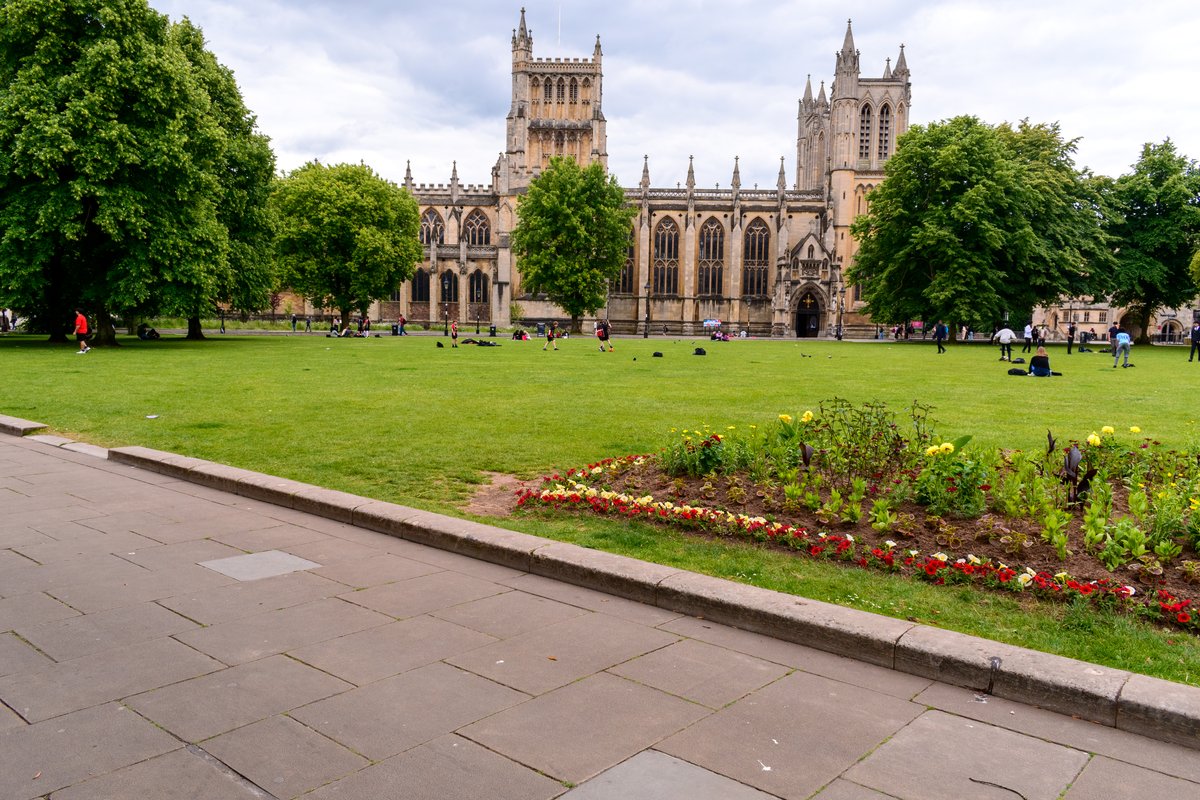
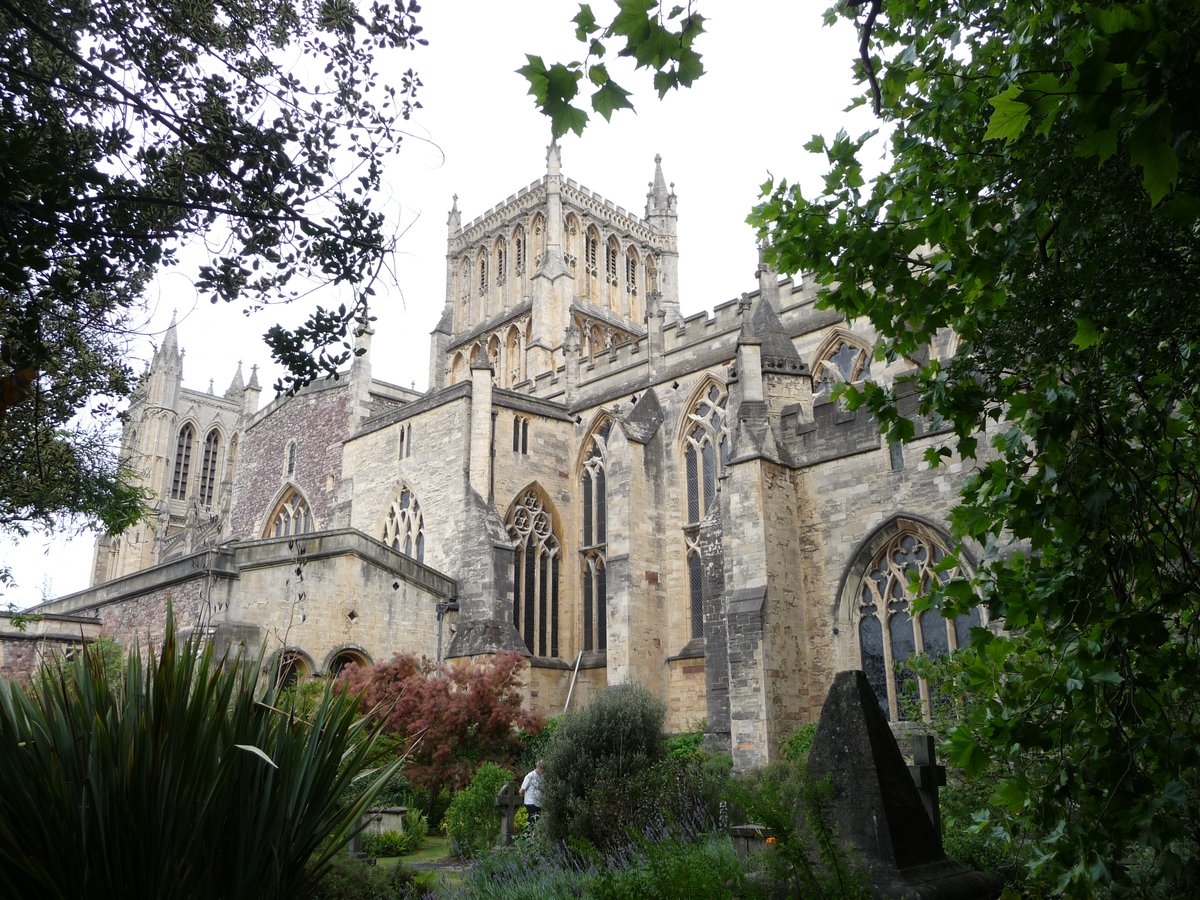
Bristol Cathedral, a symbol of nearly nine centuries of English religious and architectural heritage, stands as one of the city’s most distinguished landmarks. Founded in 1140 as St Augustine’s Abbey by Robert Fitzharding, the cathedral has evolved from its monastic beginnings into a vibrant center of worship, music, and community. Renowned for its rare “Hall Church” design and harmonious blend of Norman, Gothic, and Victorian elements, Bristol Cathedral not only tells the story of English ecclesiastical architecture but also reflects the spiritual and civic heart of Bristol.
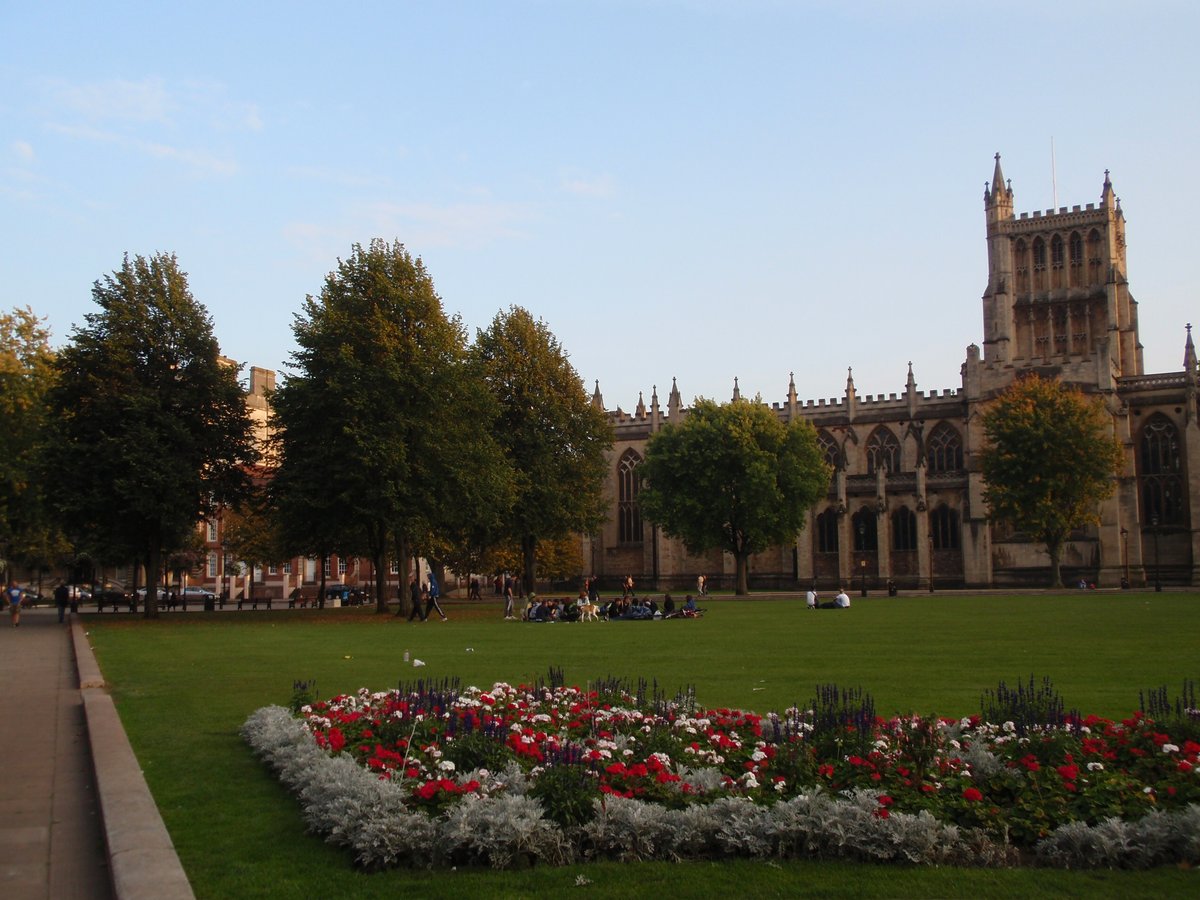
Visitors are welcomed with detailed information on visiting hours, free admission policies, accessibility, and a variety of tours and events to enrich their experience. Ideally situated on College Green, the cathedral is surrounded by other notable Bristol historical sites, making it a central stop for anyone exploring the city’s rich heritage.
For up-to-date details on visiting hours, tickets, tours, and special events, consult the official Bristol Cathedral website (bristol-cathedral.co.uk), and trusted guides (explorial.com, Ten Things UK).
- Early Foundations and Monastic Origins
- Medieval Expansion and Architectural Innovation
- Transition to Cathedral: Dissolution and Rebirth
- Turbulent History and Victorian Restoration
- Religious and Cultural Impact
- Notable Events and Modern Developments
- Visitor Information: Hours, Tickets, Accessibility, and Tips
- Architectural Features and Visitor Experience
- Frequently Asked Questions (FAQ)
- Conclusion and Travel Tips
- References


Early Foundations and Monastic Origins
Founded in 1140 as St Augustine’s Abbey by Robert Fitzharding, Bristol Cathedral’s roots lie in the Augustinian monastic tradition, aligning with the widespread establishment of abbeys as centers of worship, learning, and community in 12th-century England (explorial.com). The original abbey included a church, cloisters, and chapter house, constructed from locally quarried limestone (wikipedia.org). The Chapter House, dating from around 1160, remains a prime example of Norman architecture, with its rounded arches and robust masonry (bristol-cathedral.co.uk).
Medieval Expansion and Architectural Innovation
The 13th and 14th centuries saw significant growth, with the addition of the Elder Lady Chapel (1220) and the Eastern Lady Chapel, showcasing Early English and Decorated Gothic styles—characterized by pointed arches, ribbed vaults, and intricate tracery (wikipedia.org). The use of Purbeck marble and the elaborate ribbed vaults in the eastern arm are especially notable. Bristol Cathedral's pioneering “Hall Church” design—where the nave, choir, and aisles are of equal height—creates a unified, light-filled space with exceptional acoustics (travelsetu.com).
Transition to Cathedral: Dissolution and Rebirth
The Dissolution of the Monasteries (1539) under Henry VIII led to the closure of St Augustine’s Abbey. However, in 1542, the church was elevated to cathedral status and rededicated as the Cathedral Church of the Holy and Undivided Trinity (wikipedia.org). Paul Bush became its first bishop, and the building’s function shifted from monastic worship to diocesan leadership. During this transition, the nave was partly demolished and later rebuilt.
Turbulent History and Victorian Restoration
The cathedral has endured periods of turmoil, including damage during the Bristol Riots of 1831, when the Chapter House was attacked. Restoration efforts, particularly under architect George Edmund Street (1868–1877), led to the completion of the nave in a style sympathetic to the original Gothic architecture (bristolmag.com). The 19th-century west front, adorned with statues and ornate tracery, harmonizes with the medieval fabric and embodies the era’s Gothic Revival spirit (Ten Things UK).
Religious and Cultural Impact
Bristol Cathedral remains a vibrant place of worship, hosting daily services, major religious festivals, and civic ceremonies (bristol-cathedral.co.uk). Its renowned choir and historic organ (first installed in 1539) sustain a distinguished musical tradition. Notably, the cathedral hosted the first ordinations of women to the priesthood in the Church of England (1994), and was the first to introduce girl choristers (bristol-cathedral.co.uk).
Notable Events and Modern Developments
The cathedral has withstood historical upheavals, such as the English Civil War and World War II, the latter resulting in post-war restoration and the installation of the Holy Spirit Window (1951) (bristol-cathedral.co.uk). Today, it serves as a hub for community engagement, hosting concerts, exhibitions, and civic events (explorial.com). In 2023, the cathedral assumed responsibility for the Lord Mayor’s Chapel, further embedding its civic role.
Visitor Information: Hours, Tickets, Accessibility, and Tips
- Visiting Hours: Typically 9:00 AM–5:00 PM Monday to Saturday, and 12:30 PM–4:30 PM Sunday. Hours may vary—always check the official website before your visit.
- Tickets & Donations: Admission is free, with a suggested donation of £5. Special events and guided tours may require tickets, available online (bristol-cathedral.co.uk).
- Accessibility: Step-free access, accessible toilets, and hearing loops are available. Contact the cathedral in advance for specific needs.
- Travel Tips: Located at College Green, the cathedral is accessible by public transport. Parking is limited; Blue Badge parking is available nearby.
- Facilities: Toilets (including accessible and baby changing), a shop for souvenirs, and Pinkmans Café serving light refreshments and coffee.
- Photography: Allowed for personal use (no flash/tripods); commercial photography requires advance permission.
- Pets: Well-behaved dogs on leads are welcome.
Nearby attractions include the Bristol Museum & Art Gallery, Harbourside, and St Mary Redcliffe Church.
Architectural Features and Visitor Experience
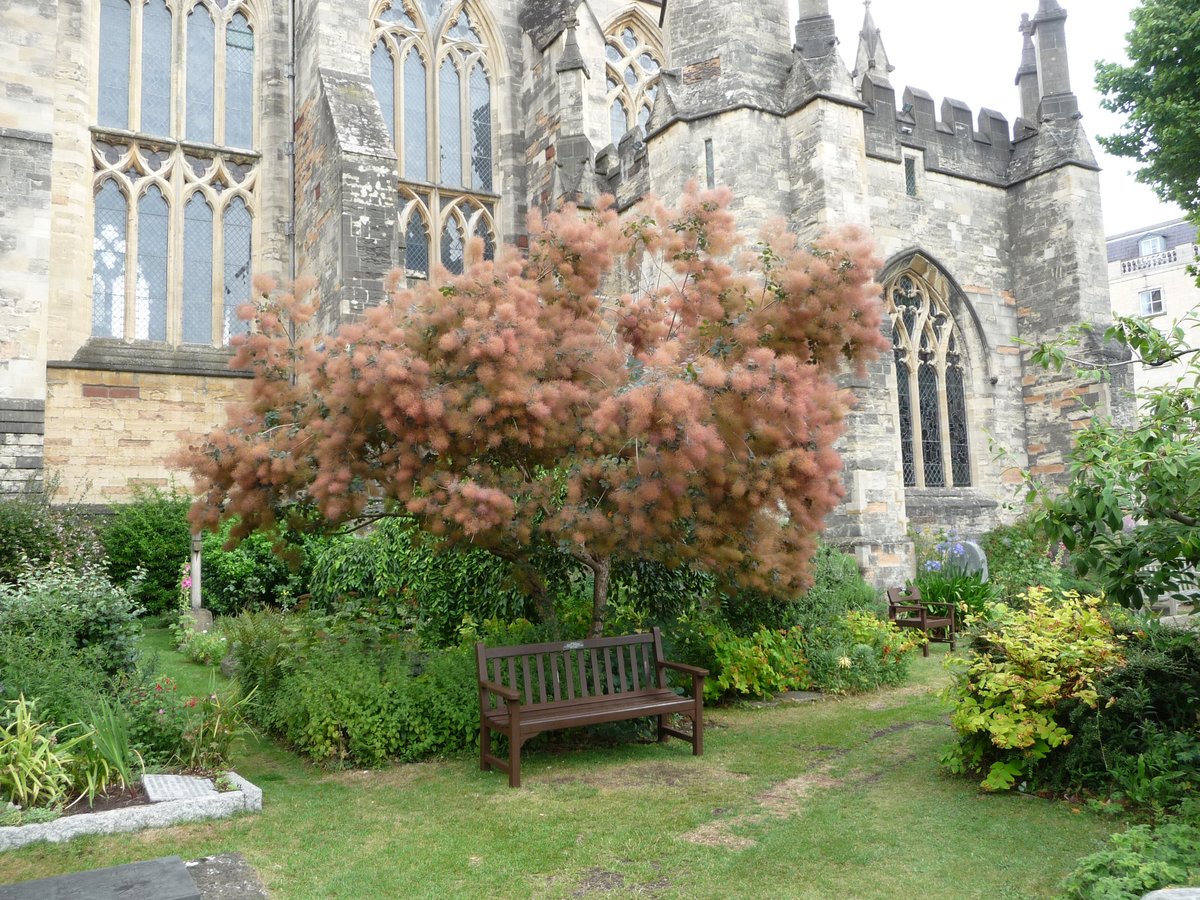
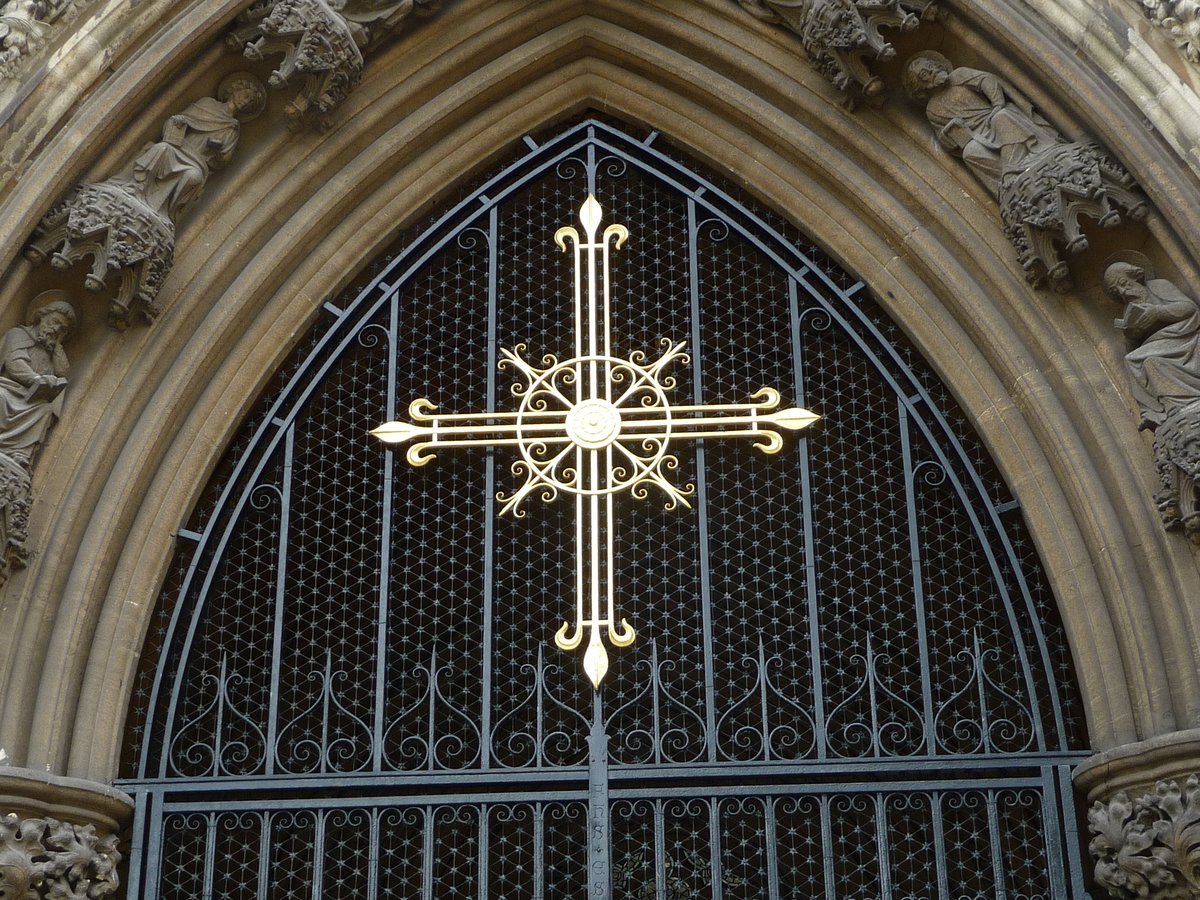
Bristol Cathedral’s architectural highlights include its Hall Church layout, the Early English Gothic Elder Lady Chapel, intricately carved stonework, and a variety of stained glass windows from the 14th century to the modern era (Ten Things UK, The Crazy Tourist). Self-guided and expert-led tours allow visitors to appreciate the nave, cloisters, gardens, and art in depth (Bristol Cathedral Official). Virtual tours and high-quality images are available online for remote exploration.
Frequently Asked Questions (FAQ)
Q: What are Bristol Cathedral’s visiting hours?
A: Typically 9:00 AM–5:00 PM (Mon-Sat); 12:30 PM–4:30 PM (Sun). Always verify on the official website.
Q: Is there an admission fee or ticket required?
A: Entry is free, with a suggested £5 donation. Tickets may be needed for special tours/events.
Q: Are guided tours available?
A: Yes, guided tours—including Tower Tours—can be booked online.
Q: Is the cathedral accessible?
A: Most main areas are step-free; accessible restrooms are available. Some gardens and historic sections have steps.
Q: Can I bring my dog?
A: Well-behaved dogs on leads are welcome.
Listen to the full story in the app
The whole Bristol Cathedral,
told well.
Audio guides for 1,100+ cities across 96 countries. History, stories, and local insight — offline ready.
Verified, and shown.
Researched and written by the Audiala editorial team from historical records, architectural archives, and local expertise.
Researched from Wikidata, Wikipedia & official sources · fact-checked · How we make our guides →