Plan and listen to Warren'S Hall Country Park with Audiala.
Audio guide in your pocket, itinerary in your browser. Built for the way you actually visit.
Introduction
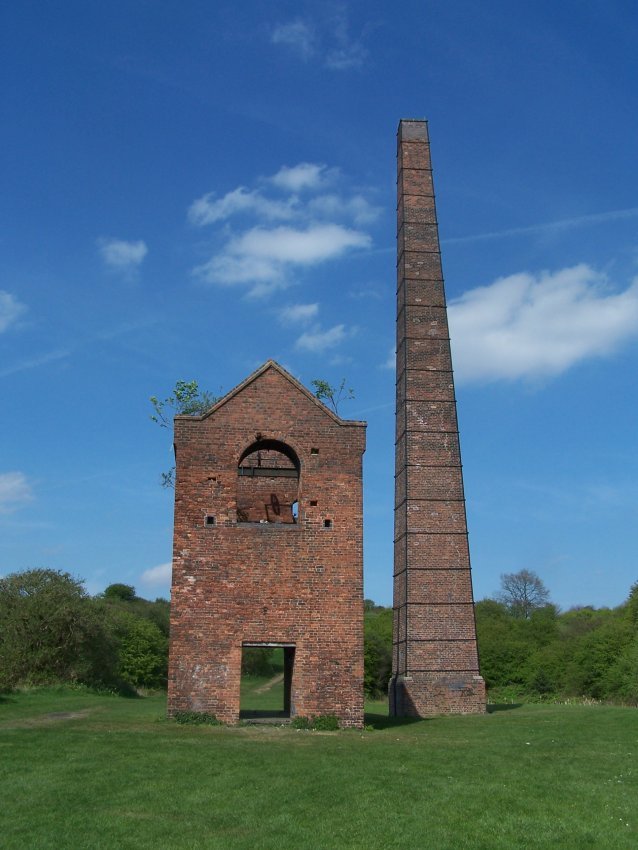
Warrens Hall Nature Reserve, nestled in the heart of the Black Country in Birmingham, United Kingdom, is a captivating destination that harmoniously blends natural beauty with historical and geological significance. This reserve forms an integral part of the Black Country Geopark, a UNESCO Global Geopark designated in 2020 (UNESCO). Renowned for its diverse geological formations dating back to the Carboniferous period—around 300 million years ago—the reserve offers a unique glimpse into the Earth's ancient past. These geological features, including coal seams and fossilized plant remains, provide invaluable insights into the region's industrial heritage, particularly the coal measures that fueled the Industrial Revolution. Visitors can explore remnants of old mine shafts, canal systems, and ironworks, reflecting the bustling industrial activities that once dominated the area (Historic England) (Natural England) (Black Country Geopark).
The reserve is not only a geological marvel but also a haven for biodiversity. It supports a variety of habitats such as woodlands, grasslands, and wetlands, which are home to numerous species of flora and fauna, some of which are rare or endangered. The reserve's management focuses on conservation efforts to protect these species and their habitats. Moreover, Warrens Hall Nature Reserve serves as an outdoor classroom, offering educational programs and resources that engage visitors with its natural and historical significance. Whether you're a geology enthusiast, a history buff, or a nature lover, this guide provides a comprehensive overview of what to expect when visiting Warrens Hall Nature Reserve, including practical information on visiting hours, ticket prices, travel tips, and nearby attractions.

History of Warrens Hall Nature Reserve
Early History and Industrial Significance
Warrens Hall Nature Reserve is steeped in a rich history that dates back to the Industrial Revolution. The Black Country, known for its significant contribution to industrial advancements, is home to this historical site where remnants of the past, such as old mine shafts, canal systems, and ironworks, can still be observed (Historic England).
Visitor Information
Visiting Hours and Tickets
- Visiting Hours: Warrens Hall Nature Reserve is open daily from 9:00 AM to 6:00 PM.
- Tickets: Entry to the reserve is free, but certain special events or guided tours may require a ticket. Check the official website for the latest information on ticket prices and availability.
Accessibility
The reserve is accessible to visitors of all abilities. Paved pathways and designated viewing areas ensure that everyone can enjoy the natural beauty and historical landmarks.
Travel Tips
Getting There
Warrens Hall Nature Reserve is easily accessible by public transport, with several bus routes stopping nearby. For those driving, ample parking is available on-site. The nearest train station is Rowley Regis, which is approximately 2 miles away. From the station, you can take a bus or a taxi to reach the reserve (National Rail) (West Midlands Travel).
Nearby Attractions
While visiting, consider exploring other nearby attractions such as the Black Country Living Museum and Dudley Zoo.
Special Events and Guided Tours
The reserve hosts various events throughout the year, including guided nature walks, historical tours, and photography workshops. Check the events calendar on the official website for more details.
Geological Importance
Warrens Hall Nature Reserve is a key component of the Black Country Geopark, which was designated as a UNESCO Global Geopark in 2020. The site is renowned for its geological diversity, showcasing rock formations that date back to the Carboniferous period, approximately 300 million years ago. These formations provide invaluable insights into the Earth's history, particularly the development of coal measures that fueled the Industrial Revolution. The reserve's geological features include coal seams, ironstone layers, and fossilized plant remains, making it a significant location for both amateur and professional geologists (UNESCO).
Biodiversity and Conservation
The nature reserve is a haven for biodiversity, supporting a variety of habitats such as woodlands, grasslands, and wetlands. These habitats are home to numerous species of flora and fauna, some of which are rare or endangered. The reserve's management focuses on conservation efforts to protect these species and their habitats. For instance, the presence of ancient woodland areas within the reserve supports a diverse range of plant species, including bluebells and wood anemones, which are indicators of long-established woodlands (Natural England).
Educational Value
The reserve serves as an outdoor classroom, offering educational programs and resources for schools and visitors. These programs are designed to engage participants with the natural and historical significance of the site, fostering a deeper understanding and appreciation of the environment.
Wildlife Watching
The reserve is home to a diverse range of wildlife, including birds, mammals, and insects. Birdwatchers can spot species such as the kingfisher, heron, and various types of warblers. Early mornings and late afternoons are the best times for wildlife watching. Remember to maintain a respectful distance from the animals and avoid disturbing their natural habitat.
Safety Tips
- Stay on Marked Trails: To protect both yourself and the environment, always stay on designated paths.
- Check Weather Conditions: Before heading out, check the local weather forecast to ensure you are prepared for any changes.
- Inform Someone of Your Plans: If you are exploring alone, let someone know your itinerary and expected return time.
- Carry a Mobile Phone: Ensure your phone is fully charged and has emergency contact numbers saved.
Photography Tips
Warrens Hall Nature Reserve offers numerous opportunities for photography enthusiasts. Here are some tips to make the most of your visit:
- Golden Hours: The early morning and late afternoon light provide the best conditions for landscape photography.
- Macro Photography: Bring a macro lens to capture the intricate details of flowers, insects, and other small subjects.
- Wildlife Photography: Use a telephoto lens to photograph birds and other wildlife from a distance without disturbing them.
- Tripod: A tripod can be useful for stable shots, especially in low light conditions.
Local Amenities
While the reserve itself does not have facilities such as cafes or restrooms, there are several amenities available in the nearby towns of Dudley and Rowley Regis. These include restaurants, shops, and public restrooms. It is advisable to plan your visit accordingly and make use of these facilities before or after your trip to the reserve.
Environmental Responsibility
Visitors are encouraged to follow the principles of Leave No Trace to minimize their impact on the environment. This includes:
- Taking All Rubbish Home: Ensure you carry out all litter, including biodegradable waste.
- Respecting Wildlife: Observe animals from a distance and do not feed them.
- Staying on Paths: To protect the natural habitat, avoid trampling on vegetation and stick to marked trails.
- Using Eco-Friendly Products: If you need to use insect repellent or sunscreen, opt for eco-friendly options to minimize harm to the environment.
FAQ
Q: What are the Warrens Hall Nature Reserve visiting hours?
A: The reserve is open daily from 9:00 AM to 6:00 PM.
Q: Is there an entry fee for Warrens Hall Nature Reserve?
A: Entry is free, but some special events or guided tours may require a ticket.
Q: Are there facilities for disabled visitors?
A: Yes, the reserve is accessible to visitors of all abilities with paved pathways and designated viewing areas.
Q: How do I get to Warrens Hall Nature Reserve by public transport?
A: The nearest train station is Rowley Regis, which is approximately 2 miles away. From the station, you can take a bus or a taxi to reach the reserve.
Q: Are guided tours available?
A: Yes, the reserve offers guided tours and special events throughout the year. Check the website for the latest information.
Listen to the full story in the app
The whole Warren'S Hall Country Park,
told well.
Audio guides for 1,100+ cities across 96 countries. History, stories, and local insight — offline ready.
Verified, and shown.
Researched and written by the Audiala editorial team from historical records, architectural archives, and local expertise.
Researched from Wikidata, Wikipedia & official sources · fact-checked · How we make our guides →