Introduction
The Boy Scouts War Memorial, located in Cannon Hill Park, Birmingham, is a significant tribute to the young members of the Scouting movement who lost their lives during the First and Second World Wars. Set within one of Birmingham’s most beloved green spaces, the memorial not only commemorates the sacrifices of Scouts but also serves as a focal point for community remembrance, education, and reflection. This guide provides a thorough overview of the memorial’s history, design, cultural significance, accessibility, and practical visitor information to help you plan a meaningful visit.
For further details and planning resources, please refer to Historic England, Birmingham City Council, and the Cannon Hill Park official website.
History and Origins
The Boy Scouts War Memorial was conceived in the aftermath of the First World War as a way to honor Birmingham Scouts who made the ultimate sacrifice (Historic England). Driven by the Old Scouts Association, the memorial was funded through a citywide campaign and officially inaugurated in the early 1920s. Its purpose expanded after the Second World War, with additional inscriptions commemorating those lost in subsequent conflicts.
The memorial’s establishment was part of a broader movement across the UK to recognize the contributions of both military personnel and civilian groups, such as Scouts, who played vital roles during times of war (Birmingham City Council).
Design and Symbolism
Monument Structure
The memorial is a striking triangular-plan Classical obelisk, designed by notable Birmingham architect William Haywood FRIBA. Constructed from concrete and set atop a corniced pedestal with scrolled feet, the structure emanates dignity and permanence. A flower-lined path leads to the memorial, which is complemented by an avenue of trees—each dedicated to a fallen Scout—planted along Queen’s Ride (Historic England).
Inscriptions and Artistic Elements
The memorial bears solemn inscriptions dedicated to Scouts lost in the world wars, with additional engravings added after WWII. The avenue of trees personalizes the tribute, associating each with an individual Scout. Architectural features such as the fleur-de-lis, formal serif fonts, and careful relief work add artistic depth and emphasize the enduring values of the Scouting movement.
Location and Setting
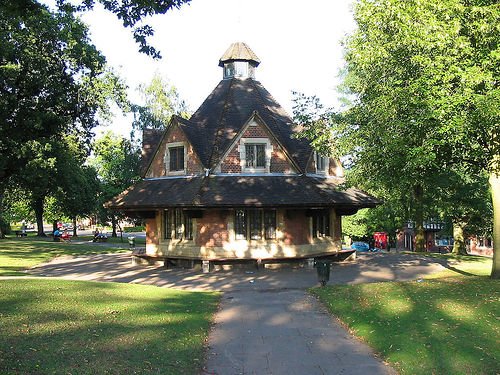
Cannon Hill Park, gifted to the people of Birmingham by Louisa Ryland in 1873, provides the memorial’s verdant setting. The park spans over 80 acres and is renowned for its mature trees, landscaped gardens, and historic features, including the Grade II listed bandstand and Queen’s Ride (Birmingham City Council). The Boy Scouts War Memorial is easily accessible from the main park entrances and is situated along a prominent pathway, making it an inviting space for reflection and remembrance.
Cultural and Community Significance
As a Grade II listed monument, the Boy Scouts War Memorial is integral to Birmingham’s heritage (Historic England). The site remains a gathering point for annual remembrance ceremonies, Scout commemorations, and educational activities. It stands as a testament to the city’s resilience, the Scouting movement’s values, and the enduring importance of community service (War Memorials Online).
The memorial also fosters intergenerational connections through storytelling, commemorative events, and educational programs, ensuring that the lessons of history remain relevant. Its inclusive spirit reflects Birmingham’s diverse community, honoring Scouts from all backgrounds and promoting unity and respect.
Visiting Information
Hours and Admission
- Opening Hours: Cannon Hill Park, including the Boy Scouts War Memorial, is open daily from dawn until dusk (Cannon Hill Park Official Site).
- Admission: Entry to the park and the memorial is free. No tickets are required.
Accessibility
- Paths: Paved and wheelchair-friendly, ensuring easy access for visitors with mobility needs.
- Facilities: Accessible restrooms are available within the park. Benches and shaded areas near the memorial provide comfort for all visitors.
- Parking: Designated parking, including disabled spaces, is available near main entrances.
Getting There
- Public Transport: Multiple bus routes connect Birmingham city centre to Cannon Hill Park. The nearest stop is “Cannon Hill Park Entrance.”
- By Car: Follow signs to park entrances on Edgbaston Road or Russell Road.
- Cycling: Bike racks are located near park entrances.
Visitor Etiquette
- Photography: Permitted for personal use. Please be considerate, especially during ceremonies.
- Conduct: Maintain a respectful atmosphere. Avoid loud conversations and disruptive behavior.
- Events: During remembrance ceremonies, silence and observance of event protocols are expected.
Educational and Special Events
The memorial serves as a learning site for Scout groups and schools, with interpretive signs and guided tours available through the park’s visitor center or by arrangement with local Scout organizations. Annual events such as Remembrance Sunday and Scout-led ceremonies engage the community and reinforce the memorial’s educational value (Thrillophilia).
Conservation is overseen by the War Memorials Trust, with local volunteers supporting regular cleanups and maintenance.
Nearby Attractions
- Grade II listed Bandstand
- Boer War and Korean War Memorials
- Birmingham Wildlife Conservation Park (Birmingham City Council)
- MAC Birmingham arts center (MAC Birmingham)
- Birmingham Botanical Gardens
- Edgbaston Reservoir
- University of Birmingham and Edgbaston Cricket Ground
Cannon Hill Park itself offers plentiful amenities including a café, children’s play areas, a boating lake, and scenic trails.
Frequently Asked Questions (FAQ)
Q: What are the visiting hours for the Boy Scouts War Memorial?
A: The memorial is accessible daily from dawn until dusk within Cannon Hill Park.
Q: Is there an entry fee or ticket required?
A: No, the park and the memorial are free to visit.
Q: Is the memorial accessible for visitors with disabilities?
A: Yes, paved paths and accessible restrooms are provided.
Q: Can I arrange a guided tour?
A: Guided tours can be organized through the park’s visitor center, especially for educational groups.
Q: Can I take photographs?
A: Yes, photography is allowed for personal use. Please be respectful during ceremonies.
Q: What are the best times to visit?
A: Spring and summer, particularly early mornings or late afternoons, offer the most pleasant and serene experience.
Listen to the full story in the app
Your Personal Curator, in Your Pocket.
Audio guides for 1,100+ cities across 96 countries. History, stories, and local insight — offline ready.
Audiala App
Available on iOS & Android
Join 50k+ Curators
Sources
- verified
- verified
- verified
- verified
- verified
- verified
Last reviewed: