Plan and listen to Packwood House with Audiala.
Audio guide in your pocket, itinerary in your browser. Built for the way you actually visit.
Introduction
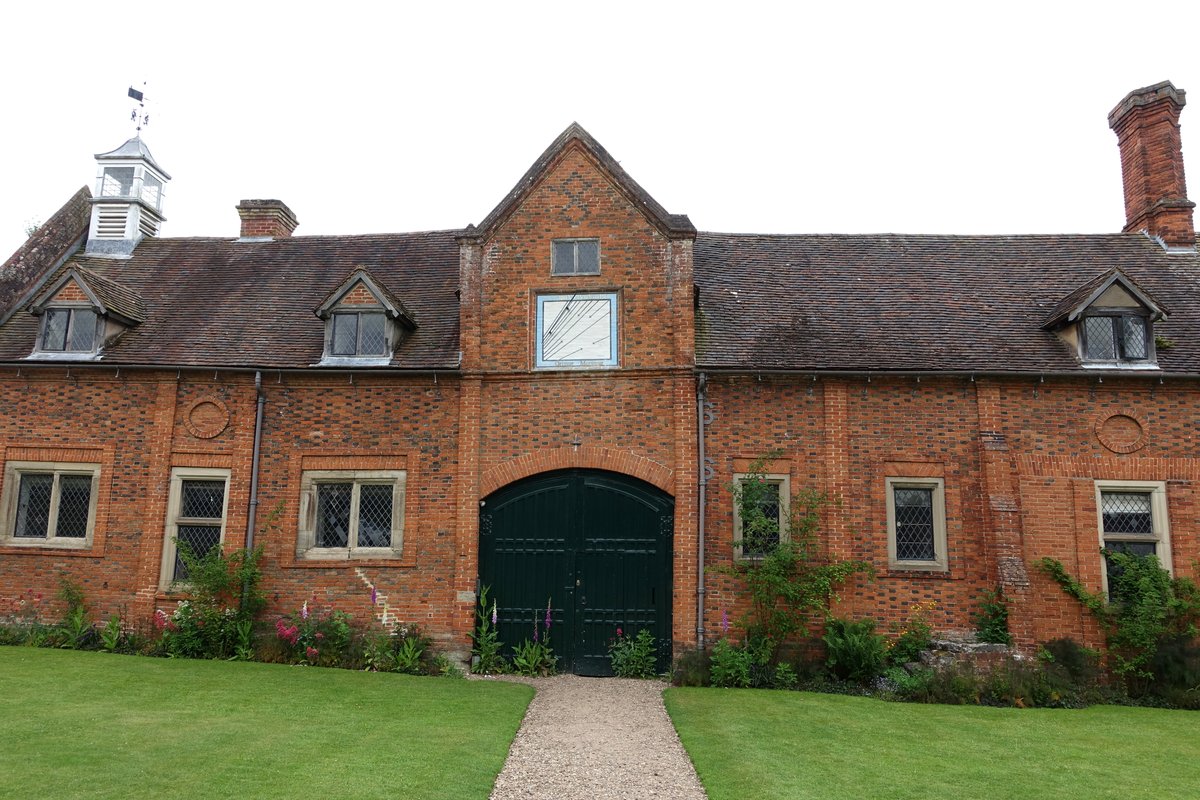
Nestled in the heart of England, Packwood House offers a captivating journey through centuries of history, architectural evolution, and the enduring legacy of the Fetherston family. This grand estate, predominantly Elizabethan in character, is a testament to the architectural fervor and societal shifts that have shaped England over the centuries. From its humble beginnings as a 12th-century timber-framed farmhouse to its transformation into a grand Elizabethan manor by the ambitious John Fetherston in the 16th century, Packwood House stands as a symbol of rising status and influence. Its walls have witnessed the intrigue of the Gunpowder Plot, the refinement of the Victorian era, and the meticulous preservation efforts of the National Trust. Visitors today can explore richly furnished rooms, each offering a glimpse into the lives of the Fetherston family and their descendants, and wander through 10 acres of diverse and meticulously maintained gardens (National Trust, The Telegraph). This guide provides comprehensive information on visiting hours, ticket prices, travel tips, and more, ensuring a memorable visit to this historical gem.

Historical Background and Significance
The Early Years - A Medieval Foundation
The story of Packwood begins in the 12th century with a timber-framed farmhouse, the earliest known structure on the site. This humble dwelling marked the beginning of a long association between the land and the people who would shape its destiny. Over time, this farmhouse underwent various transformations, reflecting the evolving needs and aspirations of its inhabitants.
The Rise of the Fetherstons
In the 16th century, the property came into the possession of John Fetherston, a prosperous landowner. This marked a turning point in Packwood's history. The Fetherstons, a family with deep roots in the region, would become synonymous with Packwood for the next four centuries. John Fetherston, imbued with ambition and a desire to leave his mark, embarked on an ambitious project to transform the existing structure into a grand Elizabethan manor.
The Elizabethan Era - A Transformation Unfolds
The late 16th century saw the existing farmhouse enveloped within a new structure, reflecting the architectural trends of the Elizabethan era. This period was a time of great change and prosperity for England, and Packwood's transformation mirrored this national narrative. The house became a symbol of the Fetherston family's rising status and influence.
A Royal Connection - The Gunpowder Plot
Packwood's history is also touched by intrigue and rebellion. It is believed that the house played a small, yet significant, role in the infamous Gunpowder Plot of 1605. The plot, orchestrated by a group of English Catholics to assassinate King James I and destroy the Houses of Parliament, sought to install a Catholic monarch and end the persecution of Catholics in England. One of the conspirators, Robert Catesby, is said to have sought refuge at Packwood House following the plot's failure. While the extent of Packwood's involvement remains shrouded in some mystery, this historical footnote adds a layer of intrigue to the house's story.
The Victorian Era - A Time of Refinement
The Victorian era brought about further changes to Packwood, reflecting the evolving tastes and sensibilities of the time. The house underwent significant renovations and expansions during this period, with a focus on comfort, elegance, and the incorporation of modern amenities. The gardens, too, were remodeled to align with the Victorian passion for horticulture and landscape design.
The National Trust - Preserving a Legacy
In 1941, with no heir to inherit the estate, Packwood House was bequeathed to the National Trust. This marked the beginning of a new chapter for the house, ensuring its preservation for generations to come. The National Trust, a conservation organization dedicated to preserving places of historic interest or natural beauty, has meticulously maintained and restored Packwood House and its gardens, allowing visitors to experience a tangible connection to England's past.
Packwood Today - A Window into the Past
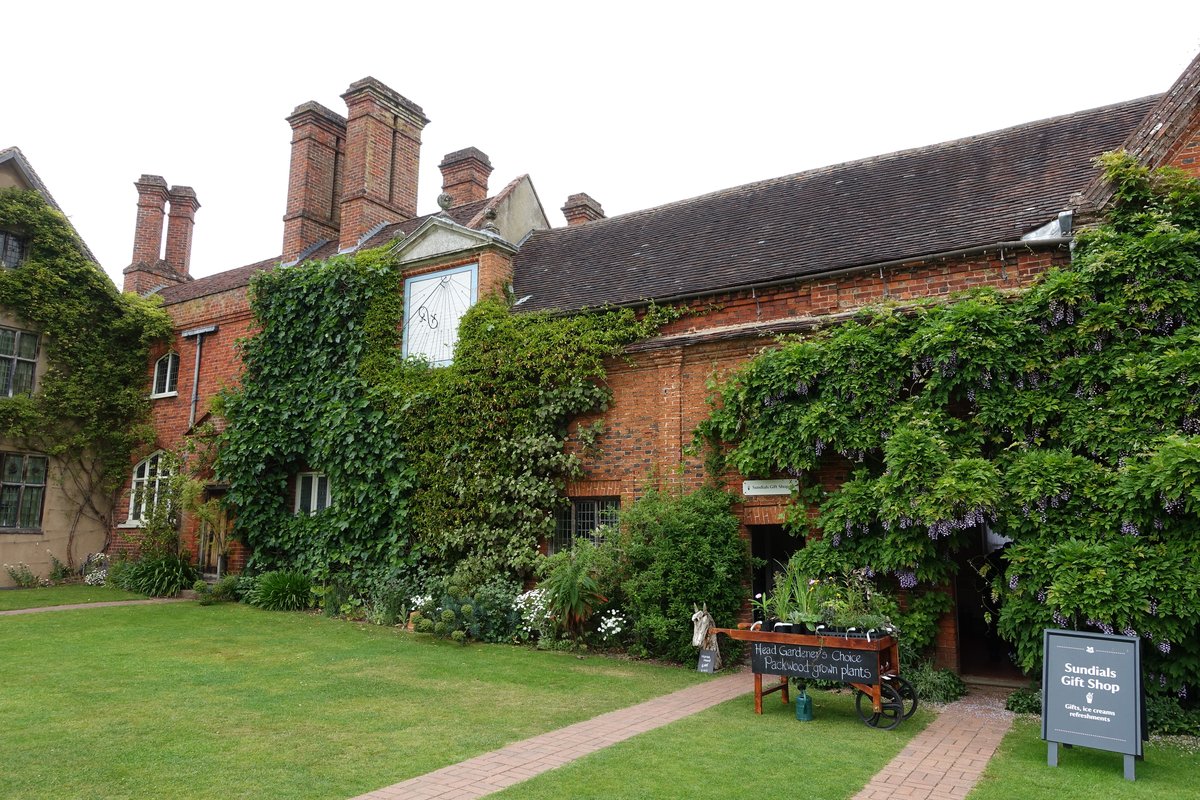
Today, Packwood House stands as a captivating blend of architectural styles, reflecting the tastes and influences of different eras. Visitors can explore the house's richly furnished rooms, each offering a glimpse into the lives of the Fetherston family and their descendants. The house is particularly renowned for its fine collection of textiles, furniture, and artwork, showcasing the craftsmanship and artistry of bygone eras.
The Gardens - A Horticultural Delight
Beyond the house itself, the gardens of Packwood are a sight to behold. Spread across 10 acres, they showcase a diverse range of horticultural styles and planting schemes. From the meticulously manicured Yew Garden, with its intricate topiary, to the vibrant herbaceous borders and the tranquil pool garden, there is something to captivate every visitor. The gardens are a testament to the enduring human fascination with nature and the art of cultivation.
Visiting Hours and Ticket Information
Packwood House is open to the public throughout the year, with varying visiting hours depending on the season. Generally, the house opens at 10:30 AM and closes at 5:00 PM, but it is advisable to check the official National Trust website for the most up-to-date information. Tickets can be purchased online or at the entrance. Prices are as follows:
- Adults: £12.00
- Children: £6.00
- Family: £30.00
Travel Tips
- How to Get There: Packwood House is accessible by car, with ample parking available on-site. For those using public transport, the nearest train station is Dorridge, with taxi services available from the station to the house.
- Best Time to Visit: Spring and summer are ideal times to visit, as the gardens are in full bloom. However, each season offers a unique experience.
- What to Bring: Comfortable walking shoes, a camera for capturing the picturesque views, and a picnic to enjoy in the gardens.
- Nearby Attractions: Baddesley Clinton, another historic house managed by the National Trust, is just a short drive away. Kenilworth Castle and Warwick Castle are also within easy reach.
- Accessibility: Packwood House offers facilities for visitors with disabilities, including accessible parking, toilets, and designated pathways.
Special Events and Guided Tours
Packwood House hosts a variety of special events throughout the year, from garden tours and historical reenactments to festive celebrations. Guided tours are available for those who wish to delve deeper into the history and architecture of the house. These tours are led by knowledgeable guides and offer a fascinating insight into the life and times of the Fetherston family.
Photographic Spots
Packwood House is a photographer's dream. Key spots for capturing the beauty of the estate include the Yew Garden, the reflecting pool, and the grand facade of the house itself. Don't miss the opportunity to snap a photo of the Elizabethan knot garden, a masterpiece of horticultural design.
FAQ
Q: Are there any dining facilities at Packwood House? A: Yes, there is a café on-site offering a range of refreshments, including hot meals, sandwiches, and cakes.
Q: Can I bring my dog to Packwood House? A: Dogs are welcome in the gardens but must be kept on a lead. They are not allowed inside the house.
Q: Is photography allowed inside the house? A: Photography is permitted in certain areas of the house, but flash photography and tripods are not allowed.
Q: Are there any discounts available for group bookings? A: Yes, discounts are available for groups of 15 or more. It's advisable to book in advance.
Listen to the full story in the app
The whole Packwood House,
told well.
Audio guides for 1,100+ cities across 96 countries. History, stories, and local insight — offline ready.
Verified, and shown.
Researched and written by the Audiala editorial team from historical records, architectural archives, and local expertise.
Researched from Wikidata, Wikipedia & official sources · fact-checked · How we make our guides →