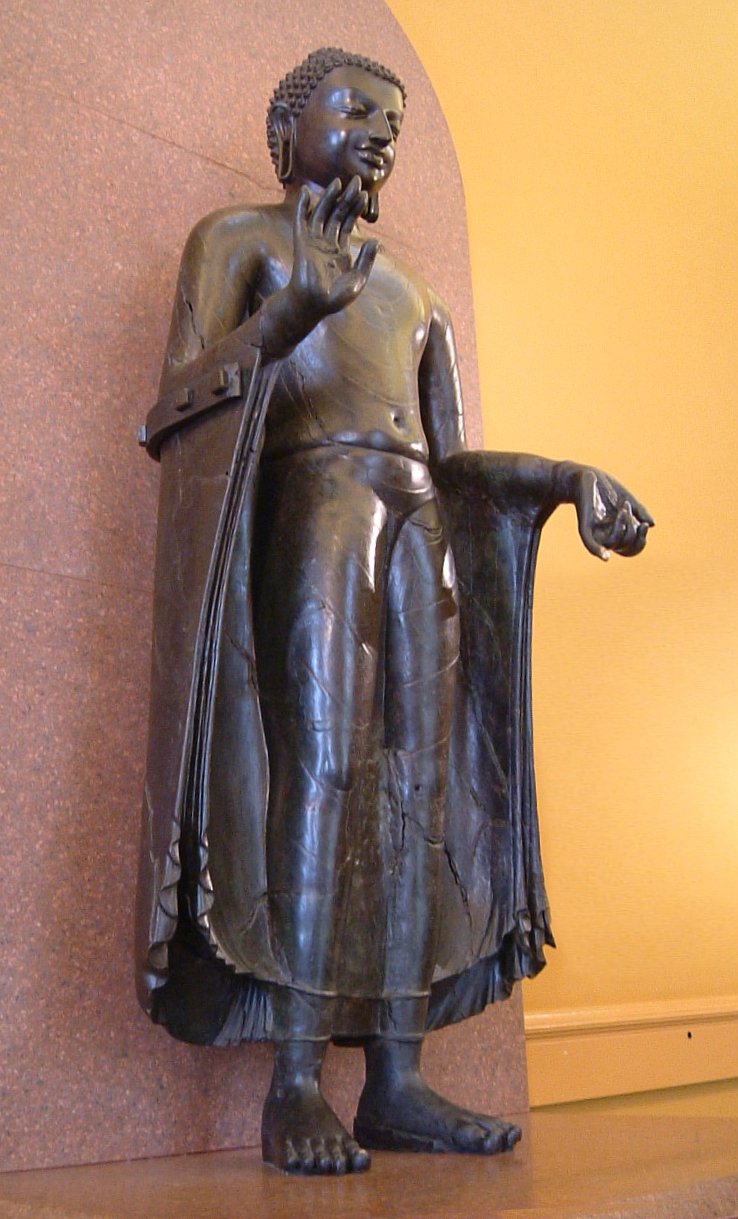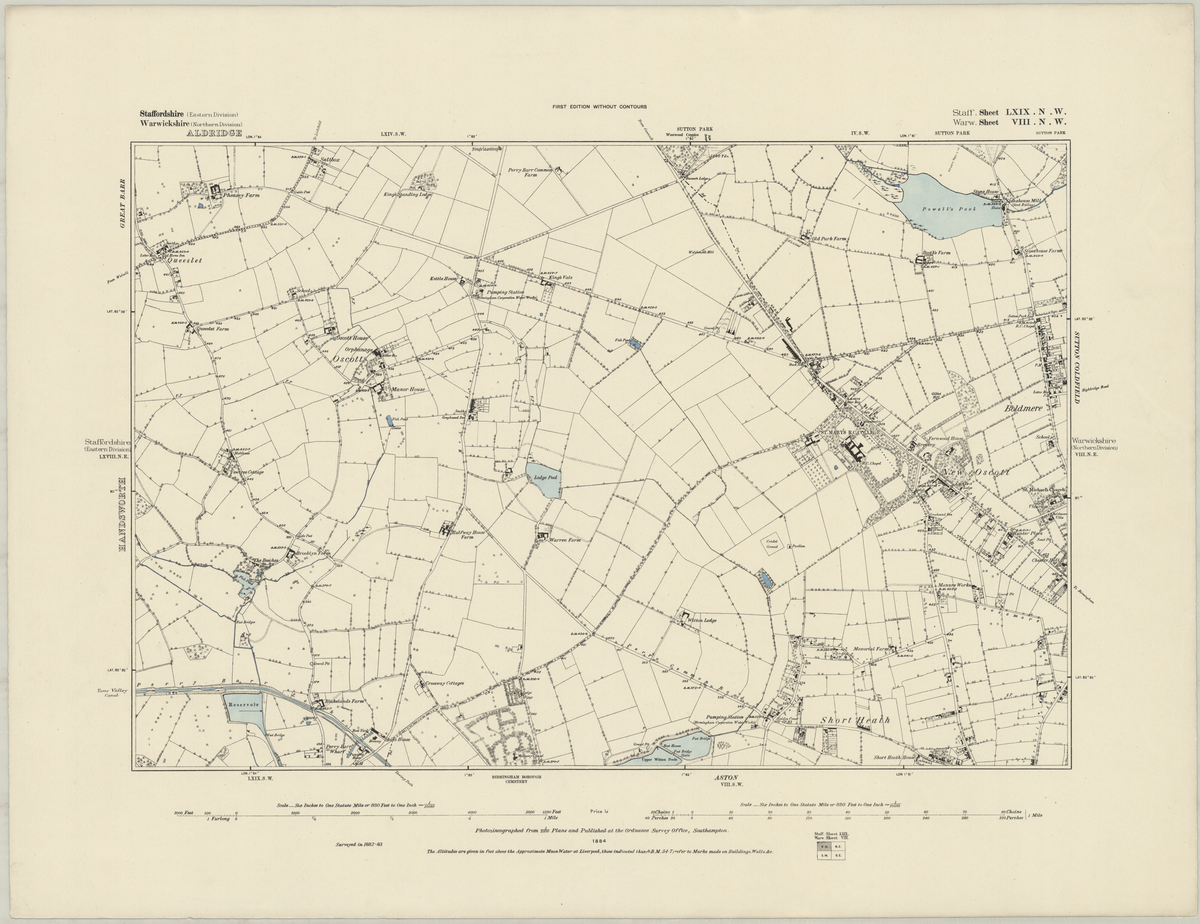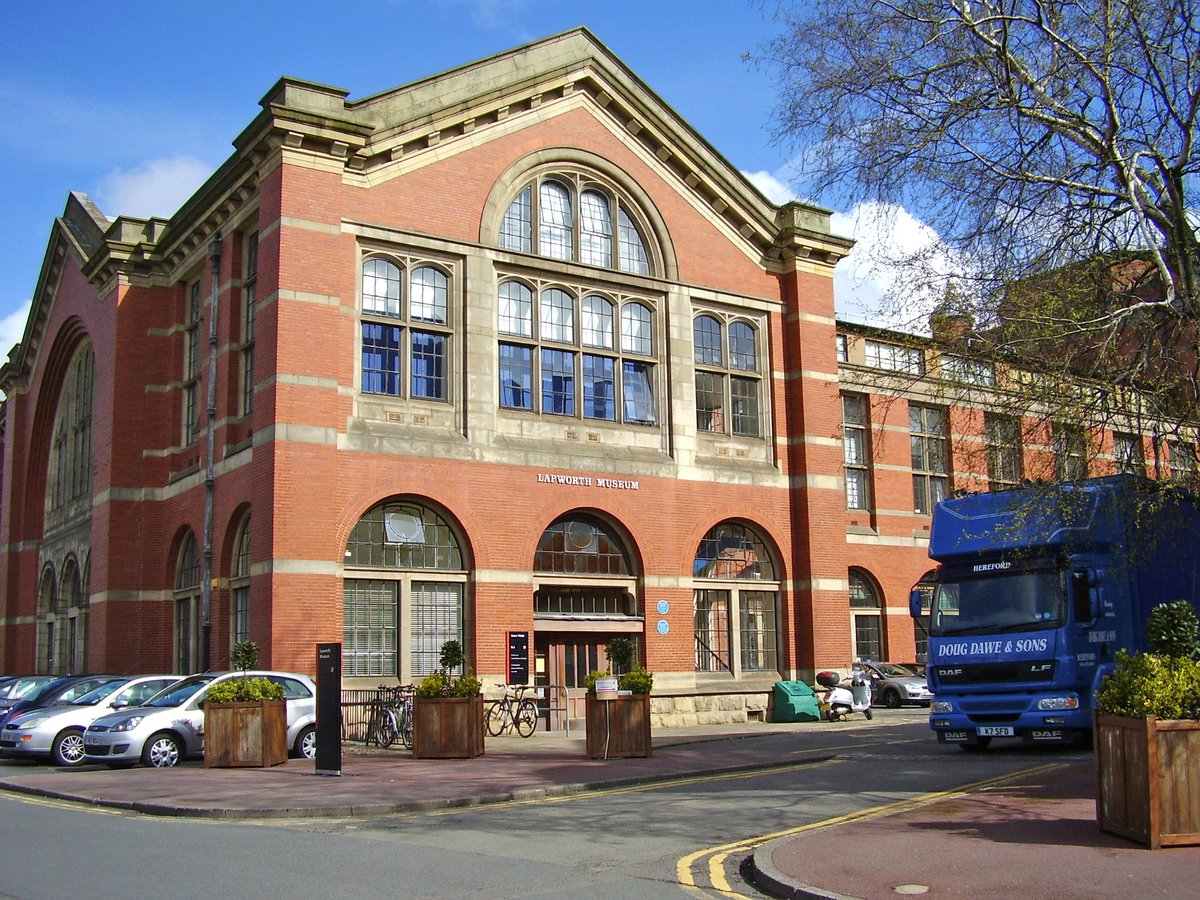
Plan and listen to Lapworth Museum Of Geology with Audiala.
Audio guide in your pocket, itinerary in your browser. Built for the way you actually visit.
Introduction to Lapworth Museum of Geology
The Lapworth Museum of Geology, located at the University of Birmingham, stands as a testament to the rich geological history and academic dedication of its namesake, Charles Lapworth. Established in 1880, this museum offers visitors a unique glimpse into the Earth's geological past through its extensive collections of fossils, minerals, and rocks. Named after the pioneering geologist Charles Lapworth, who made significant contributions to stratigraphy and paleontology, the museum has evolved from a teaching resource into one of the UK's premier geological museums (University of Birmingham).
The museum's significance is not just historical but also educational and research-oriented. Over the decades, it has expanded its collection through generous donations and acquisitions, making it a crucial resource for geological research and public education. The integration of technology, including interactive displays and digitized collections, has further enhanced its role as an educational hub (Digital Birmingham).
Visitors to the Lapworth Museum can expect a comprehensive experience that includes meticulously curated exhibits, educational programs, and interactive displays. The museum's commitment to accessibility ensures that it can be enjoyed by all, making it a must-visit for anyone interested in geology, whether for academic purposes or casual exploration. This guide will provide detailed information on the museum's history, visitor information, significant collections, and much more, ensuring you have all the information needed for a memorable visit.

History and Evolution of the Lapworth Museum of Geology
Founding and Early Years
The Lapworth Museum of Geology was established in 1880. Named after Charles Lapworth, a pioneering geologist known for his work on the Ordovician and Silurian periods, the museum initially served as a teaching resource for the university's geology department. Lapworth's innovative methods in stratigraphy and paleontology laid the foundation for the museum's extensive collection (University of Birmingham).
Expansion and Development
In the early 20th century, the museum's collection grew significantly due to donations and acquisitions. Notable contributions came from the Geological Society of London and private collectors. This period also saw the introduction of educational programs aimed at engaging the public and promoting geological sciences (Geological Society of London).
World War II and Post-War Era
During World War II, the museum faced significant challenges, including the threat of bombings and resource shortages. Despite these difficulties, the museum continued to operate, albeit with limited public access. Post-war, the museum underwent a period of reconstruction and modernization. New exhibits were introduced, and the museum's educational outreach programs were revitalized to cater to a broader audience (Birmingham Museums Trust).
Technological Advancements and Modernization
The latter half of the 20th century saw the integration of technology into the museum's exhibits. Interactive displays and multimedia presentations were introduced to enhance the visitor experience. The museum also began digitizing its collection, making it accessible to a global audience through online platforms. This period marked a significant shift towards using technology to educate and engage visitors (Digital Birmingham).
Recent Renovations and Current Status
In 2016, the Lapworth Museum underwent a major renovation funded by the Heritage Lottery Fund and the University of Birmingham. The £2.7 million project aimed to modernize the museum's facilities, improve accessibility, and enhance the visitor experience. The renovation included the creation of new exhibition spaces, interactive displays, and educational resources. Today, the museum is recognized as one of the leading geological museums in the UK, attracting thousands of visitors annually (Heritage Lottery Fund).
Visitor Information
- Opening Hours: The Lapworth Museum of Geology is open Monday to Friday from 10:00 AM to 5:00 PM, and on weekends from 12:00 PM to 5:00 PM. The museum is closed on public holidays.
- Ticket Prices: Admission to the museum is free, although donations are welcome to support its educational and research programs.
- Accessibility: The museum is fully accessible, with ramps, elevators, and accessible restrooms available. Visitors with specific accessibility needs are encouraged to contact the museum in advance.
- Location: The museum is located at the University of Birmingham, Edgbaston, Birmingham, B15 2TT, UK. Detailed directions and parking information can be found on the museum's website.
Significant Collections and Exhibits
The museum's collection is renowned for its breadth and diversity. Key exhibits include:
- Fossil Collection: Featuring specimens from the Cambrian to the Quaternary periods, the fossil collection includes notable finds such as the Dudley Bug (Calymene blumenbachii) and the Rhynie chert fossils, which provide insights into early terrestrial ecosystems (Natural History Museum).
- Mineral Collection: The museum houses an extensive collection of minerals from around the world, including rare and valuable specimens. Highlights include the Hope Diamond's sister stone and a significant collection of British minerals (Mineralogical Society).
- Rock Collection: The rock collection includes samples from various geological formations, providing a comprehensive overview of Earth's geological history. Notable specimens include rocks from the Precambrian Shield and volcanic rocks from the Deccan Traps (Geological Society of America).
Educational and Research Contributions
The Lapworth Museum plays a crucial role in geological education and research. It collaborates with academic institutions, schools, and community organizations to promote the study of geology. The museum offers a range of educational programs, including workshops, lectures, and field trips, designed to engage learners of all ages. Additionally, the museum supports research by providing access to its collections and resources for academic studies (University of Birmingham).
Community Engagement and Public Outreach
The museum is committed to engaging with the local community and promoting public understanding of geology. It hosts a variety of events, including family days, special exhibitions, and public lectures. These initiatives aim to make geology accessible and interesting to a wide audience. The museum also collaborates with local schools to provide educational resources and support for science education (Birmingham City Council).
Nearby Attractions and Travel Tips
While visiting the Lapworth Museum of Geology, consider exploring other nearby attractions in Birmingham, such as the Birmingham Museum and Art Gallery, the Barber Institute of Fine Arts, and the Botanical Gardens. Birmingham offers a range of dining and accommodation options to suit all budgets.
FAQ
- What are the Lapworth Museum of Geology opening hours? The museum is open Monday to Friday from 10:00 AM to 5:00 PM, and on weekends from 12:00 PM to 5:00 PM.
- How much do tickets to the Lapworth Museum cost? Admission is free, though donations are welcome.
- Is the museum accessible? Yes, the museum is fully accessible with ramps, elevators, and accessible restrooms.
Future Directions and Challenges
Looking ahead, the Lapworth Museum aims to continue its mission of education and public engagement. Future plans include expanding the museum's digital presence, developing new exhibits, and enhancing its educational programs. However, the museum also faces challenges, such as securing funding and adapting to changing visitor expectations. Addressing these challenges will be crucial for the museum's continued success and growth (Museums Association).
Discover More
For the latest updates and information, follow the Lapworth Museum of Geology on social media or visit their official website. Don't forget to check out related articles and download the mobile app Audiala for a comprehensive guide to Birmingham's historical sites.
Listen to the full story in the app
The whole Lapworth Museum Of Geology,
told well.
Audio guides for 1,100+ cities across 96 countries. History, stories, and local insight — offline ready.
Verified, and shown.
Researched and written by the Audiala editorial team from historical records, architectural archives, and local expertise.
(2024)
(2024)
(2024)
(2024)
(2024)
(2024)
(2024)
(2024)
Researched from Wikidata, Wikipedia & official sources · fact-checked · How we make our guides →