Plan and listen to Birmingham Orthodox Cathedral with Audiala.
Audio guide in your pocket, itinerary in your browser. Built for the way you actually visit.
Introduction
The Birmingham Orthodox Cathedral—officially the Cathedral Church of the Dormition of the Mother of God and St. Andrew—is a cornerstone of faith, history, and multicultural identity in Birmingham, UK. Renowned for its harmonious blend of Victorian Gothic architecture and Byzantine Orthodox artistry, the cathedral stands as both a spiritual home for Orthodox Christians and a must-see historical site for visitors of all backgrounds. This guide provides everything you need to plan your visit, from historical context and architectural details to current visiting hours, ticket information, accessibility, and nearby attractions.


Historical Context and Community Origins
Early Foundations
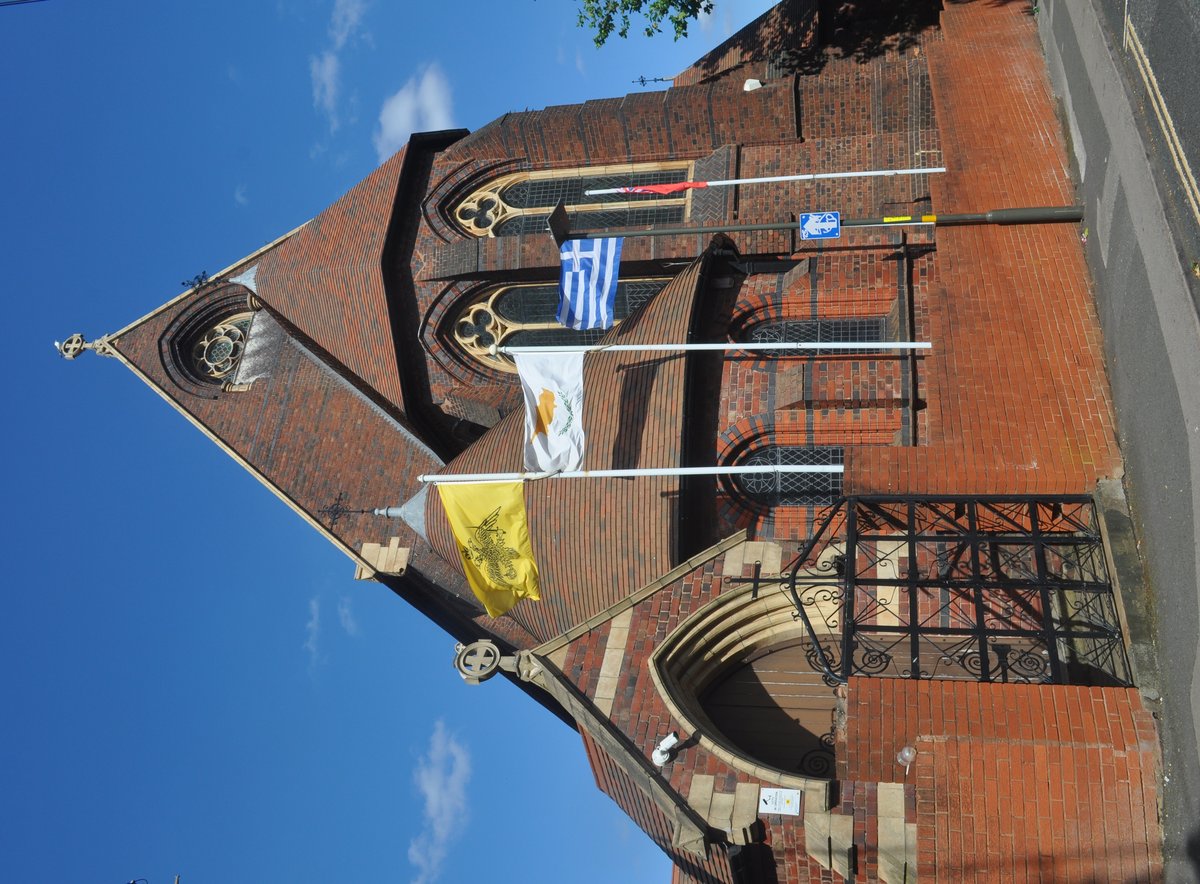
The cathedral’s story begins in 1873 with the construction of a Victorian Gothic church—originally the Anglican Church of St. Luke and St. Paul. In 1958, as waves of Greek and Cypriot immigrants arrived post-World War II, the growing Orthodox community acquired and converted the building into a cathedral (Greek Orthodox Archdiocese of Thyateira and Great Britain). This transition marked not only a shift in religious use but also a powerful statement of cultural adaptation and resilience in a changing Birmingham (Historic England).
The cathedral has since become the heart of Orthodox Christian life in Birmingham, serving a congregation that includes people of Greek, Cypriot, Russian, Eastern European, and Middle Eastern descent (Orthodox World). Its role extends far beyond worship, acting as a hub for education, social support, and the preservation of Hellenic culture.
Architectural Heritage and Artistic Features
Exterior: Victorian Gothic Meets Byzantine Tradition
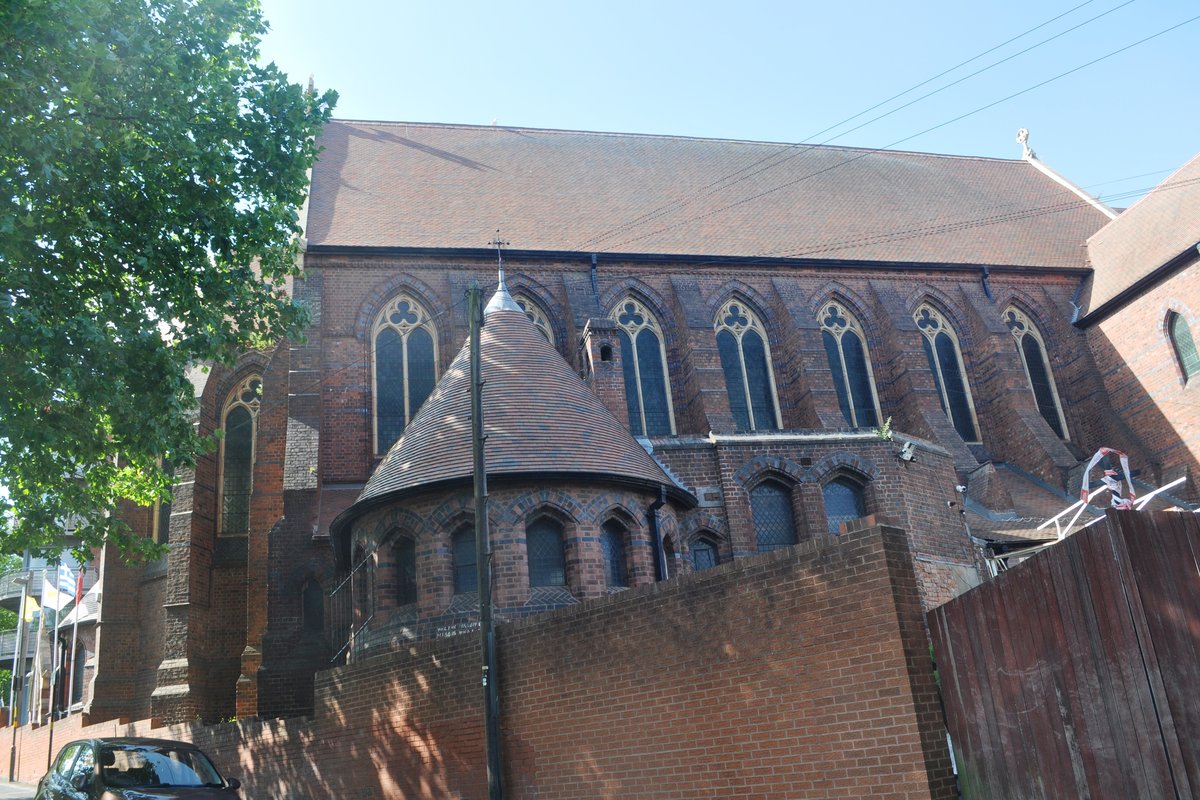
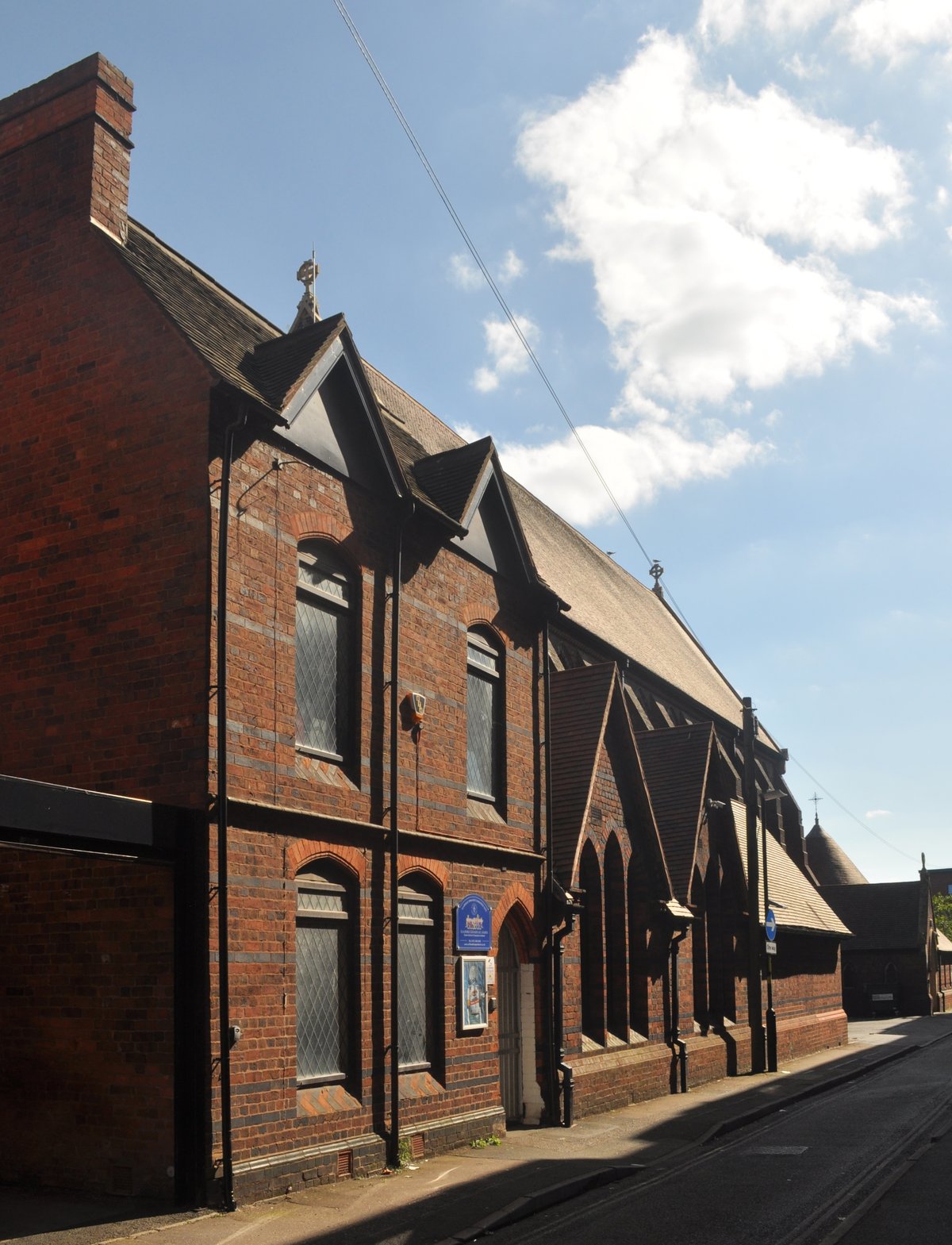
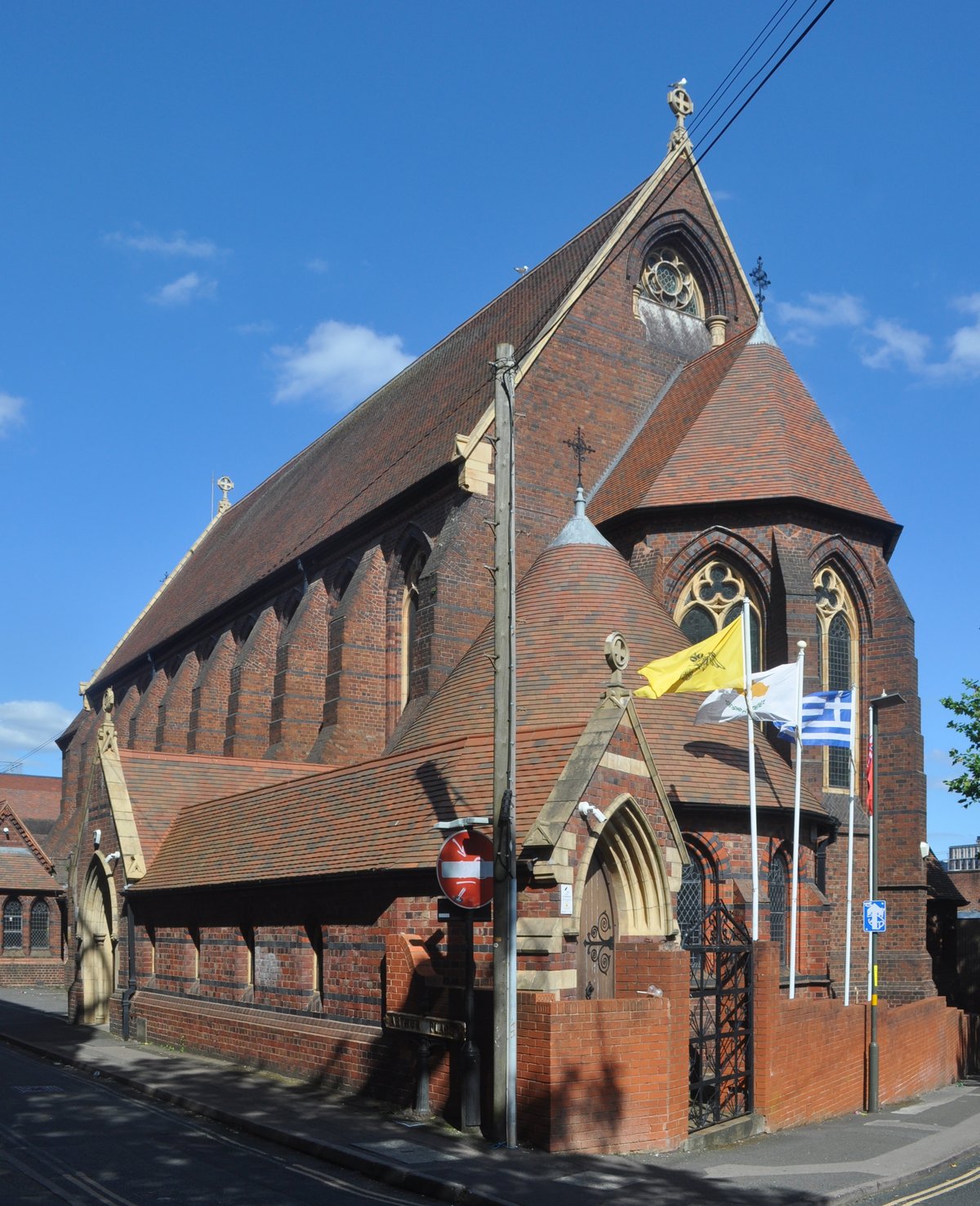
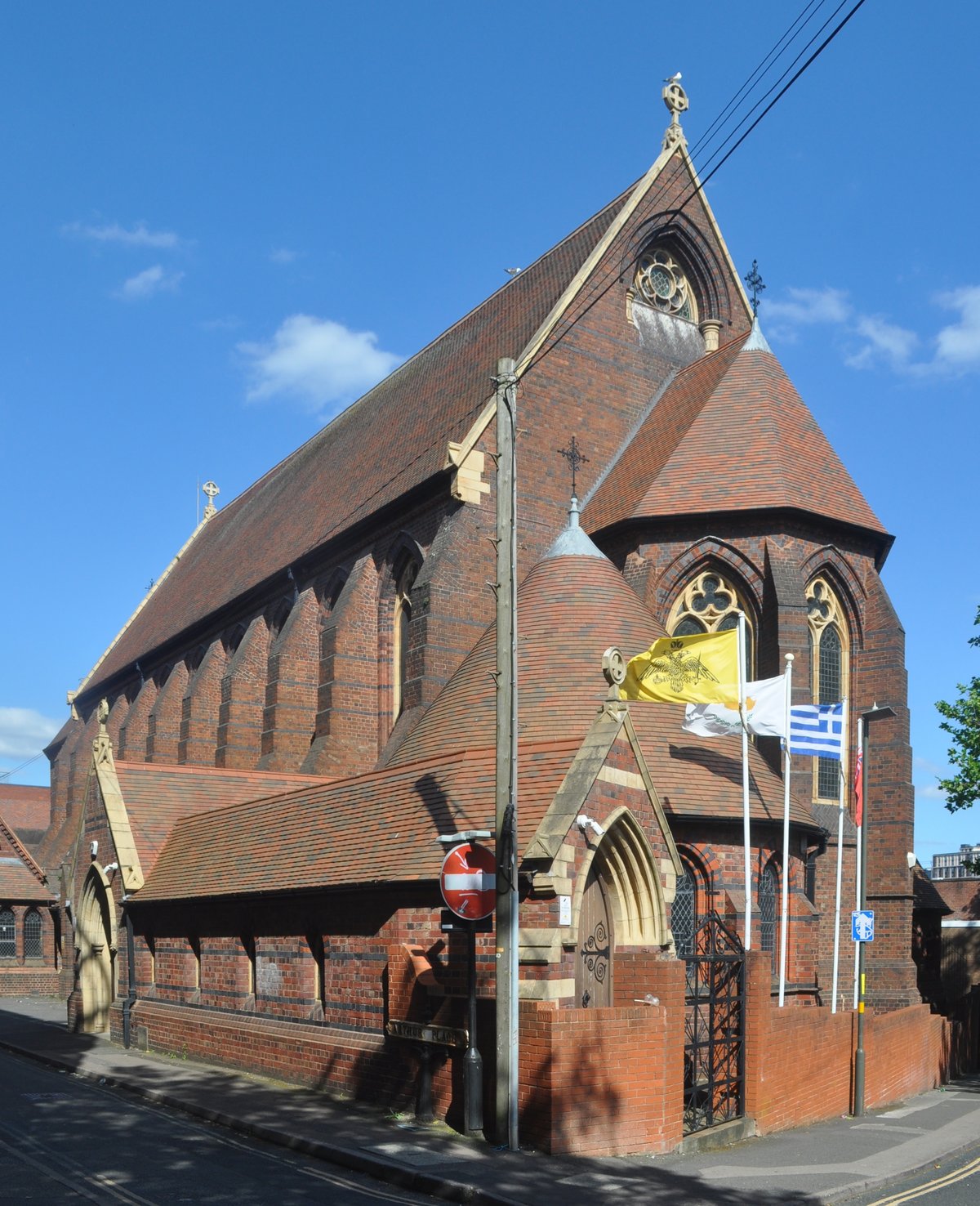
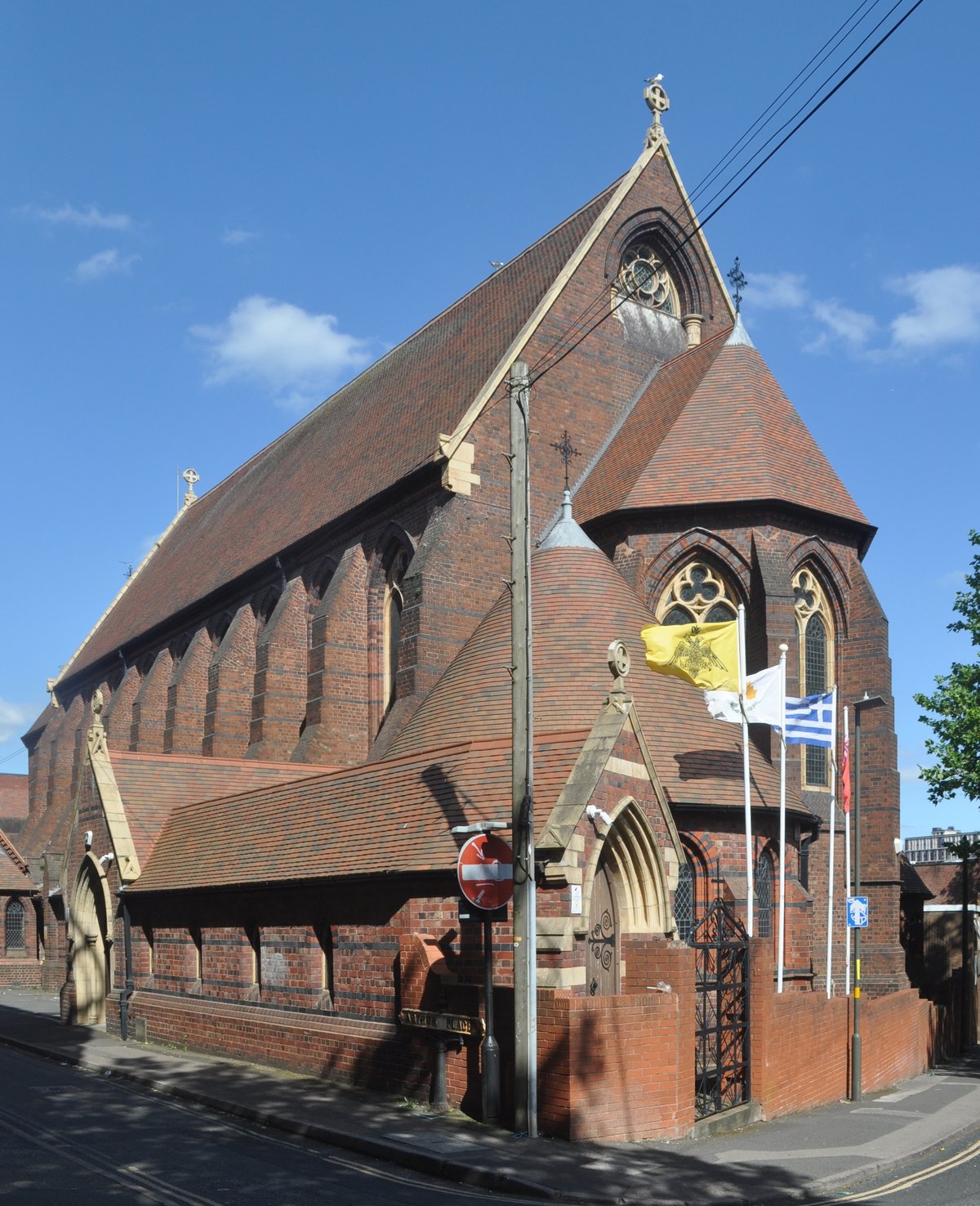
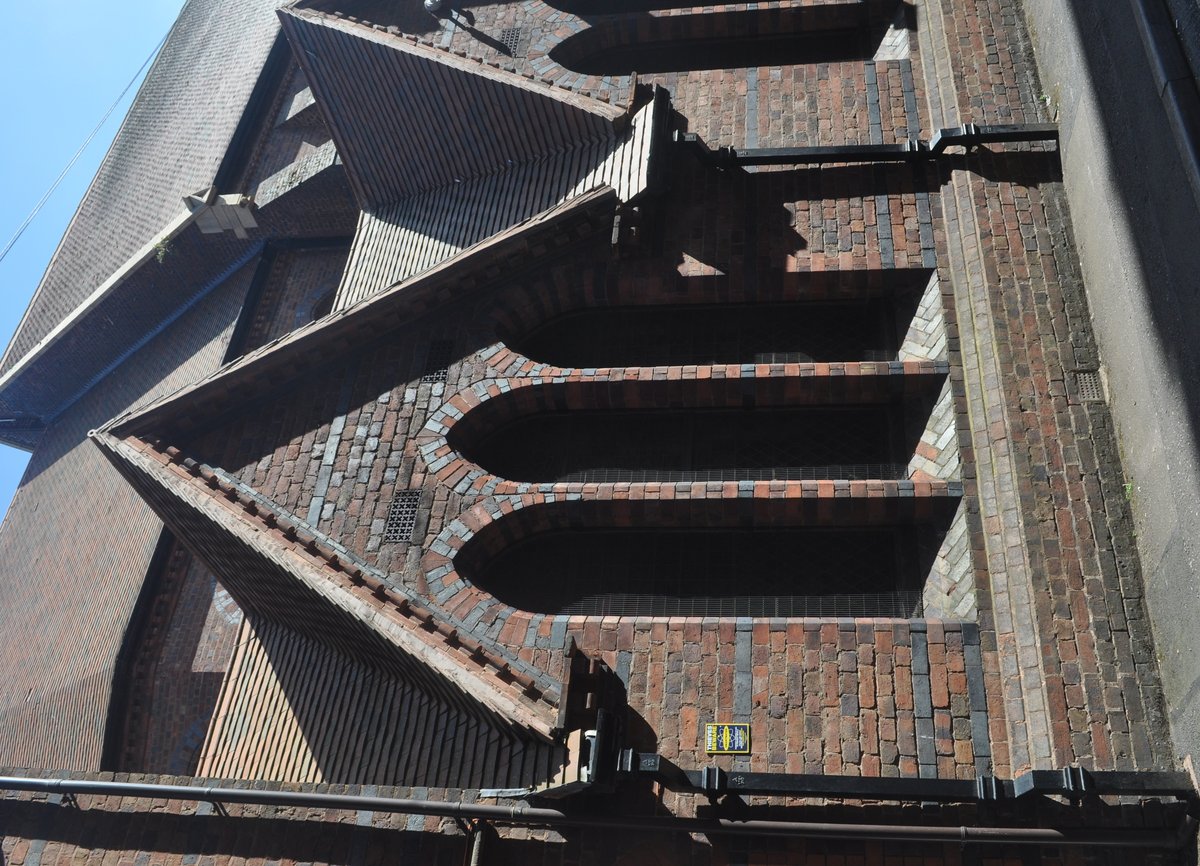
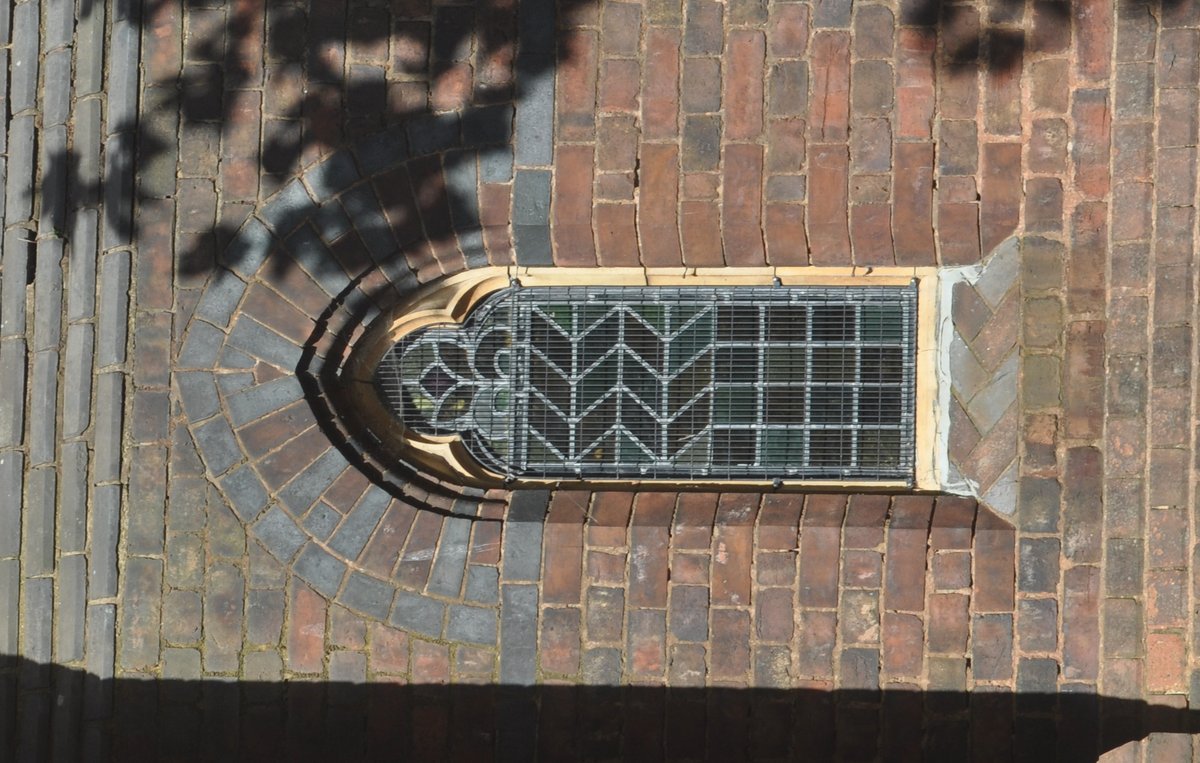
The building’s exterior retains its original Victorian Gothic identity—red brick, stone dressings, pointed arches, buttresses, and an imposing bell tower are hallmarks of 19th-century ecclesiastical architecture (Historic England). Above the sanctuary, the addition of a Byzantine-style dome topped with a gilded cross signals the building’s Orthodox Christian identity.
The main entrance is adorned with mosaics of the Virgin Mary and St. Andrew, created by artisans from Greece and Cyprus. These iconographic elements seamlessly blend Orthodox symbolism with the Victorian facade, illustrating the multicultural evolution of the site.
Interior: Liturgical Space and Iconography
Inside, the cathedral exemplifies the Orthodox tradition’s rich artistic and spiritual heritage. The nave features an oak-carved, gold-gilded iconostasis—an icon screen separating the sanctuary from the congregation, with icons of Christ, the Virgin Mary, and numerous saints (Greek Orthodox Cathedral Birmingham). Behind it lies the sanctuary, decorated with marble imported from Greece and vibrant frescoes.
The dome overhead is painted with a fresco of Christ Pantocrator, surrounded by angels and Old Testament prophets, completed by Greek iconographers in the 1980s. The ceiling and walls portray key events from the life of the Virgin Mary and major Orthodox feasts, immersing visitors in a visual catechism of the faith.
Artistic Details
- Mosaics: Entrance and apse mosaics crafted by Athenian masters, featuring Byzantine motifs like the double-headed eagle.
- Frescoes: Depicting the Dormition of the Theotokos and the life of St. Andrew in traditional Byzantine style.
- Chandeliers and Lighting: A central polyeleos chandelier, imported from Thessaloniki, adds grandeur during services.
- Marble and Woodwork: Greek marble floors and intricately carved pews reflect the craftsmanship of both Victorian and Orthodox traditions.
Conservation and Modern Adaptations
Ongoing restoration efforts have preserved the building’s historical character while integrating modern amenities—such as improved lighting, heating, and accessibility features (Historic England).
Cultural Significance and Community Engagement
The cathedral is not just a place of worship; it is a vibrant cultural and social centre. It hosts:
- Greek language and dance classes
- Annual festivals such as the Birmingham Greek Festival (BBC News)
- Educational programs for all ages
- Charitable activities supporting local food banks and humanitarian causes
Events like Birmingham Heritage Week see the cathedral offer guided tours and open days, welcoming visitors of all backgrounds and fostering intercultural dialogue.
Visiting Information
Location
- Address: 8 Arthur Place, Summer Hill, Birmingham, B1 3DA (official website)
The cathedral is situated in Birmingham’s Clean Air Zone; drivers should check vehicle compliance (gocbirmingham.com). It's a 15–20 minute walk from Birmingham New Street and Snow Hill Stations, with several bus routes nearby.
Visiting Hours
- Typically Open: Monday–Saturday, 10:00 AM–5:00 PM; Sundays after services.
- Note: Hours may vary around feast days and special events—contact the cathedral in advance for the current schedule.
Tickets and Entry
- Admission: Free to all visitors. Donations are appreciated.
- Guided Tours: Available by appointment; some may suggest a small donation.
Accessibility and Visitor Facilities
- Wheelchair Access: Ramps are available; contact in advance for details.
- Restrooms: On-site facilities, including accessible restrooms.
- Parking: Limited on-site parking; public car parks available nearby.
- Language: Services primarily in Greek, but English is widely spoken and service books are bilingual.
Guided Tours and Events
- Guided Tours: Arranged by request, offering in-depth exploration of history, architecture, and liturgy.
- Special Events: Major Orthodox feast days, Greek Festival, Birmingham Heritage Week.
- Photography: Permitted in most areas; refrain during services and always ask permission.
Nearby Attractions and Suggested Itinerary
While visiting the cathedral, consider exploring:
- Library of Birmingham
- Birmingham Museum & Art Gallery
- Brindleyplace
- Ikon Gallery and Symphony Hall
- Jewellery Quarter
Walking tours of Victorian and Orthodox architecture are also available (Visit Birmingham).
Practical Tips for Visitors
- Dress Modestly: Cover shoulders and knees; remove hats inside.
- Respect Services: Remain quiet, avoid mobile phone use, and follow customary standing practices.
- Children: Welcome, but should be supervised.
- Donations: Help support the cathedral’s maintenance and programs.
- Accessibility: Call ahead for mobility assistance.
- Clean Air Zone: Check vehicle compliance if driving.
- Combine Visits: Plan a day exploring other Birmingham historical sites.
Frequently Asked Questions (FAQ)
Q: Is there an admission fee?
A: No, entry is free. Donations are welcome.
Q: What are the cathedral’s visiting hours?
A: Generally Monday–Saturday, 10:00 AM–5:00 PM; Sunday afternoons. Always check ahead for changes.
Q: Are tours available?
A: Yes, by appointment.
Q: Is the cathedral accessible for those with mobility issues?
A: Ramps and accessible restrooms are provided.
Q: Can I take photographs?
A: Yes, except during services—ask for permission first.
Q: How do I contact the cathedral?
A: [email protected] | 0121-236 3274 | official website
Listen to the full story in the app
The whole Birmingham Orthodox Cathedral,
told well.
Audio guides for 1,100+ cities across 96 countries. History, stories, and local insight — offline ready.
Verified, and shown.
Researched and written by the Audiala editorial team from historical records, architectural archives, and local expertise.
Birmingham Wiki
Cathedral of the Dormition of the Mother of God and St. Andrew
Birmingham Heritage Week and Greek Festival Coverage
Explore Birmingham Historical Sites
Researched from Wikidata, Wikipedia & official sources · fact-checked · How we make our guides →