Introduction
Beneath the bustling streets of Birmingham lies one of the UK's best-kept secrets: the Anchor Telephone Exchange. Conceived during the Cold War, this subterranean telecommunications hub exemplifies the era’s commitment to civil defense and technological innovation. Although public access is extremely limited, the Anchor Exchange’s history, engineering, and cultural legacy make it a compelling subject for historians, urban explorers, and anyone interested in Birmingham’s industrial heritage (Subterranea Britannica).
This guide provides a comprehensive overview of the Anchor Telephone Exchange, covering its origins, architectural features, Cold War significance, and practical visitor information. Whether you’re seeking historical insights or planning a heritage-focused trip to Birmingham, this article will equip you with essential knowledge about this enigmatic site.
Origins and Construction
The Anchor Telephone Exchange was built between 1953 and 1957 under a veil of secrecy. Amid the mounting anxieties of the Cold War, the British government initiated the construction of several underground exchanges, with Anchor in Birmingham being one of the most advanced (Subterranea Britannica; BT Archives). Disguised as an underground railway project, the true purpose was to create a bomb-proof facility capable of maintaining vital communications in the event of a nuclear attack.
Located 30–35 meters beneath the city, the facility comprises reinforced concrete tunnels, blast-resistant doors, and self-sufficient amenities. Its strategic placement in Birmingham—an industrial and communications hub—ensured that government, military, and civilian networks could remain operational during a national crisis (Birmingham Mail).
Architectural and Engineering Features
The Anchor Exchange is renowned for its robust engineering:
- Reinforced concrete tunnels: Built to withstand significant overpressure from explosions.
- Blast-proof corridors and doors: Protect interior spaces from shockwaves and fallout.
- Independent systems: On-site generators, air filtration, and water supply enabled extended self-sufficiency.
- Accommodations: Dormitories, kitchens, and sanitation allowed staff to remain underground for weeks if necessary (Subterranea Britannica).
The facility was equipped with cutting-edge technology for its time, including automated switching systems and advanced fire safety features. These innovations laid the groundwork for modern telecommunications infrastructure.
Role During the Cold War
During its operational years, the Anchor Telephone Exchange was a vital node in Britain's civil defense communications. It formed part of the national trunk telephone network and was integrated into the hardened “Backbone” microwave and cable routes, designed to ensure communication resilience in the event of nuclear war (BT Archives). The exchange supported both governmental and civilian traffic, making it indispensable to the functioning of the Midlands during the Cold War.
Secrecy was paramount; access required strict security clearance, and details of its construction and operation were classified for decades.
Visitor Information: Access, Tickets, and Tours
Public Access:
The Anchor Telephone Exchange is not open for general public visits. Due to its sensitive infrastructure and ongoing operational uses, access is strictly limited to authorized personnel (Birmingham Mail).
Special Tours and Heritage Events:
On rare occasions, such as Birmingham’s Hidden Spaces heritage events, limited guided tours have been offered. These are infrequent and require advance booking when available (Hidden Spaces Birmingham). Details are typically announced through local heritage organizations and event listings.
Tickets:
When tours are available, tickets can be reserved online via the hosting organization’s website. These events often sell out quickly due to the site’s rarity and limited capacity.
Virtual Exploration:
For those unable to visit, several documentaries, photo galleries, and virtual resources offer glimpses into the tunnels and equipment (Birmingham Mail; EduGeek Forum).
Nearby Heritage Attractions:
- BT Tower: A prominent telecommunications tower adjacent to the Anchor Exchange.
- Jewellery Quarter: The historic district above part of the tunnel network, home to the Birmingham Assay Office which inspired the exchange’s code name.
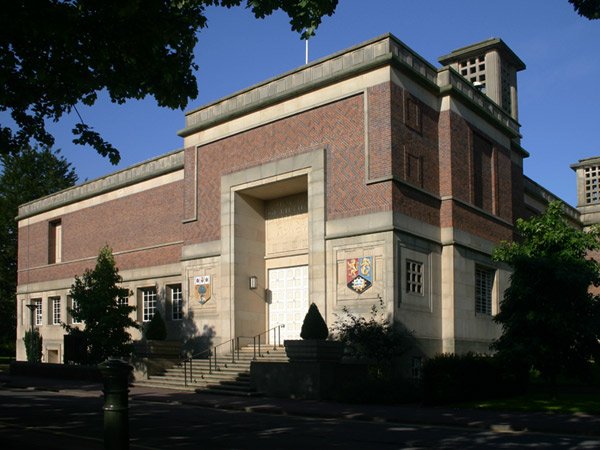
- Birmingham Museum and Art Gallery: Exhibits on industrial and wartime history.
Accessibility and Safety Tips
- Accessibility: The underground nature of the exchange, combined with narrow corridors and steep stairs, makes it inaccessible to wheelchair users and those with limited mobility.
- Safety: The site contains confined spaces, operational telecommunications equipment, and environmental hazards such as asbestos. Unauthorized access is strictly prohibited and dangerous.
- Official Visits Only: Only attend guided tours or events organized by recognized heritage groups or authorities. Unauthorized entry is illegal and poses significant risks.
Legacy and Cultural Impact
The Anchor Telephone Exchange is an enduring symbol of Birmingham’s contribution to Cold War preparedness and telecommunications innovation. Its existence, once shrouded in secrecy, has fueled local legend and urban myth. The site has inspired documentaries, research, and even walking tours highlighting Birmingham’s hidden wartime infrastructure (Hidden Spaces Birmingham).
Today, its tunnels continue to house modern fiber optic cables, integrating the legacy of Cold War resilience with the demands of the digital age.
Preservation and Current Status
While the exchange is no longer maintained as a nuclear bunker, its structural and historical value is recognized by preservation groups and local authorities. Occasional maintenance ensures the tunnels remain safe for their ongoing role in supporting communications infrastructure (Subterranea Britannica). Efforts by organizations such as Subterranea Britannica and Hidden Spaces Birmingham help document and share the site’s story with the public.
Frequently Asked Questions (FAQ)
Q: Can I visit the Anchor Telephone Exchange?
A: No, routine public access is not permitted. Exceptionally, guided tours are offered during special heritage events and must be booked in advance.
Q: Are there virtual tours or online resources?
A: Yes, several news outlets and heritage organizations offer photo galleries, documentaries, and written accounts of the site.
Q: Is the site wheelchair accessible?
A: No, due to its underground location and narrow stairways, the site is not suitable for visitors with mobility impairments.
Q: Are there any plans to open the site to the public in the future?
A: There are no regular plans for public access. Any future tours will be announced via official heritage channels.
Q: Where can I learn more about Birmingham’s Cold War history?
A: Visit local museums, join heritage walks, or explore resources provided by organizations such as Subterranea Britannica and Hidden Spaces Birmingham.
Listen to the full story in the app
Your Personal Curator, in Your Pocket.
Audio guides for 1,100+ cities across 96 countries. History, stories, and local insight — offline ready.
Audiala App
Available on iOS & Android
Join 50k+ Curators
Sources
- verified
- verified
- verified
- verified
- verified
- verified
- verified
Last reviewed: