Plan and listen to Yonder Bognie Stone Circle with Audiala.
Audio guide in your pocket, itinerary in your browser. Built for the way you actually visit.
Introduction
Set amidst the tranquil landscapes of Aberdeenshire, Yonder Bognie Stone Circle stands as a testament to Scotland’s prehistoric heritage. Dating back to the late Neolithic or early Bronze Age (circa 3000–2000 BCE), this recumbent stone circle uniquely reflects the sophisticated ceremonial traditions and astronomical interests of ancient communities in northeast Scotland. Its architectural features—most notably a large horizontal recumbent stone flanked by two upright stones—offer valuable insights into ancient ritual practices, community gatherings, and the region’s cultural evolution.
This comprehensive guide provides essential information for planning a visit to Yonder Bognie Stone Circle, including details on location, access, visiting hours, tickets, accessibility, site etiquette, and nearby attractions. Understanding the historical context and practical considerations will help visitors make the most of this evocative site.
For the latest visitor information, including landowner permissions and any special events, please consult the Historic Environment Scotland portal and the Ballater Visitor Centre.
Location and Access
Directions and Transport
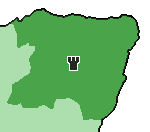
Yonder Bognie Stone Circle is situated near Forgue, Aberdeenshire, approximately 10 miles (16 km) southeast of Huntly and 35 miles (56 km) northwest of Aberdeen. The site lies on private farmland with grid reference NJ 6006 4577 (Canmore).
- By Car: Take the A97 road, turning off near Yonder Bognie farm. There is no formal parking area; visitors typically use lay-bys or park near the farm (The Modern Antiquarian).
- Public Transport: Limited. The nearest bus services are in Huntly and Forgue; from there, a taxi or walk is necessary.
- On Foot: A short (under 500 meters) walk across farmland is required after parking. The terrain may be uneven or muddy.
Parking and Approach
There are no dedicated parking facilities. Visitors are advised to park safely without obstructing farm access. After parking, follow field margins or visible paths, taking care to respect crops and livestock.
Visiting Hours and Tickets
- Opening Times: The stone circle is accessible year-round during daylight hours. There are no fixed opening or closing times as the site is outdoors and unsupervised.
- Tickets and Fees: No admission fees or tickets are required.
Important: As the site is on private land, visitors must always seek permission from the landowner before entering. Contact the farm or owner in advance to arrange your visit (The Modern Antiquarian).
Accessibility Considerations
- Terrain: The approach crosses uneven, sometimes muddy farmland and may involve climbing fences or crossing gates.
- Wheelchair Access: Not suitable for wheelchairs or visitors with limited mobility.
- Facilities: There are no toilets, visitor centers, or amenities on site. The nearest facilities are in Forgue or Huntly.
Historical Background and Archaeological Significance
Construction and Layout
Yonder Bognie is a classic recumbent stone circle, a type found only in northeast Scotland. The circle originally featured 11 granite stones arranged in an oval 18–22 meters across, with the recumbent stone and its two upright flankers set slightly within the perimeter. Today, nine stones remain, three of which have fallen (Megalithics).
The recumbent stone measures approximately 3.35 meters long by 1.70 meters high and is estimated to weigh around ten tons. Its placement on an east-facing slope offers views of the Foudland Hills, reinforcing its likely ceremonial and astronomical role.
Archaeological Discoveries
Excavations have revealed an inner stone ring and a stone pavement beneath which urns and human bone fragments were found, indicating ritual and funerary activities. These findings align with the broader function of stone circles in the region as sites for cremation, ancestor veneration, and ceremonial gatherings (Canmore).
Regional Importance
Yonder Bognie is among approximately 80 recumbent stone circles known in Aberdeenshire, making it a rare and valuable part of Scotland’s prehistoric landscape. Its architectural style and landscape alignment place it within a unique regional tradition that continues to fascinate archaeologists and visitors alike.
Site Condition and Preservation
The site is a scheduled monument, protected by UK law and managed in part by Historic Environment Scotland (Historic Environment Scotland). While several stones have toppled or are missing, the recumbent stone and its flankers remain intact. Vegetation is periodically controlled, but there are no interpretive panels or site wardens.
Visitors are urged to avoid disturbing stones, climbing on monuments, or leaving litter. Any damage or vandalism should be reported to Historic Environment Scotland.
Visitor Experience and Etiquette
- Atmosphere: The circle offers a peaceful, contemplative setting, especially in the quiet of early morning or late afternoon.
- Respect: Always seek landowner permission, do not disturb livestock, and follow the Scottish Outdoor Access Code (Scottish Outdoor Access Code).
- Photography: Allowed for personal use. Drone use requires permission from the landowner and Historic Environment Scotland.
Best Visiting Times and Photography
- Season: Spring and summer provide easier access and vibrant scenery. Winter visits are possible but may be hampered by adverse weather.
- Lighting: The low sun of early morning or late afternoon highlights the textures and form of the stones. The southern arc, featuring the recumbent and flankers, is especially photogenic.
Nearby Attractions and Travel Tips
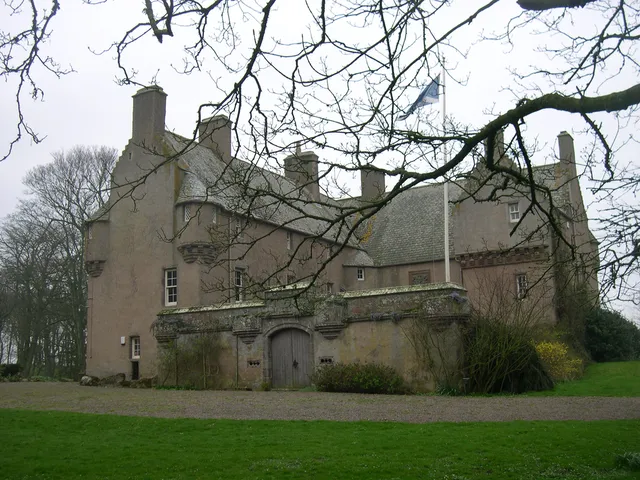
- Historic Sites: Consider visiting Tomnaverie Stone Circle, Huntly Castle, and Bognie Castle (Mapcarta).
- Distilleries: Glendronach Distillery in Forgue offers whisky tours and tastings.
- Ballater: A charming Victorian village with royal connections, amenities, and access to Balmoral Castle (VisitAberdeenshire).
- Cairngorms National Park: Ideal for hiking, wildlife watching, and outdoor activities.
Travel Tips: Wear sturdy, weather-appropriate footwear. Bring a detailed map, as signage is minimal and mobile service may be unreliable. Prepare for variable weather year-round.
Special Events and Guided Tours
There are no regular guided tours at Yonder Bognie due to its remote and private location. Occasionally, local heritage groups may organize walks or talks—check with Historic Environment Scotland or Visit Aberdeenshire for updates.
Practical Tips for Visitors
- Always obtain landowner permission before entering the field.
- Dress appropriately for rural terrain.
- Bring any necessary supplies, as there are no on-site facilities.
- Respect the monument, wildlife, and local farming operations.
- Plan your route in advance and inform someone of your itinerary if walking from a remote area.
Legal and Conservation Notes
Yonder Bognie is protected as a scheduled monument. It is illegal to disturb, damage, or remove any features, or to conduct unauthorized metal detecting or excavation (Canmore). Report any issues to Historic Environment Scotland.
Frequently Asked Questions (FAQ)
Q: Do I need permission to visit Yonder Bognie Stone Circle?
A: Yes, always seek landowner permission before entering the site.
Q: Are there entry fees or official visiting hours?
A: No fees and no official hours, but daylight visits are recommended.
Q: Is the site suitable for wheelchair users?
A: No; the terrain is uneven and often muddy.
Q: Are dogs allowed?
A: Yes, but keep dogs on leads, especially during lambing season.
Q: Is photography permitted?
A: Yes, for personal use. Drones require special permission.
Listen to the full story in the app
The whole Yonder Bognie Stone Circle,
told well.
Audio guides for 1,100+ cities across 96 countries. History, stories, and local insight — offline ready.

Verified, and shown.
Researched and written by the Audiala editorial team from historical records, architectural archives, and local expertise.
Researched from Wikidata, Wikipedia & official sources · fact-checked · How we make our guides →