Medieval Origins
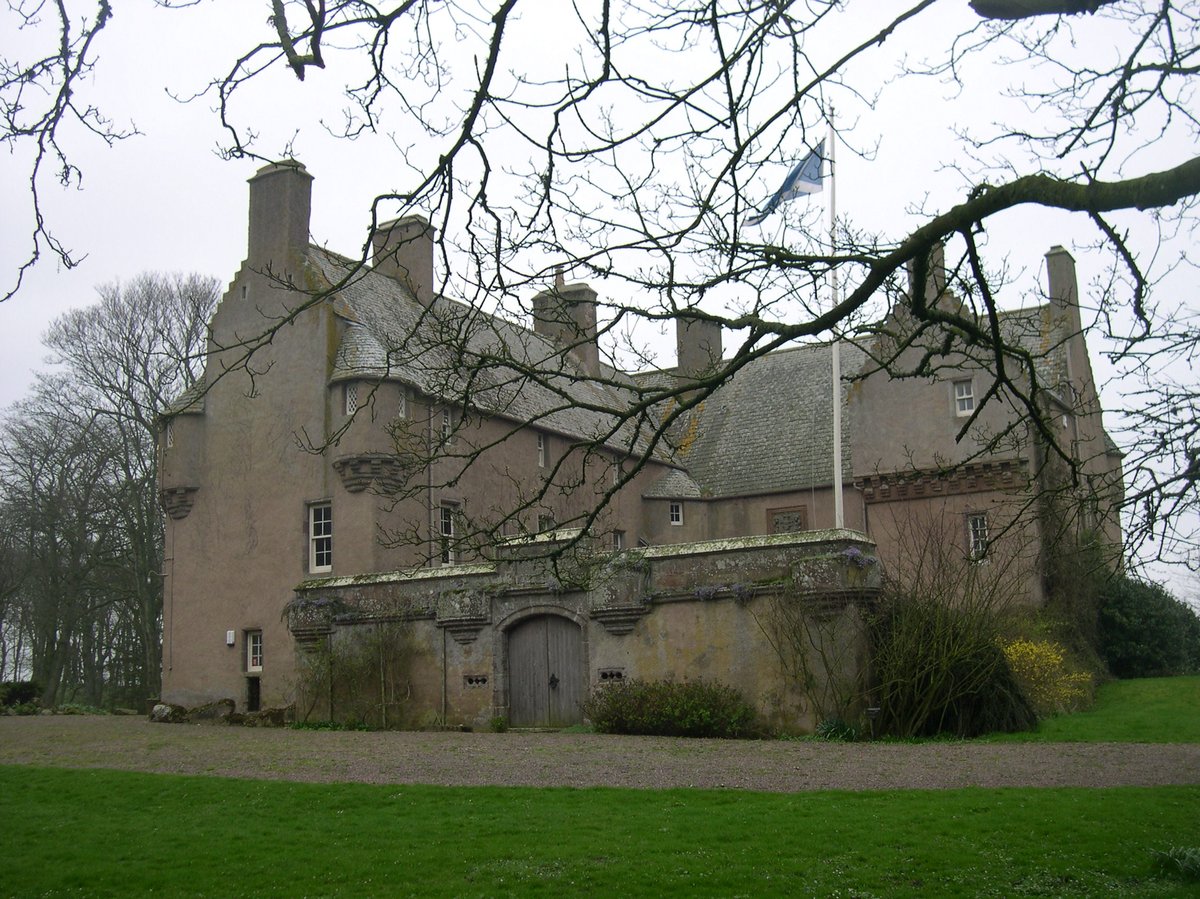
Drum Castle’s origins trace back to the late 13th century, with its name coming from the Gaelic druim (“ridge”), reflecting its strategic position. The original square tower was constructed between 1280 and 1300, possibly by Richard Cementarius, and stands as an exceptional example of medieval Scottish defensive architecture. In 1323, Robert the Bruce granted the estate to William de Irwyn, establishing over 650 years of continuous Irvine family ownership (National Trust for Scotland).
Architectural Evolution
The castle’s architecture reflects centuries of change:
- Medieval Tower The oldest part, remarkably preserved, with walls up to 3.5 meters thick and a spiral staircase.
- Jacobean Mansion (1619) Sir Alexander Irvine added this Renaissance-influenced wing, expanding the family’s living quarters.
- Victorian Modifications 19th-century improvements, including a grand library and domestic comforts, further modernized the estate (Scots2Travel).
Estate Grounds & Chapel
The estate features the Old Wood of Drum, a remnant of ancient royal forest and designated as a Site of Special Scientific Interest (SSSI). The 16th-century chapel, restored in the 19th century, and the late 18th-century walled garden complete the historic landscape (Scotland’s Castle Country).
Drum Castle Through the Ages
The castle has witnessed sieges, including a 17th-century attack by Cromwell’s forces, and sheltered wartime refugees. In 1975, it became a National Trust for Scotland property, ensuring its preservation for future generations.
Visiting Drum Castle: Hours & Tickets
Opening Hours
- April to October 10:30 AM – 5:00 PM (last admission 4:00 PM)
- November to March Weekends only, 10:30 AM – 4:00 PM
- Always confirm current times via the official Drum Castle page, as hours may change for special events and holidays.
Ticket Prices
- Adults £10–£16
- Children (5–15) £5–£6
- Concessions £8–£12.50
- Family £25–£36.50 (varies by ticket type and family size)
- National Trust for Scotland Members Free
Booking in advance is strongly recommended during peak season and for guided tours.
Accessibility & Travel Tips
- Wheelchair Access Partial. The Jacobean mansion and gardens are accessible; the medieval tower has limited access due to narrow stairs.
- Parking Free on-site.
- Public Transport Limited services from Aberdeen; travel by car or taxi is recommended (Crerar Hotels).
- Best Time to Visit Late spring through early autumn for blooming gardens and outdoor walks.
- Weather Aberdeenshire can be changeable; bring waterproofs and sturdy footwear.
Guided Tours & Special Events
- Entry to the Castle Interior Only via guided tour, which covers architectural highlights, the Irvine family’s legacy, and stories of sieges and intrigue (Wayfaring Kiwi).
- Event Highlights Classic car festivals, craft fairs, historical reenactments, and seasonal family activities.
- Ghost Tours Discover folklore and reported paranormal activity, particularly in the Chintz Bedroom and Old Stables (Scotland’s Castle Country).
- Booking Check the National Trust for Scotland events page for schedules and ticketing.
Exploring the Estate: Gardens & Woodlands
Walled Garden & Historic Roses
The Garden of Historic Roses is a highlight, with centuries-old rose varieties in quadrant beds, best visited from late spring to early autumn (Scotland’s Castle Country).
Old Wood of Drum
This ancient oak woodland is part of the original royal forest, offering tranquil walks and wildlife spotting (red squirrels, deer, and a variety of birds) (Wayfaring Kiwi).
Woodland Trails
Well-marked trails of varying lengths accommodate all fitness levels. Picnic areas are available, and dogs are welcome on leads in the grounds.
Facilities & Family Activities
- Tea Room Located in the historic kitchen, serving light meals and home baking (Wayfaring Kiwi).
- Gift Shop Souvenirs, books, and local crafts.
- Children’s Playground Family-friendly amenities.
- Restrooms Accessible near entrance and tea room.
- Accessibility Gardens and ground floors are accessible; upper floors are not.
Conservation & Natural Value
Drum Castle’s ancient woodlands are protected for their unique biodiversity. The estate’s management supports both heritage conservation and sustainable tourism, with visitor contributions funding ongoing restoration and educational projects (Scotland’s Castle Country).
Nearby Attractions
- Crathes Castle: Renowned for its gardens and painted ceilings.
- Balmoral Castle: The royal family's Scottish residence.
- Craigievar Castle: A fairy-tale pink castle.
- Ballater: A charming Victorian village with local events and Highland Games.
- Komoot Guide to Castles: For a wider exploration of the area.
Visitor FAQs
Q: What are Drum Castle’s opening hours?
A: 10:30 AM–5:00 PM (April–October, daily); 10:30 AM–4:00 PM (November–March, weekends only). Always check the official site.
Q: How do I buy tickets?
A: Online via the National Trust for Scotland, or on-site (subject to availability).
Q: Is Drum Castle accessible?
A: Gardens and some ground floors are accessible; the historic tower is not.
Q: Are guided tours required?
A: Yes, for interior access. Book in advance for your preferred time.
Q: Can I bring children?
A: Yes, there are family-friendly facilities and activities.
Q: Is photography allowed?
A: In gardens and grounds; restrictions may apply inside the castle—ask your guide.
Q: Can I bring my dog?
A: Dogs are welcome on leads in the grounds and woodlands, but not inside the castle or walled garden.